
Desogen (Desogestrel / Ethinyl estradiol) – Patient Information (Australia)
Desogen is a combined oral contraceptive pill containing two hormones:
- Desogestrel (a progestogen)
- Ethinyl estradiol (an oestrogen)
This guide explains how Desogen works, how to take it, what to expect, and important safety and interaction information—written for patient understanding and everyday use in Australia.
Basic product information
| Brand name | Active ingredients | Type | How it’s usually taken |
|---|---|---|---|
| Desogen | Desogestrel / Ethinyl estradiol | Combined oral contraceptive (COC) | One tablet daily |
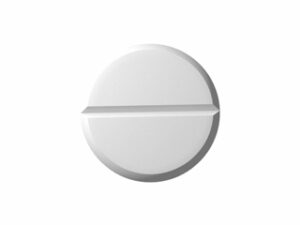
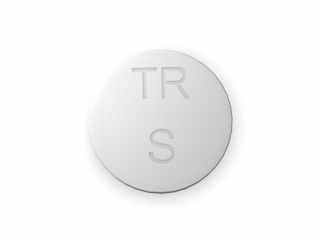
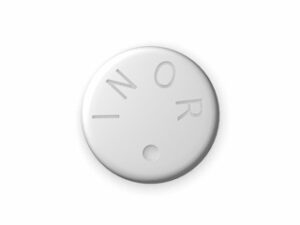
Note: Specific strengths and pack format may vary by product presentation available in Australia. Always check the pack label or the consumer medicine information (CMI) supplied with your specific item.
How Desogen works (mechanism of action)
Desogen helps prevent pregnancy primarily by:
- Suppressing ovulation (preventing the release of an egg)
- Thickening cervical mucus so sperm cannot easily pass through
- Changing the endometrium (lining of the uterus), which may reduce the chance of implantation
Because Desogen works through hormone effects on the reproductive system, it can also:
- Make periods more regular
- Reduce menstrual bleeding and cramps for some people
- Help with acne in some individuals (effects vary)
Pharmacokinetics (how the body processes it)
“Pharmacokinetics” describes how the body absorbs, distributes, metabolises, and eliminates the medicine.
Absorption
After oral dosing, the hormones are absorbed through the gastrointestinal tract. Peak blood concentrations generally occur within a few hours of taking a tablet (timing can vary by person and product formulation).
Distribution
Ethinyl estradiol and desogestrel bind to plasma proteins. This influences how long they remain in the bloodstream.
Metabolism
Both components are metabolised primarily by the liver. Their breakdown can be affected by other medicines that influence liver enzymes.
Elimination
Metabolites are eliminated mainly through the biliary and renal pathways (via bile and urine). The hormones have a sustained effect throughout the dosing cycle.
Practical takeaway: Missing tablets or interactions with certain medicines (especially some seizure medicines, rifampicin/rifabutin, and some HIV treatments) can reduce effectiveness.
Typical use in Australia
Desogen is used for:
- Contraception (to help prevent pregnancy)
Some people also choose combined pills to help manage cycle-related issues such as irregular bleeding, heavy periods, or dysmenorrhoea (painful periods). Whether this is appropriate for you depends on personal factors and medical history.
Timing and how to start taking Desogen
How quickly Desogen becomes effective depends on when you start relative to your menstrual period and whether you switch from another contraceptive.
Starting points (general guidance)
- If you start within the first days of your period, protection may begin quickly (often within 7 days, depending on exact timing).
- If you start at other times, you may need additional contraception (such as condoms) for at least the first 7 days.
Switching from another contraceptive
If you’re switching from another hormonal method (pill, patch, ring, injection, implant) or from a non-hormonal method, the safest approach may differ. Your pharmacist or prescriber can tailor start timing to your prior method and schedule.
Taking your daily tablet
- Take one tablet every day at about the same time.
- Use a reminder (phone alarm, pill organiser, calendar) to reduce missed doses.
- If you are having regular sex without using condoms, consistent daily use matters for maximum effectiveness.
Tip: Choose a time that fits your routine (e.g., after breakfast or before bed). If nausea occurs, you may find taking it after a meal is more comfortable.
Food interactions
Most people do not need to adjust Desogen based on food. Food generally does not significantly affect absorption for combined oral contraceptives.
However, note the following practical points:
- If you have vomiting or severe diarrhoea shortly after taking your tablet, absorption may be reduced. In that case, treat it like a missed dose and follow the “missed dose” guidance from your CMI.
- Some individuals find they experience less nausea by taking the pill with food.
Alcohol interactions
Moderate alcohol intake is not expected to directly interfere with Desogen’s effectiveness for most people. That said, alcohol can indirectly increase risk by:
- Increasing the chance you forget a tablet
- Worsening vomiting (which can reduce absorption)
- Contributing to dehydration, which may worsen side effects in some individuals
Safety note: If you vomit after drinking, follow the same steps as for vomiting due to illness (see missed dose guidance in the CMI).
Medicine interactions (important)
Some medicines can reduce the effectiveness of combined oral contraceptives or increase breakthrough bleeding. This can occur through effects on liver enzymes (especially CYP/P-glycoprotein pathways) or other hormone metabolism processes.
Common categories that may interact
- Enzyme-inducing medicines (may reduce pill effectiveness), including:
- Some medicines for epilepsy (e.g., carbamazepine, phenytoin, phenobarbital, topiramate—depends on dose)
- Some tuberculosis treatments (e.g., rifampicin, rifabutin)
- Some medicines for HIV or hepatitis C (depending on regimen)
- St John’s wort (herbal product) – may reduce effectiveness
- Medicines that increase bleeding risk or affect clotting risk (discuss with a clinician if you’re on anticoagulants or certain other therapies)
- Some antibiotics: most do not substantially affect combined pills, but advice may differ by antibiotic and patient situation.
What to do if you’re starting another medicine
- Inform your pharmacist or doctor that you take Desogen.
- Ask whether you need backup contraception (e.g., condoms) during treatment and for a period after.
- Follow the interaction guidance in the medicine information and, where available, the specialist advice for your specific medication.
Emergency contraception: If you have unprotected sex and you are unsure about protection due to missed tablets or interacting medicines, consider emergency contraception promptly. Availability and eligibility depend on local guidance.
Indications (what Desogen is used for)
Desogen is indicated for:
- Contraception in people who choose an oral combined hormonal method
Your suitability depends on health history, risk factors, and contraindications. Combined pills may not be suitable for everyone, particularly those with certain clotting risk factors.
Dose and administration
Dose: Typically, combined oral contraceptives like Desogen are taken as one tablet once daily. Packs usually follow either:
- a 21 active tablet + 7 break pattern, or
- a 28-day pattern including inactive/placebo tablets (depending on the specific pack).
Always follow the exact instructions on your pack.
How to take
- Swallow the tablet whole with water.
- Take at approximately the same time each day.
- Do not skip days; consistency helps maintain contraceptive effectiveness.
Missed dose (general patient-friendly approach)
Missed tablet advice depends on how many tablets are missed and where you are in the pack. For patient safety, follow the missed dose instructions in the CMI included with your Desogen product.
General principles:
- Take the most recent missed tablet as soon as you remember (even if it means taking two in one day).
- Use backup contraception (commonly condoms) for a recommended period if necessary.
- If missed tablets occur in the first week of a pack, pregnancy risk may be higher and backup may be important.
If you’d like, tell us the timing of your missed tablet(s) and your current pack day (without personal identifiers) and we can explain the general steps you should check in the CMI.
Safety profile and when to seek urgent help
All combined oral contraceptives have potential risks. The most serious are related to blood clots (venous thromboembolism and arterial events such as stroke). Risk is influenced by personal factors such as smoking, age, migraine type, clotting disorders, and family history.
Seek urgent medical attention if you have
- Symptoms of a blood clot in the leg: one-sided swelling, pain, warmth, or redness
- Symptoms of a blood clot in the lung: sudden shortness of breath, chest pain, coughing blood, fainting
- Symptoms of stroke: sudden weakness/numbness on one side, difficulty speaking, facial droop, sudden vision problems
- Severe chest pain or symptoms suggesting a heart attack
- Severe headache that is unusual for you, especially with neurological symptoms or vision changes
Common side effects
Many side effects improve after the first few cycles. Commonly reported effects include:
- Nausea, bloating
- Breast tenderness
- Headache
- Spotting or breakthrough bleeding (often especially early in use)
- Mood changes for some people
Contraindications (who should avoid combined pills)
Desogen may not be suitable if you have certain conditions or risks. Do not use combined oral contraceptives unless you have been assessed as suitable if you:
- Have a history of blood clots or known clotting disorders
- Have certain migraine patterns (particularly migraine with aura)
- Have severe uncontrolled high blood pressure
- Have known hormone-dependent cancers
- Have significant liver disease
- Are pregnant
Because suitability depends on individual history, it’s important to discuss your health background with a clinician.
Practical use tips for best results
- Be consistent: taking at the same time each day reduces missed doses and irregular bleeding.
- Use reminders: pill organiser + phone alarm works well.
- Plan for travel: keep tablets in carry-on luggage and bring enough for delays.
- Track spotting: light breakthrough bleeding can occur early; persistent heavy bleeding should be assessed.
- Support adherence: if you regularly miss pills, consider alternative contraceptive options.
- Check interactions: start new medicines with pharmacy advice, including herbal products.
Alternative options (if Desogen isn’t right for you)
If you’re considering contraception, there are many alternatives. Your choice depends on preferences, medical history, and risk factors.
Other hormonal methods
- Other combined oral contraceptives (different progestogens/estrogen doses)
- Progestogen-only pill (POP) (suitable for some who can’t use oestrogen)
- Contraceptive injection
- Implant (long-acting progestogen)
- Contraceptive patch or vaginal ring
Non-hormonal options
- Copper intrauterine device (IUD)
- Barrier methods (condoms, diaphragms) – also help reduce STI risk when used correctly
Important: If you change methods, there may be a period requiring backup contraception. Guidance depends on timing and method type.
Market & legal context for Australia
In Australia, medicines containing desogestrel and ethinyl estradiol are regulated under the Australian medicines framework. Consumer medicine information (CMI) is made available to support safe use, and dispensing must follow local requirements and product scheduling.
Online pharmacies supplying medicines in Australia typically operate under applicable state/federal laws, including requirements for appropriate supply, consumer information, and responsible pharmacy practices. Product availability may vary by brand listing and distributor.
Availability tip: Always check that the product you are viewing matches the correct active ingredients and dosing schedule. If you have a history of side effects or medical conditions, request pharmacist support to confirm suitability and correct product choice.
Recent guidance & safety updates (how to stay informed)
Contraceptive safety guidance evolves with emerging evidence about clot risk, screening recommendations, and interaction management. While individual advice must be based on your health and risk profile, commonly recommended themes include:
- Careful assessment of clotting risk factors (including smoking, migraine type, and family history)
- Attention to drug–drug interactions (especially enzyme-inducing medicines)
- Urgent evaluation for symptoms suggestive of clotting or stroke
To ensure you have the latest product-specific instructions, always refer to the CMI for your exact Desogen product and check with a pharmacist if anything has changed in your health or medications.
Delivery, availability, and what to expect from an online pharmacy
Online pharmacies in Australia typically offer:
- Home delivery or local pickup where available
- Discreet packaging
- Estimated delivery times displayed at checkout (varies by courier and location)
- Packaging with product label and CMI to support safe use
What to check before ordering:
- That the product is the correct brand and formulation (desogestrel/ethinyl estradiol)
- Pack size and dosing schedule match your routine
- Expiry date is acceptable
- Any relevant storage instructions are followed (usually at room temperature)
If the product is temporarily unavailable, reputable services may offer alternatives or restock notifications.
FAQ: Common questions about Desogen
1. How fast does Desogen start working?
Effectiveness depends on when you start relative to your menstrual cycle and whether it’s your first combined pill or you’re switching from another method. In many cases, protection begins within the first week when started early in the cycle, but backup contraception may be needed if started later. Check the CMI guidance for exact timing.
2. What if I start bleeding or spotting while taking Desogen?
Spotting and breakthrough bleeding are common during the first few months. Factors such as missed tablets, timing changes, interactions, or vomiting/diarrhoea can contribute. If bleeding is persistent, heavy, or unusual for you, seek advice.
3. Can I take Desogen if I vomit or have severe diarrhoea?
If vomiting or severe diarrhoea occurs shortly after taking a tablet, absorption may not be complete. This can make it effectively a missed dose. Follow the missed dose advice in the CMI and consider backup contraception as instructed.
4. Does alcohol make Desogen ineffective?
Moderate alcohol typically does not directly reduce effectiveness. However, heavy drinking can increase the risk of missed doses and vomiting, which can reduce absorption. If you vomit after taking the pill, treat it according to the CMI guidance.
5. Are there medicines I should avoid while using Desogen?
Yes. Some medicines can reduce contraceptive effectiveness (particularly certain enzyme-inducing medicines) or affect bleeding patterns. Always tell your pharmacist about all medicines and supplements you take, including herbal products like St John’s wort.
6. Can Desogen help with acne or heavy periods?
Some people experience improvements in acne and menstrual symptoms with combined pills. Response varies. If side effects occur or symptoms worsen, discuss with a pharmacist or clinician about alternatives.
7. What should I do if I miss tablets?
Missed-dose instructions depend on how many tablets were missed and where you are in the pack. Always follow the specific guidance in the CMI. If you are unsure, seek advice promptly and consider emergency contraception if you’ve had unprotected sex.
8. Is it safe to use Desogen during breastfeeding?
Combined pills are generally not recommended in early breastfeeding for many people due to oestrogen’s potential effects. Progestogen-only methods may be preferred. Check with a healthcare professional for breastfeeding-specific guidance.
9. What symptoms mean I should stop and get help urgently?
Stop and seek urgent medical advice if you develop symptoms that could indicate a blood clot (such as one-sided leg swelling or sudden shortness of breath), stroke, or severe unusual headaches. Early assessment can be lifesaving.
10. Can I use condoms as well?
Yes. Using condoms can provide extra protection if you miss a pill, and they also help reduce the risk of STIs. Condoms are especially useful when starting, switching methods, or when there are medicine interactions.
Key points to remember
- Desogen is a combined contraceptive pill containing desogestrel and ethinyl estradiol.
- It works mainly by preventing ovulation and changing cervical mucus.
- Take one tablet daily at around the same time for best effectiveness.
- Food generally isn’t a major issue, but vomiting/diarrhoea soon after a dose may require missed-dose steps.
- Some medicines can interact and reduce effectiveness—always check with a pharmacist.
- Seek urgent help for signs of blood clots or stroke.
Disclaimer: This information is intended to help you understand Desogen and support safe use. Always consult the Consumer Medicine Information (CMI) for your specific product and seek professional advice for personal medical decisions, especially if you have clotting risk factors or are starting new medicines.