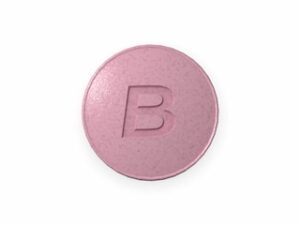

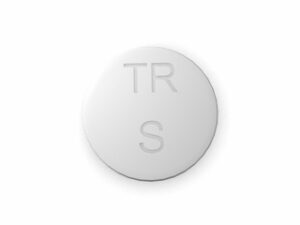
Plan B (Levonorgestrel) — Emergency Contraception for Australia
Plan B contains levonorgestrel, a medicine used as emergency contraception to help prevent pregnancy after unprotected sex or certain contraceptive failures. It’s designed for short-term use and works best the sooner it’s taken.
This page explains how Plan B works, when to take it, key safety information, and practical guidance. If you have questions about your situation—such as timing, breastfeeding, or medication interactions—speak with a pharmacist or another healthcare professional.
Basic product information
- Active ingredient: Levonorgestrel
- Type: Emergency contraceptive pill (ECP)
- Typical regimen: Commonly a single dose (brand and product format may vary by availability)
- Where it fits: After unprotected sex or contraceptive failure; not for regular contraception
Important: Always check the specific product’s pack for the exact dose per tablet and the instructions for use.
How Plan B works (mechanism of action)
Levonorgestrel is a synthetic progestin. In emergency contraception, its main action is to delay or inhibit ovulation (the release of an egg). If ovulation is delayed, pregnancy is less likely because sperm cannot fertilise an egg that has not been released.
- Primarily affects ovulation: It works best when taken before or around the time ovulation would occur.
- May also affect other processes: It can make the reproductive environment less favourable for fertilisation and/or implantation, but ovulation delay is the key mechanism.
- Does not end an established pregnancy: It is not intended to terminate an existing pregnancy.
Pharmacokinetics (how the body handles it)
Pharmacokinetics describe how the medicine is absorbed, distributed, metabolised, and eliminated.
- Absorption: Levonorgestrel is absorbed after taking by mouth. Peak blood levels generally occur within a few hours (timing can vary by individual and product formulation).
- Distribution: It binds to blood proteins, helping it circulate in the body.
- Metabolism: Levonorgestrel is metabolised mainly in the liver.
- Elimination: The medicine is cleared from the body over time, with metabolites eliminated via normal body processes (primarily through urine and bile).
Clinical implication: Because Plan B works primarily around ovulation timing, the benefit is strongly linked to how soon it is taken after unprotected sex.
Typical use and when to take it
Plan B is for use after:
- Unprotected sex (no contraception)
- Contraceptive failure (e.g., condom break/slip)
- Missed or late contraceptive pills
- Coitus interruption where contraception was inadequate
- Other situations where you are concerned pregnancy risk is present
Timing is crucial: Plan B should be taken as soon as possible after the risk event.
- More effective the sooner you take it (even within the first 24 hours, benefit is higher).
- Usual recommended window: Many products are labelled for use up to 72 hours (3 days) after unprotected sex, and some guidance allows use up to 120 hours (5 days) depending on the specific product and recommendations in your region. Check your pack or ask a pharmacist for the correct timing for your exact Plan B product.
Dose and administration (how much and how to take)
Most Plan B products are taken as a single dose. Always follow the instructions on your specific packaging.
General administration guidance:
- Take the tablet(s) with water.
- You can take it with or without food.
- If you vomit within a short time after taking it, you may need another dose—see the vomiting section below or ask a pharmacist.
If you have vomiting or severe diarrhoea
- If you vomit shortly after taking Plan B, the dose may not have been fully absorbed.
- In many cases, a repeat dose may be needed, but the exact timing for replacement depends on how soon you vomited after taking the pill. Ask a pharmacist promptly for advice.
- Severe diarrhoea may also affect absorption. Seek guidance.
Food interactions
There are no common food restrictions. Plan B can typically be taken with or without food.
Practical tip: If you feel nauseated, taking with a light snack may help some people. If you vomit, follow the advice above.
Alcohol and medicine interactions
Alcohol
- There is no specific alcohol “interaction” required for Plan B under standard conditions.
- However, alcohol can contribute to vomiting and can reduce your ability to remember timing. Avoid vomiting by taking the pill and staying hydrated.
- If you drink alcohol and feel unwell, seek advice if vomiting occurs soon after dosing.
Medicine interactions (important)
Some medicines can reduce the effectiveness of levonorgestrel by increasing the metabolism of progestins. Tell a pharmacist or check the pack leaflet for interaction guidance.
Common interaction categories include:
- Enzyme inducers (can lower levonorgestrel levels), such as:
- Some medicines for epilepsy (e.g., carbamazepine, phenytoin, phenobarbital, topiramate at certain doses)
- Rifampicin or other rifamycin antibiotics
- Some HIV medications and other antiviral regimens (varies by regimen)
- St John’s wort (a herbal product)
- Certain hormonal medicines or ongoing contraception methods (may need advice on switching back and ongoing contraception plan)
What this means for you:
- If you take a medicine that may reduce Plan B effectiveness, a pharmacist may advise a different emergency contraception option or additional steps.
- Do not stop prescribed medicines without advice.
Indications (when Plan B is used)
Plan B is indicated for emergency contraception to reduce the chance of pregnancy after:
- Unprotected intercourse
- Contraceptive failure (including condom break or missed pills)
- Inadequate protection due to timing errors
Not for: regular ongoing contraception and not for terminating an existing pregnancy.
Safety profile and side effects
Plan B is generally well tolerated. Like all medicines, it may cause side effects. Many effects are temporary.
Common side effects
- Nausea
- Vomiting
- Lower abdominal pain or cramping
- Headache
- Dizziness
- Tiredness
- Breast tenderness
- Changes to menstrual bleeding:
- Earlier or later period
- Lighter or heavier bleeding
- Spotting between periods
When to seek medical advice urgently
Most side effects are mild and short-lived. Seek medical attention promptly if you experience:
- Severe or persistent abdominal pain (especially if pregnancy might occur)
- Fainting, severe dizziness, or signs of an allergic reaction (e.g., swelling of face/lips, difficulty breathing, rash)
- Very heavy bleeding (soaking through pads/tampons rapidly or prolonged heavy bleeding)
Pregnancy and follow-up
- After emergency contraception, a pregnancy test is recommended if your period is more than 7 days late or if you experience unusual symptoms.
- If you suspect pregnancy, consult a healthcare professional for guidance.
Practical use tips (what to do step-by-step)
- Act quickly: Take Plan B as soon as possible after the risk event.
- Check the label: Confirm the dose and timing instructions for your specific product pack.
- Don’t delay for “just in case”: Even short delays can reduce effectiveness.
- If you vomit: Ask a pharmacist about whether you need another dose.
- Plan ongoing contraception: Plan B is not ongoing birth control. Use condoms or abstain until you restart reliable contraception.
- Consider future fertility needs: If you want ongoing contraception, speak with a pharmacist or clinic to start a suitable method as soon as appropriate.
Alternative options for emergency contraception
Depending on timing, body weight/BMI, and medication interactions, different options may be considered. Discuss with a pharmacist.
Other emergency contraception methods
- Ulipristal acetate (UPA): A different emergency contraception pill, often more effective closer to ovulation and in some situations where levonorgestrel may be less effective. The timing window depends on local product guidance.
- Copper intrauterine device (Cu-IUD): Can be used as emergency contraception and provides ongoing contraception. Placement requires clinical assessment and procedure by trained staff.
- Repeat use: Emergency contraception can be used more than once, but repeated use should prompt a discussion about switching to reliable ongoing contraception.
Choosing an option: A pharmacist can help decide based on how long it has been since unprotected sex, any ongoing medicines (especially enzyme inducers), and any known timing in your cycle.
Market and legal context in Australia (what to expect)
In Australia, emergency contraception products are made available through community pharmacy channels and are used to support timely access to care. Access pathways can vary by product and local arrangements.
General points for customers in Australia:
- Emergency contraception is intended to be accessed promptly, with pharmacy support available.
- Regulatory requirements (including packaging, directions, and product information) are designed to support safe use.
- Pharmacists may provide advice about timing, interactions, and follow-up steps such as pregnancy testing.
Note: Product availability and formulation can differ between brands and suppliers. Always use the directions on the specific pack you receive.
Recent guidance and practical updates (general themes)
While specific advice can change, recent healthcare guidance in many places—including Australia—tends to emphasise the following:
- Take emergency contraception as soon as possible after unprotected sex.
- Pharmacy support is important for counselling on interactions and follow-up.
- Consider alternatives (such as ulipristal or Cu-IUD) when timing is closer to ovulation or when drug interactions may reduce effectiveness.
- Provide clear instructions for pregnancy testing and what to do if vomiting occurs.
For the most current advice relevant to you, consult a pharmacist or a reputable Australian health information source.
Delivery, availability, and customer support (Australia)
Online pharmacies in Australia commonly support convenient access to emergency contraception. Availability can vary by brand and pack size.
- Delivery: Orders are typically processed and dispatched according to the pharmacy’s standard shipping schedule.
- Discreet packaging: Many online pharmacies package items discreetly to protect privacy.
- Customer support: If you need help with timing, interactions, or vomiting guidance, contact customer support or a pharmacist via the available channels.
Tip: Place your order as soon as possible. While delivery times vary by address and service type, emergency contraception is most effective when taken early.
FAQ — Plan B (Levonorgestrel)
1) How soon after unprotected sex can I take Plan B?
Take it as soon as possible. Many products are recommended up to 72 hours (3 days), and some guidance allows use up to 120 hours (5 days) depending on the product and local recommendations. Check the pack instructions for your exact product or ask a pharmacist.
2) Will Plan B work if I’m already ovulating?
Plan B works best before ovulation. If ovulation has already occurred, levonorgestrel may be less effective. If you’re close to your ovulation window or have had recent cycle changes, a pharmacist can help you consider the most effective option.
3) Does Plan B cause an abortion?
No. Plan B is an emergency contraceptive that primarily works by delaying ovulation. It is not designed to end an established pregnancy.
4) What should I do if my period is late?
If your period is more than 7 days late, take a pregnancy test. If it’s positive or you have concerns, contact a healthcare professional.
5) Can Plan B change my next period?
Yes. Plan B may cause your next period to be earlier or later, or change the flow or cause spotting. This can be normal.
6) Can I take Plan B if I’m breastfeeding?
Many guidelines consider levonorgestrel compatible with breastfeeding, but individual situations vary. If you’re breastfeeding, ask a pharmacist for advice specific to your circumstances and the product instructions.
7) What if I take Plan B and keep having unprotected sex afterward?
Plan B does not provide ongoing contraception. You should use condoms or another reliable method until you restart dependable contraception. Seek advice on the best plan for ongoing contraception.
8) Are there medicines that make Plan B less effective?
Yes. Some medications—especially enzyme-inducing medicines and St John’s wort—can reduce effectiveness. Tell a pharmacist what you take so they can advise on the best emergency contraception option.
9) Can I drink alcohol after taking Plan B?
There’s no strict prohibition for alcohol with Plan B, but alcohol may increase the chance of nausea or vomiting. Avoid vomiting and seek advice if vomiting occurs soon after taking the tablet.
10) What if I vomit after taking Plan B?
If you vomit within a short time after taking the tablet, you may not absorb the full dose. Seek advice promptly from a pharmacist about whether you need another dose.
11) Is Plan B the same as an emergency IUD?
No. Plan B is a pill. A copper IUD is a different emergency method that can also serve as ongoing contraception, but it requires clinical placement.
12) Can Plan B be used more than once?
It can be used again if needed, but repeated use is a sign you may benefit from reliable ongoing contraception. Consider speaking with a pharmacist or clinic for options.
Summary table (quick reference)
| Topic | Plan B (Levonorgestrel) at a glance |
|---|---|
| What it is | Emergency contraceptive pill containing levonorgestrel |
| Main action | Delays or inhibits ovulation |
| Best timing | As soon as possible after unprotected sex |
| Typical window | Often up to 72 hours; some guidance allows up to 120 hours—check your pack |
| Food | Taken with or without food |
| Vomiting | May require repeat dosing—ask a pharmacist promptly |
| Alcohol | No specific interaction, but avoid vomiting; be mindful of timing |
| Key interactions | Enzyme-inducing medicines and St John’s wort may reduce effectiveness |
| Side effects | Nausea, headache, cramping, spotting; period changes are possible |
| Follow-up | Test if period is >7 days late or if pregnancy symptoms occur |
Final note: Plan B is most effective when taken early. If you’re uncertain about timing, medication interactions, or what to expect afterward, a pharmacist can help you make the safest choice.