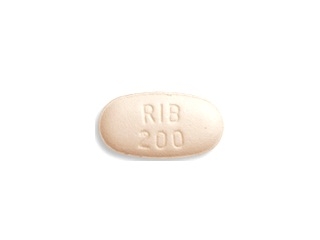
Copegus (Ribavirin) – Patient Information (Australia)
Copegus is the brand name for ribavirin, an antiviral medicine used in certain combination treatments for viral infections. This page explains how Copegus works, how it is used, important safety information, and practical tips for everyday use.
Information below is designed to be patient-friendly. Always follow the treatment plan provided by your healthcare professional and read the product information supplied with your medicine.
1) Basic product information
| Item | Details |
|---|---|
| Medicine name | Copegus |
| Active ingredient | Ribavirin |
| Medicine type | Antiviral (nucleoside analogue) |
| How it is taken | Oral tablets or capsules (depending on local product presentation) |
| Common role | Used as part of an antiviral combination regimen |
| Availability | May be supplied through Australian pharmacies when clinically indicated |
2) What is ribavirin and how does it work?
Mechanism of action
Ribavirin is an antiviral medicine with a complex mechanism. It is taken up in cells and interferes with viral replication. It may work by:
- Altering viral RNA processes so the virus cannot replicate effectively.
- Reducing the availability or function of viral nucleotides needed for replication.
- Modulating immune responses in a way that may improve clearance of the virus when combined with other treatments.
- Inhibiting viral “error correction” (in certain settings), leading to non-viable virus particles.
Ribavirin’s benefits are most apparent when used in combination with other antiviral medicines, depending on the infection type and treatment protocol.
3) Pharmacokinetics (how the body handles Copegus)
Pharmacokinetics describes how ribavirin is absorbed, distributed, metabolised, and eliminated. Ribavirin has features that influence dosing and safety monitoring.
Absorption
Ribavirin is absorbed after oral administration. The extent of absorption can be affected by food. Some formulations show improved absorption with certain meals.
Distribution
Ribavirin distributes widely through the body and can accumulate in tissues. Because of its long persistence in the body, blood levels can remain for weeks after stopping treatment.
Metabolism
Ribavirin is metabolised through pathways that involve phosphorylation and other metabolic processes. The drug and its metabolites can contribute to both antiviral effect and safety considerations.
Elimination and long half-life
Ribavirin is eliminated primarily through renal (kidney) pathways. It has a long half-life, meaning it can remain in the body for an extended period. This is why safety precautions—especially those relating to pregnancy—are critical, even after therapy ends.
4) What is Copegus used for?
Typical use (general description)
Copegus is used as part of an antiviral combination regimen for certain viral infections, most notably in historical and specific clinical contexts for chronic hepatitis C (HCV).
Treatment choices can vary depending on:
- Viral genotype or sub-type (where relevant)
- Prior treatment history
- Severity of liver disease
- Other medical conditions and medicines
- Availability of other antiviral agents in the regimen
Your clinician will determine whether ribavirin is appropriate for you and which combination and duration are suitable.
Indications in practice (high-level)
Ribavirin is used for certain patients with chronic hepatitis C when it is included in the planned antiviral strategy. It may also be considered in selected contexts under specialist guidance.
For the most accurate indication for your situation, rely on your treatment plan and current Australian clinical guidance.
5) How to take Copegus: timing and dosing principles
Dosing must be individualised. Ribavirin dosing often depends on factors such as body weight, the specific regimen, and kidney function. Your prescriber will provide a clear dosing schedule.
Typical timing
- Copegus is usually taken in divided doses (for example, morning and evening) to maintain steadier levels.
- Try to take doses at roughly the same times each day.
- Do not change the dose or stop early unless your healthcare professional advises you to.
Typical dosing information (general reference)
Many ribavirin regimens are weight-based. Because exact dosing depends on the combination regimen and local protocols, the table below is a general illustration, not a substitute for your prescribed directions.
| Body weight (example ranges) | Illustrative daily dose approach |
|---|---|
| Less than 75 kg | Lower total daily dose, split into divided dosing |
| 75 kg to 85 kg | Intermediate total daily dose, split into divided dosing |
| More than 85 kg | Higher total daily dose, split into divided dosing |
If you have reduced kidney function, doses may need adjustment because ribavirin is cleared by the kidneys. Your clinician may also perform regular blood tests.
If you miss a dose
- Take the missed dose as soon as you remember the same day.
- If it is close to the next scheduled dose, skip the missed dose and continue your regular schedule.
- Do not double up unless your healthcare professional instructs you to.
6) Food interactions: what to know
Food can influence absorption of ribavirin. Many patients are advised to take ribavirin with food to improve tolerability and absorption.
- If your directions say “with food,” take each dose with a meal or snack.
- If your directions do not specify, ask your pharmacist or clinician what is recommended for your specific formulation.
- Maintain consistent meal timing to avoid large day-to-day variations in absorption.
Also consider general digestive comfort: ribavirin can cause nausea or abdominal discomfort in some people. Taking it with food may help reduce these effects.
7) Alcohol and medicine interactions
Alcohol
Alcohol is especially important to discuss if you are being treated for liver-related conditions such as hepatitis C. Alcohol can worsen liver inflammation and may interfere with overall treatment outcomes.
- Avoid alcohol during therapy unless your clinician advises otherwise.
- If you drink alcohol, discuss a safe approach with your healthcare professional.
Interactions with other medicines
Ribavirin can interact with other medicines and may increase the risk of side effects, especially those involving the blood or kidneys. Always tell your healthcare professional and pharmacist about all medicines you take, including:
- Prescription medicines
- Over-the-counter products (including cold/flu medicines)
- Herbal supplements (e.g., St John’s wort—commonly problematic for many antivirals)
- Vitamins or mineral products
Important interaction considerations
Particular caution is often needed with medicines that can affect:
- Blood counts (because ribavirin can contribute to anaemia)
- Kidney function (because ribavirin is cleared by the kidneys)
- Other antivirals in the same treatment regimen
Your pharmacist can check for clinically significant interactions based on your exact medicines and formulation.
8) Safety profile: important risks and monitoring
General safety notes
Ribavirin safety is a major consideration because it can cause or worsen some side effects. Many patients require regular blood tests during therapy.
Common side effects
- Anaemia (low red blood cells), which may cause tiredness, shortness of breath, dizziness, or paleness
- Headache
- Fatigue
- Nausea or stomach upset
- Reduced appetite
- Insomnia or sleep disturbance
- Rash or skin dryness (varies by individual regimen)
Serious risks (seek urgent advice)
Contact your healthcare professional promptly or seek urgent care if you experience symptoms suggestive of serious complications. Examples include:
- Severe anaemia: marked weakness, fainting, chest pain, or shortness of breath at rest
- Allergic reactions: swelling of the face/lips, hives, wheezing, or difficulty breathing
- Significant mood changes (including severe depression or suicidal thoughts)
- Severe infection symptoms (fever, chills, or feeling very unwell)
Pregnancy and fertility: critical safety information
Ribavirin can cause serious harm to an unborn baby. This is one of the most important precautions.
- Do not use during pregnancy.
- Effective contraception is essential for people who could become pregnant and their partners during treatment.
- Because ribavirin stays in the body for a long time, contraception precautions may need to continue for a period after stopping therapy—your clinician will specify the exact timeframe.
If you or your partner are planning a pregnancy, talk to your healthcare professional before starting or restarting ribavirin.
Blood tests and monitoring
Many treatment regimens include monitoring of:
- Full blood count (especially haemoglobin/anaemia and other cell lines)
- Kidney function (e.g., creatinine, estimated GFR)
- Liver function
- Virological response where relevant (viral load testing)
9) Practical use tips (daily life)
- Use a medication routine: choose morning and evening times that match meals and daily habits.
- Take with food if instructed: this may improve tolerability and absorption.
- Keep track with a planner: missed doses can reduce effectiveness and may complicate monitoring.
- Stay hydrated and maintain a balanced diet, especially if appetite is reduced.
- Plan for fatigue: pace activities and allow rest periods.
- Know your warning signs: understand symptoms of anaemia and when to seek help.
- Attend all blood test appointments even if you feel well.
Managing anaemia-related symptoms
If you develop low haemoglobin, your clinician may adjust dosing, manage contributing factors, or provide supportive care. Tell your healthcare team promptly if you experience worsening fatigue, breathlessness, or dizziness.
10) Alternative options
Depending on the viral condition, treatment history, and current standards of care, there may be alternative medicines or combination regimens. For hepatitis C, treatment strategies have evolved substantially over recent years, with many patients now eligible for direct-acting antiviral options.
Possible alternatives (high-level, varies by patient) may include:
- Other antiviral combination regimens that do not include ribavirin (where clinically appropriate)
- Different durations or regimens based on prior treatment and severity of liver disease
- Specialist-led approaches if intolerance or contraindications occur
Your healthcare professional can explain the best available options for your specific circumstances.
11) Market and legal context in Australia (high-level)
Medicines in Australia are regulated by the Therapeutic Goods Administration (TGA). Availability, supply arrangements, and dispensing requirements depend on the medicine’s classification and clinical use.
For patients purchasing from an online pharmacy, Australia’s legal framework typically requires that certain medicines are supplied only under appropriate healthcare oversight and according to Australian regulations.
If you have questions about eligibility, supply, or documentation requirements, contact the pharmacy support team before placing an order.
12) Recent guidance and clinical practice notes
Treatment recommendations can change as new antiviral medicines become available and as evidence evolves. For hepatitis C in particular, many current pathways may prioritise ribavirin-sparing regimens when appropriate, but ribavirin may still be used in selected circumstances based on clinical factors.
To stay aligned with current practice in Australia, clinicians typically consider:
- Guidelines from Australian health authorities and specialist societies
- Individual patient factors (including co-existing conditions and prior response)
- Local prescribing criteria and funded treatment pathways
Ask your treating team which guidance applies to your regimen and duration.
13) Delivery and availability from an online pharmacy
Availability of Copegus can vary depending on supply, formulation, and prescribing arrangements. When it is available, an online pharmacy may offer:
- Secure checkout and order verification steps
- Packaging designed to protect tablets/capsules
- Delivery to eligible Australian addresses
- Tracking information where available
Delivery times depend on stock status and your location. If a product is not currently in stock, the pharmacy may offer an estimated restock timeline.
Storage: follow the storage instructions on the carton or label (commonly stored below a specified temperature, protected from moisture and out of reach of children). Keep the medicine in its original packaging unless your pharmacist advises otherwise.
14) FAQ
Is Copegus the same as ribavirin?
Yes. Copegus is a brand of ribavirin, the active ingredient. Different brands may exist depending on availability in Australia.
How long is ribavirin usually taken?
Duration depends on the viral infection, the combination regimen used, your response to treatment, and any side effects or adjustments. Some regimens may last weeks to months. Your clinician will provide the exact plan.
Should I take Copegus with food?
Often, ribavirin is taken with food to support absorption and comfort. Follow the instructions from your healthcare professional or pharmacist. If you are unsure for your specific product, ask before starting.
What should I do if I feel very tired?
Fatigue is a common side effect, and anaemia may contribute. Contact your healthcare professional—especially if symptoms are worsening. Do not stop the medicine without advice, as treatment effectiveness depends on following the plan.
Can I drink alcohol while on Copegus?
It is generally best to avoid alcohol during treatment, particularly if you have liver disease. Discuss your alcohol habits with your healthcare professional to receive personal guidance.
What are the most important safety precautions?
The most critical is avoiding pregnancy and using effective contraception during treatment and for a specified period after stopping. Also watch for symptoms of anaemia, severe mood changes, and allergic reactions.
Does ribavirin affect fertility?
Ribavirin can affect reproductive risk in the context of pregnancy, and contraception precautions are required. If you have concerns about fertility or family planning, speak with your clinician before and during treatment.
How are doses adjusted if side effects occur?
Dose adjustments may be considered if blood counts drop or other clinically significant side effects occur, particularly involving anaemia or kidney function. This is why regular monitoring is important.
What if I have kidney problems?
Kidney impairment can increase ribavirin levels, raising the risk of side effects. Your clinician may adjust dose and monitor blood tests more closely. Tell your healthcare provider about your kidney history.
Are there alternatives if I can’t tolerate ribavirin?
Sometimes clinicians may modify the regimen, adjust dose, or use alternative antiviral options depending on your condition and available medicines. Don’t change therapy without professional advice.
Where can I get more information?
For product-specific details, refer to the consumer medicine information provided by the manufacturer and the advice from your healthcare professional. The online pharmacy support team can also help with general questions about ordering, delivery, and storage.
Reminder: This information is a guide only. Your individual treatment needs and safety monitoring should be guided by your healthcare professional.