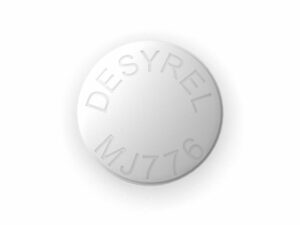
Zyprexa (Olanzapine) – Patient-Friendly Medicine Information (Australia)
Zyprexa is a brand of olanzapine, a medicine used to treat certain mental health conditions such as schizophrenia and bipolar disorder. This guide explains how olanzapine works, what it’s commonly used for, how it is taken, interactions to watch for, and practical tips for safer use in everyday life in Australia.
This information is intended to help you understand your medicine. If you have questions about your personal situation, talk to a qualified healthcare professional.
Basic product information
| Category | Details |
|---|---|
| Active ingredient | Olanzapine |
| Brand | Zyprexa |
| Medicine type | Atypical antipsychotic (also used in mood disorders) |
| Common forms | Tablet (various strengths), and other specialist formulations depending on availability |
| Common dosing schedule | Usually once daily for many indications (your schedule may vary) |
How Zyprexa (olanzapine) works (mechanism of action)
Olanzapine works mainly by affecting brain signalling in several key neurotransmitter systems. The most important effects involve dopamine and serotonin receptors.
- Antipsychotic action: helps reduce symptoms such as hallucinations, delusions, disorganised thinking, and agitation.
- Mood stabilising effect: may help reduce symptoms of mania and help prevent mood episodes in bipolar disorder, depending on the treatment plan.
- Receptor profile: olanzapine blocks certain dopamine receptors and serotonin receptors, which is linked to its clinical effects.
Pharmacokinetics (how the body processes it)
Pharmacokinetics describes how a medicine is absorbed, distributed, metabolised, and eliminated. While individual experiences may vary, these general points can help you understand what to expect:
Absorption
After oral dosing, olanzapine is absorbed from the gastrointestinal tract. Blood levels generally rise after taking the tablet, and the medicine may take several hours to reach peak levels.
Onset of effects
- Psychotic symptoms: some improvement can be noticed within days, but full effects often take longer.
- Mood symptoms: response may take time, with gradual improvement.
Distribution
Olanzapine distributes throughout the body and crosses into the brain, where it can exert its effects.
Metabolism
Olanzapine is metabolised mainly in the liver. Liver function, other medicines, and smoking status can influence how quickly it’s cleared from the body.
Elimination
Metabolites are eliminated primarily via the kidneys and through bile/faecal routes. The overall duration of action relates to the clearance and half-life of the medicine.
Typical uses in Australia
In Australia, olanzapine is used for conditions where antipsychotic or mood-related therapy is indicated, such as:
- Schizophrenia (to help manage symptoms including hallucinations and delusions)
- Bipolar disorder (for manic or mixed episodes; and in some treatment strategies for maintenance)
- Other related conditions where a clinician judges olanzapine may be appropriate based on symptoms and history (availability and exact wording depend on the specific formulation and regulatory indications).
When to take Zyprexa (timing and consistency)
Many people take olanzapine once daily. The best timing depends on how it affects you and what works for your routine. Consistency helps maintain steady blood levels.
General timing guidance
- Take at the same time each day to help avoid missed doses.
- If the medicine makes you feel sleepy, taking it in the evening may be more comfortable (unless your clinician advises otherwise).
- If it makes you feel restless or wired, morning dosing may be considered (again, only adjust with clinical advice).
What if you miss a dose?
If you miss a dose, the usual approach is to take it when you remember, unless it is close to the next dose. Because individual instructions can differ, follow the directions provided with your medicine or your healthcare team’s advice.
Food interactions and absorption
Olanzapine can generally be taken with or without food. Eating does not typically require special timing. However, if you notice that food affects how sleepy you feel or your stomach tolerability, you may find it helpful to take it with a light meal.
- Usual approach: take as directed; avoid major sudden changes in your eating routine.
- Stomach upset: if nausea occurs, taking it with food may improve comfort.
Alcohol and medicine interactions
Alcohol and many medications can intensify side effects such as sedation and impairment of coordination. For that reason, it’s important to be cautious.
Alcohol
- Avoid or limit alcohol while taking olanzapine unless your clinician says it is safe for you.
- Alcohol may increase drowsiness and increase the risk of falls or accidents.
- If you drink alcohol, discuss safe limits with your healthcare team, especially if you have other medical conditions.
Common medicine interactions to discuss
Olanzapine can interact with other medicines through effects on liver metabolism or by adding to side effects. Always tell your pharmacist or doctor about all medicines you take, including supplements.
- Sedating medicines (e.g., some sleep medicines, strong antihistamines, opioids, some anxiety medicines): can increase sleepiness, slowed reaction time, and risk of falls.
- Medicines that affect liver enzymes: may change olanzapine levels.
- Anticholinergic medicines: may increase constipation, dry mouth, and blurred vision.
- Medicines affecting glucose or weight (including diabetes medicines): because olanzapine can influence metabolic parameters.
Smoking status (important in Australia)
Smoking can affect how the liver processes olanzapine. If you smoke, vape, or stop smoking, the medicine level in your body may change. This is one reason clinicians may review dosing or monitoring when smoking patterns change.
Indications (what it is used for)
Olanzapine is used to treat psychiatric conditions where symptoms can include psychosis and/or mood episodes. In general terms, it can help:
- Reduce symptoms of schizophrenia (e.g., hallucinations, delusions, disorganised behaviour)
- Treat manic or mixed episodes associated with bipolar disorder
- Support longer-term management in certain people as part of a broader treatment plan (medication plus monitoring, and often psychological and lifestyle support)
Exact eligibility and which formulations are appropriate can vary by clinical assessment and local product information.
Dosing (general information)
Dosing is individual and depends on the condition being treated, your age, medical history, response to therapy, tolerability, and other medications. A clinician will set an appropriate starting dose and adjust if needed.
Common dosing principles
- Start low and adjust carefully to reduce the chance of side effects.
- Regular reviews are important, especially during the first weeks.
- Do not change dose or stop suddenly without medical advice—stopping can lead to symptom return and withdrawal-like effects for some people.
Typical range (education only)
Many adult treatment plans fall within a dose range commonly used in clinical practice for olanzapine. Your doctor/pharmacist will provide the exact dose on your label.
- Adults: dosing commonly begins at a lower dose and may be adjusted based on response and tolerability.
- Older adults: may require additional caution due to sensitivity to side effects such as sedation, falls, and blood pressure changes.
- Liver impairment: may require dose adjustment and closer monitoring.
Safety profile and possible side effects
Like all medicines, olanzapine can cause side effects. Many are manageable, and some can be reduced by careful dose adjustment and monitoring. The key is knowing what to look for and when to seek help.
Common side effects
- Sleepiness or tiredness
- Dizziness
- Increased appetite and weight gain
- Dry mouth
- Constipation
- Swelling (occasionally)
Metabolic effects (important)
Olanzapine can affect metabolism. Your healthcare team may recommend routine monitoring for:
- Weight and waist circumference
- Blood glucose (diabetes risk)
- Cholesterol and triglycerides
- Blood pressure
Early detection helps reduce long-term risks. Lifestyle changes such as healthy eating, regular activity, and sleep support can make a difference.
Less common but serious risks
- Neuroleptic malignant syndrome (NMS): rare but serious. Signs can include high fever, severe muscle stiffness, confusion, and fast heartbeat.
- Tardive dyskinesia: possible involuntary movements with long-term use. Report any new repetitive movements (lip smacking, tongue movements, unusual restlessness) promptly.
- Significant sedation or falls: especially at the start or when doses change.
- Heart rhythm changes or fainting: discuss your risk factors with a clinician, particularly if you have known heart disease.
- Severe allergic reactions (rare): swelling of face/lips, rash, or breathing difficulty requires urgent care.
Seek urgent medical help if
Get urgent medical advice if you experience severe symptoms such as:
- Difficulty breathing or swelling of the face/tongue
- High fever with muscle stiffness or marked confusion
- Fainting, severe dizziness, or chest pain
- Severe movement disorders or rapidly worsening symptoms
Practical use tips for everyday life
The following tips can help you use olanzapine more comfortably and safely.
1) Build a routine
- Choose a time you can realistically remember.
- Use reminders on your phone or pill organiser if helpful.
2) Manage sleepiness safely
- Be cautious when driving or operating machinery until you know how the medicine affects you.
- Rise slowly from sitting or lying positions to reduce dizziness.
3) Weight and appetite support
- Plan balanced meals and consider portion strategies.
- Include regular physical activity you can sustain.
- Ask your clinician about monitoring and strategies if appetite increases.
4) Constipation prevention
- Drink adequate fluids (unless you have fluid restrictions from a clinician).
- Eat fibre-rich foods (vegetables, fruit, whole grains).
- Ask about suitable options if constipation becomes persistent or painful.
5) Don’t stop suddenly
Stopping without guidance can lead to symptom return or discomfort. If you need to stop, do so only with advice from a healthcare professional.
Alcohol, driving and day-to-day activities
Olanzapine may cause sedation or slowed reaction time. Alcohol can increase these effects. Until you know your personal response, consider extra caution with:
- Driving
- Working at heights
- Using power tools or hazardous equipment
- Standing quickly after sitting/lying
Alternative treatment options
There are several other medicines and treatment approaches for schizophrenia and bipolar disorder. Alternatives may include other antipsychotics or mood-stabilising strategies. The best option depends on your symptoms, previous response, side effect history, other medical conditions, and personal preferences.
Medication alternatives (examples)
- Other atypical antipsychotics (options vary by individual and availability)
- Mood stabilisers commonly used in bipolar disorder (depending on the episode type and clinical plan)
Non-medicine options that may complement treatment
- Psychological therapies (e.g., supportive therapy, CBT approaches tailored to psychosis or bipolar disorder)
- Structured routines and sleep support
- Lifestyle measures to support metabolic health
- Peer support and community programs
If you’re considering switching medicines due to side effects or not feeling well on your current regimen, speak with a clinician. Switching should be planned carefully to reduce risks.
Market and legal context for Australia (overview)
In Australia, medicines like Zyprexa are regulated under the Australian healthcare and medicines framework. Availability can depend on product formulation and regulatory requirements. Pharmacy supply generally follows national and state/territory rules and may require appropriate clinical review and dispensing processes.
Online purchase and delivery should only be done through legitimate services that comply with Australian regulations and consumer protection laws. Always ensure you’re ordering from a trustworthy Australian-legal pharmacy.
Recent guidance and monitoring considerations
Guidance for antipsychotic medicines consistently emphasises:
- Baseline and ongoing monitoring for metabolic health (weight, blood sugar, cholesterol)
- Regular assessment of symptom control and side effects
- Careful review of sedation, movement-related effects, and cardiovascular risk factors (including blood pressure and overall safety)
- Individualised care for high-risk groups, such as older adults or people with liver disease, and attention to smoking-related changes
Your healthcare team may provide a schedule for checks such as body weight measurements and blood tests, particularly during the first months.
Delivery and availability (online pharmacy information)
Availability and delivery times may vary across Australia depending on stock status, courier routes, and state/territory requirements. When ordering online, it’s helpful to check:
- Estimated delivery timeframes displayed at checkout
- Shipping costs and any minimum order conditions
- Packaging and handling (medicines are typically shipped in protective packaging)
- Order cut-off times for dispatch
If you have urgent needs or specific questions about timing, contact the pharmacy’s customer service.
Storage and handling
- Store at room temperature unless your product label advises otherwise.
- Keep medicines in the original packaging to protect them and to identify the correct product.
- Keep out of reach of children.
- Do not use after the expiry date on the pack.
FAQ about Zyprexa (olanzapine)
1) How long does it take for Zyprexa to work?
Some people notice improvement in symptoms within days, but full benefit often takes longer. Mood and psychotic symptoms can improve gradually over weeks. Your clinician will monitor progress and tolerability during that period.
2) Can I take Zyprexa with food?
Generally, olanzapine can be taken with or without food. If it upsets your stomach, taking it with food may be more comfortable.
3) Will it make me sleepy?
Sleepiness is a common side effect. Some people feel drowsy, especially when starting or when doses change. If drowsiness affects your day-to-day activities, speak with your healthcare team—they can help adjust timing or dosing if appropriate.
4) What about weight gain?
Increased appetite and weight gain can occur. Monitoring weight, planning nutrition, and staying active can help manage risk. Your healthcare team may also recommend blood tests to check glucose and lipids.
5) Is it safe to drink alcohol while on olanzapine?
Alcohol can increase sedation and impairment. It’s generally recommended to avoid or limit alcohol and to discuss your situation with a clinician, particularly if you take other sedating medicines.
6) Can I stop Zyprexa suddenly?
Stopping without medical advice may cause problems such as symptom return. If you want to stop or change dose, do it only with guidance from a healthcare professional.
7) Does smoking affect olanzapine?
Smoking can influence how olanzapine is metabolised. If you change your smoking habits, inform your clinician so your treatment can be safely reviewed.
8) What should I do if I miss a dose?
Take it when you remember unless it’s close to the next dose. If you’re unsure, ask your pharmacist for advice on your specific situation.
9) What monitoring should I expect?
Monitoring commonly includes weight and metabolic parameters such as blood glucose and cholesterol, plus checks of blood pressure and side effects. Follow the schedule recommended by your healthcare team.
10) Are there alternatives if I can’t tolerate olanzapine?
Yes. Depending on your condition and history, your clinician may consider alternative antipsychotics or different treatment strategies. If side effects are troublesome, discuss options promptly.
Disclaimer
Medicine information can’t replace personalised advice. Always read the consumer medicine information (CMI) included with your product, and seek advice from a qualified healthcare professional if you have questions or concerns.