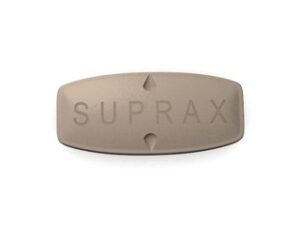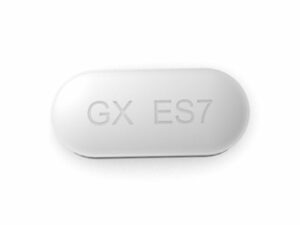


Xifaxan (Rifaximin) — Patient Guide (Australia)
Xifaxan is a brand of rifaximin, an oral antibiotic used to treat certain intestinal infections and gut-related conditions. This guide is written to help you understand how the medicine works, what it’s used for, how to take it safely, and what to consider with food, alcohol, and other medicines.
Please read this information along with the directions given by your healthcare professional and the product label. If you have questions or experience unusual symptoms, seek medical advice promptly.
Basic product information
| Item | Details |
|---|---|
| Medicine name | Xifaxan (rifaximin) |
| Drug class | Oral, non-systemic (poorly absorbed) antibiotic |
| Main action site | Intestinal lumen (gut) |
| Common dosage forms | Tablets (strength depends on product pack) |
| Typical dosing schedule | Often taken multiple times daily depending on the condition |
How Xifaxan (rifaximin) works (mechanism of action)
Rifaximin is an antibiotic that targets bacterial growth in the gut by binding to a bacterial enzyme called RNA polymerase. This helps stop bacteria from making essential proteins needed for survival and reproduction.
Because rifaximin is designed to act largely in the intestines and has minimal absorption into the bloodstream, it tends to have a local effect with fewer systemic effects than many antibiotics.
- Local antibacterial activity in the intestine
- Targets bacterial RNA production
- Limited systemic absorption (most stays in the gut)
Pharmacokinetics (how the body handles rifaximin)
Absorption: Rifaximin is poorly absorbed from the gastrointestinal tract. Most of the medicine remains in the intestinal lumen and is excreted via faeces.
Distribution: Because systemic absorption is low, rifaximin achieves low levels in the bloodstream compared with many other antibiotics.
Metabolism and excretion: Rifaximin is excreted primarily in faeces. Small amounts may be metabolised and eliminated via other routes, but overall exposure remains limited.
Clinical implication: This gut-focused profile means rifaximin is often preferred when the goal is to treat intestinal bacteria with minimal whole-body exposure.
What Xifaxan is used for (typical use and indications)
Rifaximin is used for specific gastrointestinal conditions. The exact approved/available indications may vary depending on local Australian product listings and clinical guidance.
- Traveller’s diarrhoea caused by certain bacteria, especially when it is likely to be bacterial in origin.
- Hepatic encephalopathy (HE) in people with liver disease, to help reduce episodes of confusion and altered mental state related to liver dysfunction.
- Other bowel-related conditions may be treated with rifaximin depending on diagnosis and specialist direction.
If you’re using rifaximin for symptoms such as diarrhoea, fever, severe abdominal pain, blood or mucus in stool, or dehydration, it’s important to rule out conditions that require urgent care.
Timing: how to take rifaximin
Follow the dosing instructions provided with your pack or by your healthcare professional. Many rifaximin regimens are taken as several doses throughout the day.
- Try to take each dose at evenly spaced times.
- Keep taking it for the full course, even if you feel better sooner.
- Consistency matters: missing doses may reduce effectiveness.
If you are unsure about timing for your specific condition, ask a pharmacist to confirm how your dose schedule should be arranged through the day.
Food interactions (with meals)
Rifaximin can usually be taken with or without food depending on local product instructions. However, for best tolerability and adherence:
- If your stomach is sensitive, taking rifaximin with a meal or after food may reduce nausea or discomfort.
- Avoid large changes in eating patterns while you’re on treatment.
Because individual products can differ, check your specific Xifaxan pack instructions. If you have questions about whether to take it before or after meals, consult a pharmacist.
Alcohol and medicine interactions
Rifaximin is not typically associated with a direct “disulfiram-like” reaction with alcohol (as some older antibiotics can be). However, alcohol may worsen diarrhoea, dehydration, sleep, and overall recovery.
If you are taking rifaximin for hepatic encephalopathy or liver-related conditions, alcohol should generally be avoided because alcohol can significantly affect liver function and worsen neurological symptoms.
- General advice: Limit or avoid alcohol while taking rifaximin, especially if you have diarrhoea or liver disease.
- Be cautious with dehydration: Alcohol can increase fluid loss.
- Medication review: Always review your full medication list (including herbal products) with a pharmacist.
For any medicine interactions, the safest approach is to bring your current list of medications to a pharmacist for a personalised interaction check.
Drug–drug interactions (important safety considerations)
Rifaximin has a low level of systemic absorption, which may reduce the likelihood of many bloodstream interactions. That said, interactions can still occur depending on co-administered medicines and individual risk factors.
- Antibiotics and gut-active medicines: Combining treatments should be done under clinical direction to avoid unnecessary antibiotic exposure.
- Medicines affecting gut motility: If you use medicines for constipation or diarrhoea, discuss with a pharmacist whether timing adjustments are needed.
- Tell your pharmacist about: prescription medicines, over-the-counter products, supplements, and any herbal medicines.
If you experience side effects such as severe rash, swelling, or breathing difficulties, seek urgent care and stop the medicine until you’re advised otherwise.
Dosing: typical adult regimens (general information)
Doses vary depending on the condition being treated and the local product strength. The information below is intended as general education, not a substitute for the instructions on your pack or advice from a healthcare professional.
| Condition | Typical adult dosing (general) | Common course length |
|---|---|---|
| Traveller’s diarrhoea (bacterial causes) | Frequently prescribed as three times daily for a short course | Often around 3 days (may vary) |
| Hepatic encephalopathy | Often prescribed two to three times daily depending on regimen | Long-term prevention may be used under specialist direction |
| Other intestinal conditions | May depend on diagnosis and specialist plan | Variable |
Key dosing tips:
- Follow the exact strength on your pack—different strengths require different tablet numbers.
- Do not double up if a dose is missed unless your pharmacist advises you to.
- If you miss a dose, take it when you remember if it’s close to the next scheduled dose; otherwise skip and continue as directed.
Practical use tips (to get the best results)
- Start on time: When appropriate for your condition, begin the course promptly as advised.
- Hydration matters: If you have diarrhoea, drink fluids to avoid dehydration. Consider an oral rehydration solution if recommended.
- Maintain hygiene: If you’re treating infectious diarrhoea, wash hands frequently and stay hydrated.
- Observe symptom changes: Note improvements in stool frequency/urgency, and any new symptoms such as rash, severe pain, or fever.
- Finish the course: Completing treatment helps reduce the chance of relapse.
- Avoid unnecessary antibiotic use: Do not reuse leftover tablets for future illnesses without medical advice.
Safety profile: side effects and when to seek help
Many people tolerate rifaximin well. However, side effects can occur. Below is a patient-friendly summary of commonly reported and serious risks.
Common or mild side effects
- Nausea or mild stomach discomfort
- Headache
- Abdominal pain or bloating
- Gas
- Mild diarrhoea or constipation changes (may vary by condition and baseline symptoms)
Serious side effects (seek urgent medical help)
Stop treatment and seek urgent care if you experience:
- Allergic reaction: swelling of the face/lips, hives, severe rash, or difficulty breathing
- Severe or worsening diarrhoea, especially if watery and persistent, or if there is blood/mucus
- Signs of dehydration: dizziness, fainting, very low urine output, extreme weakness
- Severe abdominal pain or persistent fever
- Unusual bruising or bleeding (rare; discuss promptly)
If symptoms are severe or rapidly worsening, don’t wait—get medical attention immediately.
Who should take extra care
- People with known drug allergies
- People with significant liver disease (requires ongoing monitoring for hepatic conditions)
- People taking multiple medicines (for interaction checks)
- Older adults or anyone with dehydration risk during diarrhoea illnesses
Diarrhoea, improvement expectations, and red flags
If you’re using rifaximin for diarrhoea, you may start to notice improvement within a day or two for many bacterial causes, but response varies.
- Contact a healthcare professional if symptoms do not improve as expected.
- Seek urgent care if you have high fever, blood in stool, severe abdominal pain, or signs of dehydration.
Persistent or severe diarrhoea can have causes other than bacterial infection (including viral illness, inflammatory bowel conditions, or medication-related diarrhoea).
Alternative options (if rifaximin isn’t suitable)
Alternatives depend heavily on the underlying diagnosis, local guidelines, resistance patterns, and your medical history. A pharmacist or clinician can help choose the safest option.
For diarrhoea (general alternatives)
- Oral rehydration therapy (important regardless of antibiotic choice)
- Other antibiotics may be considered for specific bacterial causes (choice varies by region and guidelines)
- Supportive care such as anti-nausea measures when appropriate
For hepatic encephalopathy (general alternatives)
- Lactulose is commonly used to manage HE and may be used alone or in combination
- Other gut-targeted strategies may be recommended based on clinical assessment
Do not switch treatments without guidance, particularly in liver-related conditions.
Market and legal context in Australia (patient overview)
In Australia, medicines are regulated under the national medicines framework. Availability can vary by brand, strength, and indication. Health professionals may use local medicines listings and clinical guidelines when recommending rifaximin for appropriate conditions.
Where antibiotic therapy is needed, the emphasis is generally on responsible antimicrobial use to help limit resistance and improve outcomes.
- Medicines regulation: Australian regulatory requirements apply to quality, supply and labelling.
- Antibiotic stewardship: Appropriate use and correct course completion are important.
- Clinical appropriateness: Indications, dosing, and duration should match your diagnosis.
Availability for specific strengths and pack sizes may change over time. Your pharmacy can confirm what’s currently stocked and how delivery works.
Recent guidance and clinical considerations (high-level)
Clinical approaches to diarrhoea and hepatic encephalopathy evolve as new evidence emerges and as resistance patterns change. In many settings, guidance emphasises:
- Correct patient selection for rifaximin based on the most likely cause.
- Supportive care (hydration, symptom monitoring) alongside antibiotic treatment where needed.
- Limiting unnecessary antibiotic exposure to reduce resistance.
- Monitoring for treatment response and adverse effects.
If you are unsure whether rifaximin is the right choice for your situation, ask a pharmacist to explain the reasoning based on your symptoms and history.
Delivery and availability (online pharmacy Australia)
Availability of Xifaxan may depend on demand, supply chain timing, and pack options. Many Australian online pharmacies provide:
- Clear product details (strength, pack size, expiry information where provided)
- Estimated delivery times displayed at checkout
- Secure packaging to protect tablets during transit
- Customer support for dosing questions and order tracking
Delivery timelines can vary by location (metro vs regional). If you need your medicine by a specific date, choose the fastest available shipping option at checkout or contact customer support.
Storage: Keep tablets in a cool, dry place away from moisture and direct sunlight, and store in the original pack when possible. Keep out of reach of children.
FAQ (Frequently asked questions)
1) What is Xifaxan (rifaximin) used for?
Xifaxan (rifaximin) is used for specific gut-related conditions such as certain types of traveller’s diarrhoea and for hepatic encephalopathy in people with liver disease, depending on the clinical situation and local availability.
2) How quickly should I feel better?
Many people notice improvement within a day or two for diarrhoea caused by susceptible bacteria, but it can vary. If you don’t improve as expected, or symptoms worsen, seek advice.
3) Can I take rifaximin with food?
In general, rifaximin may be taken with or without food. If your stomach feels sensitive, taking it with a meal can help. Always follow your pack instructions.
4) Should I avoid alcohol while taking Xifaxan?
It’s generally best to limit or avoid alcohol during treatment, especially if you’re dealing with diarrhoea or liver disease. Alcohol can worsen symptoms and affect recovery.
5) What if I miss a dose?
Take it when you remember unless it’s close to the next scheduled dose. Don’t double up. If you’re unsure, ask a pharmacist for guidance.
6) Are there interactions with other medicines?
Interactions can occur, even with medicines that are poorly absorbed. Provide your pharmacist with a list of everything you take (including supplements and herbal products) so they can check for compatibility.
7) Can rifaximin cause allergic reactions?
Yes, any medicine can cause allergy. Seek urgent help if you develop hives, swelling of the face or throat, or breathing problems.
8) What side effects should worry me?
Seek urgent care for severe or worsening diarrhoea, blood in stool, high fever, severe abdominal pain, signs of dehydration, or an allergic reaction.
9) Is rifaximin safe for long-term use?
Long-term use may be appropriate for certain conditions (such as hepatic encephalopathy) under specialist direction. Ongoing monitoring for symptoms and side effects is important.
10) Are there alternatives to Xifaxan?
Alternatives depend on your diagnosis. For diarrhoea, supportive care and sometimes other treatments may be considered. For hepatic encephalopathy, other gut-targeted medicines (such as lactulose) may be used depending on your situation.
Important: If you think you may have a severe infection, dehydration, or symptoms such as blood in stool, high fever, or severe abdominal pain, seek medical care immediately.