

Rifaximin (Rifaximin) — Patient-Friendly Guide
Rifaximin is an antibiotic medicine used to treat certain gut-related conditions, particularly those involving bacterial overgrowth or specific intestinal infections. It is designed to act mostly within the digestive tract, with minimal absorption into the bloodstream. This helps target the source of symptoms while reducing exposure of the rest of the body to the antibiotic.
This page provides practical, easy-to-understand information about how rifaximin works, when it’s used, how it’s taken, and what to expect. It also covers safety considerations, food interactions, medicine interactions, alcohol considerations, and what’s available in Australia.
Quick Facts
- Medicine name: Rifaximin (rifaximin)
- Type: Antibiotic
- Where it works: Primarily in the intestines (very low systemic absorption)
- Common uses: Traveller’s diarrhoea (non-invasive), hepatic encephalopathy episodes/maintenance in eligible patients, and diarrhoea related to certain gut bacterial conditions depending on local clinical guidance
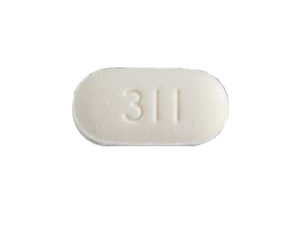
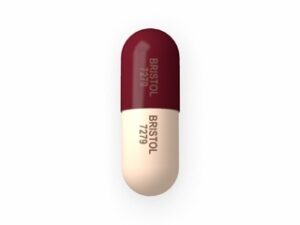
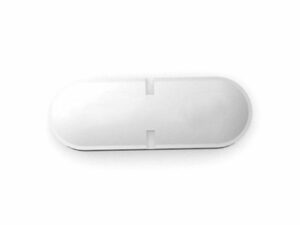
- Form: Oral tablets (strength depends on brand/product)
- Typical dosing: Varies by indication; follow the directions provided with your product
Basic Product Information
| Category | Information |
|---|---|
| Active ingredient | Rifaximin |
| Medicinal class | Antibiotic (rifamycin class) |
| Route | Oral (by mouth) |
| Action in the body | Primarily local effect in the gastrointestinal tract; minimal absorption |
| Metabolism / elimination | Limited systemic metabolism; most drug action is local; excretion mainly via faeces |
| Availability | Availability depends on Australian market access and prescribing/dispensing pathways |
How Rifaximin Works (Mechanism of Action)
Rifaximin is a rifamycin antibiotic. It works by inhibiting bacterial DNA synthesis. More specifically, rifaximin interferes with the bacterial enzyme involved in DNA transcription, which helps stop bacterial growth and reduces harmful bacterial activity in the gut.
Because rifaximin is designed for poor absorption from the gastrointestinal tract, it concentrates its action where it’s needed—within the intestines.
Pharmacokinetics: What the Body Does With Rifaximin
“Pharmacokinetics” describes how the body absorbs, distributes, metabolises, and eliminates a medicine. For rifaximin, key points include:
- Absorption: Rifaximin is absorbed only to a small extent. Blood levels are typically low.
- Distribution: Due to low absorption, systemic distribution is limited.
- Metabolism: Extensive metabolism is not the main story; the medicine’s local gut activity predominates.
- Excretion: Drug and/or residues are eliminated mainly through the gastrointestinal tract, with faecal excretion being important.
- Implication: The low systemic exposure can mean fewer whole-body effects compared with some other antibiotics.
Typical Uses and Indications
Rifaximin is used in specific clinical situations where antibiotic treatment of the gut is appropriate. The exact use may depend on local clinical criteria and product labelling.
Common indications (examples)
- Hepatic encephalopathy: Used to help manage episodes of confusion and other neurological symptoms associated with liver disease, often in approved regimens.
- Traveller’s diarrhoea: Used for certain cases of infectious diarrhoea acquired during travel, particularly when caused by susceptible bacteria and when symptoms fit the relevant clinical profile.
- Other gut-related bacterial conditions: In some settings, rifaximin may be considered for conditions involving bacterial imbalance/overgrowth patterns as supported by clinical evidence and local guidance.
If you are unsure whether rifaximin is appropriate for your symptoms, it’s important to discuss the cause of diarrhoea or gut symptoms with a healthcare professional. Red flags such as high fever, severe abdominal pain, blood in stool, dehydration, or worsening symptoms require prompt medical assessment.
Dosing: General Principles
Rifaximin dosing depends on the condition being treated and the product strength. Do not use a dose meant for one indication for another without appropriate medical direction. Always use the dose and schedule provided with your rifaximin product in Australia.
Common dosing patterns (illustrative)
- Traveller’s diarrhoea: Treatment is often short course (commonly taken multiple times per day for a set number of days).
- Hepatic encephalopathy: Treatment may be structured as a course and/or maintenance regimen, with dosing tailored to response and clinical follow-up.
Because dosing varies, the safest approach is to follow the dosing instructions on the package or provided by your treating clinician. If you have the product strength and indication, you can match it to the instructions supplied with that product.
Timing: When and How Often to Take Rifaximin
Rifaximin is usually taken at regular intervals so that there is consistent exposure in the intestines over the day. Spacing doses evenly can help maintain steady antibacterial activity.
- Use a routine: Choose times that fit your day (e.g., morning, midday, evening).
- Don’t double up: If you miss a dose, take it when you remember unless it’s close to the next dose. Do not take two doses at once.
- Complete the course: If you start rifaximin, completing the full prescribed/labelled course helps reduce the chance of symptoms returning or not clearing.
Food Interactions: Can You Take It With Meals?
Rifaximin can generally be taken with or without food. However, tolerance varies between individuals. Taking it with a meal may help if you experience mild stomach discomfort.
Practical tips with food
- If you take rifaximin with food, keep timing consistent across doses.
- If you take it without food, ensure you can maintain the same schedule daily.
- For diarrhoea, continue hydration (water and oral rehydration solutions are often recommended).
If your product-specific leaflet includes particular meal timing guidance, follow that guidance.
Alcohol and Medicine Interactions
Rifaximin is not commonly associated with direct “alcohol-antibiotic” reactions. However, alcohol may worsen dehydration and digestive symptoms, and it can be particularly risky in people with liver disease.
Alcohol considerations
- If you have liver disease: Avoid or minimise alcohol, as liver function is critical and alcohol can worsen the underlying condition.
- If you have diarrhoea: alcohol can increase dehydration and may worsen symptoms.
Other medicine interactions
Rifaximin has low systemic absorption, which may reduce the likelihood of broad interactions. Still, interactions can occur, particularly through enzymes or transport pathways. Tell your healthcare professional or pharmacist about all medicines you take, including:
- Prescription and over-the-counter medicines
- Herbal products
- Supplements (e.g., iron, magnesium, probiotics)
- Recent antibiotics
If you’re taking medicines that affect liver metabolism or intestinal transport, it’s especially important to confirm compatibility with your healthcare team. Your pharmacist can check interaction risks for the specific rifaximin product and your personal medicine list.
Safety Profile: Side Effects and When to Seek Help
Rifaximin is generally well tolerated for many patients when used appropriately. As with all medicines, side effects can occur. Most are mild and resolve after completing treatment.
Common or mild side effects
- Nausea
- Abdominal discomfort or stomach upset
- Constipation or changes in stool
- Headache
- Flatulence
Seek urgent medical help if you experience
- Allergic reaction signs such as rash, swelling of lips/face, wheezing, or severe itching
- Severe or persistent diarrhoea, especially if watery or with blood/mucus
- Signs of dehydration (dizziness, very dry mouth, reduced urine output)
- Severe abdominal pain or fever
- Worsening confusion or neurological symptoms (particularly in liver disease)
Important safety note: antibiotic-associated diarrhoea
Like other antibiotics, rifaximin can occasionally be associated with diarrhoea due to overgrowth of non-susceptible organisms. If diarrhoea becomes severe, persistent, or includes blood, contact a healthcare professional promptly.
Practical Use Tips (How to Get the Best Experience)
- Hydration first: If treating diarrhoea, focus on fluids and consider oral rehydration solution (ORS).
- Track symptoms: Note the number of stools, any fever, abdominal pain, and overall wellbeing to help assess improvement.
- Don’t stop early: Even if you feel better, complete the course unless instructed otherwise.
- Maintain a consistent schedule: Use reminders (phone alarms) to take doses at the right times.
- Keep packaging: Save the box or label to confirm strength and dosing if you have questions.
- Ask about probiotics: Some people use probiotics alongside antibiotics. Evidence varies by condition; ask a pharmacist if a product is appropriate for you.
What to Expect: Symptom Relief Timeline
Many people begin to notice improvement within 24–48 hours after starting an appropriate course for diarrhoea-related infections. In hepatic encephalopathy regimens, improvement may be gradual and requires monitoring for mental status changes.
If symptoms are not improving or are worsening, seek medical advice. Persistent diarrhoea may require further evaluation, stool testing, or an alternative treatment plan.
Alternative Options
The best alternative depends on the underlying cause of symptoms, local resistance patterns, and your medical history. Below are common alternatives clinicians may consider for gut-related bacterial conditions:
Possible alternatives (examples)
- Other antibiotics used for traveller’s diarrhoea or specific bacterial infections (choice depends on local guidelines and susceptibility).
- Symptomatic treatments for diarrhoea, such as rehydration strategies and anti-motility medicines in selected cases (not suitable for invasive diarrhoea with fever or blood).
- Lactulose or other therapies in hepatic encephalopathy depending on clinical context.
- Dietary and supportive approaches (e.g., hydration, avoiding triggers, nutrition support).
Your healthcare professional can advise which option fits best. Avoid self-switching antibiotics, as the most suitable choice depends on whether the diarrhoea/infection is non-invasive, invasive, or related to an underlying condition.
Rifaximin and Recent Guidance (Australia)
Treatment recommendations can evolve as new evidence becomes available. In Australia, clinicians commonly follow:
- Local prescribing guidance and product information
- Antimicrobial stewardship principles to minimise unnecessary antibiotic use
- Specialist liver disease guidance for hepatic encephalopathy management
- Traveller’s diarrhoea advice focusing on hydration, targeted antibiotic use when appropriate, and assessing severity
If you are seeking rifaximin for a specific diagnosis, confirm the indication aligns with current clinical guidance and product information. Your pharmacist can also help verify that the medicine matches the intended purpose.
Market and Legal/Regulatory Context in Australia
Medicine supply and classification in Australia are governed by the Australian Register of Therapeutic Goods (ARTG) and the Poisons Standard, along with state and territory pharmacy regulations. Requirements for supply can vary based on whether a medicine is prescription-only, pharmacist-only, or requires special dispensing rules.
For online pharmacy purchases, orders typically follow Australian compliance requirements including verification steps where needed and documentation checks as required by law. Availability can also vary depending on product listing status, stock, and regional shipping conditions.
Delivery and Availability
Availability of rifaximin may vary between brands and strengths. When ordering from an online pharmacy:
- Check product details: Confirm the strength (e.g., number of milligrams per tablet) and pack size.
- Estimated delivery: Delivery times depend on location and courier schedules.
- Temperature protection: Most oral tablets do not require refrigeration, but store as directed on the packaging.
- Stock status: If an item is temporarily out of stock, some pharmacies may offer alternatives or backorder options.
If you need your medicine urgently (for example, for an acute episode), contact customer support to confirm stock and delivery timelines.
Storage Tips
- Store at room temperature unless the label states otherwise.
- Keep in the original packaging to protect from moisture and to identify the product.
- Keep out of reach of children.
- Do not use after the expiry date on the pack.
FAQ About Rifaximin
1) Is rifaximin the same as rifampicin?
No. Rifaximin and rifampicin are different medicines within the rifamycin class. They differ in absorption, indications, and clinical use. Always confirm the active ingredient on your product.
2) How quickly should I feel better?
For many types of diarrhoea related to susceptible gut bacteria, improvement can occur within 24–48 hours. If you are not improving after a reasonable timeframe, or if symptoms worsen, seek medical advice.
3) Can I take rifaximin with food?
Often yes. Many patients can take rifaximin with or without food. If you find it upsets your stomach, try taking it with a meal, while keeping your dosing times consistent.
4) What if I miss a dose?
Take it when you remember unless it’s close to the next dose. Do not take two doses together to make up for a missed dose.
5) Is it safe to drink alcohol while taking rifaximin?
There isn’t usually a direct hazardous interaction with alcohol, but alcohol may worsen diarrhoea or be unsafe for people with liver disease. If you have hepatic conditions or ongoing diarrhoea, it’s best to avoid alcohol.
6) What side effects are common?
Mild gastrointestinal effects such as nausea, stomach discomfort, changes in stool, or headache can occur. Contact a healthcare professional if side effects are severe or persistent.
7) When should I stop and get medical help?
Seek urgent medical help for signs of allergy (rash, swelling, breathing difficulty) or if diarrhoea becomes severe, includes blood/mucus, or you feel significantly unwell, especially with fever or dehydration.
8) Can rifaximin be used repeatedly?
Some treatment strategies (such as certain liver disease regimens) may involve repeated or maintenance courses. Whether repeat use is appropriate depends on your condition, response, and clinical monitoring.
9) Do I need stool tests or other tests?
It depends on your symptoms. For severe, persistent, or unusual diarrhoea, testing may be recommended to identify the cause and guide targeted treatment.
10) Are there alternatives if rifaximin isn’t suitable?
Yes. Alternatives may include different antibiotics (based on likely cause and local guidance) or supportive treatments for diarrhoea. For hepatic encephalopathy, other therapies may be used. A pharmacist or clinician can advise based on your situation.
When to Speak With a Healthcare Professional
Consider professional advice if you have:
- Severe diarrhoea, blood in stool, or high fever
- Signs of dehydration
- Existing liver disease or worsening confusion
- Symptoms that do not improve or keep returning
- Other significant medical conditions or complex medication lists
This information is intended to support patient understanding and does not replace personalised medical advice. Always follow the product instructions provided with your rifaximin supply.