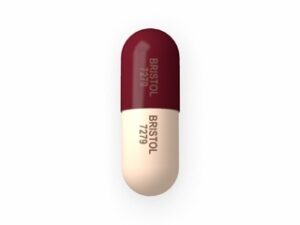
Vibramycin (Doxycycline) — Patient Information (Australia)
Vibramycin is a brand of doxycycline, an antibiotic in the tetracycline class. It’s used to treat a range of common bacterial infections and some specific conditions where doxycycline is recommended. This guide is designed to be patient-friendly and explain how the medicine works, how to use it safely, and what to expect.
Important: Always follow the instructions provided by your doctor or healthcare professional. If anything in this page doesn’t match your personal plan, use the advice you were given for your situation.
Quick product overview
| Item | Details |
|---|---|
| Medicine | Vibramycin |
| Active ingredient | Doxycycline (tetracycline antibiotic) |
| Common forms | Capsules or tablets (form and strength can vary by product) |
| Typical role | Treats susceptible bacterial infections; also used for selected specific infections |
| How it works | Stops bacteria from making proteins needed for growth |
| Key safety notes | Sun sensitivity, stomach irritation, interactions with certain medicines, and special precautions in pregnancy/children |
What is doxycycline and how does Vibramycin work?
Doxycycline is a broad-spectrum antibiotic. It works by interfering with the bacteria’s ability to produce proteins. Without these proteins, bacteria cannot grow and multiply effectively, allowing the immune system to clear the infection.
More specifically, doxycycline binds to the bacterial ribosome and blocks protein synthesis. Depending on the organism and site of infection, it may act in a way that prevents further bacterial growth and spread.
Mechanism of action (simple summary)
- Targets: Bacterial protein-making machinery (ribosomes)
- Effect: Prevents bacteria from producing essential proteins
- Result: Helps control and clear bacterial infection
Pharmacokinetics: how the body absorbs and handles doxycycline
Pharmacokinetics describes how the medicine is absorbed, distributed, metabolised, and eliminated. While individual responses vary, doxycycline generally has the following characteristics:
- Absorption: Doxycycline is absorbed from the gastrointestinal tract. Absorption can be reduced by certain minerals and some antacids.
- Food effects: It can generally be taken with food if it upsets your stomach; however, very high intake of dairy or mineral supplements around dosing may reduce absorption.
- Distribution: It spreads into body tissues and fluids, which is why it can be used for different infection sites.
- Metabolism: Doxycycline is processed by the body partially through hepatic pathways.
- Excretion: It is eliminated via the kidneys and also through bile/feces.
Your dosing schedule and any interaction precautions are designed to achieve reliable levels of the medicine in the body.
Typical uses and indications
Doxycycline may be used for a variety of infections where it is appropriate. Indications can vary by local guidelines and individual circumstances. Common reasons include:
- Respiratory tract infections caused by susceptible bacteria
- Skin and soft tissue infections caused by susceptible organisms
- Acne in selected patients (as determined by your clinician)
- Some sexually transmitted infections where doxycycline is recommended by guidelines
- Treatment of certain tick-borne or travel-related infections (based on the situation and clinician advice)
Doxycycline is effective only when the infection is caused by susceptible bacteria. If symptoms do not improve within the expected timeframe, you may need reassessment.
When doxycycline is not helpful
- Viral illnesses: Antibiotics do not treat viruses such as influenza or most colds.
- Resistant organisms: Some bacteria are resistant, which may reduce effectiveness.
- Incorrect diagnosis: Similar symptoms can have different causes.
How to take Vibramycin: dosing and timing
Dosing depends on the infection being treated, your age, kidney and liver function, and local clinical guidance. Follow the exact dosing schedule given for you.
General timing principles
- Consistency: Try to take it at the same times each day.
- Spacing: If you take multiple doses per day, keep spacing even (for example, morning and evening).
- Finish the course: Even if you feel better, complete the course as directed.
Practical administration tips
- Take with a full glass of water to reduce the risk of irritation/esophageal discomfort.
- Stay upright (sitting or standing) for at least 30 minutes after swallowing.
- If stomach upset occurs: Taking the dose with food may help. Avoid lying down immediately after dosing.
Typical adult dosing (example ranges)
The exact dose varies by indication and product strength. Common regimens in practice include once-daily or twice-daily schedules for certain conditions. Your pharmacist or doctor will confirm the correct plan for your prescription.
Note: This page is informational. Always use your labelled dose and instructions.
Food interactions: what to watch
Doxycycline absorption can be affected by certain foods and supplements. The aim is to reduce binding of doxycycline to minerals in the gut.
Common food/supplement interactions
- Calcium (e.g., high-calcium supplements or very large amounts of dairy taken right with a dose) may reduce absorption.
- Iron supplements can significantly reduce absorption—separate by an appropriate interval.
- Magnesium, aluminium (often in antacids) can reduce effectiveness.
- Multivitamins containing minerals may reduce absorption if taken too close together.
What you can usually do
- If you need antacids or mineral supplements, ask your pharmacist for the best separation time.
- Taking doxycycline with food is often acceptable if it reduces nausea—just avoid taking mineral supplements at the same time.
- Maintain hydration and take the tablet/capsule with a full glass of water.
Alcohol and doxycycline: is it safe?
Moderate alcohol use is not usually the primary reason doxycycline is avoided, but alcohol can still affect how you feel and may worsen side effects such as stomach upset or dizziness in some people. Alcohol can also interfere with recovery from illness.
- Best practice: Limit alcohol while taking antibiotics, especially if you notice increased nausea, reflux, or fatigue.
- Do not increase dose: Avoid “balancing” symptoms by altering your antibiotic plan.
- If you drink heavily: You should discuss your situation with a clinician, as it may increase health risks.
If you have liver disease or take medicines that affect the liver, seek tailored advice from a healthcare professional.
Medicine interactions: important examples
Doxycycline can interact with other medicines and supplements. Some interactions reduce doxycycline’s effectiveness, while others may increase side effects.
Common interaction categories
- Antacids and mineral supplements (containing aluminium, magnesium, calcium, iron, zinc): may reduce absorption.
- Oral retinoids (vitamin A derivatives such as isotretinoin or acitretin in some settings): may increase risk of certain side effects like raised pressure in the skull.
- Seizure medicines (some anticonvulsants) and some other liver enzyme inducers: may reduce doxycycline levels.
- Blood thinners (e.g., warfarin): antibiotics can sometimes increase bleeding risk; monitoring may be needed.
- Diuretics (water tablets) in certain cases: may change electrolyte balance in susceptible individuals.
How to reduce interaction risk
- Tell your pharmacist about all medicines and supplements you use, including vitamins, herbal products, and “over-the-counter” items.
- Keep a list of what you take and review it before starting doxycycline.
- Ask about spacing if you take minerals/antacids.
Safety profile: side effects and when to seek help
Most people tolerate doxycycline well, but side effects can occur. Some effects are mild and resolve as your body adjusts. Others require urgent medical attention.
Common side effects
- Nausea
- Stomach upset or mild abdominal discomfort
- Heartburn or reflux
- Diarrhoea (mild)
- Headache
- Vaginal yeast symptoms or other mild changes in flora (in some people)
Less common but important risks
- Sun sensitivity (photosensitivity): you may burn more easily or develop a rash after sun exposure.
- Esophageal irritation: risk increases if the tablet/capsule is taken with insufficient water or you lie down soon after.
- Allergic reactions: seek help if you develop hives, swelling, breathing difficulty, or severe rash.
- Severe diarrhoea: persistent watery or bloody diarrhoea needs prompt medical assessment.
- Yeast overgrowth: mouth thrush or other yeast symptoms may occur, especially after multiple doses.
Seek urgent medical advice if you experience
- Severe allergic symptoms (swelling of face/lips, trouble breathing)
- Severe or persistent diarrhoea, especially with fever or blood
- Severe skin rash with blistering or peeling
- Severe headache with visual changes or neurological symptoms
- Severe chest pain or difficulty swallowing
Who should be cautious?
Doxycycline may not be suitable for everyone. Extra caution is needed in certain groups.
Pregnancy and breastfeeding
Tetracyclines have special considerations. Discuss the risks and benefits with your healthcare professional if you are pregnant or breastfeeding.
Children
Doxycycline may be avoided in young children in many circumstances due to effects on teeth and other considerations. Your clinician will determine whether benefits outweigh risks for a specific condition.
Liver or kidney conditions
Doxycycline is handled by the body through multiple pathways. People with significant liver disease should seek medical advice, as safety can depend on overall health and other medicines being used.
Practical use tips (to get the best results)
Reduce irritation
- Take with a full glass of water.
- Remain upright for at least 30 minutes after swallowing.
- Consider taking with food if you get nausea.
Prevent sunburn
- Avoid strong sun exposure where possible.
- Use sunscreen and protective clothing.
- Be alert for a rash after outdoor activity.
Improve adherence
- Use a reminder on your phone for dosing times.
- If you miss a dose, take it when you remember unless it’s close to the next dose—then skip the missed one rather than doubling.
- Keep your tablets/capsules in a cool, dry place away from moisture.
Monitor progress
- Some infections improve within 24–72 hours, depending on the condition.
- If you don’t improve or you worsen, contact your clinician for review.
Alternative options
The best alternative depends on the infection type, the bacteria likely involved, your allergy history, and local antibiotic guidance. If doxycycline is unsuitable, clinicians may consider other antibiotics or non-antibiotic strategies depending on diagnosis.
Possible alternative antibiotics (examples)
- Amoxicillin or other penicillins (for susceptible organisms/indications)
- Azithromycin or clarithromycin (macrolide options in some situations)
- Ciprofloxacin or other fluoroquinolones (selected cases only due to risk profile)
- Trimethoprim-sulfamethoxazole (in certain infections, depending on susceptibility)
- Topical treatments or specific regimens for acne (depending on severity)
If you’re considering alternatives, discuss them with your pharmacist or doctor—especially if you have allergies, kidney/liver conditions, or previous side effects with antibiotics.
Vibramycin in Australia: market and legal context
In Australia, antibiotics are regulated to support safe and effective use. The availability, supply process, and required healthcare assessment depend on how the product is classified under Australian rules and current health guidance.
Antibiotic stewardship is a key focus in Australia. This means antibiotics should be used only when they are appropriate and taken exactly as directed to reduce antibiotic resistance and side effects.
Recent guidance and stewardship themes (general)
- Use antibiotics based on the most likely cause and local resistance patterns.
- Reassess if there is no improvement within expected timelines.
- Consider the narrowest effective antibiotic for the shortest effective duration.
- Avoid antibiotics for viral infections.
For the most up-to-date national guidance, consult reputable Australian health sources (such as guidance provided by Australian health authorities and professional societies) and your treating clinician.
Delivery and availability (online pharmacy)
Availability varies by brand and product strength, and stock may change. When ordering online in Australia, you’ll typically be able to choose delivery options based on your location and the pharmacy’s dispatch schedules.
What to check when placing an order
- Product form and strength: Ensure the dose matches what you were advised.
- Expiry date: Choose items with a reasonable remaining expiry period.
- Delivery timeframe: Confirm estimated delivery and any courier limitations.
- Packaging: Medicines should arrive in appropriate protective packaging.
If you have questions about stock, dispatch, or delivery times, you can usually contact the pharmacy support team before placing an order.
FAQ — Common questions about Vibramycin (Doxycycline)
1) How long does it take for Vibramycin to start working?
Many infections begin to improve within 24–72 hours. Some symptoms (such as cough or skin irritation) may take longer. If you’re not improving or you worsen, seek medical review.
2) Can I take Vibramycin with food?
Yes, taking it with food can help reduce nausea. Avoid taking mineral supplements (like iron or zinc) at the same time. If you’re unsure about spacing, ask a pharmacist.
3) What should I do if I miss a dose?
Take it as soon as you remember unless it’s close to the time of your next dose. In that case, skip the missed dose. Do not double up.
4) Is it safe to drink alcohol while taking doxycycline?
Moderate alcohol isn’t always strictly contraindicated, but alcohol may worsen side effects like stomach irritation and delay recovery. It’s generally best to limit alcohol while you’re unwell and while taking the antibiotic.
5) Why do I need to stay upright after swallowing the tablet?
Doxycycline can irritate the oesophagus. Staying upright for at least 30 minutes and taking it with plenty of water helps reduce this risk.
6) Can I take antacids or calcium supplements?
Some antacids and mineral supplements can reduce doxycycline absorption. Ask your pharmacist about the best time separation. In many cases, spacing the doses by several hours is recommended, but the exact interval depends on the products used.
7) Will Vibramycin cause sun sensitivity?
It can. Use sunscreen, wear protective clothing, and avoid prolonged sun exposure. Contact a clinician if you develop a significant rash or blistering.
8) What if I get severe diarrhoea?
Severe or persistent diarrhoea—especially if it’s watery or contains blood, or if you have fever—needs prompt medical assessment. Do not self-treat without advice.
9) Are there alternatives if I can’t tolerate doxycycline?
Yes. Alternatives depend on the infection and your history. Options may include other antibiotic classes or non-antibiotic treatments. Discuss suitable alternatives with your pharmacist or doctor.
10) Can I use Vibramycin for acne?
Doxycycline may be used for acne in selected patients. Acne treatment plans often include additional therapies. Follow the regimen prescribed for your skin condition.
Summary
Vibramycin (doxycycline) is a tetracycline antibiotic used for a variety of bacterial infections and selected specific conditions. It works by blocking bacterial protein synthesis. To get the best outcomes, take it at the recommended times, use a full glass of water, remain upright after dosing, and manage common interactions—especially with antacids and mineral supplements.
If you experience severe side effects or your symptoms do not improve, seek medical advice promptly.