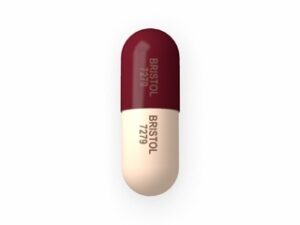


Nitrofurantoin (Nitrofurantoin Tablets/Capsules) – Patient Guide (Australia)
Nitrofurantoin is an antibiotic medicine used mainly for infections of the bladder (urinary tract infections, or UTIs). It is commonly prescribed in Australia for specific types of UTIs, particularly uncomplicated infections that affect the lower urinary tract.
This guide explains how nitrofurantoin works, how it is used, what to expect, and important safety information. Always follow your healthcare professional’s instructions and the directions on the product label.
Basic product information
| Category | Details |
|---|---|
| Medicine type | Antibiotic (nitrofuran) |
| Common uses | Uncomplicated lower UTIs (bladder infections) |
| Common dosage forms | Tablets or capsules (including formulations designed for sustained action) |
| How it is taken | By mouth |
| Typical treatment length | Often 5–7 days for uncomplicated bladder infections (varies by product and local guidance) |
| Brands | Different brand names may be available; check the label for exact product and strength |
How nitrofurantoin works (mechanism of action)
Nitrofurantoin belongs to the nitrofuran class of antibiotics. In the body, it is converted into reactive compounds that attack bacterial components and interfere with essential processes.
- Targets bacterial enzymes and proteins involved in energy production and other vital functions.
- Damages bacterial cell structures and inhibits growth.
- Acts mainly against susceptible organisms commonly associated with bladder infections, including many strains of Escherichia coli.
Because nitrofurantoin is designed to achieve high concentrations in urine, it is most effective for infections in the urinary tract where drug levels can be high.
Pharmacokinetics: what the body does to nitrofurantoin
Pharmacokinetics describes how the medicine is absorbed, distributed, metabolised, and eliminated.
- Absorption: Nitrofurantoin is absorbed from the gastrointestinal tract. How well it is absorbed may depend on formulation and whether it is taken with food.
- Distribution: The medicine is distributed through the body but is particularly useful because it achieves therapeutic levels in the urine.
- Metabolism: It is partially metabolised in the body.
- Excretion: Most of the antibacterial activity is delivered via kidney excretion into urine.
- Urinary concentration: High urinary concentrations support its use for bladder infections.
Kidney function matters: If kidney function is reduced, adequate levels in urine may not be reached and side effects may be more likely. Product information typically includes guidance on use in patients with impaired renal function.
Typical use: when nitrofurantoin is used
Nitrofurantoin is used for lower urinary tract infections, especially uncomplicated cystitis (bladder infection). It may be chosen when the likely bacteria are expected to be susceptible and when the infection is confined to the bladder.
It is generally not intended for:
- Infections of the kidneys (pyelonephritis)
- Severe systemic infections
- Complicated UTIs where other factors are present (for example, some forms of obstruction or persistent infection)
If you are unsure whether your symptoms match a bladder infection, it’s important to seek medical advice promptly—especially if you have fever or feel very unwell.
Timing and how to take it
Exact dosing and timing depend on your specific prescription, local product instructions, and the formulation (for example, regular vs modified release). The following are general practical principles.
When to take nitrofurantoin during the day
- Take it at the same times each day to keep antibiotic levels steady.
- Space doses evenly across the day (for example, morning and evening) unless your label instructs otherwise.
- Do not skip doses. If you miss a dose, follow the label guidance or call your pharmacist for advice.
How long to take it
Many uncomplicated bladder infections are treated for around 5–7 days, but some regimens may vary. Finish the full course unless your clinician tells you to stop—stopping early can increase the chance of recurrence.
Food interactions and absorption
Nitrofurantoin is commonly recommended to be taken with food (or immediately after food) to improve absorption and reduce stomach upset.
- Take with meals if instructed on the label or by your healthcare professional.
- If it causes nausea, taking it with food may help.
- Avoid taking it on an empty stomach unless your specific product instructions say otherwise.
Hydration: Drink adequate fluids unless you have been told to restrict fluids due to another medical condition. Hydration can help support urine flow.
Alcohol and medicine interactions
Alcohol
There is no universal “safe” amount of alcohol during antibiotic therapy for everyone, but alcohol can worsen side effects such as nausea, dizziness, and stomach irritation.
- Best approach: Avoid or limit alcohol while taking nitrofurantoin, especially if you feel unwell.
- If you choose to drink, do so cautiously and monitor for increased side effects.
Other medicine interactions
Interactions can occur with other medicines, particularly those affecting kidney function or urine acidity, and with certain medicines that may alter bleeding risk.
Please check your medicines with a pharmacist or review your product information. Common considerations include:
- Medicines that reduce kidney function: If kidney function is reduced, nitrofurantoin may not work as well and side effects may be more likely.
- Medicines that affect uric acid and urine pH: Some drugs can change urine characteristics, which may affect nitrofurantoin effectiveness.
- Antacids containing magnesium trisilicate: These may reduce absorption for some nitrofurantoin products. Discuss with a pharmacist if you use antacids frequently.
- Probenecid and similar agents: These may affect renal excretion of nitrofurantoin, potentially reducing urinary antibacterial levels.
- Other antibiotics and overlapping therapies: Combining antibiotics is not usually necessary for uncomplicated cystitis unless specifically advised.
Important: Tell your pharmacist about all medicines, including over-the-counter products and herbal supplements.
Indications: what nitrofurantoin is used for
In Australia, nitrofurantoin is commonly indicated for:
- Uncomplicated lower urinary tract infections (cystitis)
- Recurrent UTIs in selected patients, sometimes as part of an individualised plan
It may be considered for other scenarios based on clinical assessment and local antimicrobial guidance.
Not for every UTI: Some UTIs require different antibiotics, different durations, or further investigations. Seek timely care if symptoms are severe or not improving.
Dosing: general information
Because different products and strengths exist, dosing must match the specific nitrofurantoin formulation and your clinician’s plan. Always follow the dose on the label.
Typical adult regimens (general overview)
Common regimens for uncomplicated cystitis include dosing such as 50 mg four times daily or 100 mg twice daily, depending on the product and formulation. Some modified-release formulations may be dosed differently.
Key points:
- Use the exact strength and frequency stated on your packaging.
- Do not adjust the dose yourself.
- If you have kidney disease, dosing may need adjustment or may not be appropriate—discuss with a pharmacist.
Children and special populations
Use in children should follow age-appropriate dosing guidance from product information and clinical direction. For pregnant or breastfeeding patients, the decision to use nitrofurantoin depends on trimester, risk factors, and local guidance—discuss with a healthcare professional.
Safety profile: common and serious side effects
Most people tolerate nitrofurantoin well when used appropriately. However, it can cause side effects ranging from mild to rare but serious.
Common side effects
- Nausea or mild stomach upset
- Headache
- Dizziness
- Loss of appetite
Taking nitrofurantoin with food may help reduce gastrointestinal upset.
Urinary tract symptom changes
Symptoms of uncomplicated cystitis often begin to improve within 24–48 hours, though complete resolution may take a few days. If symptoms worsen or do not improve after a couple of days, seek advice.
Serious or urgent warnings (seek medical help promptly)
Stop and seek urgent medical advice if you develop signs of a serious reaction or complications, such as:
- Allergic reaction: swelling of the face/lips, difficulty breathing, widespread rash, or hives
- Severe skin reactions: blistering, peeling skin, or sores in the mouth
- Lung or breathing problems (rare), such as persistent cough, shortness of breath, or chest pain
- Signs of liver problems (rare), such as yellowing of the eyes/skin, dark urine, or severe fatigue
- Unusual numbness/tingling or symptoms suggesting nerve problems (rare)
Rare adverse reactions are more likely with prolonged use. If your therapy is extended or you have ongoing exposure, discuss monitoring with your healthcare provider.
Practical use tips
- Start promptly: Begin your doses as advised once you have the medicine and can take it safely.
- Take with food: Helps absorption and reduces stomach upset for many people.
- Drink fluids: Unless you’ve been told to restrict fluids, adequate hydration can support recovery.
- Don’t share medication: Antibiotic selection should match the suspected infection and local resistance patterns.
- Complete the course: Finishing treatment reduces the chance of relapse and antibiotic resistance.
- Monitor symptoms: Fever, flank pain, vomiting, or feeling systemically unwell may indicate a more serious infection and should be assessed urgently.
When to seek medical advice urgently
- Fever, chills, or back/flank pain
- Vomiting or inability to keep fluids down
- Pregnancy with UTI symptoms
- Symptoms that rapidly worsen
- No improvement within 48 hours, or recurring symptoms soon after finishing a course
Alternative options for bladder infections (discuss with your pharmacist/doctor)
Choice of antibiotic depends on your symptoms, medical history, kidney function, pregnancy status, local resistance patterns, and—when available—urine culture results. Alternatives may include:
- Trimethoprim (where appropriate and according to local guidance)
- Trimethoprim-sulfamethoxazole (co-trimoxazole)
- Cephalexin (in selected cases)
- Fosfomycin (where available and suitable)
- Other agents depending on susceptibility and patient factors
Non-antibiotic measures may also be supportive (e.g., hydration and symptom relief). However, UTIs that are likely bacterial generally require appropriate antibiotic treatment when clinically indicated.
Market and legal context for Australia
Antibiotics are regulated medicines in Australia, with requirements that help ensure safe supply and appropriate use. Antimicrobial stewardship aims to:
- Use antibiotics only when needed
- Select the most appropriate option based on likely bacteria and local guidance
- Reduce unnecessary exposure that can contribute to resistance
Nitrofurantoin is an established antibiotic in Australia and is commonly included in clinical guidance for lower UTIs. Availability and selection may differ across products, strengths, and formulations.
If you use an online pharmacy service, ensure that the supply process follows Australian requirements (such as identity and medicine eligibility checks, and providing product-specific information for safe use).
Recent guidance and antimicrobial stewardship (general overview)
Across Australia, current clinical practice emphasises evidence-based antibiotic choices and careful reassessment when symptoms do not improve. Key themes include:
- Confirming likely diagnosis: treating symptoms consistent with uncomplicated cystitis rather than systemic infections.
- Short, effective courses: when appropriate, to reduce side effects and resistance pressure.
- Reviewing therapy: if culture results are available or if symptoms persist/return quickly.
- Testing when needed: in recurrent cases, complicated presentations, or treatment failure.
Because recommendations can evolve, it is sensible to follow current local advice from healthcare professionals and trusted health resources.
Delivery and availability (what to expect from an online pharmacy)
Nitrofurantoin may be available as tablets or capsules in different strengths depending on supply. Availability can vary by manufacturer and formulation.
When ordering online in Australia, you can typically expect:
- Product selection by brand/strength and formulation
- Estimated dispatch and delivery times shown at checkout (these can vary by location)
- Secure packaging designed to protect tablets/capsules
- Cold chain not usually required for nitrofurantoin (unless a specific product states otherwise)
Storage: Store at controlled room temperature as indicated on the pack. Keep medicines out of reach of children. Check expiry dates before use.
FAQ: nitrofurantoin questions patients ask
1) How fast will I feel better?
Many people notice improvement within 24–48 hours. If you do not feel better after this time, or if you feel worse (especially with fever or back pain), seek medical advice.
2) What symptoms mean my UTI might be more serious?
Seek urgent assessment if you have fever, chills, flank/back pain, vomiting, or you feel very unwell. These can suggest kidney involvement or another condition requiring different management.
3) Can I take nitrofurantoin if I have kidney problems?
Nitrofurantoin relies on kidney excretion into urine. If kidney function is reduced, it may be less effective and side effects may be more likely. Discuss your kidney function history with your pharmacist or doctor before using it.
4) Should I take nitrofurantoin with food?
For many people, taking nitrofurantoin with food improves absorption and reduces stomach upset. Follow the directions on your pack and the advice you receive.
5) What should I do if I miss a dose?
Check the product label for “missed dose” instructions. In general, if you remember soon, take it when you can. If it is close to the next dose, skip the missed dose and continue as normal. Do not double up.
6) Can I drink alcohol while taking nitrofurantoin?
It’s best to limit or avoid alcohol because it can worsen nausea, dizziness, and overall wellbeing. If you drink, do so cautiously and stop if you feel unwell.
7) Will nitrofurantoin treat kidney infections?
Nitrofurantoin is primarily effective for lower urinary tract (bladder) infections. Kidney infections often require different antibiotics and urgent assessment.
8) Can nitrofurantoin be used for recurrent UTIs?
Sometimes, in carefully selected patients, prevention strategies—including specific antibiotic approaches—may be considered. This should be individualised and reviewed regularly due to resistance and safety considerations.
9) Are there specific drug interactions I should know about?
Yes. Interactions can involve medications that affect kidney function, urine pH, or absorption. Tell your pharmacist about all medicines and supplements you take, including antacids and uric-acid medications.
10) What should I do if I get a rash?
Stop using nitrofurantoin and seek medical advice promptly if you develop signs of an allergic reaction (such as rash, swelling, breathing difficulty, or widespread hives).
Summary
Nitrofurantoin is an antibiotic used primarily for uncomplicated bladder infections in Australia. It works by disrupting bacterial functions and is most effective because it achieves high concentrations in the urine. When taken correctly—often with food and for the recommended course length—it can relieve symptoms within a couple of days for many people.
If symptoms do not improve quickly, or if you develop fever, back pain, vomiting, or feel significantly unwell, seek prompt medical advice. Always review your medicines and medical conditions with a pharmacist to support safe use and avoid interactions.