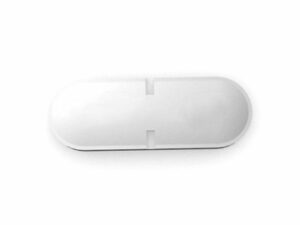


Cefadroxil (Cefadroxil Monohydrate) – Patient Information (Australia)
Cefadroxil is an oral antibiotic medicine in the cephalosporin family. It is used to treat certain bacterial infections. This page explains how cefadroxil works, when it is typically used, how to take it safely, and what to expect. It also includes practical tips and frequently asked questions for people in Australia.
Always follow the directions provided by your healthcare professional and the product label. If you are unsure about dosing or your infection, seek medical advice.
Basic product information
| Category | Details |
|---|---|
| Medicine name | Cefadroxil (often presented as cefadroxil monohydrate) |
| Drug class | First-generation cephalosporin antibiotic |
| Form | Oral capsules and/or tablets (availability varies by brand) |
| Common reasons for use | Uncomplicated skin and soft tissue infections; some bone/joint and dental infections when appropriate |
| How it is taken | Usually by mouth, in divided doses across the day |
| Allergy considerations | People with a history of allergy to cephalosporins (or certain penicillin reactions) may need extra caution |
How cefadroxil works (mechanism of action)
Cefadroxil works by targeting the ability of bacteria to build and maintain their cell walls. Specifically, it inhibits enzymes involved in peptidoglycan synthesis (often referred to as penicillin-binding proteins, or PBPs). When these cell wall-building processes are blocked, the bacterial cells become unstable and are unable to multiply effectively—leading to bacterial death or growth inhibition.
Cefadroxil is most effective against bacteria that it can bind to and that are susceptible to its activity. It does not treat viral infections such as common colds or influenza.
Pharmacokinetics (what the body does to the medicine)
“Pharmacokinetics” describes how the drug is absorbed, distributed, metabolised and eliminated. The following is a patient-friendly overview of commonly described behaviours for cefadroxil:
- Absorption: Cefadroxil is absorbed after oral dosing. Absorption can be affected somewhat by food (see “Food interactions” below).
- Distribution: It distributes into body fluids and tissues, including areas relevant to certain infections.
- Metabolism: Cefadroxil is generally not extensively metabolised by the body; it largely remains as the active compound.
- Elimination: It is primarily eliminated via the kidneys, so kidney function influences how long it stays in the body.
Because kidney function affects clearance, your clinician may adjust the dose for people with reduced renal function. If you have kidney disease or are unsure, discuss this before starting therapy.
Typical uses and indications
Cefadroxil may be used for infections caused by susceptible bacteria. Commonly, it is considered for:
- Skin and soft tissue infections where bacterial susceptibility is likely (e.g., some cases of cellulitis or infected wounds)
- Uncomplicated dental infections or related oral infections when a cephalosporin is considered appropriate
- Bone and joint infections in certain circumstances, under clinical guidance
- Other bacterial infections when the organism is susceptible and the chosen antibiotic is suitable
The exact choice of antibiotic depends on the likely bacteria, local resistance patterns, infection severity, and individual factors such as allergies and kidney function.
When and how to take cefadroxil (timing)
Cefadroxil is usually taken in divided doses across the day to maintain effective antibiotic levels. Follow the schedule provided on your label.
- Try to take it at the same times each day to keep dosing consistent.
- Complete the full course even if you feel better, unless your healthcare professional advises stopping.
- Take with water and swallow tablets/capsules whole (unless the product instructions say otherwise).
- If you miss a dose: take it as soon as you remember. If it is close to the next dose, skip the missed dose and continue as normal. Do not take a double dose.
If you have questions about a dosing schedule on your specific product, check the packaging or speak with a pharmacist.
Food interactions: can you take cefadroxil with meals?
Food may influence absorption for some antibiotics. For cefadroxil, taking it with food can help reduce stomach upset for some people. However, the most important factor is to follow the directions on the product label.
- If your label states take with food, follow that instruction.
- If your label indicates it can be taken with or without food, either option is generally acceptable.
- To improve tolerability, many people prefer taking it with meals or snacks.
If you regularly use antacids or have significant reflux symptoms, ask your pharmacist whether timing adjustments are needed.
Alcohol and medicine interactions
Many antibiotics do not have a direct “alcohol-antibiotic” reaction like some older medicines. However, alcohol can still worsen side effects (such as nausea, dizziness, and stomach irritation) and may interfere with recovery.
- General advice: it’s best to limit or avoid alcohol while taking cefadroxil.
- Watch for side effects: if you choose to drink, stop if you develop worsening nausea, vomiting, flushing, or dizziness.
- Interactions with other medicines: cefadroxil can interact with certain medications indirectly through kidney effects or changes in gut bacteria (see “Medicine interactions” below).
If you’re taking other medicines—especially blood thinners, probenecid, or kidney-related medicines—check with a pharmacist.
Medicine interactions (important considerations)
Cefadroxil is eliminated mainly by the kidneys, so medicines that affect kidney function may change how cefadroxil behaves in the body. The following are examples of interaction types to discuss with a pharmacist:
- Probenecid (gout medicine): may reduce the renal clearance of some antibiotics and increase antibiotic levels.
- Other medicines affecting kidney function: may influence dosing needs.
- Anticoagulants (blood thinners): antibiotics can sometimes alter gut flora and affect the balance of some clotting medicines. If you use warfarin or similar medicines, you may need closer monitoring.
- Oral contraceptives: in general, most antibiotics do not reliably reduce effectiveness of hormonal contraceptives, but severe diarrhoea or vomiting may affect absorption. If you have significant gastrointestinal symptoms, consider additional contraception and ask a pharmacist.
This is not a complete list. Tell your pharmacist about all medicines you use, including non-prescription products and herbal supplements.
Dosing: common adult dosing patterns
Dosing varies by the infection type, severity, and kidney function. People with kidney impairment may require adjusted dosing. Below are typical patterns used in clinical practice—your label will specify your exact dose.
- Adults (typical pattern): cefadroxil is often taken either twice daily or divided into more frequent dosing, depending on the prescribed regimen and infection.
- Children (typical approach): paediatric dosing is commonly based on weight and infection factors. Dosing should be determined by a clinician and confirmed by the pharmacist.
Renal (kidney) impairment: If you have reduced kidney function, your healthcare professional may prescribe a different dose or schedule. Do not self-adjust the dose without advice.
Duration: Courses may range from short to longer treatment durations depending on the infection. Completing the full course as directed helps reduce the risk of recurrence and antibiotic resistance.
Safety profile: side effects and when to seek help
Like all medicines, cefadroxil can cause side effects. Many people experience mild effects, while others may need medical attention.
Common side effects
- Gastrointestinal: nausea, diarrhoea, abdominal discomfort, indigestion
- Skin: mild rash
- General: headache
Less common but important reactions
- Allergic reactions: hives, itching, swelling, or wheezing
- Severe skin reactions: blistering or peeling skin
- Antibiotic-associated colitis: persistent watery diarrhoea, abdominal cramps, fever, or blood/mucus in stool
Seek urgent medical help if you notice
- Signs of anaphylaxis: trouble breathing, swelling of the face/lips/tongue, fainting, or severe dizziness
- Severe allergic rash or rapidly worsening skin symptoms
- Severe or persistent diarrhoea especially if accompanied by fever or blood
If you are concerned about side effects, contact a healthcare professional promptly.
Practical use tips (to get the best outcome)
- Start on time: take the first dose when you begin treatment and follow the schedule.
- Don’t skip doses: consistent blood levels help antibiotics work effectively.
- Hydrate: drinking water may help reduce headache and support recovery.
- Support gut health: diarrhoea can occur. If mild, continue to manage hydration. If severe, seek advice.
- Keep the course: even if symptoms improve after 1–2 days, finishing the course reduces relapse risk.
- Monitor symptoms: if fever, swelling, or pain worsens, contact your clinician rather than continuing unchanged.
- Consider personal allergies: inform your pharmacist of past reactions to penicillins, cephalosporins, or other antibiotics.
Alternative options (discuss with your clinician)
Antibiotic choice depends on the infection and the bacteria suspected or confirmed. Alternatives may include other antibiotics with different spectra of activity. Depending on your situation, your healthcare professional may consider:
- Other cephalosporins (different generations)
- Penicillin-class antibiotics if appropriate and safe based on allergy history
- Macrolides for certain respiratory and skin infections in selected patients
- Clindamycin in some skin/soft tissue infections where appropriate
- Doxycycline or other agents depending on the suspected organism
Your clinician will consider local resistance, allergy history, infection site, severity, and kidney function. Never switch antibiotics without professional guidance.
Australia market and legal context (what to expect)
In Australia, antibiotic medicines are regulated through the Therapeutic Goods Administration (TGA) and are dispensed under the applicable laws and professional requirements for medicines in Australia. Product availability and brand formats may vary by supply and prescribing practices.
Antibiotic stewardship is strongly emphasised in Australia to help reduce antibiotic resistance and protect community health. Healthcare professionals generally select antibiotics when they are likely to help and when bacterial infection is suspected.
Because antibiotic use is monitored, online pharmacies typically require correct identification and supply processes in line with Australian regulations.
Recent guidance and stewardship considerations
Australian guidance continues to encourage:
- Appropriate antibiotic use: antibiotics are for bacterial infections, not viral illnesses.
- Right drug, right dose, right duration: to minimise side effects and resistance.
- Review if not improving: if symptoms do not improve or worsen after an appropriate timeframe, reassessment is recommended.
- Consider local resistance patterns: choice may differ by region and infection type.
If you develop new symptoms after starting cefadroxil—such as worsening pain, fever, or diarrhoea—contact a healthcare professional.
Delivery and availability (online pharmacy)
Availability of cefadroxil may depend on brand and stock levels. When ordering online, you can typically expect:
- Standard delivery options in metro and regional areas (timing varies)
- Secure packaging to protect tablets/capsules
- Tracking and updates where provided by the pharmacy
Delivery times vary by location, courier services, and order processing. If you need the medicine urgently, check estimated delivery windows at checkout or contact customer support.
Always store cefadroxil as directed on the packaging, commonly at room temperature and away from moisture and heat.
Frequently asked questions (FAQ)
1) What is cefadroxil used for?
Cefadroxil is used to treat certain bacterial infections, commonly including skin/soft tissue infections and some other infections where the bacteria are susceptible. The appropriate use depends on the infection type and clinical judgement.
2) How quickly should I feel better?
Many people begin to feel some improvement within 24–72 hours of starting an effective antibiotic. If there is no improvement, symptoms worsen, or fever persists, contact a healthcare professional for reassessment.
3) Can I take cefadroxil with food?
Often cefadroxil can be taken with food or after meals to improve tolerability. Follow your product label for the exact instruction.
4) What if I miss a dose?
Take it as soon as you remember unless it is close to the next scheduled dose. Skip the missed dose if the next dose is near. Do not take a double dose.
5) Is it safe to drink alcohol while taking cefadroxil?
It is generally recommended to avoid or limit alcohol while you are unwell and taking antibiotics, as alcohol may worsen side effects and slow recovery. If you choose to drink, do so cautiously and stop if you feel unwell.
6) Can cefadroxil cause diarrhoea?
Yes. Mild diarrhoea can occur with antibiotics due to changes in gut bacteria. Seek medical advice urgently if diarrhoea is severe, persistent, or includes blood/mucus or fever.
7) What should I do if I think I’m having an allergic reaction?
Stop taking the medicine and seek urgent medical help if you have trouble breathing, facial/lip/tongue swelling, fainting, or widespread hives. For mild rash or itching, contact a healthcare professional promptly.
8) Who should be extra cautious with cefadroxil?
Extra caution is needed if you have a history of cephalosporin allergy, previous severe allergic reactions to antibiotics, kidney disease, a history of antibiotic-associated colitis, or multiple drug allergies. Discuss your history with a pharmacist or clinician.
9) Are there alternatives if cefadroxil isn’t suitable?
Yes. Depending on the infection and susceptibility, clinicians may consider other antibiotics or treatment strategies. Your best option depends on your specific situation and allergy profile.
10) How should I store cefadroxil?
Store it according to the label—typically at room temperature, away from moisture and heat. Keep it out of reach of children.
Summary
Cefadroxil is an oral first-generation cephalosporin antibiotic used for selected bacterial infections. It works by interfering with bacterial cell wall formation. After taking it by mouth, it is absorbed and eliminated primarily through the kidneys, which is why dosing may need adjustment with kidney impairment. For best results, take it at the right times, complete the course, and seek medical advice if you develop severe diarrhoea, signs of allergy, or symptoms that do not improve.