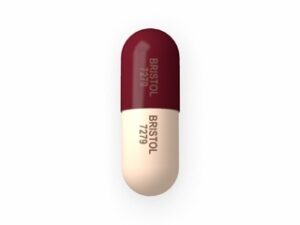


Cenmox (Amoxicillin) — Patient Information (Australia)
Cenmox is a brand of amoxicillin, an antibiotic used to treat a range of common bacterial infections. This guide is written to help you understand what the medicine does, when and how it’s taken, possible side effects, and important safety considerations.
Always use antibiotics responsibly. If symptoms do not improve, or they worsen, seek medical advice promptly.
Quick overview
- Active ingredient: Amoxicillin
- Medicine type: Antibiotic (penicillin group)
- Common uses: Many ear, throat, sinus, chest, skin, and urinary tract infections caused by susceptible bacteria
- How it works: Kills or stops growth of bacteria by interfering with bacterial cell wall formation
- Typical course: Usually several days, depending on the infection and your prescriber’s instructions
- Key safety notes: Allergy risk, possible diarrhoea, drug interactions
Basic product information
Cenmox contains the antibiotic amoxicillin. Amoxicillin is widely used and well-studied. In Australia, it is available in several strengths and dosage forms depending on the product brand and manufacturer.
What strength should I choose?
Strength and form should match the infection being treated and patient factors such as age and kidney function.
Follow the directions provided with your Cenmox product.
| Category | Information |
|---|---|
| Medicine name | Cenmox (Amoxicillin) |
| Drug class | Penicillin antibiotic |
| How it’s used | Treats bacterial infections (not viral illnesses like colds or flu) |
| Main route | Oral (by mouth) |
| Common dosing frequency | Often 2–3 times daily depending on indication and formulation |
How Cenmox works (mechanism of action)
Amoxicillin belongs to the beta-lactam antibiotic family (penicillins). It works by:
- Inhibiting bacterial cell wall synthesis (binding to penicillin-binding proteins).
- Preventing the bacteria from forming a functional cell wall, leading to bacterial death or stopping bacterial growth.
- Being effective against susceptible bacteria—but not those that can resist amoxicillin (for example, some bacteria produce enzymes that inactivate beta-lactams).
In practice, your infection’s likely bacteria type and local antibiotic resistance patterns influence whether amoxicillin is the right choice.
Pharmacokinetics (how the body handles amoxicillin)
Understanding how amoxicillin is absorbed and cleared can help you take it more effectively.
- Absorption: Amoxicillin is absorbed from the gut after oral dosing. Absorption can be improved when taken correctly and may be affected by food timing, though it is generally well tolerated with meals.
- Distribution: It spreads into many body tissues and fluids, including areas relevant to common infections such as the ear, throat, sinuses, respiratory tract, skin, and urinary tract.
- Metabolism: A portion is metabolised in the body, but amoxicillin largely remains active.
- Elimination: Primarily excreted by the kidneys. If kidney function is reduced, dosing adjustments may be needed to reduce side effects.
- Half-life (general): Around 1 hour in healthy adults, though this can be longer with reduced renal function—this is why dosing frequency may change for some patients.
Why this matters: Taking doses at the correct intervals helps maintain adequate drug levels to fight bacteria effectively.
Typical uses and indications
Cenmox (amoxicillin) may be used to treat bacterial infections, such as:
- Ear, nose, and throat infections: e.g., otitis media (middle ear infections), tonsillitis/pharyngitis caused by susceptible bacteria, sinusitis (in appropriate cases).
- Respiratory tract infections: e.g., certain cases of bronchitis or pneumonia—depending on cause and severity.
- Skin and soft tissue infections: e.g., mild to moderate bacterial skin infections.
- Dental infections: depending on severity and local clinical judgement.
- Urinary tract infections (UTIs): when caused by susceptible bacteria.
- Other susceptible bacterial infections: as determined by a healthcare professional.
Antibiotics do not help for viral illnesses such as colds, most coughs, and influenza. Taking antibiotics when they aren’t needed can contribute to antibiotic resistance and may cause unnecessary side effects.
When to take Cenmox (timing and duration)
Follow the dosing instructions provided with your specific Cenmox product and for your particular infection. Typical timing guidance includes:
- Try to take it at consistent times each day to maintain steady antibiotic levels.
- Complete the full course even if you start feeling better. Stopping early can allow some bacteria to survive and may increase the risk of recurrence.
- If you miss a dose: take it when you remember unless it is close to the next dose. Do not double up.
- Seek medical advice if symptoms do not improve within a few days or if they rapidly worsen.
Typical response time: Many bacterial infections start improving within 48–72 hours. However, improvement timelines vary depending on the infection type and severity.
Food interactions and taking with meals
Amoxicillin can generally be taken with or without food. Food may help reduce stomach upset for some people.
- With meals: may be more comfortable if you’re prone to nausea.
- Without meals: still commonly acceptable for most adults, but if your stomach is sensitive, consider taking it with food.
If your Cenmox formulation includes a measuring device (e.g., suspension), ensure you measure accurately and shake well if required by the label.
Alcohol and medicine interactions
Alcohol
There is no universal rule that alcohol is absolutely forbidden with amoxicillin, but drinking alcohol may:
- Worsen dehydration or stomach upset (including nausea or diarrhoea).
- Reduce rest and slow recovery when you’re unwell.
For safest results, consider avoiding alcohol while you have the infection and while you’re taking the course, especially if you experience side effects.
Other medicine interactions
Some medicines can interact with amoxicillin. Tell your pharmacist or doctor about all medicines and supplements you take. Common considerations include:
- Probenecid: may reduce kidney clearance of amoxicillin, potentially increasing antibiotic levels.
- Warfarin or other blood thinners: antibiotics can affect bleeding risk in some people; monitoring may be needed.
- Allopurinol: may increase the chance of rash when combined with amoxicillin in some patients.
- Oral contraceptives: most antibiotics (including amoxicillin) are not known to reliably “cancel” pill effectiveness. However, vomiting or severe diarrhoea can reduce absorption of oral contraceptives. If you have significant vomiting/diarrhoea, use additional contraception (e.g., condoms) until normal absorption returns.
- Antigout/other kidney-affecting medicines: kidney function matters because amoxicillin is cleared by the kidneys.
This is not an exhaustive list. Drug interactions depend on your personal health and the specific products you use.
Dosing guidance (general information)
Dosing depends on the type of infection, the severity, patient age, weight (for children), and kidney function.
Always use the dosing instructions on the Cenmox label or as directed by your healthcare professional. The following is general information only:
- Adults: dosing is commonly given two to three times daily, depending on indication and formulation.
- Children: dosing is usually calculated according to weight and may be given once or multiple times daily depending on the formulation.
- Kidney impairment: may require dose reduction or less frequent dosing.
Measuring liquid suspension: If using a liquid form, measure with the provided syringe or dosing cup. Household teaspoons are not accurate enough for dosing antibiotics in children.
Practical tips for using Cenmox effectively
- Take at regular intervals: set alarms if needed.
- Finish the course: don’t stop early when you feel better.
- Store correctly: follow label instructions for temperature and protection from moisture/light.
- Shake suspensions: if your product is a suspension, shake well before each dose as directed.
- Hydrate: good fluid intake may help if you have fever or mild diarrhoea.
- Track symptoms: note fever changes, pain, breathing, or urine symptoms to help assess response.
Safety profile: what to watch for
Common side effects
Many people tolerate amoxicillin well. Possible side effects include:
- Nausea and mild stomach upset
- Diarrhoea (mild)
- Rash (including mild skin redness)
- Headache
- Vaginal itching/discharge due to yeast overgrowth (in some people)
Serious side effects — seek urgent medical help
Contact a healthcare professional urgently (or call emergency services) if you experience:
-
Signs of an allergic reaction such as:
- swelling of the face, lips, tongue, or throat
- trouble breathing or wheezing
- severe or widespread hives
- Severe or persistent diarrhoea, especially watery or bloody diarrhoea, or diarrhoea with fever or abdominal cramps (possible antibiotic-associated colitis).
- Severe skin reactions such as blistering, skin peeling, sores in the mouth, or widespread rash with fever.
- Unusual bruising or bleeding (particularly if on blood thinners).
- Yellowing of the skin/eyes or dark urine (possible liver-related effects).
Who should use caution
- History of penicillin allergy or serious reactions to beta-lactam antibiotics
- Past severe antibiotic-associated diarrhoea
- Kidney problems (may require dose adjustment)
- Infectious mononucleosis (glandular fever): amoxicillin is more likely to cause rash in some cases—seek medical advice if this is suspected
- Breastfeeding or pregnancy: usually possible with appropriate medical guidance, but discuss risks and benefits
Safety reminders and “do not ignore” symptoms
If you notice rapid swelling, breathing difficulty, severe rash, or severe diarrhoea, treat it as urgent. If you are unsure whether symptoms are serious, call your pharmacist or local health service for advice.
Alternative options (if amoxicillin isn’t suitable)
The best alternative depends on the infection, likely bacteria, antibiotic resistance patterns, severity, and patient allergies. If amoxicillin is not appropriate, clinicians may consider:
- Different beta-lactams (e.g., cephalosporins) if suitable and allergy history allows
- Beta-lactam/beta-lactamase inhibitor combinations for certain resistant infections (commonly used when bacterial enzymes may inactivate plain amoxicillin)
- Macrolides (e.g., azithromycin/clarithromycin) in some cases
- Doxycycline or other agents depending on infection type and patient factors
- Supportive care alone when an infection is viral or likely to resolve without antibiotics
Your pharmacist or prescriber can advise which option is most appropriate if you cannot take amoxicillin.
Australia: market/legal context and how antibiotics are used
In Australia, antibiotic medicines are regulated and must be supplied in line with healthcare and medicines laws. Antibiotic use is guided by evidence-based clinical practice, including national antimicrobial stewardship principles designed to slow resistance.
The Australian healthcare system encourages:
- Right antibiotic for the right infection (bacterial infection confirmed or strongly suspected)
- Correct dose and duration (avoid under-treatment)
- Avoiding unnecessary antibiotics
For the most current Australian guidance, healthcare professionals typically refer to resources such as: Australian Therapeutic Guidelines and advice from antimicrobial stewardship programs.
Recent guidance considerations
Antimicrobial stewardship guidance continues to emphasise that:
- Antibiotics should be started only when benefits outweigh risks.
- Local resistance patterns matter.
- Clinicians may prefer narrower-spectrum or alternative antibiotics depending on infection and patient history.
- If there is no improvement, reassessment is needed rather than continuing ineffective treatment.
If you have questions about whether Cenmox is appropriate for your particular condition, speak with a pharmacist or doctor.
Delivery and availability (online pharmacy information)
Availability can vary depending on stock levels and the specific strength or formulation of Cenmox (amoxicillin). Many online pharmacies in Australia offer home delivery for eligible medicines.
- Dispatch times: depend on order processing and local courier schedules.
- Packaging: medicines are typically packed to protect from damage and, when relevant, maintain storage conditions.
- Cold chain: amoxicillin is generally not a “cold chain” medicine unless the specific formulation requires special handling—check your product label.
If you need the medicine urgently, check estimated delivery times at checkout and contact customer support if you have concerns.
FAQ — frequently asked questions
1) Is Cenmox the same as amoxicillin?
Yes. Cenmox contains amoxicillin as the active ingredient. Brand names can differ, but the active ingredient remains amoxicillin.
2) How long does it take for amoxicillin to work?
Many bacterial infections show improvement within 48–72 hours. If there is no improvement, or if symptoms worsen, you should seek medical advice to reassess the diagnosis and treatment.
3) What if I feel better before finishing the course?
Continue taking the medicine for the full course as directed. Finishing the course helps reduce the risk that bacteria survive and cause the infection to return.
4) Can I take Cenmox with food?
Generally, yes. Amoxicillin can usually be taken with or without food. Taking it with food may help if you feel nauseated.
5) Can I drink alcohol while taking Cenmox?
Alcohol is not always strictly prohibited, but it can worsen side effects such as nausea and diarrhoea and may slow recovery. For best results, avoid alcohol during the illness and treatment course if possible.
6) Will amoxicillin affect the contraceptive pill?
Amoxicillin is not generally known to reliably reduce pill effectiveness. However, if you have vomiting or severe diarrhoea, absorption can be reduced. Use additional contraception and seek advice.
7) What should I do if I miss a dose?
Take the missed dose as soon as you remember, unless it is close to the next scheduled dose. Do not double doses.
8) What if I develop diarrhoea?
Mild diarrhoea can occur. Seek urgent medical advice if diarrhoea is severe, watery or bloody, or if it comes with fever or strong abdominal pain.
9) Can I stop Cenmox early if I get side effects?
Some side effects are mild and improve with time, but allergies and severe reactions require prompt attention. If you experience concerning symptoms (like rash with breathing difficulty, swelling, severe diarrhoea), seek urgent help. Otherwise, consult a pharmacist or doctor before stopping.
10) Who should not take amoxicillin?
People with a known history of serious penicillin allergy or prior severe allergic reactions to amoxicillin should avoid it unless advised by a clinician. If you have kidney impairment or a history of antibiotic-associated colitis, discuss dosing and safety.
When to seek medical help promptly
Arrange medical review if:
- Symptoms do not start improving after a couple of days
- You develop high fever, severe pain, or rapidly worsening symptoms
- You experience signs of an allergic reaction
- Diarrhoea is severe, persistent, or contains blood
If you’re unsure whether your symptoms suggest a bacterial infection, consult a healthcare professional.