Ciloxan (Ciprofloxacin) Eye Drops / Ointment — Patient Guide (Australia)
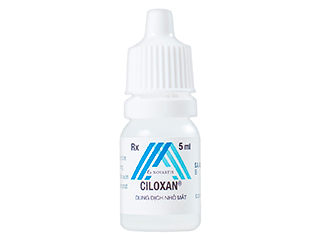
Ciloxan is an eye medicine that contains ciprofloxacin, an antibiotic used to treat certain bacterial infections of the eye and eyelids. This guide explains how Ciloxan works, what it’s used for, how to use it safely, and important interaction and safety information for people in Australia.
Always follow the instructions provided with your product. If you’re unsure whether your symptoms fit a bacterial infection, seek advice from a healthcare professional promptly—some eye conditions require urgent assessment and may not be helped by antibiotics.
At a glance
- Medicine: Ciloxan (ciprofloxacin)
- Type: Antibiotic for the eye (available as eye drops and/or eye ointment depending on product)
- Common targets: Bacteria that cause conjunctivitis and other superficial eye infections
- Works by: Stopping bacterial DNA replication
- Typical use: Short-term treatment of specific bacterial eye infections
- Key safety points: Do not touch the tip to the eye; stop and seek urgent help if severe pain, vision changes, or worsening symptoms occur
Basic product information
Ciloxan contains ciprofloxacin, a member of the fluoroquinolone antibiotic group. In eye preparations, it is used to treat infections that are sensitive to ciprofloxacin.
In Australia, availability, pack sizes, and formulations (drops vs ointment) can vary. Your local pharmacy can confirm which presentation you have.
| Feature | What to know |
|---|---|
| Active ingredient | Ciprofloxacin |
| Medicine type | Topical antibiotic for the eye |
| How it’s applied | To the eye(s) as drops and/or ointment |
| Target | Bacterial infections of the eye/eyelid surfaces |
| Typical course | Often several days; follow the plan given for your condition |
How Ciloxan works (mechanism of action)
Ciprofloxacin works by interfering with how bacteria replicate and repair their DNA. Specifically, it inhibits key bacterial enzymes: DNA gyrase and topoisomerase IV.
This prevents bacteria from multiplying, helping reduce the infection. It does not treat viral or allergic causes of red, itchy eyes (for example, viral conjunctivitis or hay fever).
Pharmacokinetics (what happens in the body)
Ciloxan is applied to the eye, so systemic absorption is generally limited. Most of the medicine acts locally on the eye surface and within ocular tissues.
- Absorption: After topical application, a small amount may enter circulation, but levels are usually low.
- Distribution: Some penetration into ocular tissues may occur to exert antibacterial effects locally.
- Metabolism: As with many drugs, metabolism occurs to some extent in the body.
- Elimination: The medicine and its metabolites are eliminated mainly through the kidneys and other pathways.
The exact numbers can vary based on formulation (drop vs ointment), frequency, and individual factors. If you have kidney problems or other medical conditions, speak with a pharmacist or clinician for personalised guidance.
Typical use and when it’s appropriate
Ciloxan is used for suspected or confirmed bacterial infections of the eye. Examples include:
- Bacterial conjunctivitis (infection of the eye’s surface), particularly when discharge is thick or purulent
- Blepharitis and related bacterial eyelid infections (depending on clinical assessment)
- Other superficial ocular bacterial infections where an ophthalmic antibiotic may be appropriate
Some symptoms overlap with non-bacterial causes. Consider urgent medical review if symptoms are severe, you wear contact lenses, or you have pain or light sensitivity.
Timing and how to use it properly
The exact dosing schedule can depend on the type and severity of infection, and on whether you’re using drops or ointment. Follow the instructions supplied with your product and any advice you’ve been given.
General application tips
- Wash your hands before and after using Ciloxan.
- Use a mirror if it helps you see where to apply.
- Avoid touching the bottle tip or tube to your eye or eyelashes (this helps prevent contamination).
- Gently pull down the lower eyelid to create a small pocket.
- Apply the prescribed amount to the eye, then release the eyelid.
- Close your eye gently and keep it closed for about 1–2 minutes.
- If you’re using more than one eye medicine, space them out. A common approach is to wait at least 10 minutes between different eye products unless your clinician advises otherwise.
How long until you feel better?
- Many people notice improvement within 24–48 hours.
- If symptoms are worsening after starting, or not improving after 2 days, seek advice.
- Do not stop early unless instructed—stopping too soon can allow remaining bacteria to regrow.
Food interactions
Ciloxan is used in the eye. Because systemic exposure is typically low, food interactions are not usually a concern. However, always follow your broader treatment plan and any advice from your healthcare professional.
Alcohol interactions
There is no typical direct interaction between topical eye ciprofloxacin and alcohol. That said, if ciprofloxacin is being taken for other infections or if you are on additional medications, alcohol may interact with those treatments.
If you have liver disease, are taking multiple medicines, or are unsure, speak with a pharmacist for tailored advice.
Medicine interactions
Because Ciloxan is applied locally, major drug–drug interactions are unlikely. Still, it’s important to consider:
- Other eye products: Use spacing between products (e.g., 10 minutes) to reduce washing one medicine out by another.
- Ocular treatments: If you are also using steroid eye drops, anti-inflammatory medicines, or lubricants, ask about the order of use.
- Systemic fluoroquinolones: If you are also taking ciprofloxacin tablets or other fluoroquinolones, inform your pharmacist or clinician.
Indications (what it treats)
Ciloxan is indicated for bacterial eye infections that are susceptible to ciprofloxacin. Common indications include:
- Bacterial conjunctivitis
- Infective processes involving the eyelid margin (e.g., certain forms of blepharitis when bacterial)
- Other bacterial ocular surface infections as assessed by a clinician
It is not intended for viral conjunctivitis, allergic conjunctivitis, or dry eye conditions.
Dosing (general information)
Dosing depends on the specific condition and severity, and whether you are using drops or ointment. Follow the dosing schedule provided with your product or by your healthcare professional.
Typical practical approach (not a substitute for individual instructions):
- Day 1–2: Many bacterial eye infections are treated with more frequent dosing initially, then reduced as improvement occurs.
- After improvement: The frequency is often reduced to complete the course.
If you tell your pharmacist the exact product strength and whether it’s drops or ointment, they can confirm the usual dosing frequency for your presentation.
Missed dose
- If you miss a dose, apply it as soon as you remember.
- If it’s close to your next dose, skip the missed dose and return to your normal schedule.
- Do not apply extra to “catch up”.
How to stop safely
- Complete the full course if symptoms are improving, unless your clinician advises otherwise.
- If symptoms worsen, stop and seek advice urgently—this may indicate a condition not suitable for topical antibiotics.
Safety profile and side effects
Common side effects
- Mild stinging or burning after application
- Temporary blurred vision (more common with ointment)
- Redness or irritation
- Dryness or a gritty feeling
Less common but important adverse reactions
- Allergic reaction (swelling, rash, worsening itching)
- Severe pain or rapidly worsening redness
- Light sensitivity (photophobia)
- Marked changes in vision
Seek urgent medical care if
Contact urgent care or an eye health service immediately if you experience:
- Severe eye pain
- Vision loss or significant change in vision
- Symptoms of a corneal ulcer (e.g., intense discomfort, light sensitivity, a feeling of something stuck in the eye)
- Rapid worsening despite treatment
- High fever or feeling very unwell with eye symptoms
Contact lenses
- If you wear contact lenses, it’s usually recommended to stop wearing them during treatment.
- Use fresh eye drops only if they are compatible with contact lens guidance.
- Replace or discard lenses and lens cases according to hygiene advice from your eye care professional.
Practical use tips (to maximise benefit and reduce risk)
- Prevent contamination: Don’t let the dropper tip or tube touch your eye.
- Use good hygiene: Wash hands before applying and avoid rubbing eyes.
- Keep the course consistent: Try to apply at similar times each day.
- Manage blurred vision: If using ointment, your vision may blur temporarily—avoid driving or operating machinery until your vision clears.
- Separate from other drops: Wait about 10 minutes between different eye medicines (including artificial tears and medicated drops).
- Don’t share eye products: Sharing can spread infection.
- Replace eye makeup: Discard eye makeup used during infection and avoid makeup until fully resolved.
Alternative options
If ciprofloxacin isn’t suitable—because of allergy, lack of response, or bacterial resistance—other treatments may be considered by a clinician. Alternatives may include:
- Other ophthalmic antibiotics depending on suspected organism and local resistance patterns (e.g., different fluoroquinolones or other antibiotic classes)
- Antiviral treatment if infection is viral (antibiotics won’t help viral conjunctivitis)
- Anti-allergy approaches (for allergic conjunctivitis) such as antihistamine eye drops or mast-cell stabilisers
- Supportive care such as lubricating drops if dryness is contributing
The “best” alternative depends on the cause of symptoms. If you have severe pain, contact lens–related symptoms, or suspected corneal involvement, you should seek eye-specific assessment promptly.
Market and legal context in Australia (what this means for you)
Medicines in Australia are regulated by the Therapeutic Goods Administration (TGA). Eye medicines containing antibiotics may be subject to supply rules based on the specific product and strength.
In practice, many antibiotic ophthalmic products are either prescription-only or have pharmacist-only supply arrangements depending on the exact preparation and TGA scheduling. Your pharmacy can confirm the supply status for the product you’re purchasing.
Antibiotic stewardship is strongly encouraged: using antibiotics when they’re not needed can contribute to resistance and may delay correct diagnosis. For persistent or atypical symptoms, clinicians may recommend testing or examination rather than repeating antibiotic courses.
Recent guidance and stewardship considerations
Across Australia, current eye-health guidance emphasises:
- Correct diagnosis first: Red eye can be bacterial, viral, allergic, or related to the cornea (which may require urgent assessment).
- Contact lens caution: Contact lens wearers have higher risk of corneal infections; early assessment is important.
- Avoid unnecessary antibiotics: Viral or allergic conjunctivitis often resolves without antibiotics.
- Monitor response: If there’s no improvement within a short time, treatment should be reviewed.
If your symptoms do not match typical bacterial conjunctivitis—such as severe pain, marked light sensitivity, or vision changes—stop relying on self-treatment and get an eye exam.
Delivery and availability (online pharmacy)
Ciloxan availability can vary by brand, presentation, and stock levels. When ordering online, you’ll typically receive:
- Product packaging with patient information/label instructions
- Delivery tracking and standard or express shipping options depending on the pharmacy
- Storage guidance (follow the label; many eye preparations are stored at controlled room temperature, but check your specific product)
Delivery timeframes in Australia depend on your location and shipping method. If the item is temporarily out of stock, some pharmacies can offer alternatives or notify you when it returns.
FAQ
1) What is Ciloxan used for?
Ciloxan (ciprofloxacin) is an antibiotic eye medicine used for bacterial infections of the eye’s surface, eyelids, and related superficial conditions that are susceptible to ciprofloxacin.
2) How quickly should Ciloxan start working?
Many people see improvement within 24–48 hours. If your symptoms are not improving after a couple of days, or if they worsen, seek eye care advice promptly.
3) Can I use Ciloxan for viral conjunctivitis?
Ciloxan treats bacteria, not viruses. If your conjunctivitis is viral (often watery discharge, associated cold symptoms), antibiotics may not help. An eye assessment can help confirm the cause—especially if symptoms are severe.
4) Can I wear contact lenses while using Ciloxan?
It’s usually advised to stop wearing contact lenses during treatment and until symptoms fully resolve. Ask your eye care professional about when to resume, and consider replacing lenses and lens case hygiene.
5) What if my eye stings after applying the drops?
Mild, temporary stinging can occur. If the burning is severe, persistent, or accompanied by swelling or rash, stop use and seek medical advice.
6) Is there any interaction with food or alcohol?
Food interactions are generally not a concern for topical eye ciprofloxacin. Direct alcohol interactions are not commonly expected, but if you take other medicines (including oral antibiotics), alcohol may affect those treatments.
7) Can I drive after using Ciloxan?
If your vision becomes blurred after drops or ointment, avoid driving until your vision is clear. This is particularly relevant for ointment.
8) Should I use Ciloxan in both eyes?
Only use it in the eye(s) prescribed for your condition. If both eyes are affected, your clinician may instruct bilateral use.
9) What should I do if I miss a dose?
Apply the missed dose when you remember, unless it’s close to the next dose. Do not apply extra to “catch up.” Return to your usual schedule.
10) When should I seek urgent help?
Seek urgent eye care if you have severe pain, vision changes, significant light sensitivity, suspected corneal ulcer, rapid worsening, or symptoms not improving quickly.
Important: This information is a general guide. If you have concerns about your symptoms, allergies, medical conditions, or other medicines you’re taking, consult a pharmacist or healthcare professional for advice tailored to you.