
Amoxil (Amoxicillin) — Patient-Friendly Guide (Australia)
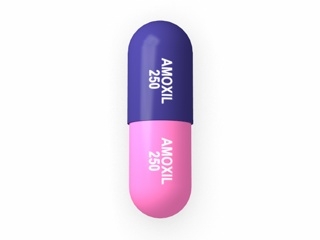
Amoxil is a brand of amoxicillin, a widely used antibiotic in Australia. It belongs to the penicillin group and is used to treat certain bacterial infections. This page explains how Amoxil works, how it’s used in everyday practice, what to expect, and important safety information.
Note: Antibiotics like amoxicillin are effective against bacteria, but they do not treat viral illnesses such as the common cold or influenza.
1) Basic Product Information
- Medicine: Amoxil (amoxicillin)
- Class: Aminopenicillin (penicillin antibiotic)
- How it works: Kills or stops growth of susceptible bacteria
- Common forms: Tablets/capsules and liquid suspensions (strength varies by product)
- Availability: Typically available through pharmacies in Australia
Uses often depend on the type of infection and the likely bacteria causing it. Your clinician may consider local guidelines, your medical history, and test results where available.
2) Mechanism of Action (How Amoxil Works)
Amoxicillin is a beta-lactam antibiotic. It works by interfering with bacterial cell-wall formation.
- Amoxicillin binds to penicillin-binding proteins (PBPs) involved in building the bacterial cell wall.
- This weakens the cell wall and causes bacteria to burst or stop multiplying, leading to bacterial death or reduced growth.
Important limitation: Some bacteria produce enzymes called beta-lactamases that can break down amoxicillin. In such cases, the antibiotic may be less effective unless combined with a beta-lactamase inhibitor (e.g., amoxicillin/clavulanate).
3) Pharmacokinetics (How the Body Handles It)
Pharmacokinetics describes what the body does to a medicine—how it is absorbed, distributed, metabolised, and excreted.
- Absorption: Amoxicillin is generally well absorbed after oral dosing.
- Distribution: It distributes into many tissues and body fluids, including sites relevant to common infections (e.g., respiratory tract).
- Metabolism: It undergoes limited metabolism.
- Excretion: Mostly excreted by the kidneys via urine.
Why this matters: Because amoxicillin is eliminated through the kidneys, dose adjustments may be needed in people with kidney impairment.
4) Typical Uses (Indications)
Amoxil is used to treat bacterial infections when the suspected or confirmed bacteria are susceptible to amoxicillin.
Common indications in clinical practice may include:
- Ear, nose and throat infections: e.g., some forms of otitis media, sinusitis, and tonsillitis (depending on likely cause and severity)
- Respiratory tract infections: such as certain bacterial chest infections and bronchitis in specific circumstances
- Skin and soft tissue infections: mild to moderate infections due to susceptible bacteria
- Dental infections: some bacterial infections related to dental conditions
- Urinary tract infections (UTIs): in selected cases, depending on local resistance patterns and the causative organism
Not suitable for everything: The choice of antibiotic depends on the suspected pathogen, resistance patterns, infection severity, and patient factors (age, allergies, kidney function, and other medicines).
5) Dosing Basics: What to Expect
Dose depends on several factors, including:
- Type of infection and its severity
- Age and weight (especially for children)
- Kidney function
- Whether the infection is recurrent or complicated
- Local guidance and susceptibility patterns
Common dosing frequency: Amoxicillin is often taken two or three times daily (morning/evening or morning/midday/evening), depending on the regimen.
Treatment duration: The course length varies by condition (for example, some infections may require shorter courses, while others may require longer). It’s important to complete the full prescribed course, even if you feel better.
If you’re unsure: Use the exact instructions provided with your specific product/plan. If dosing instructions are unclear, ask a healthcare professional or pharmacist.
6) Timing Tips: When and How to Take It
For most people, consistency is key to maintaining effective antibiotic levels.
- Take at the same times each day to keep blood levels steadier.
- Use the recommended schedule (e.g., twice daily vs three times daily).
- If a dose is missed:
- Take it as soon as you remember.
- If it’s close to the next dose, skip the missed dose and continue as normal.
- Do not take a double dose to “catch up”.
- Keep taking it even if you feel better—stopping early can allow bacteria to regrow.
Practical reminder: If using a liquid suspension, measure accurately with an oral syringe or dosing cup. Shake (if required by the product label) before each use.
7) Food Interactions (Can You Take It With Meals?)
Amoxil is generally not significantly affected by food, meaning it can often be taken with or without meals.
- If taking with food helps reduce stomach upset, that’s commonly acceptable.
- If you experience nausea or discomfort, consider taking your dose after meals (unless your product instructions say otherwise).
Always follow your product label for any specific instructions.
8) Alcohol and Medicine Interactions
Alcohol
In many cases, moderate alcohol is unlikely to directly “cancel out” amoxicillin’s effect. However, alcohol can:
- Worsen dehydration
- Increase stomach irritation
- Impair recovery from infection
Patient-friendly advice: Avoid or limit alcohol while unwell. If you choose to drink, do so cautiously and monitor for side effects.
Medicine interactions (important overview)
Amoxicillin can interact with other medicines in some situations. A pharmacist can check specific interactions for your medication list.
- Oral anticoagulants (blood thinners), especially warfarin: Antibiotics may affect gut bacteria and clotting control in some people. Monitoring may be advised.
- Allopurinol: In some individuals, the combination may increase the likelihood of rash.
- Live bacterial vaccines: Antibiotics can sometimes reduce effectiveness if timing overlaps. Discuss timing with a healthcare professional.
- Probenecid: May reduce amoxicillin excretion and increase levels.
Always tell your pharmacist about:
- All prescription medicines
- Over-the-counter products (including pain relief and cold/flu remedies)
- Herbal supplements
- Any history of medication allergies
9) Safety Profile and Important Warnings
Like all medicines, Amoxil can cause side effects. Most are mild and temporary, but some require prompt medical attention.
Common side effects
- Nausea or mild stomach upset
- Diarrhoea
- Headache
- Skin rash (sometimes mild)
Serious side effects (seek urgent help)
Contact a healthcare professional urgently or seek emergency care if you experience:
- Signs of a severe allergy (anaphylaxis): swelling of face/lips/tongue, breathing difficulty, wheezing, severe dizziness, or collapse
- Severe blistering or peeling rash, sores in the mouth, or widespread skin reactions
- Severe or persistent diarrhoea (especially watery or bloody) or fever—this can indicate antibiotic-associated colitis
- Yellowing of the skin/eyes or dark urine (possible liver-related reaction)
Allergy considerations
- If you have a known allergy to penicillins or have had severe reactions to beta-lactam antibiotics, avoid using amoxicillin unless specifically advised by a clinician.
- Tell your pharmacist if you have ever had a rash or hypersensitivity to antibiotics.
Kidney issues
If you have kidney impairment, your prescriber may adjust the dose or dosing interval. Ensure you disclose kidney problems to the pharmacist.
10) Practical Use Tips for Getting the Best Results
- Start on time: Begin the course as directed when the medicine is available.
- Complete the course: Even if symptoms improve, finish the full course.
- Hydrate: Drink fluids as needed, especially if you have fever or diarrhoea.
- Track symptoms: Note fever trends, breathing changes, pain, and side effects.
- Don’t share antibiotics: Different infections may require different antibiotics and dosing.
- Store properly: Follow the pack instructions for temperature and light protection.
- Keep out of reach of children: Store securely to prevent accidental ingestion.
If symptoms don’t improve: Contact a healthcare professional if there is no improvement after an appropriate time (often within 48–72 hours for many bacterial infections) or if symptoms worsen.
11) Alternative Options (What Else Might Be Used?)
If amoxicillin isn’t suitable, alternative antibiotics may include:
- Amoxicillin/clavulanate (a combination that can overcome some beta-lactamase resistance)
- Cephems (depending on the infection and allergy history)
- Macrolides (e.g., azithromycin/clarithromycin in selected cases)
- Other agents guided by the infection site, likely bacteria, severity, and local resistance patterns
Important: The “best alternative” depends on your diagnosis and allergy history. For some infections, supportive care plus careful assessment may also be appropriate.
Antibiotic stewardship matters: Using the right antibiotic at the right dose for the right duration helps reduce resistance and improve outcomes.
12) Market and Legal/Guidance Context in Australia
Australia has clear systems for antibiotic supply and appropriate use:
- Antibiotics are regulated medicines under Australian health and medicines frameworks.
- Antimicrobial stewardship is strongly encouraged to minimise unnecessary antibiotic use and resistance.
- Local prescribing guidance informs whether amoxicillin is recommended for specific infections and whether alternatives are preferred.
- Quality and safety standards apply to supply chains and product authenticity.
Recent emphasis in Australian practice includes ensuring antibiotics are used only when bacterial infection is likely, selecting narrow-spectrum options when appropriate, and reviewing treatment if symptoms fail to improve.
Recent guidance (general themes):
- More consistent differentiation between viral and bacterial illness.
- Consideration of local resistance and infection severity.
- Reviewing need for ongoing therapy if improvement is not seen.
- Support for shorter courses for certain infections where evidence supports this approach.
13) Delivery and Availability (Online Pharmacy Information)
Availability and delivery options can vary between pharmacies and product presentations. When ordering Amoxil online in Australia, consider:
- Product form and strength: Confirm the exact pack size (tablets/capsules vs liquid suspension) and strength.
- Expiry date: Check expiry on the supplied item where possible.
- Shipping timeframes: Delivery estimates depend on your location and dispatch schedule.
- Stock availability: Some strengths or liquid sizes may be intermittently out of stock.
- Temperature requirements: Most solid oral forms are stable, but follow label instructions—especially for liquid preparations.
Tip: If you need a liquid suspension for a child, confirm the correct volume and dosing syringe/cup are included (where applicable).
14) Frequently Asked Questions (FAQ)
Can Amoxil treat a cold or flu?
No. Colds and flu are usually caused by viruses. Amoxil treats bacterial infections only.
How quickly should I feel better?
Many people start to notice improvement within 48–72 hours, depending on the infection. If you’re not improving or you feel worse, contact a healthcare professional.
What if I get diarrhoea while taking Amoxil?
Mild diarrhoea can occur. However, seek medical advice promptly if diarrhoea is severe, persistent, watery or bloody, or accompanied by fever or significant abdominal pain.
Can I take Amoxil with food?
Yes. Amoxil is generally fine with or without food. Taking it with food may reduce nausea for some people.
Is it safe to drink alcohol while on Amoxil?
Small amounts may not directly interact with amoxicillin, but alcohol can worsen stomach upset and delay recovery. It’s best to avoid or limit alcohol while you’re unwell.
What should I do if I miss a dose?
Take it when you remember unless it’s close to the next dose. Don’t double up.
Can I stop early once I feel better?
It’s important to complete the full course as directed. Stopping early can allow bacteria to survive and increase the chance of relapse or complications.
What if I have a penicillin allergy?
Do not take amoxicillin if you’ve had a serious allergy to penicillin antibiotics unless advised by a clinician. Tell your pharmacist about your allergy history.
Does amoxicillin interact with other medicines?
It can. Common considerations include anticoagulants (e.g., warfarin), allopurinol, and probenecid. Provide your full list of medicines to your pharmacist for a tailored interaction check.
Is Amoxil suitable for children?
Amoxicillin can be used in children for certain infections, with dosing based on weight and age. Use the correct paediatric formulation and measure liquid doses accurately.
How should I store Amoxil?
Store according to the pack instructions. Keep medicines in a cool, dry place (unless the label states otherwise), protect from moisture, and keep out of reach of children.
15) Quick Reference Summary
| Topic | Key Points |
|---|---|
| What is Amoxil? | Brand of amoxicillin, a penicillin antibiotic used for susceptible bacterial infections. |
| How it works | Blocks bacterial cell-wall formation by binding to penicillin-binding proteins. |
| Typical schedule | Often 2–3 times daily depending on infection and dose regimen. |
| Food | Usually can be taken with or without meals; taking with food may reduce nausea. |
| Alcohol | May be tolerated by some, but can worsen recovery and stomach upset—avoid or limit while unwell. |
| Common side effects | Nausea, diarrhoea, headache, mild rash. |
| Urgent signs | Severe allergic reactions, severe blistering rash, severe persistent diarrhoea (possible colitis). |
| What to do if not improving | Seek medical advice if no improvement in ~48–72 hours or symptoms worsen. |
Final note: If you have any questions about suitability, dosing schedules, or side effects, speaking with a pharmacist can help ensure you use Amoxil safely and effectively.