Noroxin (Norfloxacin) — Patient Information (Australia)
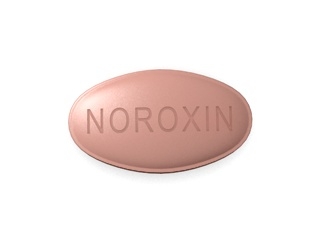
Noroxin is a brand of norfloxacin, an antibiotic medicine used to treat certain bacterial infections. This page provides easy-to-understand information about how Noroxin works, how it’s used, what to expect, and important safety considerations for people in Australia.
Note: Always read the consumer medicine information (CMI) supplied with your product and follow the advice provided by your healthcare professional.
1) Basic product information
- Active ingredient: Norfloxacin
- Drug class: Fluoroquinolone antibiotic
- Common forms: Oral tablets (strengths vary by product/pack)
- How it is used: By mouth, usually as a short course depending on the infection
- Brand: Noroxin (may vary by availability)
In Australia, availability may depend on manufacturer supply, pharmacy stock, and prescribing practices.
2) How Noroxin works (mechanism of action)
Norfloxacin belongs to the fluoroquinolone group of antibiotics. It works by interfering with key bacterial enzymes needed for DNA replication and repair:
- Inhibition of DNA gyrase (topoisomerase II)
- Inhibition of topoisomerase IV
These actions stop bacteria from multiplying, allowing your immune system to clear the infection.
Important: Norfloxacin is designed to treat infections caused by susceptible bacteria. It does not work against viruses (such as colds or influenza).
3) Pharmacokinetics (what the body does to the medicine)
Understanding pharmacokinetics helps explain why timing and food interactions matter.
Absorption
After oral administration, norfloxacin is absorbed into the bloodstream. However, absorption can be reduced by certain foods and by minerals (such as iron, zinc, magnesium, calcium) found in some supplements and antacids.
Distribution
Norfloxacin distributes throughout the body, including areas relevant to urinary tract infections and some gastrointestinal infections.
Metabolism and excretion
Norfloxacin is primarily eliminated through the kidneys. A portion is also excreted in urine. This contributes to its usefulness for some urinary tract conditions.
Half-life (general)
The medication’s dosing schedule is designed to maintain effective antibiotic levels during the treatment course. Your dosing interval may vary based on the infection and individual factors.
4) Typical use and timing
Norfloxacin is used for bacterial infections where the organism is susceptible and where fluoroquinolones are considered appropriate. Timing is important to achieve consistent absorption.
When to take it
- Often taken on a regular schedule (commonly twice daily, depending on the regimen).
- Try to take it at the same times each day to maintain steady drug levels.
How long to take it
Courses vary by indication. Completing the full course—even if you feel better—is important to reduce the risk of relapse and resistance.
5) Food interactions (what to avoid and what to watch)
Certain foods and drinks can affect how well norfloxacin is absorbed or tolerated. While rules can differ between products and personal circumstances, the following guidance is commonly relevant:
- Dairy products and calcium-rich foods: These may reduce absorption for some people if taken close to the dose.
- Minerals and supplements: Iron, zinc, magnesium, and calcium supplements can interfere with absorption.
- Antacids and some medicines for reflux: Products containing aluminium or magnesium can reduce absorption.
Practical tip: Separate norfloxacin from mineral-containing products by a suitable time interval (often several hours). If you are unsure, check the CMI or ask your pharmacist for a specific spacing plan.
6) Alcohol and medicine interactions
Alcohol
While there isn’t always a direct “dangerous interaction” specific to norfloxacin, alcohol can:
- Increase side effects (such as dizziness, nausea, or stomach upset)
- Worsen dehydration
- Make it harder to recover while you’re ill
Best approach: Consider avoiding alcohol during treatment, or keep it minimal and well-tolerated. If you have liver disease or take multiple medicines, ask a pharmacist or doctor for personalised advice.
Other medicine interactions
Interactions may occur with medicines that affect absorption or increase side-effect risk. Common areas of concern include:
- Mineral-containing supplements and antacids (reduced norfloxacin absorption)
- Corticosteroids (may increase risk of tendon problems when combined with some fluoroquinolones)
- Blood thinning medicines (e.g., warfarin) (possible effect on clotting control)
- Diabetes medicines (some antibiotics in this class can affect blood sugar; monitoring may be needed)
- Non-steroidal anti-inflammatory drugs (NSAIDs) (can increase risk of nervous system side effects in some cases)
This is not an exhaustive list. Always tell your pharmacist or healthcare professional about all medicines you take (including over-the-counter products and supplements).
7) Indications (what Noroxin is used to treat)
Norfloxacin is used to treat certain bacterial infections. Depending on local clinical guidance and bacterial susceptibility, it may be considered for conditions such as:
- Urinary tract infections (UTIs) (including uncomplicated cystitis caused by susceptible organisms)
- Some gastrointestinal infections where a fluoroquinolone is appropriate (based on diagnosis and likely bacteria)
- Other bacterial infections where the prescriber determines it is suitable
Resistance matters: For many infections, local antibiotic resistance patterns influence which antibiotic is most appropriate. Your clinician may order a urine or stool test in some situations.
Do not use for: viral illnesses, or infections that have not been confirmed or are not likely to be bacterial.
8) Dosing (general information)
Dosing must be individualised based on the infection type, severity, kidney function, and local treatment recommendations. The information below is general and should be checked against the product CMI and your clinician’s instructions.
Common adult regimens (typical examples)
- Uncomplicated UTIs: often taken twice daily for a short course (duration varies)
- Other infections: regimens may differ (dose and duration depend on the diagnosis)
Missed dose
- If you miss a dose, take it when you remember unless it is close to the next dose.
- Do not double up to make up for the missed dose.
Kidney or liver considerations
Because norfloxacin is mainly eliminated through the kidneys, people with reduced kidney function may require dose adjustment. Inform your clinician/pharmacist if you have kidney disease.
9) Safety profile (important warnings and side effects)
Like all antibiotics, norfloxacin can cause side effects. Many people tolerate it well, but some side effects require urgent medical attention.
Common side effects
- Nausea
- Stomach discomfort or indigestion
- Diarrhoea
- Headache
- Dizziness
- Vaginal thrush or other yeast overgrowth (in some people)
Serious side effects — seek urgent help
If you experience any of the following, contact urgent medical care or your healthcare provider promptly:
- Tendon pain, swelling, or rupture risk (especially heel/Achilles pain, or sudden sharp pain)
- Peripheral neuropathy (numbness, tingling, burning pain, weakness)
- Severe allergic reaction (swelling of face/lips, breathing difficulty, widespread rash)
- Severe or persistent diarrhoea, especially if watery or with blood/mucus (possible antibiotic-associated colitis)
- Seizures or severe nervous system symptoms
- Unusual bruising or bleeding (if combined with blood thinners)
- Severe skin reactions (blistering, peeling, or rash with fever)
- Persistent palpitations or fainting (rare heart rhythm effects)
Who should be extra cautious?
Tell your healthcare professional if any of the following apply:
- History of tendon disorders
- Older age or steroid use
- Neuropathy symptoms or nervous system conditions
- Known heart rhythm issues or low potassium/magnesium
- Myasthenia gravis
- Pregnancy or breastfeeding (see below)
Pregnancy and breastfeeding
Norfloxacin is generally not used during pregnancy unless specifically considered by a clinician. Breastfeeding decisions should be discussed with a healthcare professional based on risks and benefits.
Sun sensitivity
Fluoroquinolones may increase sensitivity to sunlight. Avoid prolonged sun exposure and use sun protection (hat, clothing, sunscreen) during treatment.
10) Practical use tips (making treatment easier and safer)
Get the timing right
- Take doses at consistent times.
- Follow guidance about spacing from antacids/minerals/dairy if advised.
- If you use a reflux medication or antacid, ask your pharmacist how to separate it from norfloxacin.
Stay hydrated
Drink fluids as usual unless you’ve been told to restrict fluids. Adequate hydration can support urinary comfort during UTI treatment.
Take with or without food
Some antibiotics can be taken with food to reduce stomach upset, but food can also influence absorption. Check your specific product directions or ask your pharmacist for the best approach.
Do not stop early
Stop only if you develop serious side effects or your clinician advises stopping. Finishing the course reduces the chance that bacteria survive and develop resistance.
Watch for “not improving”
- If symptoms are not improving after the expected timeframe, contact your clinician.
- In UTIs, persistent fever, flank pain, or worsening symptoms may indicate a more serious infection that needs review.
11) Alternative options
Alternative antibiotics may be considered depending on the infection, local resistance patterns, allergies, and prior antibiotic use. For UTIs, for example, clinicians may consider other options such as:
- Nitrofurantoin
- Trimethoprim-sulfamethoxazole (where appropriate)
- Amoxicillin-clavulanate or cephalosporins (depending on susceptibility)
For gastrointestinal infections or other bacterial infections, alternatives may include medicines in other classes depending on diagnosis and susceptibility.
Choosing an alternative: Your clinician/pharmacist will weigh benefits and risks, including the severity of infection and your medical history.
Important: Do not switch antibiotics without medical advice, and do not reuse leftover antibiotics.
12) Market and legal context for Australia
In Australia, antibiotics are regulated through the Therapeutic Goods Administration (TGA) and must be supplied in line with national medicines policy and healthcare regulations. Antibiotic use is also guided by antimicrobial stewardship principles, which aim to:
- Preserve antibiotic effectiveness
- Reduce the spread of resistant bacteria
- Ensure patients receive the most appropriate treatment
Because fluoroquinolones can have important potential risks, prescribing decisions typically follow evidence-based guidelines and local susceptibility patterns.
Pharmacy supply: Availability and exact pack sizes can vary. Some antibiotics may be subject to tighter supply controls in response to antimicrobial stewardship efforts.
13) Recent guidance and antimicrobial stewardship (general)
In recent years, Australian and international healthcare guidance has increasingly emphasised:
- Using antibiotics only when clearly indicated
- Preferential use of narrower-spectrum options when suitable
- Considering local resistance patterns
- Reviewing ongoing need if symptoms persist
For fluoroquinolones, clinicians may reserve use for situations where benefits outweigh risks and where other options may be less suitable.
14) Delivery and availability (online pharmacy Australia)
Online pharmacies typically aim to provide convenient access to medicines where they’re legally supplied in Australia. Availability of Noroxin may vary by:
- Manufacturer and distributor stock levels
- Strength and pack size
- Regional demand
- Substitutions based on supply (where permitted and clinically appropriate)
Delivery options: Many online services provide standard and express delivery. Delivery time can depend on your location and the time of dispatch.
Packaging and temperature: Antibiotic tablets are generally stable under normal conditions. Store according to the label instructions (typically at room temperature away from moisture and heat).
Check your order: Verify the product name, strength, and expiry date on receipt.
15) FAQ
Is Noroxin suitable for all UTIs?
No. UTIs have different causes and antibiotic susceptibility varies. The most appropriate antibiotic depends on the likely bacteria, your symptoms, risk factors, and (when needed) test results.
How soon should I feel better?
Many people begin to improve within 24–48 hours. If symptoms are worsening or not improving within the expected timeframe, contact your healthcare professional promptly.
Can I take Noroxin with food?
It depends on the specific product instructions. Food can sometimes affect absorption. For the best guidance, follow the CMI or ask a pharmacist whether to take it with meals for your particular brand.
What should I avoid while taking norfloxacin?
Common advice includes avoiding close timing with:
- Antacids
- Iron, zinc, magnesium or calcium supplements
- Mineral-rich products that affect absorption (spacing guidance varies)
Also consider limiting alcohol and avoiding excess sun exposure.
Will Noroxin interact with pain relievers or anti-inflammatories?
Some pain relievers (including NSAIDs) may increase the chance of nervous system side effects when combined with fluoroquinolones. If you regularly take NSAIDs, tell your pharmacist so they can advise on safe use.
What if I develop numbness or tingling?
Stop and seek medical advice urgently. Neuropathy symptoms can be serious and may require changing treatment.
Is it safe to drive or operate machinery?
Some people experience dizziness or headaches. If you feel unwell, dizzy, or have visual changes, avoid driving and seek advice.
Can I take probiotics?
Probiotics may be used by some people to support gut health during antibiotics, but they are not a substitute for medical advice. If you have immune suppression or severe illness, ask your healthcare professional first.
What should I do if I get severe diarrhoea?
Severe or persistent diarrhoea (especially with blood or mucus) can be a sign of antibiotic-associated colitis. Seek urgent medical advice.
How should I store Noroxin tablets?
Store in a cool, dry place as directed on the label, keep out of reach of children, and do not use after the expiry date.
Summary
Noroxin (norfloxacin) is a fluoroquinolone antibiotic used for selected bacterial infections, particularly some urinary tract infections, when the bacteria are susceptible. It works by disrupting bacterial DNA processes. Because absorption can be affected by food components like minerals and by some antacids/supplements, correct timing can be important. Like all antibiotics, it can cause side effects, and fluoroquinolones have important potential risks—including tendon and nerve-related effects—so seek urgent medical advice if concerning symptoms occur.
If you have questions about whether Noroxin is right for your condition, timing with meals/antacids, or possible interactions with your current medicines, your pharmacist is a great first step.