
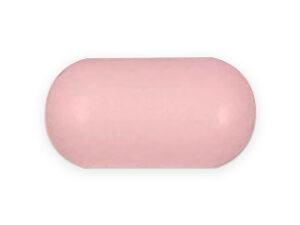
Floxin (Ofloxacin) – Patient Guide (Australia)
Floxin is a brand of ofloxacin, a medicine from the fluoroquinolone group of antibiotics. It is used to treat certain bacterial infections. This guide explains how Floxin works, how it is taken, common safety considerations, and what to expect while you’re using it.
Important: Antibiotics treat only bacterial infections. They do not work for viral illnesses such as colds or flu. If symptoms are severe, worsening, or you are unsure which infection you have, seek medical advice promptly.
Key Product Information
| Product name | Active ingredient | Medicine type | Common form |
|---|---|---|---|
| Floxin | Ofloxacin | Antibiotic (fluoroquinolone) | Oral tablets (strengths vary) |
- What it treats: Selected bacterial infections depending on local guidance and test results.
- How it works: Prevents bacteria from making DNA needed for survival and replication.
- Where it’s used: Often for infections involving the urinary tract and certain other sites, when appropriate.
How Floxin Works (Mechanism of Action)
Ofloxacin works by inhibiting bacterial enzymes that are essential for bacterial DNA. Specifically, it targets:
- DNA gyrase (topoisomerase II)
- Topoisomerase IV
These enzymes help bacteria unwind, cut, and repair their DNA during growth and division. By blocking these steps, ofloxacin interferes with bacterial replication, leading to bacterial death or inability to multiply.
Why this matters: The medicine is effective when the infection is caused by bacteria that are susceptible to fluoroquinolones. Using it for the wrong condition (for example, viral infections) can be ineffective and may increase the risk of antibiotic resistance.
Pharmacokinetics (How Your Body Handles Ofloxacin)
Pharmacokinetics describes what happens to a medicine in the body—how it’s absorbed, distributed, processed, and eliminated.
- Absorption: Ofloxacin is absorbed after oral dosing. Food can reduce peak blood levels (see “Food interactions”), though overall absorption may still be adequate depending on the situation.
- Distribution: It can distribute to various tissues and fluids. In general, it achieves useful levels in the urinary tract for many urinary infections.
- Metabolism: Only a small portion is metabolised.
- Elimination: Ofloxacin is primarily cleared by the kidneys through urine. This means dose adjustments may be needed if kidney function is reduced.
- Half-life: The medicine has a moderate elimination half-life, supporting typical dosing schedules (often once or twice daily depending on the indication).
What Floxin Is Used For (Typical Use and Indications)
Ofloxacin is used for specific bacterial infections where it is an appropriate antibiotic choice. The exact indication can vary depending on:
- The infection site (e.g., urinary tract, certain gastrointestinal or respiratory infections)
- Susceptibility patterns (which antibiotics the bacteria respond to in your area)
- Local and national guidelines
- Your medical history (e.g., allergies, kidney function)
- Severity and risk factors
Common infection categories where fluoroquinolones may be considered include:
- Urinary tract infections (UTIs), including some complicated cases
- Prostatitis (inflammation/infection of the prostate) due to susceptible bacteria
- Some respiratory or other bacterial infections in selected situations
Note: Not all infections are appropriate for ofloxacin. In many settings, clinicians may prefer other antibiotics first based on effectiveness, safety, and resistance patterns.
When to Take Floxin (Timing, Missed Doses, and Course Completion)
Taking Floxin correctly helps ensure adequate antibiotic levels and improves the chance of successful treatment.
Typical timing
- If you are prescribed a once-daily schedule: take it at the same time each day.
- If you are prescribed a twice-daily schedule: separate doses evenly (for example, morning and evening).
How long to take it
Finish the full course you’ve been advised. Even if you feel better, stopping early may allow surviving bacteria to regrow, potentially leading to relapse or resistance.
If you miss a dose
- Take the missed dose as soon as you remember.
- If it is close to your next scheduled dose, skip the missed dose—don’t double up.
- If you’re unsure what to do, ask a pharmacist for advice.
Food Interactions (With and Without Meals)
Ofloxacin can generally be taken with or without food. However, certain foods and supplements can affect absorption.
- General: You may take Floxin with water. If it upsets your stomach, taking it with a meal may help.
- Absorption reducers (avoid timing conflicts): Fluoroquinolones can bind to minerals, which may reduce absorption. Pay special attention to products containing:
- Iron
- Zinc
- Magnesium (including some antacids)
- Calcium (including some supplements)
Practical approach: Keep a time gap between Floxin and mineral-containing products or antacids. A common safety approach is spacing by at least 2 hours before or 4–6 hours after such products—however, always follow your healthcare professional’s instructions or the product label guidance.
Alcohol and Medicine Interactions
Alcohol
While moderate alcohol may not directly “cancel” ofloxacin, alcohol can increase side effects such as:
- Dizziness or light-headedness
- Stomach irritation or nausea
- Fatigue and reduced alertness
Recommendation: It’s best to avoid alcohol while you’re taking Floxin, or keep it minimal, and stop alcohol if you feel unwell.
Important medicine interactions
Certain medicines can interact with ofloxacin by affecting effectiveness, absorption, or risk of side effects.
- Warfarin and other blood thinners: Fluoroquinolones may increase bleeding risk by affecting clotting control (INR). Close monitoring may be needed.
- Non-steroidal anti-inflammatory drugs (NSAIDs) (e.g., ibuprofen, naproxen):
- Using NSAIDs with fluoroquinolones may increase the risk of nervous system effects such as seizures in susceptible people.
- Diabetes medicines (insulin or tablets): Fluoroquinolones can affect blood sugar, potentially causing hypoglycaemia or hyperglycaemia, especially in people with diabetes.
- Theophylline (less commonly used now):
- May increase the risk of theophylline-related side effects.
- Corticosteroids (e.g., prednisolone):
- Combined use may increase tendon injury risk.
- Mineral supplements/antacids containing iron, zinc, magnesium, or calcium:
- These can reduce absorption—separate doses as advised.
Tip: Tell your pharmacist or doctor about all medicines you take, including vitamins, supplements, and “over-the-counter” products.
Dosing Information (General Guidance)
Dosing depends on the infection type, severity, kidney function, and local prescribing practices. Typical dosing regimens may include once-daily or twice-daily schedules.
Do not change your dose unless instructed by a healthcare professional. If you have reduced kidney function, a lower dose or longer interval may be necessary.
- Adults: Dosage schedules vary by indication.
- Children and adolescents: Use in younger patients is more restricted due to safety considerations of the class.
- Kidney impairment: Dose adjustments are often required.
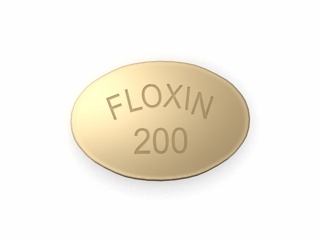
If you’re viewing Floxin for a specific strength (for example, 200 mg or 300 mg tablets—strengths can vary by product), always follow the dosing instructions on your label or those provided by your healthcare professional.
Safety Profile and Side Effects
Like all medicines, Floxin can cause side effects. Many are mild and improve as your body adjusts, but some effects require urgent attention.
Common side effects
- Nausea
- Stomach discomfort or abdominal pain
- Diarrhoea
- Headache
- Dizziness
- Changes in sleep (in some people)
Serious side effects (seek urgent medical help)
Contact urgent medical services or seek immediate care if you experience:
- Tendon pain or injury (especially Achilles tendon):
- Pain, swelling, or difficulty walking can be warning signs.
- Stop activity and seek advice promptly.
- Allergic reaction:
- Swelling of face/lips, breathing difficulties, widespread rash, or severe hives.
- Severe or persistent diarrhoea, especially if watery or bloody:
- This can indicate a serious bowel infection.
- Signs of nerve problems such as tingling, numbness, burning pain, or weakness.
- Seizures or severe agitation/confusion.
- Heart rhythm symptoms (palpitations, fainting) in people at risk.
- Unusual bruising or bleeding (especially if you use warfarin).
Risk considerations (who should be extra careful)
Fluoroquinolones have specific warnings. People may be at higher risk of certain complications, particularly if they:
- Are older adults
- Have kidney impairment
- Have a history of tendon disorders
- Use oral corticosteroids
- Have known nerve disorders
- Have a history of epilepsy or seizure disorders
- Have a history of abnormal heart rhythm or take medicines that can affect heart rhythm
Practical Use Tips (How to Get the Best Outcome)
- Take with adequate water: helps reduce stomach irritation.
- Complete the course: do not stop early if you feel better.
- Separate mineral supplements: keep a time gap from iron, zinc, magnesium, or calcium products/antacids.
- Stay hydrated: particularly if you are treated for urinary infections.
- Monitor your symptoms: improvement is expected over time; if you worsen, contact your clinician.
- Be cautious with driving or machinery: if you experience dizziness or light-headedness.
- Protect against injury: avoid intense exercise if you develop tendon discomfort.
If side effects occur: Mild upset stomach can often be managed by taking the dose with food (unless your clinician has advised otherwise). However, stop and seek medical advice for serious symptoms, including allergic reactions, tendon pain, or severe diarrhoea.
Alternative Options
Depending on the infection and bacterial susceptibility, clinicians may choose other antibiotics or treatments. Alternatives can include:
- Other antibiotic classes (for example, depending on infection site and local guidelines)
- Targeted therapy
- Symptom management alongside antibiotic therapy when appropriate
Why alternatives matter: If your infection does not respond to the first antibiotic, or if resistance is suspected, your clinician may switch to a different medicine based on test results and your safety profile.
Market and Legal Context for Australia
In Australia, medicines containing antibiotics—including fluoroquinolones like ofloxacin—are regulated and supplied in line with Therapeutic Goods Administration (TGA) requirements and state/territory medicines legislation.
- Quality and standards: Products must meet Australian regulatory standards for quality, safety, and performance.
- Antibiotic stewardship: Australia follows guidance aimed at using antibiotics appropriately to reduce resistance.
- Availability: Supply may depend on stock levels, PBS arrangements (if applicable), and formulation availability.
For patients: Use antibiotics only when indicated for bacterial infections, follow the full course, and avoid sharing medicines with others.
Recent Guidance and Stewardship Notes (Australia)
Antibiotic prescribing guidelines in Australia emphasise:
- Right drug, right dose, right duration
- Consideration of local resistance patterns
- Avoiding unnecessary fluoroquinolone use when other options are suitable, due to safety considerations and resistance concerns
- Using cultures where helpful (particularly for recurrent or complicated infections)
Because fluoroquinolones have important potential side effects, clinicians often weigh benefits versus risks and may use them when other treatments are less suitable.
Delivery and Availability (Online Pharmacy Information)
Availability can vary depending on formulation strength and current supply. When ordering online in Australia, typical considerations include:
- Stock confirmation: some items may be subject to availability updates.
- Packaging: medicines are generally shipped in protective packaging to maintain integrity during transport.
- Delivery timeframes: can differ by state, shipping method, and courier capacity.
- Cold chain: ofloxacin tablets generally do not require refrigeration.
If you have an urgent need for treatment, check delivery options and contact customer support for estimated dispatch times.
FAQ: Common Questions About Floxin (Ofloxacin)
1) What infections does Floxin treat?
Floxin (ofloxacin) treats certain bacterial infections when the responsible bacteria are susceptible. It may be considered for infections such as some UTIs and other selected bacterial conditions, depending on clinical judgement and local guidance.
2) How quickly should I feel better?
Many people begin to feel some improvement within 48–72 hours. If there is no improvement, symptoms worsen, or you develop new concerning symptoms, contact your clinician or pharmacist.
3) Can I take Floxin with food?
Yes. Taking it with food may reduce stomach upset. However, avoid taking it at the same time as mineral supplements or antacids containing iron, zinc, magnesium, or calcium.
4) Should I drink alcohol while taking Floxin?
It’s generally best to avoid or limit alcohol because it may worsen side effects such as dizziness and stomach irritation. Stop alcohol if you feel unwell.
5) What if I forget a dose?
Take it when you remember unless it’s near your next dose. Don’t double up. If you’re unsure, ask a pharmacist.
6) Are there foods I should avoid?
No specific foods are universally forbidden. The main concern is timing with mineral-containing supplements and antacids. Also consider that very heavy meals may affect tolerability for some people.
7) What are the warning signs I should not ignore?
Seek urgent advice for signs of an allergic reaction, severe/persistent diarrhoea, tendon pain, numbness/tingling, seizures, or significant worsening symptoms.
8) Can Floxin interact with other medicines?
Yes. Important interactions can include medicines for blood thinning (e.g., warfarin), diabetes, NSAIDs, theophylline, and corticosteroids. Always tell your pharmacist about all medicines and supplements you use.
9) Is it safe for everyone?
Not necessarily. People with certain medical conditions (such as kidney impairment, seizure disorders, or risk factors for tendon injury) may need extra caution or an alternative antibiotic.
10) What should I do if I get mild side effects?
Mild nausea or headache can often be managed with hydration and taking the dose with food. If side effects are persistent, severe, or worrying, seek advice promptly.
Summary
Floxin (ofloxacin) is an oral antibiotic used to treat specific bacterial infections. It works by stopping bacteria from repairing and duplicating their DNA. While it can be effective, it has important safety considerations typical of fluoroquinolone antibiotics—particularly regarding tendon injury, nerve symptoms, and severe diarrhoea. Proper timing, avoiding mineral-antacid interactions, and completing the full course help maximise effectiveness and safety.
If you have questions about whether Floxin is appropriate for your condition, or how to manage interactions with your current medicines, speak with a pharmacist for personalised advice.