Ciprofloxacin + Dexamethasone (Ciprofloxacin/Dexamethasone)
Ciprofloxacin + dexamethasone is a combination medicine commonly used in ear and eye conditions where both an infection and inflammation need to be treated together. It combines ciprofloxacin, an antibiotic that targets bacteria, with dexamethasone, a corticosteroid that helps reduce swelling and inflammatory symptoms.
This page provides patient-friendly information about how the medicine works, how it is typically used, important safety considerations, and what to expect in day-to-day use in Australia.
Basic product information
- Common names: Ciprofloxacin + Dexamethasone; Ciprofloxacin/Dexamethasone
- Medicines included: Ciprofloxacin (antibiotic) + Dexamethasone (corticosteroid)
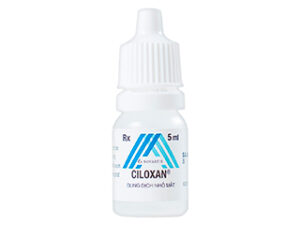
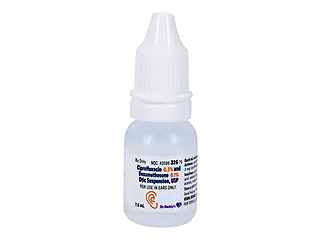
- Formulations: Commonly available as ear drops or eye drops (formulation varies by product brand)
- How it works: Treats bacterial infection and reduces inflammation
Note: Product strength and the exact dosing schedule depend on the specific brand and whether the medicine is used for the ear or the eye.
How it works (mechanism of action)
Ciprofloxacin (antibiotic component)
Ciprofloxacin is a fluoroquinolone antibiotic. It works by interfering with bacterial DNA replication. Specifically, it inhibits enzymes called DNA gyrase and topoisomerase IV, which bacteria need to multiply. This leads to bacterial death or prevents bacterial growth.
Dexamethasone (anti-inflammatory component)
Dexamethasone is a corticosteroid. It helps calm inflammation by reducing the release of inflammatory mediators, decreasing swelling, and limiting immune-driven tissue reactions. In eye and ear conditions, this can relieve pain, redness, itching, and swelling.
Why the combination matters: Some ear and eye problems involve both bacterial infection and significant inflammation. Using both agents together can improve symptom relief while addressing the cause.
Pharmacokinetics (what the body does to the medicine)
Because ciprofloxacin + dexamethasone is typically used as topical drops (ear or eye), absorption into the bloodstream is often limited compared with tablets. However, some absorption can occur, especially if:
- the treated area has inflamed or damaged tissue
- the product is used frequently or over a prolonged period
- there is a large surface area or compromised local barriers
In general terms:
- Ciprofloxacin may be partially absorbed and then distributes in the body. It is eliminated mainly via the kidneys.
- Dexamethasone can also be absorbed to a lesser or greater extent depending on tissue condition, and it is metabolised by the liver and cleared from the body.
Your exact exposure will vary by the product strength, application site (ear versus eye), and the condition being treated.
Typical use and indications
Ciprofloxacin + dexamethasone is used for selected inflammatory and infectious eye or ear conditions where bacterial infection is suspected or confirmed and inflammation needs to be controlled.
Common indications (general)
- Eye: Infections with associated inflammation where a clinician considers both antibiotic coverage and steroid treatment appropriate.
- Ear: Bacterial ear infections with significant inflammation (e.g., certain otic infections where drops are suitable).
Important: Steroids can reduce symptoms, but they do not treat all causes of eye/ear problems. If symptoms worsen or do not improve, the diagnosis may need reassessment.
Timing: when to use and for how long
Timing depends on the specific formulation and condition. Many topical regimens require drops several times daily for a limited course.
General practical guidance
- Try to space doses evenly during waking hours.
- Use the same times each day to help maintain consistent coverage.
- Do not stop early if improvement starts—complete the course unless advised otherwise.
- Do not use longer than recommended by your healthcare professional or the product instructions, because steroids can increase the risk of complications with prolonged use.
If you miss a dose, apply it as soon as you remember unless it is near the next dose. Avoid doubling doses.
Dosing information (general guidance)
Dosing must be individualised to the condition and the product strength. Below is general information to help you understand how dosing is typically approached with topical combinations.
Common dosing patterns
- Eye drops: Often involve multiple daily instillations. The frequency and duration depend on severity.
- Ear drops: Often involve several daily doses with attention to proper technique (see “Practical use tips”).
Always check: your specific product label/instructions for the exact number of drops and dosing schedule.
How to apply drops safely
- Wash hands before and after use.
- Use clean tissues to wipe any excess liquid.
- Avoid touching the tip of the bottle to the eye or ear canal (to reduce contamination).
Food interactions
For topical ciprofloxacin + dexamethasone, food interactions are usually not expected because systemic absorption is generally limited. Still, if you are taking other medications by mouth, it is important to consider overall drug interactions (see below under “Medicine interactions”).
If your formulation is oral (less common) or if you have been advised on a specific product type, consult your product information or healthcare professional.
Alcohol and medicine interactions
There are typically no direct alcohol–topical ciprofloxacin/dexamethasone interactions comparable to systemic medicines. However, alcohol can worsen irritation or dehydration-related discomfort for some people (especially with eye symptoms).
Practical advice
- If you notice increased irritation or slower healing after alcohol, consider limiting alcohol while you complete treatment.
- Avoid drinking alcohol if you feel unwell or if you are managing other conditions that require caution.
Medicine interactions
Because this medicine is usually used locally, interactions are less common than with oral antibiotics. However, interactions can still occur indirectly or due to systemic absorption.
- Other eye/ear products: Use at different times and avoid contamination of drops/ointments.
- Contact with other ophthalmic preparations: If you use other eye medicines, keep an appropriate interval between products.
- Immunosuppressing medicines: Steroids can add to immune effects if there is significant absorption or concurrent steroid use.
To be safe, tell your pharmacist or healthcare professional about all medicines you use (including tablets, creams, and herbal supplements).
Safety profile and side effects
Common side effects
- Local irritation (burning/stinging or discomfort after application)
- Redness or mild swelling
- Temporary blurred vision (for eye drops) immediately after use
- Unpleasant taste (more common with some eye drop techniques)
- Itching or dryness at the application site
Less common but important risks
- Increased pressure in the eye (steroid-related risk with prolonged use)
- Slower wound healing in some infections
- Secondary infections (steroid effects can mask symptoms or promote growth of non-susceptible organisms)
- Allergic reactions (rare)
Seek urgent medical advice if you experience
- Severe pain in the eye or ear
- Marked worsening of redness, swelling, or discharge
- Vision changes that do not quickly improve after application
- Symptoms of allergy (rash, swelling of face/lips, difficulty breathing)
- No improvement after a few days of treatment (exact timing depends on condition)
Who should use extra caution?
- People with glaucoma or a history of raised intraocular pressure (eye use)
- People with suspected viral eye/ear conditions (steroids can worsen some viral infections)
- Individuals with known allergy to ciprofloxacin, other quinolone antibiotics, or corticosteroids
- Those using other steroid-containing medicines
- Children and older adults (dosing and safety should be confirmed by a clinician)
Practical use tips (to get the best results)
Eye drop technique
- Wash hands.
- Gently pull down the lower eyelid to create a small pocket.
- Instil the prescribed number of drops without touching the eye with the bottle tip.
- Close the eye gently and press lightly on the inner corner of the eye (near the nose) for about 1 minute. This can reduce drainage and may improve local effect.
- If using multiple eye products, wait between them as advised (commonly several minutes).
Ear drop technique
- Wash hands.
- Warm the bottle in your hand for a minute if drops feel cold.
- Lie with the affected ear upward (or tilt your head) to help drops enter the ear canal.
- Gently pull the ear to straighten the canal (adults: pull up and back; children: pull down and back).
- Instil the drops and keep the head tilted for a few minutes.
- Follow instructions about ear packing if advised.
Avoid: inserting cotton buds or objects into the ear canal, unless specifically instructed.
Hygiene and contamination prevention
- Do not share the product with others.
- Keep the cap tightly closed.
- Check expiry date and discard if the product becomes contaminated or the seal is broken.
What to expect during treatment
- Symptoms such as redness, itching, swelling, or pain often improve within a few days.
- Because steroids reduce inflammation, symptom relief may occur even if infection is still present—so it is important to complete the recommended course.
- If symptoms do not improve or they worsen, seek medical advice promptly. Persistent symptoms may indicate an incorrect diagnosis, an organism resistant to ciprofloxacin, or a non-bacterial cause.
Alternative options
Alternatives depend on the cause (bacterial vs viral vs fungal), severity, and whether inflammation is a major component. Common alternative strategies may include:
Possible alternatives
- Antibiotic-only drops (no steroid) when inflammation is mild or steroid use is not appropriate.
- Steroid-only drops (used cautiously and only for non-infectious inflammatory conditions).
- Different antibiotic combinations tailored to local resistance patterns and the likely organism.
- Supportive care (pain relief, gentle cleaning, keeping the area dry) alongside targeted treatment.
Your pharmacist or doctor can advise on the most suitable alternative based on symptoms and history.
Market and legal context in Australia
In Australia, medicines are regulated through the Australian Therapeutic Goods Administration (TGA). The availability category (for example, whether it is prescription-only or requires specific authority) depends on the product formulation, strength, and intended use.
Many antibiotic and steroid-containing eye/ear preparations are restricted to ensure appropriate diagnosis and prevent misuse, especially because steroids can mask symptoms and affect certain infections.
For the most accurate and up-to-date availability information, check the product’s listing on a reputable Australian pharmacy website and follow the instructions provided with the specific brand.
Recent guidance (general): Australian antimicrobial stewardship encourages appropriate selection of antibiotics, correct duration of therapy, and avoidance of unnecessary use. Steroids in particular require careful use due to risks such as secondary infections and increased intraocular pressure with longer courses.
Delivery and availability (online pharmacy)
Availability varies by brand and strength. Online pharmacies in Australia may offer:
- Home delivery to eligible metro and regional areas
- Express options depending on location
- Tracking once dispatched
- Cold chain is usually not required for standard eye/ear drops, but always follow product-specific storage instructions
Typical delivery time depends on stock status and courier service. If a product is temporarily out of stock, some pharmacies offer substitution with an equivalent formulation (where permitted) or an estimated restock date.
Storage instructions
- Store according to the label (commonly at controlled room temperature).
- Keep out of direct sunlight and away from moisture.
- Keep out of reach of children.
- After opening, follow “use by after opening” guidance if provided.
Frequently asked questions (FAQ)
1) What is ciprofloxacin + dexamethasone used for?
It is used to treat selected eye or ear conditions where a bacterial infection may be present together with inflammation. The antibiotic component targets bacteria, while dexamethasone helps reduce inflammation and related symptoms.
2) How quickly will I feel better?
Many people notice improvement within a few days. However, symptom relief may occur from the steroid component while infection is still being treated. It’s important to continue the course as instructed.
3) Can I wear contact lenses?
For eye conditions, contact lens use may be discouraged during treatment, especially if there is infection or irritation. Follow the instructions provided with your product or ask your pharmacist. If using contact lenses is allowed, ensure strict hygiene and follow advice on when to resume.
4) Is this medicine safe for children?
Safety and dosing depend on the child’s age, the condition being treated, and the exact product. Use only as advised and confirm dosing instructions with a healthcare professional or pharmacist.
5) What if my symptoms get worse?
If symptoms significantly worsen, or if you develop severe pain, worsening discharge, or changes in vision/hearing, seek prompt medical advice. Worsening may indicate an incorrect diagnosis or complications requiring different treatment.
6) Can I drive after using eye drops?
Some eye drops may cause temporary blurred vision. Wait until your vision is clear before driving or operating machinery.
7) Are there food interactions?
For topical use, food interactions are typically not a concern. If you take other medicines by mouth, still inform your pharmacist about your full medication list to check overall interactions.
8) Can I drink alcohol?
There are usually no direct alcohol interactions with topical ciprofloxacin + dexamethasone. Still, alcohol can worsen how you feel or make irritation more noticeable, so consider limiting alcohol while you recover.
9) What should I do if I miss a dose?
Apply the missed dose as soon as you remember, unless it is close to the next dose. Do not apply extra doses to make up for a miss.
10) What are the risks of using it for too long?
Because dexamethasone is a steroid, prolonged use can increase risks such as higher eye pressure, slower healing, and secondary infections. Use only for the recommended duration for your specific condition.
Summary
Ciprofloxacin + dexamethasone combines an antibiotic with an anti-inflammatory corticosteroid to treat certain eye or ear problems where bacterial infection and inflammation occur together. Correct technique, consistent timing, and completing the recommended course are key to achieving the best outcome. If symptoms don’t improve or you experience severe pain, vision changes, or signs of allergy, seek urgent medical advice.
Always refer to the specific product label and your pharmacist’s advice for the most accurate dosing, duration, and use instructions for your situation.