Rifampin (Rifampicin) — Patient Information (Australia)
Rifampin (also known as rifampicin) is an antibiotic used to treat several serious bacterial infections. It is widely recognised in clinical practice and has an important role in the treatment of tuberculosis (TB), including drug-sensitive disease and certain complex regimens under specialist guidance. Rifampin works by blocking bacterial processes essential for survival.
This page is written to help you understand how rifampin works, what to expect during treatment, how to take it safely, and what to know about interactions (including alcohol and other medicines). It is general information and does not replace advice from a qualified healthcare professional.
Basic product information
- Medicine name: Rifampin / Rifampicin
- Class: Antibiotic (rifamycin)
- Common forms: Tablets/capsules (strengths vary by brand), and other formulations depending on product availability
- Typical storage: Store below 25°C (unless your specific product label states otherwise). Keep in a dry place.
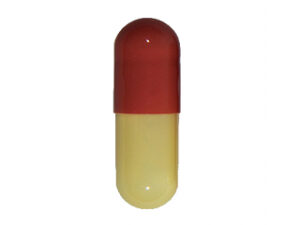
- Appearance: Often orange-red tablets/capsules; urine and body fluids may turn orange/red (a known effect)
Note: Brand names and product strengths differ in Australia. Always check your specific pack label.
How rifampin works (mechanism of action)
Rifampin targets a bacterial enzyme called DNA-dependent RNA polymerase. By binding to this enzyme, rifampin prevents bacteria from making essential proteins, effectively stopping growth and killing susceptible bacteria.
Rifampin is bactericidal (it kills bacteria), and it can act quickly against actively dividing organisms. Because it has a powerful effect, it is often used in combination antibiotic regimens—especially for tuberculosis—to reduce the risk of resistance.
Pharmacokinetics (how the body processes rifampin)
Pharmacokinetics describes what the body does to a medicine—how it absorbs, distributes, metabolises, and eliminates it. Key points for rifampin include:
- Absorption: Rifampin is absorbed from the gastrointestinal tract. Food can affect how quickly it reaches peak levels.
- Peak levels: Peak blood concentrations typically occur a few hours after dosing (timing varies by formulation).
- Metabolism: Rifampin is metabolised mainly by the liver.
- Enzyme induction: It strongly induces several drug-metabolising enzymes (notably the CYP system) and transport proteins. This can significantly reduce the levels of many other medicines.
- Elimination: Rifampin and its metabolites are eliminated primarily via bile and urine (and may contribute to orange/red discolouration of bodily fluids).
- Half-life: The elimination half-life can vary and may be shorter with repeated dosing due to enzyme induction.
Because rifampin affects liver enzymes, its interaction potential is a major practical consideration for patients.
Typical use
Rifampin is used to treat or prevent infections caused by susceptible bacteria. The best-known use in Australia is in tuberculosis (TB) regimens.
Common indications
- Tuberculosis (TB): As part of multi-drug TB therapy (for drug-sensitive TB and in combination regimens for other scenarios).
- Treatment of certain bacterial infections: Depending on local guidelines, susceptibility, and clinician assessment.
- Prophylaxis in specific situations: In some TB exposure or prevention strategies, rifampin may be used for selected individuals to reduce transmission risk.
In practice, rifampin is usually one component of a planned course, because using it alone can increase the chance of bacterial resistance. Your treatment plan should be based on culture results, susceptibility testing, and current local guidance.
Indications and evidence-based reasons it is chosen
| Indication area | Clinical goal | Why rifampin is used |
|---|---|---|
| Tuberculosis (TB) | Eradicate infection, reduce contagiousness, prevent relapse | Rifampin has potent activity against TB bacteria and is used with other TB medicines to prevent resistance |
| Other susceptible bacterial infections | Treat infection caused by susceptible bacteria | Used when the organism is expected to be sensitive and regimen requirements are met |
| TB prevention (selected cases) | Reduce risk of developing active TB after exposure | May be part of guideline-based prophylaxis strategies |
How to take rifampin: timing and practical guidance
Correct timing helps maintain effective antibiotic levels and supports adherence. Always follow the instructions provided with your specific product and plan.
General timing guidance
- Consistency: Take rifampin at the same time each day.
- With or without food: You may be instructed to take it on an empty stomach for best absorption, or with food if it causes stomach upset. Follow your pack instructions.
- Spacing with other medicines: Because rifampin interacts with many drugs, separate dosing may be considered—but note that enzyme induction can still affect other medicines even if taken at different times.
If you miss a dose
- Take it as soon as you remember if it is close to the scheduled time.
- If it is almost time for the next dose, skip the missed dose and continue your schedule.
- Do not double the dose.
- If missed doses are frequent or treatment has been interrupted, speak with a clinician promptly for advice.
Food interactions
Rifampin absorption can be influenced by food, although the exact effect depends on the formulation and individual factors. Some patients experience less nausea when taking rifampin with food, while others may be advised to take it on an empty stomach for optimal absorption.
Practical approach:
- Follow your specific label instructions: They are designed for that product formulation.
- If advised empty stomach: Take it at least about 1 hour before meals or 2 hours after meals (or as directed by your packaging).
- If you get stomach upset: Discuss options with your healthcare professional before changing how you take it.
Also consider that TB regimens often include several medicines. Taking each medicine consistently (in relation to meals) can be important. If you are unsure, ask your pharmacist for a personalised routine.
Alcohol and medicine interactions
Alcohol
It is generally recommended to avoid or minimise alcohol while taking rifampin, because rifampin can affect the liver. Alcohol may increase the burden on the liver and can worsen side effects such as nausea, fatigue, and liver enzyme elevations.
- Avoid binge drinking.
- If you drink regularly, talk with your clinician about safe limits and liver monitoring.
Medicine interactions (major issue)
Rifampin is a strong enzyme inducer. This means it can lower the effectiveness of many medicines by increasing their metabolism, sometimes leading to treatment failure or loss of protection.
Tell your pharmacist and clinician about all medicines you take, including:
- Prescription medicines
- Over-the-counter medicines
- Herbal products (e.g., St John’s wort)
- Supplements
Important categories to discuss
- Hormonal contraceptives: Rifampin can reduce the effectiveness of oral contraceptive pills, patches, and some implants. Use of reliable non-hormonal contraception may be needed.
- Anticoagulants: Rifampin can change warfarin and other anticoagulant levels.
- HIV medicines: Interactions can be significant; regimens may require adjustment.
- Antifungals and antivirals: Many are affected by enzyme induction.
- Anti-seizure medicines: Some seizure medicines require monitoring and dose adjustments.
- Immunosuppressants: Rifampin can lower levels and increase risk of transplant rejection or loss of control of autoimmune disease.
- Diabetes medicines: Some patients may see changes in blood glucose control.
Practical interaction tips
- Before starting rifampin, ask your pharmacist for an interaction check.
- Do not start or stop medicines or supplements without checking first.
- Keep a current list of your medicines and bring it to appointments.
- Watch for reduced effectiveness of key treatments (e.g., contraceptive failure, breakthrough infections, loss of seizure control).
Dosing: general information
Rifampin dosing varies widely depending on the condition being treated, the regimen used (especially for TB), your age, weight, liver function, and other medicines you may be taking. Your healthcare professional will determine the correct dose.
Typical dosing patterns (overview)
- TB regimens: Dosing is usually based on body weight and is commonly taken as a daily dose for the intensive phases and later stages according to guideline schedules.
- Other infections: Dose and frequency depend on organism susceptibility and treatment goals.
- Prevention in selected TB exposure cases: Dosing may differ from treatment regimens.
Because rifampin strongly interacts with other medicines and requires careful clinical planning, it is important to use the dose and schedule provided for your specific diagnosis.
Important: If you experience vomiting soon after taking a dose, the dose may not have been absorbed. Seek advice for what to do next rather than guessing.
Safety profile: what to watch for
Like all medicines, rifampin can cause side effects. Many are mild and manageable, but some effects require prompt medical attention. If you have severe symptoms, seek urgent help.
Common/expected effects
- Orange/red discolouration of urine and other body fluids: This is expected and harmless in most cases.
- Stomach upset: Nausea, abdominal discomfort, indigestion.
- Headache or mild fatigue.
- Temporary mild changes in liver blood tests.
Serious side effects (seek medical advice promptly)
- Signs of liver problems: yellowing of the skin/eyes (jaundice), dark urine beyond expected orange/red urine, severe fatigue, persistent nausea/vomiting, or upper abdominal pain.
- Allergic reactions: rash, itching, swelling of face/lips, breathing difficulties.
- Severe skin reactions: widespread rash, blistering, or peeling skin.
- Flu-like syndrome: fever, chills, muscle aches that are severe or accompanied by other symptoms.
- Unusual bleeding or bruising (especially if you take anticoagulants—possible interaction).
Who should use caution
- Liver disease: Rifampin may require monitoring and dose adjustments.
- Older adults: Some patients may have increased sensitivity to side effects; monitoring may be needed.
- Those on multiple medicines: Interaction risk is higher; pharmacists may need to review your full medicine list.
- People with previous intolerance to rifamycin antibiotics.
Practical use tips for successful treatment
- Adherence matters: Complete the full course exactly as directed. Stopping early can lead to treatment failure and resistance.
- Expect body-fluid colour changes: Rifampin can stain contact lenses and may discolour urine, tears, sweat, and some bodily fluids. Take care with personal hygiene products and fabrics.
- Plan for blood tests: Liver function tests may be monitored, particularly for longer courses or higher risk patients.
- Use a routine: Pair your dose with a daily habit (e.g., after brushing teeth) to reduce missed doses.
- Keep track of side effects: Note any rash, severe nausea, or unusual symptoms and report them promptly.
- Avoid unnecessary alcohol: Consider abstaining or limiting intake while your body adjusts.
- Check contraception needs: If applicable, ensure your contraception method is reliable during rifampin therapy.
Alternative options
Alternatives to rifampin depend on the infection type, bacterial susceptibility, and your medical history. For TB, rifampin is often a cornerstone medicine; however, when rifampin cannot be used due to intolerance, interactions, or resistance, clinicians may consider alternative rifamycin derivatives or other TB regimen components.
Possible alternative classes (depends on diagnosis)
- Other rifamycin antibiotics (when appropriate and available)
- Other TB drugs used in multi-drug regimens
- Alternative antibiotics for non-TB infections based on susceptibility results
If rifampin is not suitable, ask your clinician or pharmacist what options are appropriate for your condition and local guideline recommendations.
Market and legal context in Australia
In Australia, rifampin is an established prescription medicine used in hospital and community settings. Availability, brand presentation, and supply processes may vary by region and product. Your pharmacy may request details of your diagnosis and current medicine list to support safe dispensing and interaction checks.
The Australian healthcare system also emphasises antimicrobial stewardship and guideline-based TB management. Rifampin is typically used within structured regimens that include monitoring and follow-up where appropriate.
Recent guidance and monitoring considerations
Guidance for TB treatment and antibiotic choice can evolve based on emerging evidence, resistance patterns, and public health recommendations. Healthcare teams often follow:
- National TB management guidance and local health service protocols
- Drug susceptibility results where available
- Monitoring plans for liver function, drug interactions, and adherence
Rifampin’s interaction profile remains a consistent focus of safety updates, and patients are routinely advised to review medication lists (including contraceptive methods and chronic therapies) before and during treatment.
Delivery and availability (online pharmacy)
Availability of rifampin products can vary depending on strength, formulation, and stock levels. When ordering online in Australia, your pharmacy may:
- Confirm the requested product matches what your clinician recommended (including strength and dosing schedule)
- Perform medicine interaction checks using your supplied details
- Arrange delivery to your nominated address (delivery times vary by location and carrier)
Delivery tip: Ensure someone can receive the parcel if signature or special handling is required. Store the medicine as directed on the pack immediately after delivery.
FAQ
1. Why does rifampin turn my urine orange/red?
Rifampin can cause orange/red discolouration of urine and other body fluids. This is a common, expected effect. If you also notice yellowing of eyes/skin, severe fatigue, or dark urine that seems unusual beyond expected staining, seek medical advice.
2. Can I take rifampin with food?
Some patients can take rifampin with food to reduce stomach upset, but absorption and timing can vary. Follow the instructions on your specific product label or the schedule you were given. If you want to change how you take it, speak with your pharmacist first.
3. Does rifampin reduce the effectiveness of birth control?
Rifampin can reduce the effectiveness of hormonal contraceptives in many cases. Discuss contraception options early with a pharmacist or clinician so you can plan reliable protection during treatment.
4. Is it safe to drink alcohol while taking rifampin?
It’s generally recommended to avoid or minimise alcohol, because both alcohol and rifampin can affect the liver. Ask your clinician for advice on safe limits for your situation, particularly if you have liver risk factors.
5. What interactions are the most important to know about?
Rifampin can interact with many medicines due to enzyme induction, including (but not limited to) hormonal contraceptives, anticoagulants, HIV medicines, some seizure medications, immunosuppressants, and antifungals/antivirals. Always provide your full medication list to your pharmacist for an interaction check.
6. What should I do if I forget a dose?
Take the dose when you remember if it’s close to the scheduled time. If it is nearly time for the next dose, skip the missed dose. Do not double up. If you miss multiple doses or treatment has been interrupted, contact your clinician promptly.
7. When should I call for urgent help?
Seek urgent medical help if you develop signs of serious allergic reaction (swelling, trouble breathing), severe or widespread rash, symptoms of significant liver injury (yellow skin/eyes, severe weakness, persistent vomiting), or other severe symptoms.
8. Will rifampin affect my other laboratory tests?
Rifampin can influence liver function tests and may change results for some laboratory assessments. Monitoring is often planned during treatment; keep appointments and inform clinicians that you are taking rifampin.
9. How long will I need to take rifampin?
Treatment length depends on your diagnosis, regimen, and response to therapy. Rifampin is usually used as part of a planned course, especially for TB. Do not stop early even if you feel better—complete the schedule advised.
10. Are there alternatives if I can’t tolerate rifampin?
Alternatives depend on why rifampin can’t be used and the specific infection being treated. Your clinician may adjust the regimen or consider other medications that fit the diagnosis and susceptibility results.
Summary
Rifampin (rifampicin) is an effective antibiotic with an important role in treating infections such as tuberculosis. It works by blocking bacterial RNA synthesis and is known for causing orange/red discolouration of body fluids. While many side effects are manageable, the most critical safety consideration is its ability to interact with many other medicines through strong enzyme induction.
If you are starting rifampin, take it as directed, keep your medicine list up to date, minimise alcohol, and seek help promptly if you notice symptoms suggesting liver problems or an allergic reaction.