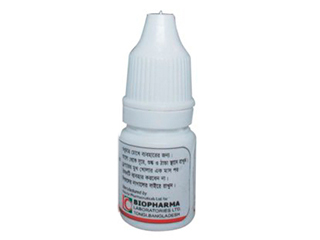
Ocuflox (Ofloxacin) — Patient Information (Australia)
Ocuflox contains ofloxacin, a medicine used to treat certain bacterial eye infections. This page explains how it works, how it’s used, important safety information, and what to know before and during treatment. It is written to be patient-friendly and easy to use for online pharmacy customers in Australia.
1) Basic product information
| Category | Details |
|---|---|
| Medicine | Ocuflox (ofloxacin) |
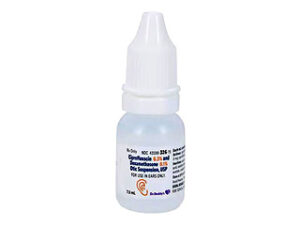
| Common form | Eye drops (and in some brands/markets, may be supplied as an eye ointment or drops—check your specific pack) |
| Active ingredient | Ofloxacin |
| Medicine type | Antibiotic (fluoroquinolone) |
| Who it’s for | People with bacterial infections of the eye, as advised by a clinician |
| Typical duration | Varies by condition (commonly several days to 1–2 weeks). Follow the instructions for your specific infection. |
If you are unsure which Ocuflox product strength or form you have, check the label on your carton or bottle. Different strengths and formulations exist.
2) How Ocuflox works (mechanism of action)
Ofloxacin is a fluoroquinolone antibiotic. It targets bacteria by interfering with essential bacterial enzymes involved in DNA replication:
- DNA gyrase
- Topoisomerase IV
By blocking these enzymes, ofloxacin prevents bacteria from multiplying effectively, helping the infection clear. This is why Ocuflox is used for bacterial eye infections, not viral or allergic causes.
3) Pharmacokinetics (how the body handles it)
With eye drops, most of the medicine acts locally on the surface of the eye. After instillation:
- Local exposure: Ofloxacin is present on the cornea and conjunctival tissues, helping suppress bacteria where needed.
- Absorption: A small amount can enter the bloodstream through absorption via the eye tissues and through the drainage pathways into the nose.
- Distribution and elimination: Any systemic absorption is typically limited; the drug is eventually cleared by normal body processes (primarily renal elimination).
Special notice: If you have kidney problems or are taking interacting medicines, tell your healthcare professional. The risk is usually low with eye drops, but individual circumstances vary.
4) Typical uses and indications
Ocuflox is used for bacterial infections of the eye or related structures. Common indications may include:
- Bacterial conjunctivitis (when bacterial causes are suspected)
- Corneal infections or corneal ulcers caused by susceptible bacteria
- Blepharitis or lid-margin infections due to susceptible bacteria (where appropriate)
- Other ocular infections as directed by a clinician
Ocuflox is not suitable for all causes of red or painful eyes. If symptoms suggest viral infection (e.g., watery discharge, contact with herpes symptoms) or allergy (itching, both eyes often affected), you may need a different approach.
5) Timing and how to use Ocuflox eye drops
The timing depends on the condition being treated and the instructions on your pack or by your clinician. Always follow your specific directions.
General timing guidance (typical approach)
- Early start matters: Begin treatment as soon as bacterial infection is suspected and advised.
- Spacing doses evenly: If using multiple doses per day, space them across waking hours.
- Complete the course: Even if symptoms improve quickly, finish the recommended number of days.
How to apply (practical steps)
- Wash your hands thoroughly.
- Do not touch the dropper tip to the eye, eyelids, fingers, or any surface.
- Gently pull down the lower eyelid to create a small pocket.
- Instil the prescribed number of drops into the eye pocket.
- Release the eyelid and close your eye gently.
- Keep your eye closed for about 1–2 minutes.
- Press lightly at the inner corner of the eye (near the nose) for 30–60 seconds if you can. This may reduce drainage into the nose and limit systemic absorption.
- Use a tissue to wipe away excess liquid from the eyelid/face.
- Wash your hands again.
If you miss a dose
- Use it as soon as you remember.
- If it’s close to the next dose, skip the missed dose and continue your schedule.
- Do not double dose to make up for a missed one.
6) Food interactions
For eye drops, direct food interactions are usually unlikely because absorption is typically local and low. However, certain factors still matter:
- Follow your usual diet during treatment.
- If you are taking multiple medications orally, confirm with your pharmacist or doctor if you have kidney issues or take medicines known to interact with antibiotics.
- Stay well hydrated, especially if you’re using other medicines that can affect the kidneys.
For most people using Ocuflox eye drops, no special dietary restrictions are generally required.
7) Alcohol and medicine interactions
There is usually no direct alcohol interaction expected with topical ophthalmic (eye) use because systemic exposure is limited. Still, alcohol can affect your recovery (dehydration, poorer sleep, reduced adherence to medication).
- Avoid heavy alcohol while symptoms are active and you are healing.
- If you drink alcohol, keep it moderate and maintain hydration.
Medicine interactions (important):
- Other eye medicines: If you also use other drops or ointments, separate them by at least 5–10 minutes unless your clinician advises otherwise. Ointments are usually last.
- Oral medicines: Systemic interactions are less likely with eye drops, but inform your healthcare professional if you are taking:
- Medicines that can affect blood clotting (e.g., warfarin)
- Antiarrhythmics or medicines known to affect heart rhythm (QT prolongation)
- Probenecid or cimetidine (more relevant for systemic dosing)
- Other antibiotics or medicines that influence seizures
If you’re taking multiple medicines, consult a pharmacist to ensure there are no clinically meaningful interactions for your personal profile.
8) Dosing (typical schedules)
Dosing depends on the specific eye condition, severity, and age. Always use the dose specified on your prescription/pack instructions and follow clinical advice.
Typical dosing patterns (examples—check your product label for exact instructions):
- Conjunctivitis: Often a few drops in the affected eye(s) several times per day, with a frequency that may decrease as the infection improves.
- More serious corneal infections: Dosing may be more frequent initially, then reduced based on response.
Do not exceed the recommended dose or frequency. Using drops too often can increase irritation and may delay healing.
9) Safety profile and side effects
Like all antibiotics, Ocuflox can cause side effects. Many are mild and temporary. If you experience severe symptoms or signs of allergy, stop use and seek medical help urgently.
Common or mild side effects
- Stinging/burning after instillation
- Redness or mild irritation
- Watery eyes or discomfort
- Blurred vision temporarily (avoid driving until your vision clears)
- Dryness or gritty sensation
Less common but important side effects
- Allergic reactions (itching, swelling of eyelids, rash)
- Worsening eye pain or significant light sensitivity
- Persistent or increasing discharge despite treatment
- Severe redness or deterioration in vision
Seek urgent care if you have
- Sudden or worsening vision changes
- Severe eye pain, marked light sensitivity, or inability to open the eye
- Symptoms that are rapidly worsening over hours
- Signs of a serious allergic reaction (breathing difficulty, facial swelling, widespread rash)
Contact lenses
If you wear contact lenses, you should generally avoid using them during treatment unless your clinician specifically advises otherwise. Continued lens wear can increase infection risk and irritation.
10) Practical use tips (to get the best results)
- Use good hygiene: Wash hands before and after drops.
- Don’t share eye drops with others.
- Remove contact lenses: Discontinue lenses during treatment and replace them if advised.
- Manage discharge carefully: Gently wipe away discharge from the eyelid with clean tissue from inner to outer corner.
- Prevent reinfection: Avoid rubbing your eyes; replace eye makeup; avoid eye makeup during treatment.
- Keep the dropper clean: If the tip touches any surface, the bottle may become contaminated.
- Store correctly: Keep the bottle as directed on the label (temperature and light protection). Do not use beyond the labelled expiry.
- Track progress: If there is no improvement within the expected timeframe, contact your healthcare professional. Treatment may need reassessment.
Important: Antibiotic drops may not help if the cause is viral, allergic, or due to irritation. Persistent symptoms should be reviewed.
11) What to expect during treatment
- Early improvement: Some people notice reduced redness or discharge within 24–48 hours.
- Not instant: Corneal discomfort or eyelid inflammation can take several days to settle.
- If no improvement: If symptoms are not improving after a reasonable period (often within 2–3 days, depending on severity), seek advice.
12) Alternative options (depending on diagnosis)
The best treatment depends on the cause of the eye symptoms. Alternatives include:
- Other antibiotic eye drops (choice depends on likely bacteria and local guidance). Examples may include different classes such as aminoglycosides or other fluoroquinolones—your pharmacist or clinician can advise.
- Supportive measures for mild irritation:
- Warm or cold compresses (depending on comfort)
- Artificial tears (separate from antibiotic drops by 5–10 minutes)
- Good hygiene and avoiding eye rubbing
- Antiviral treatment if viral keratitis/herpes is suspected (requires urgent assessment).
- Allergy treatments if allergic conjunctivitis is likely (e.g., antihistamine/mast-cell stabilising drops).
Because some serious eye infections can look similar, it’s important not to self-treat based only on appearance.
13) Market and legal context for Australia
In Australia, eye medicines containing antibiotic antibiotics such as ofloxacin are regulated under the country’s medicines framework. Depending on the product strength and formulation, supply may be limited and may involve restrictions related to product scheduling and clinical oversight.
Online pharmacies in Australia must comply with relevant regulations, including requirements around:
- Correct product identification (strength, dosage form, and expiry)
- Appropriate patient information and safe-use guidance
- Adherence to Australian scheduling and supply rules
- Safety screening (e.g., allergies, interactions, and red-flag symptoms)
If you have any concerns about eligibility or correct use, contact the pharmacy before purchasing.
14) Recent guidance and responsible antibiotic use
Across healthcare systems, including Australia, there is a strong focus on responsible antibiotic use to help limit resistance and ensure antibiotics are used when they are truly needed.
- Confirm the likely cause: Red eye does not always mean bacterial infection.
- Use the right dose and duration: Incomplete courses can contribute to persistent infection.
- Review if not improving: Lack of response may mean the diagnosis is different or bacteria are resistant.
- Don’t reuse older drops: Discard opened products if they’re past the safe use period on the label.
If you are using Ocuflox for the first time, consider asking your pharmacist when you should expect improvement and when to return for review.
15) Delivery and availability (Australia)
Ocuflox may be available from authorised Australian online pharmacies, subject to product listing and scheduling requirements. Delivery availability can vary by:
- Your location (state/territory)
- Stock levels and supplier lead times
- Courier service cut-off times
Typical online pharmacy expectations include:
- Protecting packaging: Bottles are usually packed to prevent breakage.
- Checking expiry: Stock is supplied within expiry dates.
- Tracking information: Many orders include tracking once dispatched.
For the most accurate delivery time estimate, check the product page and delivery options at checkout.
16) Storage and handling
- Store the bottle according to the label (temperature and protection from light, if specified).
- Keep the cap tightly closed.
- Do not use the product after the expiry date.
- Do not share the bottle with others.
17) FAQ — Ocuflox (Ofloxacin) Eye Drops
1. Is Ocuflox used for viral conjunctivitis?
Ocuflox treats bacterial infections. Viral conjunctivitis usually needs different management. If symptoms are severe, involve significant pain, or are not improving, seek medical advice promptly.
2. How quickly should I feel better?
Many people notice improvement within 24–48 hours for milder bacterial infections. If there is no improvement or symptoms worsen, contact a healthcare professional for reassessment.
3. Can I wear contact lenses while using Ocuflox?
It’s generally recommended to avoid contact lenses during treatment. If your clinician advises otherwise, follow their instructions carefully and ensure the lenses are properly managed.
4. What if my eye stings after using the drops?
Mild stinging or burning can be normal, especially at first. If the burning is severe, persistent, or accompanied by swelling or rash, stop using the drops and seek advice.
5. Can I use artificial tears with Ocuflox?
Yes, but separate them by 5–10 minutes to avoid dilution or washout of the antibiotic drop.
6. Are there food interactions?
Food interactions are not usually expected with eye drops. Still, follow healthy eating and hydration practices while you recover, and ensure your pharmacist knows all medicines you take.
7. Can I drink alcohol?
No specific alcohol interaction is expected with eye drops, but it’s best to avoid heavy alcohol while you’re unwell and prioritise healing and correct medication use.
8. Can I drive after using Ocuflox?
Your vision may blur temporarily after instillation. Avoid driving or operating machinery until your vision clears.
9. What should I do if I miss a dose?
Use it when you remember unless it’s close to the next dose. Do not double dose.
10. When should I get urgent help?
Seek urgent medical attention if you have severe eye pain, light sensitivity, worsening vision, or symptoms that rapidly deteriorate.
18) Summary
Ocuflox (ofloxacin) is a fluoroquinolone antibiotic used to treat bacterial eye infections. It works by disrupting key bacterial DNA enzymes, helping stop bacterial growth. When used correctly—at the right times, with good hygiene, and for the recommended duration—it can help reduce redness, discharge, and discomfort. If symptoms do not improve, worsen, or you develop red-flag signs such as vision changes or severe pain, seek medical advice promptly.
For personalised guidance, speak with your pharmacist or healthcare professional—especially if you have complex eye conditions, contact lens use, allergies, or other medical conditions.