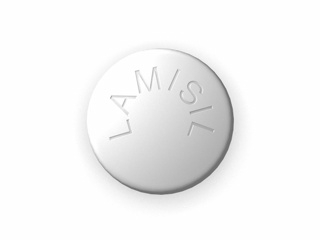
Lamisil (Terbinafine) – Patient Information (Australia)
Lamisil contains terbinafine, an antifungal medicine used to treat a range of superficial fungal infections of the skin and nails. It works by targeting a key step in fungal growth, helping to clear symptoms such as itching, scaling, cracking, and discolouration.
This page explains how Lamisil works, how it is used, what to expect, important safety information, and practical tips for successful treatment in an Australian context. If you are unsure which product type is right for you (cream, spray, gel, tablets), read the sections on Indications and Dosing, or speak with a pharmacist.
Basic product information
- Active ingredient: Terbinafine
- Brand name: Lamisil
- Common forms available online in Australia: cream, spray, gel (for skin) and tablets (for some nail/skin fungal infections)
- Class: Antifungal (allylamine)
- Typical uses: Athlete’s foot, ringworm, jock itch, fungal nail infections (depending on product type)
Availability can vary by pharmacy and formulation. If you are comparing options, check the active ingredient, strength, and form on the label.
How terbinafine works (mechanism of action)
Terbinafine is an allylamine antifungal. It works mainly by inhibiting an enzyme called squalene epoxidase in fungal cells. This blocks the production of ergosterol, a vital component of fungal cell membranes.
- Result: Fungal cells become unstable and die.
- Effect on growth: Terbinafine is fungicidal against many dermatophytes (a group of fungi that commonly cause athlete’s foot and ringworm).
Because the mechanism acts on fungal cell structure, terbinafine is effective even when symptoms improve early—finishing the recommended course matters to reduce recurrence.
Pharmacokinetics (how the medicine moves in the body)
Pharmacokinetics can differ depending on whether you use terbinafine on the skin (topical) or by mouth (oral tablets). The following is a general guide to typical behaviour in the body.
Topical terbinafine (cream/spray/gel)
- Absorption: Systemic absorption through intact skin is generally limited.
- Action: The medicine remains concentrated in the skin layers where fungi live.
- Onset: Symptom improvement may be noticeable within the first few days, though the fungus may require longer to clear fully.
Oral terbinafine (tablets)
- Absorption: Terbinafine is absorbed from the gastrointestinal tract.
- Distribution: It distributes to skin and nails where fungal infections occur.
- Metabolism: It is metabolised in the liver.
- Elimination: Metabolites are removed mainly via the kidneys.
- Nail infections: Nails grow slowly, so improvement is gradual. A “cure” may be judged by new, healthy nail growth over time.
If you are taking oral terbinafine, it is important to follow liver-related precautions described below.
Typical use and timing
Lamisil is commonly used for fungal infections of:
- Skin: athlete’s foot (tinea pedis), ringworm (tinea corporis), jock itch (tinea cruris), and similar dermatophyte infections.
- Nails: fungal nail infection (onychomycosis), depending on the formulation and severity.
When you may notice improvement
- Skin symptoms: itching and redness may improve within several days.
- Skin lesions: full healing often takes 1–4 weeks depending on the location and severity.
- Nails: visible improvement takes months because fingernails and toenails grow slowly.
Even if you feel better early, continue the full treatment course to reduce the risk of recurrence.
Food interactions
Food can be relevant mainly for oral terbinafine tablets. In general, terbinafine tablets can be taken with or without food, but following the instructions on the product label is recommended.
- Tablets: You may be able to take them with a meal to improve comfort if you experience mild stomach upset.
- Topical products: Food is not usually a factor because absorption through skin is limited.
If you have been advised by your pharmacist or prescriber on a specific schedule, follow that guidance.
Alcohol and medicine interactions
Alcohol and drug interactions can be important, especially with oral terbinafine because it is metabolised in the liver.
Alcohol
- General advice: If you are using oral terbinafine, avoid or limit alcohol to reduce additional strain on the liver.
- Seek advice promptly: If you drink heavily, have liver disease, or are taking other medicines that affect the liver, discuss this with a pharmacist.
Other medicines (interaction overview)
Terbinafine may interact with some medicines through effects on liver enzyme activity. The exact interaction depends on the other medicine and whether you use topical or oral terbinafine.
- Tell a pharmacist about all medicines you take, including:
- Other antifungals
- Antidepressants and other psychotropic medicines
- Some heart medicines
- Anticoagulants/antiplatelet medicines
- Diabetes medicines
- Herbal products and supplements (especially those affecting liver enzymes)
If you have ever been told you have liver problems, you should take extra care and get advice before using oral terbinafine.
Indications (what Lamisil is used to treat)
Indications depend on product form and strength. Common uses include:
Skin infections (topical terbinafine)
- Athlete’s foot (tinea pedis)
- Ringworm (tinea corporis)
- Jock itch (tinea cruris)
- Fungal infection affecting the body folds in some cases
Nail fungal infection (often oral terbinafine)
- Onychomycosis (fungal nail infection), particularly when multiple nails or toenails are involved
Note: Not all nail or skin rashes are fungal. Some conditions can mimic fungal infections. If symptoms do not improve after the first few weeks (for skin) or if nails are not improving gradually, seek advice.
Dosing (how to use Lamisil)
Always follow the directions on the product packaging or provided by a healthcare professional. Dosing below is a general guide for typical regimens used in many patients. Your pharmacist can confirm the best schedule for your specific product and infection.
Topical terbinafine (cream/spray/gel) – general schedule
Regimens may vary depending on the exact product and the site of infection. Commonly used patterns include once-daily or twice-daily application for a set number of days.
- Athlete’s foot: often treated for about 1–2 weeks (product-dependent)
- Ringworm / jock itch: often treated for about 1–2 weeks (product-dependent)
For topical use, the key is proper technique: clean and dry the area, apply a thin layer to cover the affected skin and a small border around it, and wash your hands after application (unless treating your hands).
Oral terbinafine tablets – general schedule
Oral dosing is selected based on infection type (toenails vs fingernails), severity, and other factors. Common regimens may include:
- Toenail fungal infection: often 6 weeks
- Fingernail fungal infection: often 6 weeks or 12 weeks depending on local guidance and product specifics
Because nails grow slowly, the nail may look unchanged for weeks even while treatment is working inside the nail. Follow-up decisions are typically based on clinical progress and new nail growth.
Safety profile (important precautions)
Most people tolerate terbinafine well. However, it is important to know potential side effects and when to stop and get medical advice.
Common side effects (more likely with topical use)
- Local skin irritation (burning, redness, itching)
- Dryness or peeling at the application site
- Stinging sensation
Common side effects (more likely with oral use)
- Headache
- Nausea, stomach discomfort, diarrhoea
- Skin rash
- Changes in taste (temporary “taste disturbance” has been reported)
Serious side effects – seek urgent advice
Serious reactions are uncommon, but you should seek medical help promptly if you develop signs that could indicate a serious allergy or liver problem.
- Allergic reaction: swelling of the face/lips, severe rash, difficulty breathing
- Possible liver problems:
- Unusual tiredness
- Yellowing of the skin or eyes (jaundice)
- Dark urine
- Upper right abdominal pain
- Persistent nausea/vomiting
Special populations
- Pregnancy and breastfeeding: Discuss use with a pharmacist or clinician for personalised advice.
- Liver disease: Oral terbinafine may not be suitable. Get advice before using.
- Children: Product suitability and dosing depend on age and formulation.
- Older adults: Generally tolerated, but consider liver health and medicine interactions.
Practical use tips (to improve results and prevent recurrence)
Topical application technique
- Clean and dry: Wash the area and dry thoroughly before applying.
- Apply thinly: Use enough to cover affected skin and a small surrounding margin.
- Keep using for the full course: Even if it looks better, continue for the recommended duration.
- Hand hygiene: Wash hands after applying unless treating your hands.
- Use on affected skin only: Avoid eyes, mouth, and other sensitive areas.
For athlete’s foot (feet)
- Change socks daily (or more often if sweaty).
- Use breathable footwear and rotate shoes to allow drying.
- Consider antifungal powder/sprays for shoes if recommended by a pharmacist.
For jock itch (groin)
- Keep the area clean and dry.
- Use loose-fitting underwear.
- Avoid sharing towels and clothes.
For fungal nails
- Do not trim too aggressively if skin is painful or inflamed.
- After treatment starts, expect gradual improvement from the base of the nail.
- Consider supportive measures (e.g., keeping nails clean and dry) to reduce reinfection.
If you have diabetes, poor circulation, a weakened immune system, or severe spreading infection, prompt medical advice is recommended.
Alternative options
Depending on the site and severity of the fungal infection, other treatments may be considered. Options may include topical antifungals, oral antifungals, or measures to manage contributing factors (like moisture or foot hygiene).
Common alternative antifungal medicines
- Azoles (e.g., clotrimazole, miconazole, ketoconazole): often used for skin fungal infections; response times may vary.
- Other antifungal creams that may be suitable for mild, localised infections.
- Oral antifungals (in clinician-directed treatment plans) for certain nail or widespread infections.
Non-medicine supportive strategies
- Keep skin folds dry and change clothing frequently
- Manage sweating and consider moisture-wicking fabrics
- Treat athlete’s foot in the feet to reduce spread to toenails
If your symptoms do not improve, it may be worth confirming the diagnosis because eczema, psoriasis, contact dermatitis, or bacterial skin infections can mimic fungal disease.
Market and legal context in Australia
In Australia, medicines are regulated under the Therapeutic Goods Administration (TGA) framework. Availability and supply arrangements depend on product classification and formulation. Many antifungal treatments (particularly topical preparations) may be available through pharmacies and authorised retailers. Oral products may have additional supply considerations based on the product’s category and packaging.
For online purchasing, a reputable pharmacy will provide clear product details, expiry information, and instructions for use. Always use medicines purchased from legitimate Australian channels to reduce the risk of counterfeit or expired products.
Important: Product availability can vary by pharmacy and by local stock levels. If you cannot find the exact form you expect (cream, spray, gel, or tablets), ask the pharmacist about suitable alternatives with the same active ingredient.
Recent guidance and “what’s changed” to know
Clinical and regulatory guidance can evolve over time. Generally, key ongoing principles for terbinafine treatment include:
- Confirm diagnosis when uncertain: Fungal rashes often mimic other skin conditions.
- Use the full course: Stopping early increases the chance of relapse.
- Liver safety awareness for oral therapy: Oral terbinafine has liver-related precautions; follow product instructions and seek advice if symptoms suggest liver problems.
- Adherence to hygiene measures: Reducing reinfection risk improves outcomes.
If you have questions about whether terbinafine is appropriate for your symptoms, a pharmacist can help you choose the right formulation and regimen.
Delivery and availability (online pharmacy)
Delivery availability and shipping timeframes depend on the pharmacy and your location within Australia. When you order online, typical features may include:
- Clear product description: active ingredient, form (cream/spray/tablets), and strength
- Expiry details: provided before dispatch where possible
- Tracking information: for most deliveries
- Secure packaging: to protect product during transit
To ensure the medicine works as intended, store it according to the label (often at controlled room temperature and protected from moisture and heat).
FAQ – Frequently asked questions
1) How quickly will Lamisil work?
Many people notice improvement in itching and redness within a few days for skin infections. However, full clearance can take longer, so continue the full course even after symptoms improve. Nail infections typically improve gradually over months.
2) Can I use Lamisil if I’m not sure it’s fungal?
Lamisil is for fungal infections. Some non-fungal skin conditions can look similar. If there’s no improvement after the recommended treatment period (or the condition worsens), consider getting advice to confirm the diagnosis.
3) Should I stop when symptoms improve?
No—finish the recommended duration on the label or as advised by a pharmacist. Stopping early can lead to relapse because fungus may still be present.
4) Can I use topical Lamisil on broken skin?
Avoid applying to deep wounds or severely broken skin unless instructed by a healthcare professional. Mild irritation may occur; if burning becomes severe or the skin becomes more inflamed, stop and seek advice.
5) What if I miss a dose?
If you miss an application (topical), apply it when you remember unless it is close to the next scheduled dose. For tablets, follow label instructions; if you are unsure, ask your pharmacist. Do not double up.
6) Is it normal for nails to look worse before they improve?
Sometimes the affected part may continue to look abnormal while new nail growth replaces it. What matters is gradual improvement as healthy nail grows in. If there is no improvement over time, or the nail becomes painful or thickened significantly, get advice.
7) Does terbinafine interact with other medicines?
Oral terbinafine can interact with some medicines due to metabolism in the liver. Tell your pharmacist about all medicines, including herbal products, so they can check compatibility and safe use.
8) Can I drink alcohol while taking terbinafine tablets?
Because oral terbinafine involves liver metabolism, it is generally advisable to avoid or limit alcohol. If you drink regularly or have liver concerns, ask a pharmacist for personalised advice.
9) Are there liver-related warnings?
Yes—rarely, oral terbinafine has been associated with liver problems. Stop using and seek urgent medical help if you develop symptoms such as jaundice, dark urine, persistent nausea/vomiting, or abdominal pain.
10) Can Lamisil prevent fungal infections from coming back?
It can help clear the current infection, but prevention depends on hygiene and reducing moisture. Treat the source (e.g., athlete’s foot in the feet) and maintain dry, clean skin and footwear habits to reduce recurrence.
Quick checklist before you order or start
- Confirm the type of infection (skin vs nail; suspected fungus).
- Choose the correct formulation (topical vs tablets) for your condition.
- Check the strength and instructions on the pack.
- Plan for hygiene support (socks, footwear, drying skin folds).
- If using oral terbinafine, discuss liver health and medicine interactions with a pharmacist.
If you would like, share the area affected (feet, groin, body, nails), your symptoms, and the product form you’re considering, and a pharmacist can help you select an appropriate terbinafine regimen.