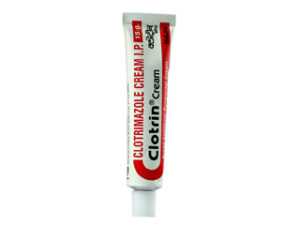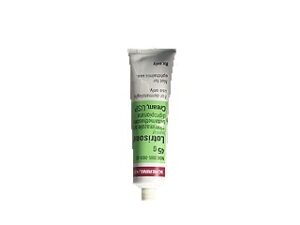
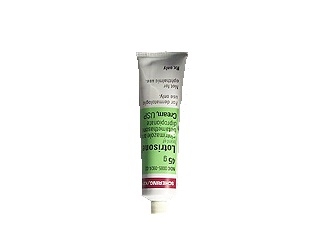
Lotrisone Cream (Betamethasone / Clotrimazole) — Patient Guide (Australia)
Lotrisone is a combination medicine used on the skin for certain inflammatory fungal (yeast or dermatophyte) infections. It contains:
- Betamethasone (a corticosteroid): helps reduce inflammation, redness, itching, and swelling.
- Clotrimazole (an antifungal): helps kill or stop the growth of the fungus causing the infection.
This guide explains how Lotrisone works, what it is used for, how to apply it safely and effectively, and important precautions. It is written for patients in Australia and focuses on practical, everyday information.
Basic product information
| Category | Details |
|---|---|
| Brand / name | Lotrisone |
| Active ingredients | Betamethasone + Clotrimazole |
| Medicinal form | Cream (topical) |
| What it treats | Fungal skin infections with significant inflammation |
| Common approach | Target fungus + reduce inflammation |
| Where it’s used | Skin surface only (avoid eyes and inside body openings) |
Important: Lotrisone is designed for skin problems. It is not meant for eyes, mouth, or internal use.
How Lotrisone works (mechanism of action)
Lotrisone combines two complementary medicines:
-
Clotrimazole (antifungal action):
Clotrimazole interferes with the production of fungal cell membranes, which weakens and damages the fungus. This reduces fungal growth and helps clear the infection.
-
Betamethasone (anti-inflammatory action):
Betamethasone is a corticosteroid that reduces inflammatory signals in the skin. This helps control redness, itching, irritation, and swelling—symptoms often prominent in fungal rashes.
Why the combination matters: Fungal infections can be very itchy and inflamed. An antifungal alone may take longer to calm the inflammation, while a steroid alone may worsen or mask fungal infections. Together, Lotrisone targets both the cause and the skin reaction.
Pharmacokinetics (what the body does with it)
Lotrisone is a topical medicine. When applied to intact skin, only a small amount is typically absorbed through the skin. Absorption can increase if:
- the area is large
- skin is broken, inflamed, or ulcerated
- the medicine is used under occlusion (e.g., tight bandages)
- used on children (generally higher absorption relative to body size)
- used for long periods
Betamethasone: Any absorbed steroid is metabolised in the liver and excreted mainly via the kidneys.
Clotrimazole: Absorption through the skin is limited. Clotrimazole is metabolised largely in the liver.
Clinical takeaway: Because systemic absorption is usually low when used correctly, most side effects are local to the skin. However, incorrect or prolonged use can increase the risk of steroid-related effects.
Typical uses and indications
Lotrisone is generally used for fungal skin infections where there is also significant inflammation. Common examples may include:
- Tinea infections of the skin (dermatophyte infections) that look very inflamed
- Jock itch (tinea cruris) when associated with marked redness and itch
- Ringworm (tinea corporis) in selected cases with inflammatory features
- Fungal infections of the skin folds (where appropriate) with inflammation
It is not suitable for every rash. Not all itchy rashes are fungal. Using Lotrisone on the wrong condition may delay correct treatment, especially because the steroid component can mask symptoms.
Avoid use on:
- the face unless specifically advised for your condition
- the groin/underarms for long periods without review (skin is sensitive)
- open wounds or areas that are not clearly fungal
- eyes and around the eyelids
- children’s skin unless clinician guidance is provided
When and how to apply (timing and routine)
General timing: Many topical regimens use once or twice daily depending on the condition and product instructions. Follow the directions on your specific Australian product pack or clinician advice.
Practical routine:
- Clean and dry the affected area gently.
- Apply a thin layer of cream to the affected skin and a small margin around it (fungus may extend slightly beyond visible edges).
- Wash your hands after applying (unless treating your hands).
- Keep the area dry and avoid tight clothing that traps moisture.
How long to use: Typically, such combination creams are used for a limited period to control symptoms and clear infection. If there is no improvement within the timeframe on the pack, or if symptoms worsen, seek medical advice for confirmation of diagnosis and possible alternative treatment.
Do not stop too early: Stopping when symptoms improve may allow the fungus to flare again. However, prolonged use of a steroid-containing product increases risk of steroid-related skin changes.
Dosing (typical approach)
Dosing can vary by the rash location and severity. A common pattern for topical steroid/antifungal combinations is:
- Adults: usually apply a thin layer once or twice daily to affected areas for a short course.
- Children: generally requires extra caution and should be used only if clearly indicated and guided by healthcare advice.
Key instruction: Use only as directed on your product label. If you are unsure, check the pack directions or ask a pharmacist.
Food interactions
Because Lotrisone is applied to the skin, food interactions are not expected. There are generally no specific dietary restrictions related to topical use.
Alcohol and medicine interactions
Alcohol: No direct interaction is generally expected with topical Lotrisone. However, if you have a skin infection that is also causing discomfort or you are taking other medications, it’s still wise to monitor your overall condition.
Other medicines: Clinically significant interactions are unlikely due to low systemic absorption. Nevertheless, inform a healthcare professional if you are using:
- other topical creams on the same area (especially steroids or multiple antifungals)
- medicines that affect the immune system
- regular skin treatments such as strong keratolytics or exfoliants
Do not mix products: Avoid applying Lotrisone and other strong actives (e.g., retinoids, high-strength acids) to the same area at the same time unless advised.
Safety profile and side effects
Like all medicines, Lotrisone can cause side effects. Many people experience none or only mild, temporary skin effects.
Common local side effects
- mild burning, stinging, or irritation
- redness or increased itch initially
- dryness or peeling
Less common but important steroid-related risks (with misuse or prolonged use)
Because it contains a corticosteroid, long-term or excessive use can lead to:
- skin thinning (atrophy)
- stretch marks (striae)
- visible blood vessels (telangiectasia)
- perioral dermatitis-like rash (especially around mouth)
- rebound or worsening when stopping after masking symptoms
Allergic reactions (seek help promptly)
Stop using the product and seek urgent advice if you develop:
- rapidly worsening swelling
- hives
- severe rash or blistering
- difficulty breathing
When to stop and seek professional advice
- No improvement after the recommended short course
- Rash spreads, becomes painful, or looks infected (e.g., pus, fever)
- Frequent recurrence in the same location
- Infection involves areas that require different treatment (e.g., scalp, nails, face)
Practical use tips for best results
- Confirm the diagnosis when possible: If the rash isn’t typical for a fungal infection, consider pharmacist or clinician review before continuing.
- Cover the edges: Apply slightly beyond the visible border of the rash.
- Keep the area dry: Fungi thrive in warm, moist conditions. Use breathable clothing.
- Separate towels and clothing: Wash towels, underwear, socks, and bedding regularly to reduce reinfection.
- Treat contributing sites: If you have athlete’s foot (tinea pedis), you may need treatment there too, otherwise you can re-infect other areas.
- Don’t share personal items: Avoid sharing towels or clothing while the infection is present.
- Good hand hygiene: Washing hands after application prevents spreading fungus to other body areas.
Occlusion caution: Do not cover the treated area with tight dressings or impermeable coverings unless specifically instructed. Occlusion can increase absorption and steroid side effects.
Alternative options (if Lotrisone isn’t suitable)
If your rash is fungal but not strongly inflamed, an antifungal-only product may be enough. Alternatives can include:
- Clotrimazole alone (antifungal) in various topical forms
- Other topical antifungals such as:
- terbinafine
- miconazole
- econazole or similar azole antifungals (availability varies)
- For more extensive or persistent fungal infections: oral antifungals may be needed, especially for certain tinea patterns, nail involvement, or repeated recurrences (requires professional assessment).
For inflammatory conditions not caused by fungus: a steroid-only cream or other therapy may be appropriate—but the diagnosis should be confirmed to avoid worsening a fungal cause.
If you are unsure which condition you have, a pharmacist can often help you decide whether antifungal treatment, a different approach, or medical review is more appropriate.
Market and legal context in Australia (patient overview)
In Australia, topical combination medicines and antifungals may be available through different channels depending on strength and formulation. Medicines containing corticosteroids and antifungal components are commonly supplied through pharmacy channels with guidance on appropriate use.
Always check the packaging: The level of access (pharmacy-only, behind-the-counter, or prescription-only status) depends on the product strength and formulation, and it can vary over time. Your pharmacy can confirm the correct category and provide advice on safe use.
Regulatory safety: Australian medicines are monitored through the Therapeutic Goods Administration (TGA) system. Safety warnings and product information are supported by TGA-reviewed documentation.
Recent guidance and clinical considerations (general)
Recent clinical practice continues to emphasise:
- Correct diagnosis before using steroid-containing creams on rashes.
- Short, targeted courses to minimise steroid adverse effects.
- Awareness of “tinea incognito”: steroid creams can suppress symptoms and allow fungal infections to spread or become less obvious.
- Monitoring response: if symptoms do not improve quickly, reassess diagnosis and consider alternative therapy.
If you have previously used steroid creams on the area and the rash is not improving, it is especially important to obtain advice before continuing.
Delivery, availability and what to expect when ordering
When available for online purchase from an Australian pharmacy:
- Stock availability: Availability can vary by brand and pack size.
- Shipping times: Delivery times depend on location, dispatch schedules, and carrier service.
- Packaging: Products are typically dispatched in protective packaging with safety information included.
- Product information: You should receive the correct product and strength, and it’s important to read the printed instructions on the pack.
Storage: Store at room temperature, away from direct heat and sunlight, and keep the container tightly closed. Keep out of reach of children.
Frequently asked questions (FAQ)
1) What is Lotrisone used for?
Lotrisone is used to treat certain fungal skin infections that are also inflamed—helping both the fungus (clotrimazole) and the redness/itch/swelling (betamethasone).
2) How long will it take to work?
Many people notice reduced itching and redness within several days. Clearing the underlying fungal infection often takes longer. If there is no improvement within the timeframe stated on the pack, seek advice for reassessment.
3) Can I use Lotrisone on my face?
Facial skin is sensitive and steroid-related side effects can be more likely. Use on the face should only occur if specifically recommended for your situation.
4) Can I use it on broken skin or open cuts?
It’s generally not recommended for open wounds or areas that are not clearly fungal. If the skin is broken, get pharmacy or clinician guidance.
5) Should I stop when symptoms improve?
Don’t stop too early. Complete the short course as directed on the pack to reduce the chance of recurrence. Also avoid using it longer than advised due to steroid risks.
6) What if the rash gets worse?
Stop and seek advice promptly, especially if you develop severe irritation, spreading redness, blistering, pus, or fever. Worsening may mean the rash is not fungal or needs a different treatment approach.
7) Is Lotrisone safe for long-term use?
No. Because it contains a corticosteroid, prolonged or repeated use without assessment can lead to skin thinning and other issues. Use only for the recommended duration.
8) Can I apply moisturiser on top?
You can usually apply moisturisers at different times, but avoid mixing multiple products in the same moment on the same area. If you’re unsure, separate applications by a few hours and use gentle, non-irritating moisturisers.
9) Will it affect other medicines I’m taking?
Clinically significant interactions are unlikely due to low absorption from topical use. However, tell your pharmacist if you are using other creams, especially other steroid-containing products.
10) Can I drink alcohol while using Lotrisone?
Alcohol is not expected to interact with Lotrisone when used topically. If you experience any unusual side effects or have a separate health condition, consult a healthcare professional.
Summary
Lotrisone (betamethasone/clotrimazole) is a topical combination cream designed to treat inflamed fungal skin infections. Clotrimazole helps remove the fungus, while betamethasone reduces inflammation and uncomfortable symptoms like itch and redness.
For best results:
- Apply a thin layer to the affected area and its edges.
- Use for a short course as directed, and avoid prolonged steroid use.
- Keep the area clean and dry and practice hygiene to prevent reinfection.
- If there’s no improvement or the rash worsens, get advice rather than continuing.