
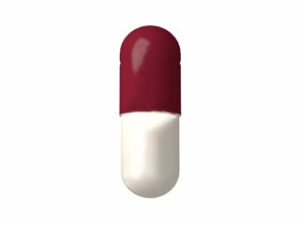
Cefpodoxime (Cefpodoxime proxetil): Patient-Friendly Medicine Information (Australia)
Cefpodoxime is an oral antibiotic medicine used to treat certain bacterial infections. This page is designed to help you understand what cefpodoxime is, how it works, how it’s usually taken, and what to consider for safe use. Always follow the instructions provided with your product and ask your pharmacist or doctor if you have questions.
Quick facts
- Medicine name: Cefpodoxime (often as cefpodoxime proxetil)
- Type: Antibiotic (a cephalosporin)
- Used for: Selected infections caused by susceptible bacteria
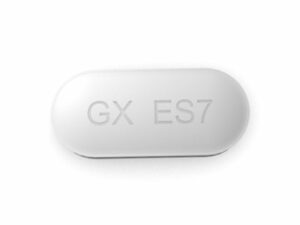
Tablets or oral suspension (depending on brand/strength) - Common timing: Often taken 2 times daily (twice per day) or as directed
- Key safety note: Complete the course even if you feel better early
Basic product information
Cefpodoxime is a broad-spectrum beta-lactam antibiotic belonging to the cephalosporin group. It is commonly available in different strengths and formulations depending on the brand in Australia. Your exact strength, dosing schedule, and duration depend on the type of infection, your age, kidney function, and other individual factors.
Important: Cefpodoxime treats bacterial infections only. It does not work for viral illnesses such as colds, flu, or most sore throats caused by viruses.
How cefpodoxime works (mechanism of action)
Cefpodoxime kills susceptible bacteria by interfering with the way they build and maintain their cell walls. Specifically, it binds to certain bacterial enzymes (often referred to as penicillin-binding proteins), which prevents bacterial cell wall synthesis. As a result, bacteria cannot grow and multiply, and they eventually die.
Because it targets bacterial cell walls, cefpodoxime is most effective against infections where the causative bacteria are susceptible to cephalosporins.
Pharmacokinetics (how the body handles cefpodoxime)
Pharmacokinetics describes what happens after you take cefpodoxime: absorption, distribution, metabolism, and elimination. Key points include:
- Absorption: Cefpodoxime is absorbed after oral dosing. Taking it with food can improve absorption and may reduce variability in blood levels.
- Distribution: It distributes into body fluids and tissues, including sites relevant to infections such as the respiratory tract and urinary tract (depending on the infection).
- Metabolism: Cefpodoxime proxetil is converted in the body to the active drug, cefpodoxime.
- Elimination: Cefpodoxime is mainly eliminated through the kidneys. Kidney function strongly influences how quickly the medicine leaves your body.
- Dosing implications: If you have reduced kidney function, your prescriber/pharmacist may adjust the dose or dosing interval to help maintain safe drug levels.
What cefpodoxime is used for (typical use and indications)
Cefpodoxime is used for specific infections caused by bacteria that are susceptible to cephalosporins. The exact list of indications and recommended dosing can vary by local clinical guidance and the product’s approved information.
Common clinical uses (examples):
- Some ear, nose, and throat infections (e.g., certain bacterial infections of the ear or sinusitis, when appropriate)
- Respiratory tract infections such as bronchitis or other infections where bacterial causes are suspected or confirmed
- Urinary tract infections (UTIs) caused by susceptible bacteria
- Skin and soft tissue infections in selected cases
Your clinician may choose cefpodoxime when it is expected to be effective based on the infection type, likely bacteria, allergy history, local resistance patterns, and your kidney function.
Timing: when and how to take cefpodoxime
The way you space doses is important for maintaining antibiotic levels that work against bacteria. Many people take cefpodoxime twice daily (approximately every 12 hours), but follow your specific instructions.
- Take at regular intervals: Try not to skip doses.
- Complete the full course: Stopping early can increase the chance the infection returns or worsens.
- Missed dose: If you miss a dose, take it when you remember unless it’s close to the next dose. Do not double the dose.
Food interactions: does cefpodoxime need to be taken with meals?
Food can influence absorption. Many cephalosporins, including cefpodoxime (as cefpodoxime proxetil), are commonly recommended to be taken with food to improve absorption and reduce gastrointestinal side effects in some patients.
- General guidance: Consider taking cefpodoxime with meals or immediately after eating.
- If you have stomach upset: Taking it with food may help.
- Follow the product label: If your specific brand says “take with food,” adhere to that instruction.
If you are using a feeding tube or have special dietary needs, ask your pharmacist for brand-specific instructions.
Alcohol interactions
In general, cefpodoxime does not have the classic alcohol-disulfiram reaction seen with some other medicines. However, drinking alcohol during an infection is still not advisable because it can:
- worsen dehydration or reduce your body’s ability to recover
- increase nausea, dizziness, or stomach upset
- mask symptoms that would otherwise improve with treatment
If you choose to drink alcohol, do so cautiously and only in moderation, and stop if you feel unwell. If you have liver disease or other significant health conditions, ask your pharmacist for personalised advice.
Medicine interactions (important)
Interactions can affect how well cefpodoxime works or increase the risk of side effects. Before starting, tell your pharmacist about all medicines and supplements you use, including:
- Other antibiotics or recent antibiotic courses
- Probenecid (can affect kidney excretion of some antibiotics)
- Medicines affecting kidney function (because cefpodoxime is cleared via the kidneys)
- Warfarin or other blood thinners (antibiotics can influence bleeding risk in some patients)
- Oral contraceptives (in some cases, severe diarrhoea/vomiting may reduce effectiveness; discuss if relevant)
- Antacids or acid-reducing medicines (may affect absorption depending on timing and product)
Practical timing tip: If you take an antacid, try to separate it from cefpodoxime according to pharmacist advice, and use the product leaflet to confirm the best spacing.
If you have a complex medication list, bring it to your pharmacist so interactions can be checked accurately for your specific brand and dose.
Dosing: typical adult and child considerations
Dosing depends on the infection type, severity, age, and kidney function. Always use the dosing schedule provided with your cefpodoxime product.
Adults
For many approved uses, dosing is often given twice daily, but the exact mg amount per dose varies by infection type. Your clinician may select a particular dose based on suspected bacteria and local resistance patterns.
Children
Children’s dosing is usually weight-based and formulated as tablets or a suspension. The correct dose and measuring device are important—especially for liquids.
Kidney impairment (renal impairment)
Because cefpodoxime is mainly excreted by the kidneys, dose adjustments may be needed in people with reduced kidney function. This helps avoid excessive accumulation and reduces the risk of side effects.
Duration of therapy
Antibiotic courses can range from a few days to longer periods depending on the infection. Follow the recommended duration—continuing the full course helps ensure the bacteria are fully treated.
Do not change your dose: If you miss doses frequently, feel worse, or have new symptoms, contact a healthcare professional.
Safety profile: common and serious side effects
Cefpodoxime is generally well tolerated, but like all medicines it can cause side effects. Some effects are mild and improve as your body adjusts, while others require urgent medical attention.
Common side effects
- Diarrhoea (mild)
- Nausea
- Stomach pain or indigestion
- Headache
- Vaginal itching or thrush (may occur after antibiotics)
- Rash (some rashes may be mild; others may be serious)
Less common but important side effects
- Yeast overgrowth (for example oral thrush)
- Temporary changes in blood tests such as white blood cells (usually identified only if tests are done)
Seek urgent medical help if you have
- Signs of an allergic reaction: swelling of the face/lips/tongue, difficulty breathing, wheezing, severe dizziness, or widespread hives
- Severe or persistent diarrhoea, especially if watery or with blood/mucus, fever, or severe abdominal pain (could indicate antibiotic-associated colitis)
- Severe skin reactions such as blistering, peeling skin, or painful sores in the mouth/eyes/genitals
- Yellowing of the skin/eyes or dark urine (possible liver involvement)
If you experience any of these, contact emergency services or seek medical care immediately.
Practical use tips for the best outcome
- Start early as directed: Begin cefpodoxime at the time your clinician recommends.
- Follow the food instruction: Take with food if recommended; it can help absorption and stomach tolerance.
- Stay hydrated: This is especially helpful if you develop mild diarrhoea.
- Track symptoms: Note whether symptoms are improving after 48–72 hours. If not, contact your healthcare provider.
- Use consistent timing: Setting phone alarms can help you avoid missed doses.
- Do not share antibiotics: Another person’s infection and bacteria may be different.
- Prevent reinfection: Finish treatment and follow hygiene advice (for example for UTIs or skin infections).
Alternative options (what may be used instead)
The “best” alternative depends on the infection type, likely bacteria, allergy history, and local antibiotic resistance. Options may include other cephalosporins, penicillins, macrolides, or other antibiotic classes, or—when appropriate—no antibiotic if the cause is likely viral.
Common alternative considerations may include:
- Other beta-lactam antibiotics (e.g., certain penicillins or cephalosporins) when suitable
- Macrolide antibiotics for some respiratory infections (when appropriate)
- Clindamycin or other agents for specific skin/soft tissue situations (where appropriate)
- For UTIs, selection may depend on urine culture results and local resistance patterns
For the most suitable alternative, your healthcare professional may consider: your allergy history, infection site, kidney function, previous antibiotic use, and whether cultures are available.
Market and legal context in Australia
In Australia, antibiotic medicines are regulated under the Therapeutic Goods Administration (TGA) framework and are supplied according to scheduling requirements and local prescribing practices. Antibiotics are important for bacterial infections, but overuse can contribute to antibiotic resistance.
Healthcare providers consider:
- Antibiotic stewardship: using antibiotics only when likely beneficial
- Resistance patterns: choosing agents that match local bacterial susceptibility
- Guideline-based selection: aligning with Australian clinical recommendations for common infections
Product availability and specific brand details can vary, and supply may be affected by manufacturer stock. Your pharmacist can help identify the closest matching product if a brand is temporarily unavailable.
Recent guidance (what to expect from current best practice)
Australian and international guidance emphasises:
- Appropriate use: antibiotics should target likely bacterial causes of infection.
- Review timelines: reassessment is recommended if symptoms do not improve within a couple of days.
- Culture when needed: urine cultures or other testing may guide therapy for some infections.
- Minimising side effects: correct dosing, kidney adjustments, and careful monitoring help reduce risk.
If your symptoms worsen or do not improve, seek medical advice rather than extending therapy without guidance.
Delivery and availability (online pharmacy notes)
Availability of cefpodoxime can vary by strength, formulation, and brand. When you order online, processing times and delivery schedules depend on stock levels and your location within Australia.
- In-stock orders: typically processed promptly once payment and verification are complete.
- Out-of-stock items: may require substitution with a clinically equivalent product if permitted and appropriate.
- Storage: keep tablets or suspension as directed on the packaging (commonly at room temperature; for liquids, follow storage and shaking instructions).
If you need advice about the correct formulation (tablet vs suspension) or strength for dosing, contact your pharmacist.
FAQ: Common questions about cefpodoxime
1) What infections does cefpodoxime treat?
Cefpodoxime treats certain bacterial infections such as some respiratory infections, urinary tract infections, skin/soft tissue infections, and some ENT infections—depending on local guidelines and the susceptibility of the bacteria involved.
2) How quickly should I feel better?
Many people start to feel some improvement within 48–72 hours. If you have no improvement, develop new symptoms, or symptoms worsen, contact a healthcare professional.
3) Can I stop cefpodoxime early once I feel better?
No. It’s important to complete the full recommended course to ensure the infection is fully treated and to reduce the risk of relapse or antibiotic resistance.
4) What should I do if I miss a dose?
Take it as soon as you remember unless it is close to the next dose. Do not take two doses at the same time to catch up.
5) Is cefpodoxime safe for people with kidney problems?
It may be safe, but dose adjustments can be needed because cefpodoxime is cleared mainly by the kidneys. Tell your pharmacist if you have kidney disease or reduced kidney function.
6) Can I take cefpodoxime with food?
Often yes—many people are advised to take it with meals to improve absorption and reduce stomach upset. Follow the directions on your product label or pharmacist advice.
7) Does cefpodoxime interact with blood thinners like warfarin?
Some antibiotics can affect bleeding risk in people taking warfarin or similar medicines. If you take a blood thinner, tell your pharmacist so they can check for interactions and advise on monitoring.
8) What if I get diarrhoea?
Mild diarrhoea can occur. However, seek medical advice urgently if diarrhoea is severe, persistent, watery, or contains blood/mucus, or if you have fever and significant abdominal pain.
9) What if I have a penicillin allergy?
Cephalosporins like cefpodoxime are related to penicillins. Some people with penicillin allergy can still take cephalosporins, while others cannot. Discuss your allergy history with your pharmacist or doctor—especially if you’ve had severe reactions such as anaphylaxis.
10) Can I drink alcohol while taking cefpodoxime?
Cefpodoxime is not typically associated with a dangerous reaction to alcohol, but alcohol may worsen side effects and delay recovery. If you choose to drink, do so moderately and avoid if it makes you feel unwell.
Summary table: key practical points
| Topic | What to know |
|---|---|
| Type of medicine | Oral cephalosporin antibiotic (cefpodoxime proxetil → cefpodoxime) |
| How it works | Blocks bacterial cell wall synthesis |
| When to take | Often 2 times daily; keep spacing consistent |
| With food | Typically take with meals to improve absorption and reduce stomach upset |
| Alcohol | Not usually a direct interaction, but can worsen side effects and recovery |
| Kidneys | Mainly cleared by kidneys; dose adjustment may be needed |
| Missed dose | Take when remembered unless close to next dose; don’t double |
| When to seek help | Severe allergy symptoms, severe diarrhoea, or severe skin reactions |
Disclaimer
This information is provided for general education and does not replace advice from your healthcare professional. If you have questions about your specific situation—such as dosing for a particular infection, allergy history, pregnancy/breastfeeding, or kidney function—speak to your pharmacist or doctor.