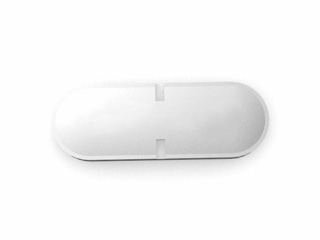


Praziquantel (Praziquantel Tablets) – Patient-Friendly Guide for Australia
Praziquantel is an antiparasitic medicine used to treat several infections caused by worms (helminths), particularly certain trematodes (flukes) and cestodes (tapeworms). It works by rapidly affecting the parasite’s body so the infection can be cleared. This guide explains what praziquantel is, how it works, how it behaves in the body, how it’s commonly taken, important food and medicine interactions, and practical tips for safe use in Australia.
If you have questions about your specific infection, your dosing schedule, or whether praziquantel is suitable for you, speak with a qualified healthcare professional. This page is general information to help you understand the medicine.
Basic product information
- Generic name: Praziquantel
- Common form: Tablets (strength varies by brand/manufacturer)
- Type of medicine: Antiparasitic (anthelmintic)
- How it is used: Usually taken as a short course, sometimes in a single day or split doses
- Who it treats: People with infections due to certain flatworms and related parasites
In Australia, brands may vary. Availability and exact tablet strength can differ depending on the product supplied and current supply arrangements.
Indications: what praziquantel is used for
Praziquantel is mainly used for infections caused by:
- Schistosomiasis (fluke infections caused by Schistosoma species)
- Trematode (fluke) infections in specific regions and life stages
- Cestode (tapeworm) infections such as:
- Taenia species (pork/beef tapeworm)
- Diphyllobothrium species (broad fish tapeworm)
- Hymenolepis species (dwarf tapeworm)
- Echinococcus (noting that treatment may be complex and specialist-led)
The most appropriate dose and timing depend on the parasite species, the location of infection, and sometimes your age and overall health. Always follow the plan provided by your healthcare team for your specific condition.
How praziquantel works (mechanism of action)
Praziquantel targets parasite cells and disrupts normal function. In practical terms, it:
- Alters calcium permeability in the parasite’s tissues
- Causes spasms and impaired movement
- Leads to damage to the parasite, helping the immune system clear remaining organisms
- Produces rapid effects in susceptible worms and helps reduce egg/larval output in some schistosomiasis cases
The exact outcome depends on parasite type and life stage. For many infections, symptoms can improve within days, but cure confirmation may require follow-up testing.
Pharmacokinetics: what happens to praziquantel in the body
“Pharmacokinetics” describes how the body absorbs, distributes, metabolises, and eliminates a medicine. Understanding these points can help explain why timing with food and repeat dosing matters.
Absorption
Praziquantel is absorbed after oral dosing. Absorption can be enhanced with food, which is why it’s commonly taken with or shortly after a meal. If you take it on an empty stomach, some people may have lower drug exposure.
Distribution
Once absorbed, praziquantel distributes throughout the body. Its penetration can be relevant in certain infections where parasites reside in tissues.
Metabolism
Praziquantel is extensively metabolised by the liver. Metabolites are formed and contribute to the overall drug effect. Liver function may affect how quickly praziquantel is processed.
Elimination
The drug and its metabolites are eliminated mainly via the urine and to a lesser extent through other routes. Your dosing interval is designed to match how long the active effect lasts.
Individual results can vary based on factors such as infection type, body weight, age, liver function, and other medicines.
Typical use and dosing timing
Praziquantel dosing is highly dependent on the infection. Some conditions are treated with a single dose; others require repeat doses across one day or on multiple days. Treatment duration can also vary with species, disease severity, and whether complications exist.
How to take praziquantel (general timing guidance)
- Take with food if possible to improve absorption and reduce nausea in some people.
- Use the dosing schedule your clinician/pharmacist recommends.
- If your course includes multiple doses, space doses according to instructions (often several hours apart).
- Don’t skip doses unless instructed—completion improves the chance of cure.
For some infections, follow-up testing may be recommended because eggs may persist briefly after treatment, even when the parasites are cleared.
Dosing (illustrative information)
Below is general dosing information commonly used for praziquantel. Your exact dose may differ depending on the parasite and your circumstances. For children, dosing is typically based on body weight.
| Infection / parasite (examples) | Typical dosing approach | Notes |
|---|---|---|
| Schistosomiasis (various species) | Often given as a total daily dose split into 1 or 2 administrations | Some species/locations require different schedules. Cure often assessed with stool/urine or blood tests as advised. |
| Tapeworm (e.g., Taenia, Diphyllobothrium) | Commonly a single-day course | May be one dose or split dosing depending on the species and local guidance. |
| Dwarf tapeworm (Hymenolepis) | May involve repeat dosing (e.g., multiple days) in some regimens | Repeat doses help reduce ongoing reinfection cycles. |
| Fluke infections (selected trematodes) | Doses vary widely by species and site | Some cases require specialist management. |
| Complex infections (e.g., Echinococcus) | May require specialist-led treatment planning | Regimens can include combination approaches and imaging follow-up. |
Important: Because dosing depends on the exact parasite and clinical scenario, use only the regimen provided for your diagnosis. If you are unsure which infection you have, ask your healthcare professional before taking praziquantel.
Food interactions: can you take praziquantel with meals?
Food can affect how much praziquantel enters the bloodstream. Many people are advised to take praziquantel with food (or shortly after a meal), which may improve absorption and tolerability.
- Take with or after food when possible.
- If you experience nausea, food may help.
- Follow your healthcare team’s instructions for the timing of each dose.
There are no widely recommended special dietary restrictions for praziquantel in typical use, but maintaining hydration and eating regular meals can help minimise gastrointestinal side effects.
Alcohol interactions
Alcohol isn’t always strictly contraindicated with praziquantel, but there are good reasons to be cautious:
- Both alcohol and praziquantel can cause stomach upset or worsen dizziness in some people.
- Alcohol may add stress on the liver, and praziquantel is metabolised in the liver.
Patient-friendly advice: Avoid or limit alcohol during treatment and for at least 24 hours after your last dose, unless your healthcare professional advises otherwise. If you plan to drink, discuss it with a pharmacist.
Medicine interactions (important)
Praziquantel can interact with other medicines that affect liver metabolism. Some interactions may reduce praziquantel levels (making it less effective) or increase the risk of side effects.
Common interaction themes
- Enzyme inducers (medicines that speed up metabolism) may lower praziquantel exposure.
- Enzyme inhibitors may increase praziquantel exposure.
- Some interactions may affect liver function, so extra monitoring may be needed.
Talk to a pharmacist before taking if you use
- Medicines for seizures (antiepileptics) such as certain enzyme-inducing options
- Some treatments for tuberculosis (e.g., rifampicin-containing regimens)
- Some medicines for HIV or other long-term conditions
- Any medicine that affects liver enzymes, including some herbal products
- Warfarin or other anticoagulants (interaction potential exists—monitoring may be required)
If you’re taking multiple medicines, it’s best to provide your pharmacist with an up-to-date list including over-the-counter products and supplements. This helps ensure praziquantel can be used safely.
Safety profile: side effects and when to seek help
Like all medicines, praziquantel can cause side effects. Many are mild and short-lived, particularly during the first 1–3 days after starting treatment. The severity varies by infection type, dose, and individual health.
Common side effects
- Nausea
- Abdominal discomfort or cramps
- Diarrhoea
- Dizziness
- Headache
- Fatigue
- Muscle aches or general feeling of unwellness
- Sleepiness in some people
Serious but uncommon effects
Seek medical advice urgently if you experience:
- Allergic reaction signs: swelling of the face/lips, rash with itching, trouble breathing
- Severe or persistent vomiting or inability to keep fluids down
- Severe dizziness, fainting, or worsening confusion
- Yellowing of the skin or eyes (jaundice) or dark urine
- Severe abdominal pain or blood in vomit/stool
In some parasitic infections (especially schistosomiasis and cystic infections), symptoms can also change as the body responds to dying parasites. If your symptoms worsen significantly after treatment, contact a healthcare professional promptly.
Special considerations
- Liver impairment: dose and monitoring may need adjustment depending on severity.
- Eye or brain involvement: some infections require specialist assessment before treatment.
- Pregnancy and breastfeeding: guidance depends on the infection and gestational stage. Discuss with your healthcare team.
- Children: dosing is weight-based and should follow specific regimens for the infection.
Practical use tips (how to get the best outcome)
- Take each dose at the scheduled time and do not double up if you miss a dose unless advised.
- Take with food to improve absorption and reduce nausea.
- Plan for dizziness: some people feel light-headed. Consider taking doses when you can rest and avoid driving if you feel unwell.
- Hydrate: if you get diarrhoea, sip fluids regularly.
- Track symptoms: note whether symptoms improve or worsen after treatment.
- Follow-up testing: stool/urine or blood tests may be needed to confirm cure, depending on the parasite.
- Household precautions: for tapeworm infections, hygiene and food safety can reduce reinfection risk.
If you are treating a household or group infection (for example, certain tapeworm exposures), ask your clinician whether others should also be assessed.
Alternative options (when praziquantel may not be the first choice)
Alternative medicines depend strongly on the type of parasite. Some common alternatives used for certain worm infections include:
- Albendazole or mebendazole (often used for some intestinal worms; suitability varies by parasite species)
- Niclosamide (used for certain tapeworm infections in some settings)
- Artemisinin-based regimens are not alternatives for worm infections; they treat malaria—different parasite entirely.
- In complex or tissue-based infections, the approach may include specialist combinations or procedure-based management
Your healthcare team will choose the best medicine based on diagnosis, location of infection, severity, and safety considerations. If you’re not sure why praziquantel was selected, ask for a brief explanation of your parasite type and treatment plan.
Market and legal context for Australia (overview)
Medicine availability in Australia is regulated to support safe supply and appropriate use. Praziquantel-containing products may be available through the Australian medicines framework depending on the formulation and supplier. Access can involve:
- Pharmacy dispensing pathways depending on product status and intended use
- Clinician involvement for confirmed diagnosis and correct dosing regimen in many cases
- Guidance from public health and travel medicine services for prevention and treatment recommendations
Because parasite treatment is diagnosis-specific, ensuring you have the correct organism and dosing schedule is important for both safety and effectiveness.
Recent guidance and practical updates (what to expect)
Public health recommendations and clinical guidance for parasitic infections can change as new evidence emerges. In Australia, guidance commonly emphasises:
- Accurate diagnosis (species matters)
- Correct dosing regimen based on parasite type and infection location
- Follow-up testing where cure confirmation is recommended
- Monitoring for side effects, especially if there is liver disease or complicated disease
- Infection control to reduce reinfection and spread in certain settings
If you have recently returned from travel or have new symptoms after exposure to freshwater or undercooked food, seek medical advice promptly. Early identification helps ensure the right treatment.
Delivery and availability (Australia)
Availability may vary by brand and tablet strength. Online pharmacies typically provide:
- Ordering options for in-stock products
- Estimated delivery times based on your location
- Discrete packaging for privacy
- Pharmacist support to answer questions about use and interactions
Delivery times can be affected by supply levels and courier schedules. If praziquantel is temporarily unavailable, some pharmacies can offer alternatives or notify you when the item returns to stock.
FAQ – Praziquantel (Australia)
1) How quickly does praziquantel work?
Many people start to feel improvement within a few days. However, cure depends on the parasite species and your infection severity. For some infections, follow-up tests may be needed to confirm eradication.
2) What if I feel worse after taking praziquantel?
A temporary worsening can occur due to the body’s reaction to dying parasites. If symptoms are severe, rapidly worsening, or you develop concerning signs (such as breathing difficulty, severe pain, or jaundice), seek medical help urgently.
3) Can I take praziquantel on an empty stomach?
It’s often recommended to take it with food to improve absorption and reduce nausea. If you cannot eat, speak with a pharmacist about the safest approach. Don’t change the dosing schedule without advice.
4) Should I avoid alcohol?
It’s best to limit alcohol during treatment and for at least the day after your final dose, as alcohol can worsen dizziness and stomach upset and may be harder on the liver.
5) Are there medicines I should not combine with praziquantel?
Interactions can occur with medicines that affect liver metabolism (for example, certain seizure medicines, tuberculosis medicines, some HIV treatments, and others). Provide your pharmacist with a complete medication list including supplements and herbal products.
6) Can I drive or operate machinery?
Some people experience dizziness or sleepiness. Until you know how praziquantel affects you, avoid driving or operating machinery—especially on the day of dosing.
7) Will praziquantel prevent reinfection?
Praziquantel treats the existing infection, but it doesn’t “prevent” future exposure. Reinfection can happen if the source is still present. Hygiene and food/water safety measures are important, and your clinician may advise follow-up treatment in some situations.
8) Is praziquantel safe for children?
Praziquantel can be used in children for certain parasite infections, but dosing is weight-based and specific regimens apply. Confirm the correct regimen with a healthcare professional before giving it to a child.
9) What follow-up is needed after treatment?
Follow-up depends on the parasite. Some infections may require repeat stool/urine testing or blood tests to confirm cure. If you’re advised to return for testing, it’s important not to delay.
10) What should I do if I miss a dose?
If you miss a dose, check with your pharmacist or healthcare professional for the best corrective action. Do not double up unless specifically instructed.
Summary
Praziquantel is an antiparasitic medicine used to treat a range of worm infections, including schistosomiasis and certain tapeworm and fluke infections. It works by disrupting parasite biology, and absorption is often improved when taken with food. Side effects are usually mild and short-lived, but you should seek urgent care for signs of serious allergy, severe symptoms, or jaundice. Because dosing varies by infection type, correct identification and adherence to the prescribed regimen are key.
If you’d like, share the infection type (or what testing showed) and any medicines you take, and a pharmacist can help you check food and medicine compatibility and understand the most appropriate way to take praziquantel.