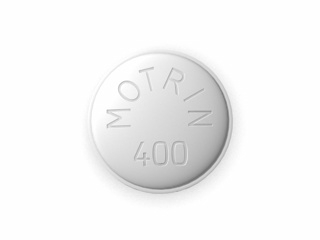

Motrin (Ibuprofen) – Patient-Friendly Guide (Australia)
Motrin is a brand of ibuprofen, a widely used pain-relieving and anti-inflammatory medicine. In Australia, ibuprofen is commonly available over the counter for temporary relief of mild to moderate pain and inflammation (swelling), and for reducing fever.
This guide explains how Motrin works, when it’s typically used, how to take it safely, what to expect, and important interactions and precautions. Always read the label and any accompanying consumer medicine information before use.
Quick Facts
- Active ingredient: Ibuprofen
- What it helps: Pain, inflammation and fever
- Common forms: Tablets/capsules and children’s formulations (e.g., drops/suspension where available)
- Typical dosing approach: Based on age and weight (for children) or label directions (for adults)
- Duration: Use the lowest effective dose for the shortest necessary time
Basic Product Information
Motrin contains ibuprofen, a medicine from the group known as non-steroidal anti-inflammatory drugs (NSAIDs). NSAIDs work for many types of discomfort because they reduce inflammation and the body’s pain signals.
In Australia, Motrin and other ibuprofen brands may come in different strengths and formulations. The correct dose depends on the product you purchase. Please check the packaging for the exact strength (for example, mg per tablet or mg per mL for liquid products).
| Feature | What to know |
|---|---|
| Medicine name | Motrin (Ibuprofen) |
| Medicine type | NSAID pain reliever/anti-inflammatory |
| Key benefits | Pain relief, reduces fever, helps with inflammation |
| How it’s usually taken | Oral tablets/capsules or oral liquid (depending on product) |
| Typical dosing interval | Often every 6–8 hours for adults, following label directions |
How Motrin Works (Mechanism of Action)
Ibuprofen works by reducing the production of certain substances in the body called prostaglandins. Prostaglandins are involved in:
- Pain signalling (making pain more noticeable)
- Inflammation (swelling, redness, and local tissue irritation)
- Fever (raising body temperature)
Ibuprofen blocks enzymes called cyclo-oxygenases (COX-1 and COX-2), which helps lower prostaglandin levels. The result is reduced inflammation and pain, along with fever reduction.
Pharmacokinetics (How the Body Handles Ibuprofen)
Understanding how ibuprofen moves through the body can help you take it more effectively.
- Absorption: Ibuprofen is absorbed after oral administration. Taking it with food may slow the onset slightly but can improve stomach tolerance.
- Distribution: It distributes through body tissues and reaches sites where pain and inflammation are present.
- Metabolism: Ibuprofen is metabolised mainly by the liver into inactive or less active compounds.
- Elimination: Metabolites are removed primarily by the kidneys (urine).
- Time to effect: Many people notice pain relief within about 30–60 minutes, depending on formulation and whether food is present.
Important note: Individual responses can vary, especially for different ages, kidney/liver function, and concurrent medicines. Follow the dosing on your product label and consult a healthcare professional if unsure.
Typical Uses and Indications
Motrin (ibuprofen) is used for temporary relief of:
- Pain, such as:
- Headache
- Toothache (for temporary relief)
- Period pain (menstrual cramps)
- Muscle aches and back pain
- Sprains and minor injuries
- Inflammation, such as swelling associated with strains and sprains
- Fever and feverishness
When to get advice: If pain or fever is severe, persistent, or worsening, seek medical advice promptly—particularly for children, older adults, and people with chronic illness.
When to Take It (Timing and Dosing Principles)
Ibuprofen works best when taken at the right time and dose for your condition. Typical guidance is:
- For pain: Take when symptoms begin or before pain becomes strong, then continue according to label directions.
- For fever: Use when fever causes discomfort. Avoid using it for fever monitoring without considering your overall wellbeing.
- Repeat dosing: Generally every 6–8 hours in adults, but always follow the specific label for your product.
- Lowest effective dose: Use the smallest dose that provides relief.
- Shortest duration: If symptoms last more than a few days, consider seeking advice.
Do not exceed the maximum daily dose on the package without professional advice.
Dosing: Adults, Children, and Special Considerations
Dosing for ibuprofen depends on age, weight (for children), the formulation, and the strength of the product. Because strengths vary between brands, the label directions are the safest reference.
Adults (General guidance)
- Common adult dosing is 200 mg to 400 mg per dose, with intervals often 6–8 hours, if needed.
- The exact regimen and maximum daily dose must follow the product label.
Children (General guidance)
For children, dose is usually calculated using body weight and is commonly given every 6–8 hours as needed. Use the dosing syringe/cup provided with liquid preparations.
- For children, always use the child-specific product and confirm the correct strength (mg/mL or mg per dose).
- If you’re unsure of the child’s dose, consult a pharmacist or healthcare professional.
Older adults
- Older adults may be more prone to side effects such as stomach irritation, bleeding, and kidney problems.
- Use the lowest effective dose and consider asking a pharmacist for tailored advice.
Kidney, liver, and dehydration considerations
- Ibuprofen can affect kidney function, especially in people who are dehydrated or have existing kidney disease.
- If you have kidney problems, severe liver disease, or you are significantly dehydrated (e.g., from vomiting/diarrhoea), seek advice before using NSAIDs.
Special note: If you are pregnant, particularly after 20 weeks, ask a healthcare professional before using ibuprofen.
Food Interactions and How to Take It With Meals
Food can influence both how ibuprofen is tolerated and how quickly it begins to work.
- Taking with food may reduce the chance of stomach upset.
- Taking on an empty stomach may cause faster onset for some people but can increase irritation or nausea.
Practical tip: If you often get heartburn, nausea, or stomach discomfort with painkillers, consider taking ibuprofen with or after food and plenty of water.
Alcohol and Medicine Interactions
Alcohol
Drinking alcohol while taking NSAIDs like ibuprofen may increase the risk of stomach irritation, indigestion, and gastrointestinal bleeding. If you choose to drink alcohol, do so cautiously and avoid heavy drinking around the time you take Motrin.
Interactions with other medicines
Ibuprofen can interact with other medicines. Important interaction categories include:
- Other NSAIDs (e.g., naproxen, diclofenac, aspirin for pain): increased risk of stomach bleeding and kidney strain.
- Anticoagulants/“blood thinners” (e.g., warfarin): higher bleeding risk.
- Antiplatelet medicines (e.g., clopidogrel): increased bleeding risk.
- Corticosteroids (e.g., prednisone): increased risk of stomach ulcers/bleeding.
- Selective serotonin reuptake inhibitors (SSRIs) (e.g., sertraline, fluoxetine): increased risk of gastrointestinal bleeding.
- Diuretics (e.g., hydrochlorothiazide) and medicines affecting the kidneys (e.g., some blood pressure medicines): can increase kidney risk, particularly during dehydration.
- Lithium: may raise lithium levels.
- Methotrexate: may increase methotrexate toxicity.
Always check: If you take multiple medicines, including “over-the-counter” products, review the labels to avoid accidental duplication of NSAIDs.
Safety Profile: Side Effects and Warnings
Most people can take ibuprofen safely when used as directed. However, like all medicines, it can cause side effects, and some people must avoid it or use extra caution.
Common side effects
- Stomach upset, indigestion
- Nausea
- Headache or dizziness (less common)
Serious side effects – get urgent help
Seek urgent medical advice or emergency care if you experience:
- Signs of gastrointestinal bleeding such as black/tarry stools, vomiting blood, or severe stomach pain
- Allergic reactions including wheezing, swelling of the face/lips, hives, or trouble breathing
- Severe skin reactions (e.g., blistering or peeling)
- Chest pain, sudden weakness, or shortness of breath
- Significant decrease in urination or swelling (possible kidney issues)
Who should be extra cautious
Consider professional advice before using ibuprofen if you have any of the following:
- History of stomach ulcers or gastrointestinal bleeding
- Kidney disease or dehydration
- Uncontrolled high blood pressure, heart disease, or history of stroke
- Asthma that worsens with painkillers/NSAIDs
- Bleeding disorders or use of blood thinners
- Previous allergic reaction to ibuprofen or other NSAIDs
Pregnancy and breastfeeding
- Pregnancy: NSAIDs are generally avoided unless specifically advised by a healthcare professional. If you are pregnant or trying to conceive, seek advice before use—especially after 20 weeks.
- Breastfeeding: Ibuprofen is often considered compatible with breastfeeding when used appropriately, but always follow label instructions and seek advice if unsure.
Practical Use Tips (How to Get the Best Results)
- Read the label carefully for strength and maximum daily dose.
- Use water with tablets/capsules.
- Take with food if you get stomach irritation.
- Separate doses evenly (e.g., every 6–8 hours as per label) to maintain symptom control.
- Do not “stack” NSAIDs: avoid combining ibuprofen with other NSAIDs unless directed.
- Consider non-medicine measures alongside ibuprofen:
- Rest and gentle movement for sprains/strains
- Cold packs for the first 24–48 hours after injury (then consider heat)
- Hydration and light clothing for fever comfort
- Monitor symptoms: if pain or fever doesn’t improve, or keeps returning, seek advice.
Alternative Options for Pain, Fever, and Inflammation
Depending on your symptoms and health history, other options may be suitable. These include:
- Paracetamol (acetaminophen): often used for fever and pain relief. It does not provide the same anti-inflammatory effect as ibuprofen.
- Other NSAIDs: some people may tolerate a different NSAID better, but there is still a shared risk profile for stomach and kidney effects.
- Non-medicine approaches:
- Warm/cold therapy
- Physiotherapy or stretching for back pain
- Rest and supportive measures for minor injuries
Important: If you have a history of ulcers, bleeding, kidney disease, or are taking blood thinners, ask a pharmacist which option is safest for you.
Market and Legal Context in Australia
In Australia, ibuprofen-containing products are widely regulated and sold through pharmacies and other approved retail channels depending on formulation and strength. Consumer access may differ between brands and strengths, based on scheduling requirements and product classification.
When purchasing online, ensure:
- You receive an Australian-approved product with clear labeling and dosing instructions.
- The product is supplied by a retailer operating under Australian regulatory expectations.
- You check expiry dates and that storage conditions (cool/dry as required) are met.
Australia also emphasizes safe use through consumer medicine information, medication safety messaging, and pharmacist support—particularly for older adults, families dosing children, and people managing multiple conditions.
Recent Guidance and Safety Updates (General Awareness)
While specific recommendations can change over time, recent safety guidance trends across many countries—including Australia—commonly emphasise:
- Use the lowest effective dose and avoid prolonged or frequent use unless advised.
- Avoid duplicate NSAIDs (including in “cold and flu” combinations).
- Higher caution in people with cardiovascular risk, stomach ulcer history, kidney disease, and when combined with anticoagulants or certain antidepressants.
- Pregnancy caution with NSAIDs, particularly later pregnancy.
If you are using Motrin regularly (for example, for recurring headaches or chronic pain), consider talking to a pharmacist or doctor for an overall plan.
Delivery and Availability (Online Pharmacy)
Motrin (ibuprofen) is commonly stocked by online pharmacies in Australia, subject to availability. Many retailers offer:
- Home delivery to Australian addresses
- Tracking and estimated delivery times at checkout
- Multiple pack sizes depending on product and strength
Availability may vary by supplier and packaging type. When ordering, check:
- The product strength (mg per tablet or mg per mL)
- Pack size and quantity
- Expiry date
- Any product-specific storage instructions
If you have questions about dosing for a child or suitability with your medical history, some online pharmacies offer pharmacist support—use those services if available.
FAQ – Motrin (Ibuprofen)
1) How fast does Motrin work?
Many people feel pain relief within 30–60 minutes. If taken with food, onset may be a little slower, but stomach tolerance may be improved.
2) Can I take Motrin with food?
Yes. Taking it with or after food is often recommended if you get stomach upset. Drink water and follow the dosing interval on the label.
3) Can I take Motrin and paracetamol together?
Some people use them together when needed, but it depends on the situation and correct dosing. Avoid taking more than the recommended amounts of either medicine. If you’re unsure, ask a pharmacist.
4) What should I avoid while taking Motrin?
Avoid:
- Other NSAIDs (unless advised)
- Heavy alcohol use
- Multiple “cold and flu” products that may also contain NSAIDs
5) What if I accidentally take too much?
If you believe you have taken more than the recommended dose, seek urgent advice immediately. In Australia, you can contact Poison Information Centres (for guidance) or seek emergency medical care.
6) Is Motrin safe for children?
Ibuprofen can be used in children for pain and fever when dosed correctly according to age and weight and using a child-appropriate product. Always use the provided measuring device and follow the label or professional advice.
7) Can Motrin help with period pain?
Yes. Ibuprofen is commonly used for menstrual cramps because it reduces inflammation-related prostaglandins. Take according to label directions, and consider starting early when cramps begin for some people.
8) Who should not take Motrin?
Do not take ibuprofen if you have previously had an allergic reaction to it or other NSAIDs. Extra caution is needed for those with ulcer/bleeding history, kidney disease, certain asthma types, or if taking blood thinners. If in doubt, ask a pharmacist.
9) How long should I use it?
Use the lowest effective dose for the shortest time. If symptoms are not improving after a few days, or you need it repeatedly, seek advice.
10) Does Motrin affect the stomach?
It can. NSAIDs may irritate the stomach lining and, rarely, cause ulcers or bleeding—especially with higher doses, prolonged use, older age, alcohol use, or other interacting medicines.
When to Seek Medical Advice
Please seek advice promptly if:
- Fever lasts longer than expected or is accompanied by concerning symptoms
- Pain is severe, unusual, or worsening
- You suspect an injury is more serious than minor (e.g., significant swelling or impaired movement)
- You have risk factors for NSAID complications (ulcers, kidney issues, blood thinners)
For urgent or emergency concerns (such as possible allergic reaction or signs of bleeding), seek immediate medical help.
Remember: Motrin (ibuprofen) can be very helpful for short-term pain, inflammation, and fever. For the safest use, follow the product directions, avoid duplicate NSAIDs, and consider food and hydration to support stomach comfort.