
Feldene (Piroxicam) – Patient Information (Australia)
Feldene is a brand of piroxicam, a medicine from the non-steroidal anti-inflammatory drug (NSAID) family. It is used to relieve pain and inflammation caused by a range of musculoskeletal conditions. This page explains how Feldene works, how it is taken, what to watch for, and practical tips to help you use it safely.
Important: Always follow the advice provided with your product and consult a healthcare professional if you are unsure whether Feldene is suitable for you, particularly if you have a history of stomach ulcers, kidney problems, heart disease, or are taking other medicines.
Quick overview
- Active ingredient: Piroxicam
- Medicine type: NSAID (anti-inflammatory and pain relief)
- Common uses: Inflammatory and painful conditions such as osteoarthritis and rheumatoid arthritis
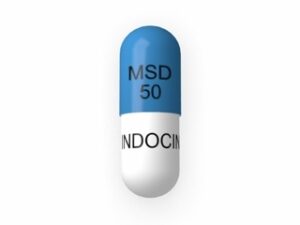
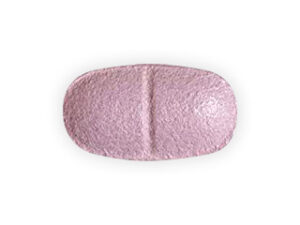
- Form: Tablets (strengths vary by product)
- Typical dosing frequency: Often once daily (depending on condition and formulation)
Basic product information
Feldene contains piroxicam. Piroxicam works by reducing chemicals in the body that contribute to inflammation and pain. Because it remains in the body for a long time, it can be taken less frequently than some other NSAIDs.
| Category | Details |
|---|---|
| Generic name | Piroxicam |
| Brand | Feldene |
| Drug class | NSAID (non-steroidal anti-inflammatory drug) |
| Main effects | Pain relief, reduced inflammation, reduced fever (where applicable) |
| Common route | Oral (tablets) |
How Feldene works (mechanism of action)
Piroxicam helps relieve pain and swelling by inhibiting cyclo-oxygenase (COX) enzymes. COX enzymes are involved in producing prostaglandins, substances that contribute to:
- Inflammation
- Pain sensitivity
- Fever (in some illnesses)
- Protection of the stomach lining and normal kidney blood flow
By reducing prostaglandins, Feldene can improve symptoms of inflammatory joint conditions. However, this same action can also increase the risk of side effects such as stomach irritation, ulcers, and kidney strain in susceptible people.
Pharmacokinetics (how the body handles piroxicam)
Pharmacokinetics describes absorption, distribution, metabolism, and elimination. Key points for piroxicam include:
- Absorption: Piroxicam is absorbed after oral dosing.
- Onset: Pain relief may begin within hours, but noticeable improvement in inflammatory conditions may take several days.
- Half-life: Piroxicam has a long half-life, meaning steady levels persist for a long time.
- Distribution: It distributes into body tissues, including joints.
- Metabolism and clearance: It is metabolised primarily in the liver and eliminated through the kidneys and/or bile pathways.
Because of the long duration of action, missed doses or dose changes may take time to fully reflect in your symptoms and side-effect profile. Do not double up to “catch up”.
Typical uses and indications
Feldene is indicated for the relief of symptoms of inflammatory and painful conditions, including:
- Rheumatoid arthritis
- Osteoarthritis (degenerative joint disease)
- Ankylosing spondylitis (a type of inflammatory back disease)
- Other inflammatory musculoskeletal conditions where an NSAID is considered appropriate
When and how to take Feldene (timing and dosing)
The exact dose for you depends on your condition, age, other medicines, and your overall health (including stomach and kidney risk). Follow your product instructions and healthcare professional advice.
Typical dosing approach
Many patients take piroxicam once daily because of its long-lasting effect. Tablets should be swallowed with water. If your doctor/health professional has provided a specific dosing schedule, follow it.
How to time your dose
- Choose a consistent time each day to maintain stable levels.
- If taking once daily, many people prefer with food to reduce stomach discomfort.
- Do not take more than instructed and avoid adding other NSAIDs to “boost” effect.
Duration of use
NSAID treatment is often used for short-term symptom control or longer-term management of chronic inflammatory conditions, depending on your diagnosis and risk profile. If symptoms do not improve or worsen, seek medical advice promptly.
Food interactions (what to know)
Food can affect how comfortable an NSAID feels in the stomach. Piroxicam can be taken with food or after meals if this reduces stomach irritation. A common practical approach is:
- Take with food (or after a meal) if you experience nausea, heartburn, or stomach pain.
- Try to avoid taking it on an empty stomach if you have a history of gastritis or ulcers.
There are no specific “hard” food rules for piroxicam like some antibiotics, but your stomach safety matters. Staying hydrated can also support kidney function.
Alcohol and medicine interactions
Combining NSAIDs with alcohol can increase the risk of stomach bleeding and can worsen ulcer/irritation risk. For safest use:
- Avoid alcohol or keep it to a minimum while taking Feldene.
- If you do drink, do so cautiously and be alert to symptoms such as black/tarry stools or vomiting blood (seek urgent care).
Common medication interactions to discuss
Before using Feldene, let your healthcare professional know about all medicines and supplements you take, including over-the-counter products. Particularly important interactions include:
- Other NSAIDs (e.g., ibuprofen, naproxen, diclofenac, aspirin in anti-inflammatory doses): increased risk of gastrointestinal bleeding and kidney problems.
- Blood thinners (e.g., warfarin) and anticoagulants/antiplatelets: may increase bleeding risk.
- Selective serotonin reuptake inhibitors (SSRIs) or other antidepressants that affect serotonin: may increase gastrointestinal bleeding risk.
- Corticosteroids (e.g., prednisone): higher risk of stomach ulceration/bleeding.
- Diuretics and some blood pressure medicines (ACE inhibitors, ARBs): can increase risk of kidney impairment, especially in dehydration.
- Lithium: NSAIDs may increase lithium levels (toxicity risk).
- Methotrexate: NSAIDs may affect methotrexate levels and increase toxicity risk.
- Diabetes medicines (some agents): NSAIDs can sometimes affect blood sugar control indirectly.
This is not an exhaustive list. If you tell us what you’re taking, a pharmacist can help check compatibility and safer alternatives.
Safety profile: who needs extra caution
Like all NSAIDs, Feldene can cause side effects. Some are common but manageable; others are serious and require urgent attention.
Common side effects
- Indigestion, stomach discomfort
- Nausea
- Heartburn
- Headache
- Dizziness
Serious risks (seek urgent medical help if these occur)
- Stomach or bowel bleeding/ulcers: symptoms may include black/tarry stools, vomiting blood or material that looks like coffee grounds, severe stomach pain.
- Allergic reactions: rash, swelling of face/lips, wheezing, or trouble breathing.
- Kidney problems: reduced urination, unusual swelling, persistent fatigue, or sudden weight gain.
- Cardiovascular risks: chest pain, shortness of breath, weakness on one side of the body, or sudden severe headache.
People who should be cautious or avoid NSAIDs
Extra care is needed if you have or have had:
- A history of stomach ulcer or GI bleeding
- Heart disease, stroke, or significant cardiovascular risk factors
- Kidney disease or dehydration
- Asthma that worsens with NSAIDs (NSAID-sensitive asthma)
- Severe liver disease
- Uncontrolled high blood pressure
- Pregnancy (particularly later pregnancy) – discuss NSAID safety with a clinician
Practical use tips for safer and more comfortable therapy
1) Use the lowest effective dose for the shortest effective time
This approach helps reduce the risk of adverse effects while still providing symptom relief.
2) Protect your stomach
- Take with food if you experience irritation.
- Avoid taking other irritants like alcohol and smoking if possible.
- Report persistent stomach pain, reflux, or changes in stool colour promptly.
3) Stay hydrated
Dehydration increases kidney strain risk. Drink water regularly, especially during hot weather or illness.
4) Avoid “stacking” NSAIDs
Do not combine Feldene with other NSAIDs unless a clinician specifically recommends it.
5) Know when to stop and get help
Stop using and seek medical help urgently if you notice symptoms of GI bleeding, severe rash, breathing difficulties, chest pain, or signs of kidney problems.
Alternative options (depending on your condition)
Pain and inflammation can often be treated with different strategies. Options may include:
Other medicines
- Other NSAIDs: some people find a different NSAID more tolerable. However, the same NSAID risks may still apply.
- Acetaminophen/paracetamol: can help pain relief and may be considered for milder pain (it does not reduce inflammation like NSAIDs).
- Topical NSAIDs: gels/creams may provide local pain relief for certain joint problems with less whole-body exposure.
- In chronic inflammatory conditions: disease-modifying medicines (for example, for rheumatoid arthritis) may be more appropriate for long-term control than NSAIDs alone.
Non-medicine options
- Physiotherapy and guided exercise
- Weight management (for osteoarthritis)
- Heat/cold therapy
- Supportive braces, footwear adjustments, and ergonomic changes
The best alternative depends on your diagnosis and medical history, especially your stomach, heart, and kidney risk.
Market and legal context in Australia
In Australia, medicines are classified under the Poison Schedule, which determines whether a product is available over the counter or requires pharmacy professional involvement. Availability and pack sizes can vary between brands and strengths, and medicines may have specific dispensing rules.
Feldene (piroxicam) is an NSAID and is typically supplied through pharmacy channels in accordance with Australian regulatory requirements. Always check the product details for pack strength and the way it is dispensed in your state/territory.
Recent guidance (general NSAID safety awareness)
Australian and international safety messaging for NSAIDs has consistently highlighted:
- Using the lowest effective dose for the shortest time
- Reviewing cardiovascular and gastrointestinal risk factors
- Being cautious with combination therapy that increases bleeding risk (e.g., anticoagulants, antiplatelets, corticosteroids, SSRIs)
- Monitoring for symptoms of ulcer/bleeding and kidney impairment
If you have chronic pain, consider regular check-ins with your healthcare professional to confirm ongoing benefit outweighs risk.
Delivery and availability (online pharmacy)
Feldene (piroxicam) is commonly available through Australian pharmacy distribution channels. Online pharmacy delivery options depend on your location and the product’s availability at the time of ordering.
- Stock availability: Product availability may vary by strength and pack size.
- Delivery times: Delivery timeframes are based on shipping service and your address.
- Packaging: Medicines are typically sent in secure, tamper-evident packaging.
- Temperature requirements: Most tablets can be stored at controlled room temperature; refer to the pack for specifics.
If you need help choosing the right strength or formulation, contact a pharmacist prior to ordering.
Frequently Asked Questions (FAQ)
Is Feldene the same as piroxicam?
Yes. Feldene is a brand name that contains the active ingredient piroxicam.
How quickly will Feldene start working?
Some pain relief may be felt within hours, but for inflammatory joint conditions the full benefit may take several days. If you do not notice any improvement after an appropriate period, consult a healthcare professional.
Can I take Feldene with food?
Yes. Taking it with meals or after food may reduce stomach irritation for many people.
Can I drink alcohol while taking Feldene?
It’s best to avoid alcohol or keep it to a minimum. Alcohol can increase the risk of stomach bleeding and irritation.
Should I combine Feldene with other pain relievers?
Avoid combining Feldene with other NSAIDs (such as ibuprofen or naproxen) unless advised by a healthcare professional. If you need additional pain relief, ask a pharmacist about safer options such as paracetamol, depending on your circumstances.
What should I do if I miss a dose?
Take it when you remember unless it’s close to your next dose. Do not double up. If you’re unsure, ask a pharmacist.
Who should not use Feldene?
People with certain conditions or risk factors (such as previous NSAID-related allergic reactions, history of ulcer/bleeding, significant kidney disease, or certain heart conditions) may need to avoid NSAIDs or use them only under close medical guidance.
Are there signs of serious side effects I should watch for?
Yes. Seek urgent care if you develop black/tarry stools, vomiting blood, severe stomach pain, swelling of the face or trouble breathing, chest pain, weakness on one side, or a noticeable drop in urination.
Does Feldene affect kidneys?
NSAIDs can reduce kidney blood flow, which may be risky in people with dehydration, kidney disease, or those taking certain medicines (like diuretics or some blood pressure medicines). Staying hydrated and reporting reduced urination or swelling is important.
Can Feldene be used long-term?
Some people with chronic inflammatory conditions may use NSAIDs for longer periods, but the safest approach is regular review to ensure the treatment continues to help and the risks remain acceptable.
Storage and handling
Store tablets according to the instructions on the pack. Keep out of reach of children. Do not use after the expiry date. Keep the medicine in its original packaging to protect it from moisture and light where indicated.
Bottom line
Feldene (piroxicam) can provide effective pain and inflammation relief for conditions such as rheumatoid arthritis, osteoarthritis, and ankylosing spondylitis. Because it is a long-acting NSAID, it requires careful attention to dosing, food/alcohol habits, and potential interactions—especially if you have stomach, kidney, or cardiovascular risk factors.