Colcrys (Colchicine) – Patient Information for Australia
Colcrys contains colchicine, a medicine used to treat and prevent certain inflammatory conditions, most notably gout. Colchicine works by reducing inflammation at the cellular level and may help relieve pain and swelling when used correctly.
This information is designed to be patient-friendly and practical. It explains how Colcrys works, typical uses, timing, safety considerations, and common interactions. For advice tailored to you, speak with a pharmacist or other healthcare professional.
Quick Facts
- Active ingredient: Colchicine
- Brand: Colcrys
- Common uses: Gout flares (treatment and prevention), and other inflammatory indications as advised
- How it helps: Reduces inflammatory response by interfering with microtubule-related processes in white blood cells
- Important caution: Colchicine has a narrow safety margin—avoid interactions that increase drug levels
Basic Product Information
| Item | Details |
|---|---|
| Medicine | Colcrys (colchicine) |
| What it’s used for | Inflammatory conditions such as gout (flares and prevention), as advised by healthcare professionals |
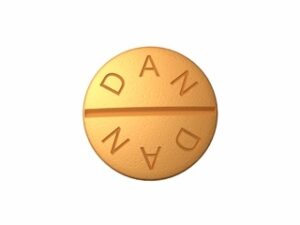
| Form | Oral tablets (strengths vary by local supply) |
| Typical administration | Oral dosing schedules differ for acute treatment vs prevention |
| Key safety focus | Drug interactions and kidney/liver function |
How Colcrys Works (Mechanism of Action)
Colchicine is an anti-inflammatory medicine. It works mainly by affecting the internal “machinery” of cells involved in inflammation.
- Microtubule disruption: Colchicine interferes with microtubules, which are structural components in cells and are important for movement and activation of white blood cells.
- Reduced inflammatory activity: By limiting the actions of neutrophils (a type of white blood cell), colchicine can decrease inflammatory signalling and reduce swelling, redness, and pain in conditions such as gout.
- Early use matters: Colchicine is most effective when taken early during an acute flare.
Pharmacokinetics (Absorption, Distribution, Metabolism, Elimination)
Understanding how the body handles colchicine can help explain why interactions and organ function are important.
Absorption
Colchicine is absorbed after oral dosing. The amount reaching the bloodstream can be influenced by food and by medicines that affect drug transport and metabolism.
Distribution
Colchicine distributes into tissues, including areas involved in inflammation. Blood levels may not directly predict how quickly symptoms improve, but they are relevant for safety.
Metabolism and Transport
Colchicine is metabolised and is also influenced by drug transport systems (including P-glycoprotein and certain liver enzymes). Medicines that inhibit these pathways can raise colchicine blood concentrations, increasing the risk of side effects.
Elimination
Colchicine is eliminated from the body through a combination of metabolism and excretion. Kidney and liver impairment can significantly increase colchicine exposure, meaning lower doses or careful monitoring may be needed.
Typical Uses in Australia
Colcrys is commonly used for gout, including:
- Treatment of acute gout flares (to help reduce pain and inflammation)
- Prevention of gout flares in people being started on or changing gout-lowering therapy, when advised
Depending on individual circumstances, healthcare professionals may use colchicine for other inflammatory conditions. The right indication depends on your diagnosis and risk factors.
Indications: When Colcrys May Be Recommended
Colcrys is used when the goal is to reduce inflammatory activity associated with conditions such as gout. Typical scenarios include:
- Acute gout flare: To treat inflammation and pain during an attack.
- Ongoing flare prevention: To help reduce the frequency of gout attacks, particularly around the time of starting or adjusting gout-lowering therapy.
- Recurrent inflammatory attacks: In selected patients, as determined by a clinician based on overall health and medication profile.
If you are unsure whether Colcrys is appropriate for you, ask your pharmacist or doctor.
Dosing and Timing (General Guidance)
Important: Dose schedules can differ by the purpose of treatment (acute flare vs prevention) and by your kidney/liver function and interacting medicines. Always follow the dosing instructions provided with your product and by your healthcare professional.
For an Acute Gout Flare
- Start early: Taking colchicine as soon as possible after symptoms begin (often within the first 12–24 hours) may improve effectiveness.
- Use the prescribed schedule: Acute dosing is not “one size fits all.” Some regimens use an initial dose followed by additional doses for a short period.
For Prevention of Gout Flares
- Regular dosing: Preventive use often involves taking colchicine at a consistent schedule over a period advised by your healthcare professional.
- Review duration: The need for ongoing preventive therapy should be reviewed periodically.
Kidney or Liver Impairment
If you have kidney disease or liver impairment, your clinician may adjust the dose and frequency. Do not increase the dose to “make it work faster.”
Missed Dose
- Acute flare regimen: Follow the instructions you were given for missed doses.
- Preventive regimen: If you miss a dose, take it when remembered unless it is close to your next dose—avoid taking extra doses to compensate.
Food Interactions and Eating Tips
Food can affect absorption for some medicines, but colchicine is generally taken with water and can be taken with or without food depending on your regimen and tolerability.
- Reduce stomach upset: If you experience nausea or diarrhoea, consider taking colchicine with food (unless your clinician advised otherwise).
- Grapefruit and certain foods: Colchicine interactions often involve drugs rather than foods, but it’s still wise to avoid or discuss high-risk foods/supplements that may increase colchicine levels.
Practical tip: Take your dose the same way each time (e.g., consistently with a meal or consistently on an empty stomach) unless told otherwise. This helps maintain predictable absorption.
Alcohol Interactions
Alcohol does not typically “react” with colchicine in the same way some medicines do, but drinking alcohol can increase the risk of harm indirectly.
- Gout trigger: Alcohol—especially beer and spirits—can trigger gout flares in some people.
- Added burden on the body: Heavy alcohol intake may worsen dehydration, affect liver health, and increase side-effect risk.
- Safety: If you drink alcohol, do so cautiously and discuss your situation with a pharmacist or doctor, particularly if you have kidney or liver disease.
Medicine Interactions (Very Important)
Colchicine levels can rise when certain medicines block its metabolism or transport. This can lead to serious toxicity. Tell your pharmacist or clinician about all medicines and supplements you take, including over-the-counter products.
Common interaction risk categories
- Strong inhibitors of P-glycoprotein (P-gp) and/or CYP3A4: These can significantly increase colchicine exposure.
- Certain antibiotics and antifungals: Some can increase colchicine levels.
- Some antiviral medicines for HIV or hepatitis: Potential interaction risk exists.
- Some heart medicines and cholesterol medicines: Depending on the specific drug, risk may vary.
Statins and muscle risk
If colchicine is taken with certain cholesterol-lowering medicines (statins), there may be an increased risk of muscle-related side effects such as muscle pain or weakness and, rarely, severe muscle injury. Seek medical advice promptly if you develop unexplained muscle symptoms.
What to do
- Do not start new medicines (including antibiotics/antifungals) without checking for interactions.
- Carry an up-to-date medication list when visiting healthcare providers.
- Be alert to toxicity symptoms (see safety section).
Safety Profile: Side Effects and Warnings
Most people taking colchicine experience few problems when it is used correctly. However, side effects can occur, and the risk increases when doses are higher than recommended or when interacting medicines raise colchicine levels.
Common side effects
- Diarrhoea
- Nausea
- Abdominal pain
- Vomiting
Less common but important risks
- Blood disorders (rare; requires medical evaluation)
- Nerve or muscle problems (rare; urgency depends on symptoms)
- Severe toxicity in the setting of overdose or strong interactions
Serious symptoms: seek urgent medical advice
Contact a healthcare professional urgently (or seek emergency care if severe) if you experience:
- Persistent or severe diarrhoea or vomiting
- Severe weakness, dizziness, or dehydration
- Unexplained muscle pain, tenderness, or weakness
- Signs of low blood counts (e.g., unusual bruising, infections)
Overdose caution
Do not exceed the recommended dose. Colchicine overdose can be life-threatening. Keep the medicine out of reach of children and follow storage guidance on the pack.
Practical Use Tips (Making Colcrys Easier and Safer)
- Take it early for flares: If you’re treating an acute gout attack, start promptly once advised.
- Use a medication organiser: Helps prevent dosing errors, especially when using different schedules for flare treatment vs prevention.
- Check your kidney function plan: If you have reduced kidney function, ask about the intended dose and duration.
- Monitor your symptoms: If symptoms don’t improve or worsen, seek medical advice rather than increasing the dose.
- Stay hydrated: Hydration can support overall comfort and may reduce risk of dehydration if diarrhoea occurs.
- Track triggers for gout: Alcohol, dehydration, and certain dietary patterns may increase flare risk.
Alternative Options for Gout and Inflammation
The best alternative depends on the type of gout problem, your medical history, and your other medicines. If colchicine isn’t suitable, clinicians may consider other treatments.
Possible alternatives (depending on your situation)
- Anti-inflammatory medicines (NSAIDs): Sometimes used for acute gout flares (may not be suitable for everyone).
- Oral corticosteroids: Another option for acute flares when NSAIDs or colchicine are unsuitable.
- Injections (e.g., steroid injections): In selected cases, especially for one joint.
- Gout-lowering therapy: Long-term prevention often involves urate-lowering medication (the choice and timing depend on your clinician’s plan).
Note: Alternatives may have their own interaction risks and contraindications. A pharmacist can help compare options.
Market and Legal Context in Australia
In Australia, medicine availability and product status may vary by formulation and strength. Colcrys (colchicine) is an established brand used for specific indications such as gout. Availability through online pharmacies may be subject to Australian pharmacy regulations, supplier arrangements, and local prescribing/dispensing requirements.
For online purchasing, you may be asked to complete a brief medication questionnaire (for safety checks) and provide delivery details. A pharmacist may contact you if clarification is needed to support safe use.
Always check: the product name, strength, expiry date, and dosing instructions on the received packaging.
Recent Guidance and Ongoing Safety Awareness
Safety guidance for colchicine continues to emphasise:
- Avoiding harmful drug combinations that increase colchicine exposure.
- Using dose adjustments when kidney or liver function is reduced.
- Recognising early GI side effects and stopping/adjusting treatment promptly when advised.
- Reviewing all current medicines before starting or changing therapy.
Because recommendations can evolve as more interaction data becomes available, it’s wise to check in with your pharmacist if you are starting any new medication—even if it seems unrelated (for example, certain antibiotics or antifungals).
Delivery and Availability (Australia)
Online pharmacies in Australia may offer home delivery options where permitted. Availability depends on stock levels and the specific strength of Colcrys supplied.
- Dispatch times: Commonly dispatched within 1–2 business days once the order is processed, though this can vary.
- Delivery options: Standard and express shipping may be offered.
- Cold-chain: Colcrys tablets are typically not temperature-sensitive in the same way refrigerated medicines are, but always follow storage instructions.
After you receive your order: confirm the strength and count, check expiry date, and read the label instructions carefully before use.
Frequently Asked Questions (FAQ)
1) What is Colcrys used for?
Colcrys (colchicine) is used to treat and help prevent inflammatory attacks, most commonly gout. It helps reduce pain and swelling during flares and may be used to reduce the risk of future flares in selected situations.
2) How quickly will Colcrys work during a gout flare?
Many people notice improvement within hours to a day, particularly when started early. If symptoms do not improve, or if you are worsening, speak with a healthcare professional rather than taking extra doses.
3) Can I take Colcrys with food?
Often, yes. If you experience stomach upset, taking it with food may help. Follow the instructions given on your medicine label or by your clinician.
4) What are the main side effects?
The most common side effects are gastrointestinal, such as diarrhoea, nausea, vomiting, and abdominal pain.
5) Why are drug interactions such a big deal with colchicine?
Because some medicines can increase colchicine blood levels by affecting how the body processes it. Elevated levels increase the risk of serious toxicity, including severe GI symptoms and, rarely, muscle or nerve problems.
6) Can I drink alcohol while taking Colcrys?
Moderate alcohol may not directly interact with colchicine for everyone, but alcohol can trigger gout and may worsen dehydration or liver health. If you drink, do so cautiously and discuss your situation with a healthcare professional.
7) What should I do if I miss a dose?
For preventive therapy, take it when remembered unless it’s almost time for the next dose. Avoid doubling doses. For flare treatment regimens, follow the specific instructions provided for missed doses.
8) Is Colcrys safe for people with kidney or liver problems?
Colchicine can accumulate when kidney or liver function is reduced. Dose adjustments and careful monitoring may be necessary. Always inform your pharmacist/clinician about any kidney or liver disease.
9) Are there alternatives to Colcrys?
Yes. Depending on your condition and health profile, healthcare professionals may use NSAIDs, corticosteroids, or other options for acute flares and long-term urate-lowering strategies for prevention.
10) When should I seek urgent medical help?
Seek urgent advice if you develop severe or persistent diarrhoea/vomiting, signs of dehydration, unexplained muscle weakness/pain, or any symptoms that make you feel seriously unwell.
Summary
Colcrys (colchicine) is an anti-inflammatory medicine used in the management of conditions such as gout. It works by reducing inflammation within the body’s immune response. Its effectiveness depends on correct timing—especially early during a flare—and its safety depends strongly on avoiding interactions and considering kidney/liver function.
If you have questions about whether Colcrys is suitable for you, or you’re unsure about interactions with any medicines you currently take, consult a pharmacist. They can help you use Colcrys safely and confidently.