
Zyloprim (Allopurinol) — Patient-Friendly Guide (Australia)
Zyloprim is the brand name for allopurinol, a medicine used to manage conditions caused by high levels of uric acid in the body. In Australia, it is widely prescribed and supported by clinical guidelines for gout and certain types of kidney stones, and for people who need long-term control of uric acid.
This guide explains how Zyloprim works, what it is used for, how it’s taken, important safety information, and practical tips to help you use it effectively. If you have questions about your specific situation, speak with a pharmacist or doctor.
Basic Product Information
- Brand: Zyloprim
- Generic name: Allopurinol
- Used for: Long-term reduction of uric acid levels
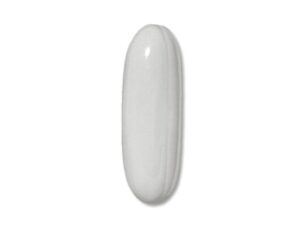
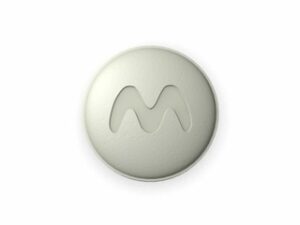
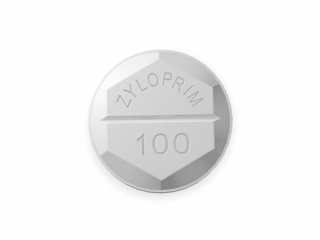
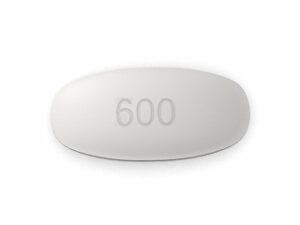
- Common forms: Tablets (strengths vary by product and supply)
- Availability: Typically available through pharmacies; availability can vary by strength
Note: Tablet strengths and dosing instructions should follow the product packaging and your clinician’s directions.
How Zyloprim Works (Mechanism of Action)
Allopurinol lowers uric acid by blocking an enzyme called xanthine oxidase.
- Xanthine oxidase helps convert purines (substances found in certain foods and also made naturally in the body) into uric acid.
-
Zyloprim reduces this conversion, which leads to:
- Lower production of uric acid
- Decreased uric acid build-up in blood and urine
- Gradual improvement in gout control for many people
A key point for gout: when uric acid levels start to fall, some people may experience a flare during the first weeks to months. This does not mean the medicine is failing—often it means the uric acid is adjusting. Your doctor may use additional strategies (for example, short-term anti-inflammatory treatment) at the start.
Pharmacokinetics (Absorption, Metabolism, Elimination)
Understanding how the body handles allopurinol can help you take it consistently and know what to expect.
- Absorption: Allopurinol is absorbed after oral dosing. Food may slightly affect timing of absorption, but it does not usually prevent effective use.
- Metabolism: Allopurinol is converted in the body to its active metabolite, oxypurinol.
- Half-life: Oxypurinol remains in the body for a prolonged period, supporting long-term dosing once daily in many cases.
- Elimination: Mostly via the kidneys (urine). Dose adjustment may be needed in kidney impairment.
Practical takeaway: Because active compounds persist, missing occasional doses may not immediately remove benefit, but consistent daily use is important for steady uric acid control.
Typical Use and Timing
What it’s used for
Zyloprim is used to lower uric acid levels in people with:
- Gout (including prevention of recurrent attacks)
- Uric acid kidney stones or prevention of certain types of stones
- Other high uric acid states (for example, some medical situations with increased uric acid production)
When to expect results
- Uric acid levels typically begin to decrease within days, but full stabilisation can take weeks to months.
- If you have gout, flares may occur early in treatment. That is why long-term control matters, and why your clinician may recommend additional measures.
How to take it (timing)
- Once daily is common for many strengths and regimens.
- Take it at the same time each day to help you remember.
- If you are prescribed more than once per day, follow the schedule precisely.
Tip: Choose a time linked to your daily routine (e.g., after breakfast) and use a medication reminder if helpful.
Food Interactions
Allopurinol can generally be taken with or without food.
- Meals: Food is not usually a major issue for effectiveness. Taking with food may help reduce stomach upset for some people.
- Hydration: Staying well-hydrated can support kidney health and may help reduce the risk of stone formation.
- Dietary purines: Medicines help reduce uric acid production, but diet also matters. Limiting very high-purine foods (for example, certain organ meats and some seafood) may help manage gout.
Your pharmacist can advise on practical diet steps suited to your condition.
Alcohol and Medicine Interactions
Alcohol can worsen gout by increasing uric acid levels and promoting dehydration, which may increase the risk of flares. While allopurinol reduces uric acid production, heavy alcohol intake can still trigger symptoms.
- Best approach: Consider limiting alcohol—especially beer and spirits—and avoid binge drinking.
- Timing: If you drink, do so moderately and stay hydrated.
Other medicines: Zyloprim can interact with various drugs. It’s important to tell your pharmacist or doctor about all medicines you take, including:
- Azathioprine and 6-mercaptopurine (often require dose changes)
- Warfarin (some people may need closer monitoring of blood clotting tests)
- Some diuretics (e.g., thiazides/loop diuretics may affect uric acid handling)
- Medicines for diabetes and other long-term treatments (interaction potential depends on the specific agent)
- Antibiotics such as ampicillin or similar drugs may increase rash risk in some cases
- Immunosuppressants (interaction risk may increase depending on your regimen)
If you’re unsure whether a medicine is safe to combine, check with a pharmacist before starting or changing any medicines.
Indications (When Zyloprim is Used)
In clinical practice, Zyloprim is used when uric acid needs long-term reduction, such as:
- Gout with recurrent attacks or to prevent future flares when uric acid is persistently high
- Tophaceous gout (urate deposits)
- Uric acid or mixed kidney stones
- High uric acid due to increased turnover in certain medical contexts (for example, some chemotherapy-related situations)
Important: Zyloprim is not typically used as a quick treatment for an active gout attack. It is designed to manage uric acid over the long term.
Dosing Guidance (General Information for Australia)
Dosing must be individualised based on your uric acid levels, kidney function, and treatment goals. A clinician will determine the right dose and may increase gradually to reduce the risk of flare and side effects.
Typical dosing approach
- Many people start at a low dose and increase slowly (titration).
- Kidney impairment often requires dose adjustment.
- Dosing may change based on follow-up uric acid testing.
Example dosing structure (illustrative)
Because tablet strengths vary and dosing is tailored, the following is an illustrative overview of how titration often works—please follow your prescribed regimen.
| Situation | Common dosing approach | Monitoring focus |
|---|---|---|
| New start for gout / prevention | Start low; increase gradually over time | Uric acid level; symptom control; flare management |
| Reduced kidney function | Lower starting dose; adjust carefully | Kidney function; safety monitoring |
| Uric acid stones prevention | Target uric acid reduction and prevention plan | Urine/kidney stone risk; uric acid targets |
| Very high uric acid states | Specialised plan based on underlying condition | Uric acid levels; renal monitoring |
Dose adjustment and lab monitoring
- Your doctor may request regular blood tests to check kidney function, liver function, and uric acid levels.
- If you experience side effects, dosing may be slowed or changed.
Safety Profile (What to Watch For)
Most common side effects
Side effects vary between individuals. Commonly reported effects may include:
- Nausea or stomach discomfort
- Headache
- Skin reactions
Serious skin reactions (seek urgent help)
Rarely, allopurinol can cause severe allergic or skin reactions. Get urgent medical help if you develop:
- Rash that is widespread, blistering, or peeling
- Fever with rash
- Sore mouth, eye pain, or general feeling of being very unwell
- Swelling of face/lips or trouble breathing
Allergic reactions
- Stop and seek medical advice urgently if you suspect an allergy.
- Never “wait it out” if symptoms are severe or rapidly worsening.
Kidney and liver considerations
- People with kidney impairment may require dose adjustment.
- Doctors may monitor kidney and liver function during treatment.
Important genetic risk information (Australia context)
A known association exists between certain genetic variants (commonly discussed as HLA-B*58:01) and a higher risk of severe skin reactions with allopurinol. In some clinical settings, testing may be considered for individuals at higher risk based on ancestry or clinical factors. Your clinician or pharmacist can discuss whether testing is relevant for you.
When to be extra cautious
- Older adults (higher likelihood of kidney impairment and medication sensitivity)
- Kidney disease
- History of prior drug rash
- Concomitant medicines that raise interaction risk
Practical Use Tips (How to Get the Best Results)
- Don’t stop suddenly: Zyloprim works best with consistent long-term use. Stopping may allow uric acid to rise again.
- Be prepared for early flare-ups in gout: If you get a flare after starting, contact your clinician for advice. Do not automatically assume you should stop the medicine.
- Stay hydrated: Adequate fluid intake can support kidney function and reduce stone risk.
- Track symptoms: Note the timing of flares or side effects. This information helps your doctor adjust treatment.
- Take with regular routines: A daily habit reduces missed doses.
- Check your full medication list: Include over-the-counter products, vitamins, and herbal supplements when you ask about interactions.
Alternative Options
Depending on your diagnosis, uric acid targets, kidney function, and prior response, alternative treatments may include:
- Febuxostat (another urate-lowering medicine; suitability depends on individual risk factors)
- Probenecid (in some cases, helps increase uric acid excretion; less suitable for certain kidney functions)
- Urate-lowering strategies specific to kidney stones (including hydration and urine chemistry approaches)
- For acute gout flares: Anti-inflammatory options are used separately from urate-lowering therapy (your clinician will select the safest option for you)
Your pharmacist can explain which options might be appropriate if Zyloprim is not suitable for you.
Market & Legal Context for Australia
In Australia, medicines like allopurinol are regulated under the Therapeutic Goods Administration (TGA) framework. Zyloprim and other urate-lowering medicines are used in accordance with Australian prescribing practice and clinical guidelines.
Availability typically depends on the listed product strength and local pharmacy supply. Online pharmacies commonly provide ordering and delivery within Australia, but stock levels may vary by strength.
Guideline-based care: Treatment decisions—dose choice, targets, monitoring frequency, and safety checks—are informed by clinical guidance and individual risk assessment.
Recent Guidance and Practice Points
Australian clinical practice generally emphasises:
- Treat-to-target approach: aiming for a uric acid goal rather than simply prescribing a fixed dose
- Slow dose titration: starting low and increasing gradually to reduce adverse effects
- Proactive management of early flares: many people need short-term flare prevention strategies when beginning urate-lowering therapy for gout
- Safety screening: individual assessment of allergy risk and kidney function, with consideration of genetic risk where relevant
If you’ve started Zyloprim recently, it’s common to have follow-up visits or blood tests to ensure uric acid levels are falling safely and effectively.
Delivery and Availability (Australia)
Zyloprim/allopurinol is commonly stocked by pharmacies, and online pharmacies may offer delivery across Australian states and territories. Availability can depend on:
- Tablet strength and pack size
- Regional supply and demand
- Short-term pharmacy ordering cycles
If your preferred strength is temporarily unavailable, some services may offer:
- Alternative packaging/strength options (if clinically suitable)
- Back-order or expected restock dates
- Advice on what to do if you need urgent continuity of supply
For best results, order early and ensure your medication arrives before you run out.
FAQ
1. Is Zyloprim used for immediate gout pain relief?
Zyloprim is designed for long-term control of uric acid. It is not usually used to relieve an acute gout flare straight away. If you have a flare, ask your clinician or pharmacist about appropriate flare treatment.
2. How quickly will Zyloprim start working?
Your uric acid levels may begin to fall within days, but symptom improvement and full stabilisation can take weeks to months, especially for gout prevention.
3. Can I take Zyloprim with food?
Yes. It can generally be taken with or without food. If you experience nausea, taking it with a meal may help.
4. What alcohol should I avoid?
It’s best to limit alcohol because heavy or frequent drinking can trigger gout flares. Beer and spirits may be more problematic for some people. If you drink, keep it moderate and stay well hydrated.
5. What medicines commonly interact with allopurinol?
Interactions can occur with medicines such as azathioprine, 6-mercaptopurine, and some anticoagulants and diuretics. Always share your full medicine list with a pharmacist to check safety.
6. What should I do if I miss a dose?
If you miss a dose, take it when you remember unless it’s close to your next dose. Do not double up. If you are unsure, check with your pharmacist.
7. Are there any blood tests I should expect?
Clinicians often monitor uric acid levels and may also monitor kidney function and liver tests depending on your health status and dose.
8. Is it safe for everyone?
Many people use allopurinol safely when properly monitored, but suitability depends on kidney function, allergy history, and other medications. If you have ever had a severe reaction to allopurinol or related medicines, discuss risks promptly with a healthcare professional.
9. What warning signs mean I should seek urgent medical advice?
Seek urgent help if you develop a severe rash (blistering/peeling), fever with rash, facial swelling, trouble breathing, or you feel very unwell.
10. What are my options if Zyloprim doesn’t suit me?
Alternatives such as febuxostat may be considered depending on your medical history. Your clinician can determine the safest option for you and adjust dosing plans.
Disclaimer: This information is for general patient education and does not replace individual medical advice. Always read the consumer medicine information (CMI) provided with your product and consult a pharmacist or clinician for personalised guidance.