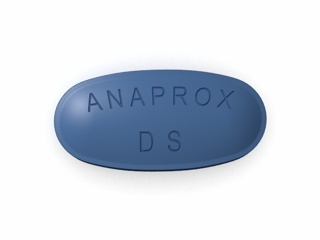


Anaprox (Naproxen) – Patient Information (Australia)
Anaprox contains naproxen, a medicine from the group known as non-steroidal anti-inflammatory drugs (NSAIDs). It is used to relieve pain and inflammation in a range of conditions. This guide is written to help you understand how Anaprox works, how to use it safely, what to watch for, and how it may interact with food, alcohol, and other medicines.
This information is general and cannot replace advice from a healthcare professional. If you are unsure whether Anaprox is suitable for you, ask your pharmacist or doctor.
Quick product overview
| Feature | Details |
|---|---|
| Active ingredient | Naproxen |
| Drug class | NSAID (anti-inflammatory pain relief) |
| Common uses | Pain, inflammation, arthritis, period pain |
| How it works | Reduces prostaglandins (pain/inflammation chemicals) |
| Common side effects | Stomach upset, heartburn, nausea (sometimes dizziness) |
| Special cautions | Stomach ulcer risk, kidney risk, heart/BP risk, asthma sensitivity |
What is Anaprox?
Anaprox is an NSAID pain-relieving medicine containing naproxen. NSAIDs help reduce:
- Pain (e.g., aches, sprains, inflammatory pain)
- Inflammation (swelling and tenderness)
- Fever (in some cases)
Naproxen is commonly used for conditions such as inflammatory joint disorders and menstrual pain. It may be used for short-term relief or longer-term management depending on the condition.
How Anaprox works (mechanism of action)
Naproxen works by blocking enzymes called cyclo-oxygenases (COX-1 and COX-2). These enzymes help your body make prostaglandins—chemicals involved in:
- Inflammation and swelling
- Pain signalling
- Protection of the stomach lining and normal kidney blood flow
By reducing prostaglandins, Anaprox can lower pain and inflammation. However, because prostaglandins also help protect the stomach and support kidney function, NSAIDs can increase the risk of gastric irritation, ulcers, bleeding, and kidney problems in susceptible people.
Pharmacokinetics: how the body absorbs and handles naproxen
After taking naproxen by mouth, the medicine is absorbed and distributed throughout the body. The key pharmacokinetic features help explain dosing schedules and how food may affect onset.
- Absorption: Naproxen is absorbed from the gastrointestinal tract. Food can affect the speed of absorption (often slowing it slightly).
- Distribution: It binds significantly to blood proteins, which helps determine how it acts in the body.
- Metabolism: Naproxen is metabolised primarily in the liver.
- Elimination: Metabolites and some drug are excreted through the kidneys.
- Half-life: Naproxen has a relatively long duration of action, which is why it can often be taken once or twice daily depending on the formulation and intended use.
Because naproxen is processed by the liver and kidneys, people with significant liver or kidney impairment should take extra care. Your pharmacist can advise based on your situation.
Typical use cases (indications)
Anaprox is used to treat pain and inflammation from a range of conditions. Common indications include:
- Arthritis (e.g., rheumatoid arthritis, osteoarthritis, ankylosing spondylitis)
- Inflammatory joint and soft tissue pain (e.g., sprains, strains)
- Period pain (dysmenorrhoea)
- Muscle or tendon pain associated with inflammation
- Back pain and other musculoskeletal pain where an anti-inflammatory effect is helpful (as advised)
The best choice of medicine and dose depends on the cause of pain, your age, your medical history, and other medicines you take.
When to take Anaprox (timing and dosing principles)
Your dose and schedule may vary by formulation and the condition being treated. Always follow the directions on the label. If you are unsure, check with a pharmacist.
General timing tips
- Take with food or milk if it upsets your stomach.
- If you are using it for period pain, many people find it works better when taken as symptoms start (or slightly before, if advised).
- Try to keep doses evenly spaced across the day when multiple doses are needed.
- Use the lowest effective dose for the shortest necessary time to reduce risk.
Dosing guidance (what’s typical)
Dosage depends on the condition, severity of symptoms, age, kidney function, and other health factors. The table below provides general dose ranges commonly used for adults with naproxen products. Exact dosing should always follow the product label and professional advice.
| Condition (adult examples) | Typical approach | Notes |
|---|---|---|
| Arthritis / chronic inflammatory pain | Often taken once or twice daily depending on the formulation | Regular timing helps maintain effect. |
| Period pain | Started at onset of symptoms; dosing may be divided across the day | Some people benefit from earlier use when symptoms begin. |
| Acute musculoskeletal pain (short-term) | Short courses with doses spaced appropriately | If pain persists beyond a few days, seek advice. |
Do not exceed the maximum daily dose on the product packaging. If you miss a dose, take it when you remember unless it is close to your next scheduled dose. Avoid taking extra doses to “catch up.”
Food interactions: can you take Anaprox with meals?
Food can influence how quickly naproxen begins working, mainly by affecting absorption. Many people find taking Anaprox with food improves stomach comfort.
- With food: May reduce stomach upset and heartburn. Onset may be a little slower.
- On an empty stomach: May work faster for some people, but increases the chance of nausea, indigestion, or stomach pain.
Practical suggestion: If you’ve previously felt stomach irritation with NSAIDs, consider taking Anaprox after meals.
Alcohol interactions
Combining NSAIDs like naproxen with alcohol can increase the risk of:
- Gastric irritation
- Stomach bleeding and ulcers
- Dizziness or drowsiness (sometimes affecting driving or machinery use)
If you drink alcohol, it’s safest to avoid or minimise alcohol while taking Anaprox. If you notice black/tarry stools, vomiting blood, or severe stomach pain, seek urgent medical help.
Medicine interactions: important combinations to know
Naproxen can interact with other medicines and change how safely you absorb or clear them. Inform your pharmacist about all medicines you use, including over-the-counter products and herbal remedies.
Common interaction categories
- Other NSAIDs: Avoid combining naproxen with ibuprofen, aspirin (at pain-relief doses), diclofenac, or other NSAIDs. Increased risk of stomach and kidney side effects.
- Blood thinners (anticoagulants) and antiplatelets: Examples include warfarin and clopidogrel. Higher risk of bleeding.
- Corticosteroids: Example prednisone. Increased risk of gastrointestinal ulcer/bleeding.
- Selective serotonin reuptake inhibitors (SSRIs) and SNRIs: Examples include sertraline, fluoxetine, venlafaxine. Can increase bleeding risk.
- Blood pressure medicines: NSAIDs may reduce kidney function and can affect blood pressure control. Particularly relevant with ACE inhibitors and angiotensin receptor blockers (ARBs), and diuretics.
- Diuretics: Combined use can increase kidney stress in some people.
- Lithium: Naproxen may increase lithium levels, raising toxicity risk.
- Methotrexate: Naproxen can affect methotrexate levels, increasing side effect risk.
- Diabetes medicines: Some NSAIDs may affect glucose control; monitor if relevant.
- Antacids and acid-reducers: These don’t usually “cancel” NSAIDs, but may help with symptoms. Ask your pharmacist about the best approach for frequent heartburn.
If you’re taking multiple medicines, you may need specific monitoring or a different treatment plan.
Safety profile: who should be cautious?
Most people can take naproxen safely when used correctly. However, NSAIDs carry risks—particularly for the stomach, kidneys, and cardiovascular system—so extra caution is needed in certain groups.
Seek medical advice before using if you:
- Have a history of stomach ulcer or gastrointestinal bleeding
- Have kidney disease or reduced kidney function
- Have heart disease, high blood pressure, or a history of stroke
- Have asthma that worsens with aspirin or NSAIDs
- Have uncontrolled bleeding disorders or take blood-thinning medicines
- Are pregnant or trying to conceive (especially later pregnancy—NSAIDs are generally avoided)
- Are elderly or frail (risk of side effects may be higher)
Common side effects
- Heartburn, indigestion, stomach pain
- Nausea or vomiting
- Headache, dizziness
- Fluid retention or mild swelling
Serious side effects (urgent attention)
Contact a healthcare professional urgently or seek emergency care if you experience:
- Black/tarry stools, blood in vomit, or vomiting “coffee grounds”
- Severe or persistent stomach pain
- Shortness of breath, wheezing, or face/lip swelling (possible allergy)
- Unexplained bruising or bleeding
- Decreased urine, marked swelling, or sudden weight gain (possible kidney issues)
- Chest pain, weakness on one side, or trouble speaking (possible cardiovascular event)
- Severe skin reactions (rash with blistering, peeling, or mouth sores)
Practical use tips for safer relief
- Use the lowest effective dose for the shortest time needed.
- Take with food if you experience stomach discomfort.
- Don’t combine NSAIDs (e.g., naproxen + ibuprofen).
- If you need additional pain relief, consider paracetamol (acetaminophen) as an option for many people, unless your pharmacist advises otherwise.
- Stay hydrated, especially if you’re unwell, dehydrated, or have kidney risk factors.
- If pain is not improving or is worsening, get medical advice rather than increasing the NSAID dose.
- Keep track of side effects (heartburn, dizziness, stool changes) and report them promptly.
Alternative options
Depending on your condition and health profile, alternatives may include:
- Other NSAIDs (chosen based on tolerance and risk—avoid taking two together).
- Paracetamol for pain relief (often gentler on the stomach than NSAIDs for many people, but still has dosing limits).
- Topical anti-inflammatory gels for certain joint or soft tissue pains (may reduce systemic side effects).
- Non-medicine approaches such as rest, heat/ice, physiotherapy, strengthening exercises, and ergonomic changes.
If you’ve had stomach ulcers, kidney problems, or NSAID allergy, ask your pharmacist about safer options for your situation.
Market and legal context in Australia (general)
In Australia, medicines are regulated by the Therapeutic Goods Administration (TGA). Availability and classification (including whether a medicine is listed, restricted, or supplied under specific conditions) can depend on:
- Formulation and strength
- Indications on the label
- Risk considerations and local regulatory requirements
Pharmacy supply must comply with Australian laws and standards, including requirements for appropriate patient information, safe dispensing, and pharmacovigilance. Your online pharmacy should provide clear product information and help you check suitability.
Recent guidance and safety awareness
NSAID safety guidance continues to emphasise:
- Using the lowest effective dose and shortest duration
- Careful screening for GI bleeding risk, kidney risk, and cardiovascular risk
- Avoiding NSAID duplication (taking more than one NSAID at a time)
- Extra caution in older adults and those taking interacting medicines
If you have chronic symptoms (e.g., ongoing arthritis pain), ask whether long-term management strategies are appropriate, including whether additional stomach protection is needed.
Delivery and availability
Availability can vary by product type and strength. When ordering online in Australia, delivery options may include standard and express shipping, with dispatch times depending on stock and courier schedules.
- Packaging: Medicines are typically supplied in secure packaging suitable for retail handling.
- Cold chain: Naproxen products usually do not require refrigeration, unless specifically indicated for a particular brand.
- Delivery times: Vary by location (metropolitan vs regional). Check the website’s delivery estimate at checkout.
If your order includes items that require special storage, age verification, or additional checks, the pharmacy will typically contact you if necessary.
FAQ: Anaprox (Naproxen) questions people ask
1) How quickly does Anaprox work?
Many people notice pain relief within a short time after taking naproxen, though onset can be influenced by food. If you take it with meals, it may take a little longer to start working, but it can reduce stomach discomfort.
2) Can I take Anaprox with other pain medicines?
You generally should avoid combining naproxen with other NSAIDs. For additional pain relief, paracetamol is often used alongside NSAIDs for some people, but you should confirm what is suitable for you with a pharmacist—especially if you have liver disease or take other medicines.
3) What should I do if I miss a dose?
Take it when you remember unless it is close to your next scheduled dose. Do not double up to make up for a missed dose.
4) Can I take it on an empty stomach?
It may work faster for some people, but taking naproxen on an empty stomach increases the chance of stomach irritation. If you experience heartburn or nausea, take it with food or milk.
5) Who shouldn’t use naproxen?
People at higher risk—including those with current or past stomach ulcers or bleeding, certain kidney conditions, NSAID-sensitive asthma, or significant cardiovascular risk—should discuss suitability with a healthcare professional.
6) Is it safe to drink alcohol while taking Anaprox?
It is best to avoid or minimise alcohol. Alcohol can increase the risk of stomach irritation and bleeding and may worsen dizziness.
7) Are there any signs I should stop and get help?
Stop and seek urgent medical advice if you develop symptoms such as black stools, vomiting blood, severe stomach pain, breathing difficulty, facial swelling, or signs of a serious allergic reaction.
8) Does naproxen affect blood pressure or the kidneys?
NSAIDs can affect kidney function and may influence blood pressure in some people, particularly those taking blood pressure medications, diuretics, or those who are dehydrated. If you have kidney or blood pressure concerns, ask a pharmacist for tailored advice.
9) Can Anaprox be used long-term?
Some inflammatory conditions require longer-term treatment, but long-term NSAID use increases risk. If you need ongoing therapy, discuss a safe plan with regular review and consider risk-reduction strategies.
10) What’s the difference between naproxen and ibuprofen?
Both are NSAIDs but differ in dosing frequency and individual tolerance. Do not switch or combine NSAIDs without advice, especially if you have a history of side effects or interacting medicines.
Storage and handling
- Store at room temperature, away from moisture and direct sunlight.
- Keep out of reach of children.
- Check the expiry date on the pack.
- If tablets/capsules change appearance or the packaging is damaged, return it to your pharmacist.
Speak to your pharmacist if you have questions about whether Anaprox is appropriate for your symptoms and medical history.