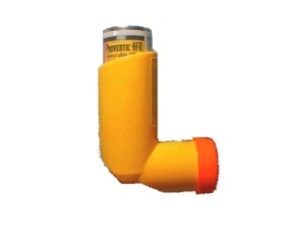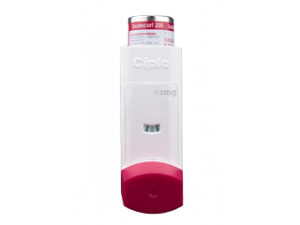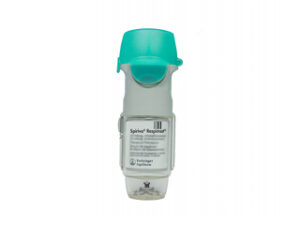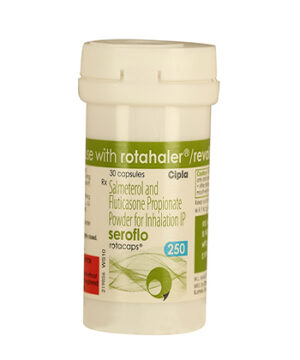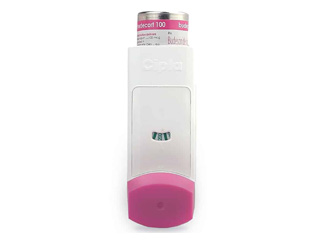

Budecort (Budesonide) – Patient Information (Australia)
Budecort is a brand of budesonide, a corticosteroid (anti-inflammatory medicine). It works locally in the airways or gut depending on the product form, helping to reduce inflammation and symptoms in conditions such as asthma and some inflammatory bowel diseases.
This guide explains how Budecort works, what it is used for, how to take it safely, and what to expect. Always follow the instructions provided with your product and discuss any questions with a healthcare professional.
Quick Facts
- Active ingredient: Budesonide
- Medicine type: Corticosteroid (anti-inflammatory)
- Common uses: Inflammatory control in asthma; inflammatory bowel disease (depends on formulation)
- How it is taken: Inhalation or oral (enteric-coated/controlled-release) depending on the product
- Key benefit: Reduces airway or gut inflammation to improve symptoms and control flare-ups
Basic Product Information
Budecort contains budesonide, a synthetic corticosteroid. Corticosteroids reduce inflammation by affecting multiple pathways involved in immune responses.
Important: Budecort is available in different forms (for example, inhaled formulations and oral formulations). The right dose and timing depend on the form and the condition being treated.
| Aspect | What it means for you |
|---|---|
| Where it acts | Depends on formulation—typically lungs (inhaled) or digestive tract (oral) |
| Onset of effect | Some symptom relief may begin within days; full effect may take longer |
| How it’s used | Regular use helps control inflammation; sudden stop may worsen symptoms |
| Common side effects | Varies by form (e.g., mouth/throat irritation for inhaled; GI symptoms for oral) |
How Budecort Works (Mechanism of Action)
Budesonide is a corticosteroid that helps “switch down” inflammation. It:
- Reduces the activity of inflammatory cells (such as eosinophils) in the affected tissue
- Decreases inflammatory chemical mediators
- Improves airway inflammation in asthma (in inhaled forms)
- Helps reduce inflammation in the gut lining for certain bowel conditions (in oral formulations)
Why this matters: By controlling inflammation, Budecort can help reduce symptom frequency, severity, and flare-ups—especially when used as directed.
Pharmacokinetics (Absorption, Distribution, Metabolism, Elimination)
Pharmacokinetics describes what the body does to the medicine. Budesonide is designed to be metabolised in the liver, which may reduce systemic effects compared with some other corticosteroids.
- Absorption: Depends on formulation and site of action (lungs vs. gut). Inhaled budesonide deposits in the airways; oral formulations are designed for targeted release in the intestines.
- Distribution: After absorption, budesonide binds to plasma proteins and reaches tissues via the bloodstream.
- Metabolism: Budesonide is extensively metabolised primarily by the liver enzyme CYP3A4 (major pathway).
- Elimination: Metabolites are cleared mainly through the kidneys and/or via bile, with most activity eliminated as inactive metabolites.
Clinical takeaway: Because metabolism involves CYP3A4, medicines that affect CYP3A4 can change budesonide levels. This is one reason it’s important to review your other medicines.
Typical Use and Indications
Budecort is used to manage inflammatory conditions. The exact indications depend on the product form you have.
Inhaled Budesonide (Asthma)
Inhaled budesonide is commonly used as a controller medicine for asthma to reduce inflammation and prevent symptoms and exacerbations.
Oral Budesonide (Inflammatory Bowel Disease)
Oral budesonide may be used for certain inflammatory bowel conditions, such as:
- Crohn’s disease (typically for mild to moderate activity in specific bowel locations)
- Ulcerative colitis (depending on formulation and disease pattern)
- Other steroid-responsive inflammatory conditions as advised by a clinician
Note: The exact diagnosis, severity, and location of disease often determine whether budesonide is appropriate and which dose is suitable.
Dosing Information (General Guidance)
Because Budecort has multiple formulations and strengths, dosing must be matched to your product and your condition.
- Inhaled forms: Doses are typically measured in micrograms per actuation or per inhalation schedule (exact regimen depends on strength and whether you are starting or maintaining therapy).
- Oral forms: Doses are often measured in milligrams and follow a schedule that may differ for induction and maintenance.
Always check your product label for the specific instructions. If you are unsure what “your dose” is, contact a pharmacist for clarification.
Timing
- Inhaled budesonide: Use consistently as prescribed. Many people find it easiest to tie doses to daily routines (e.g., morning/evening).
- Oral budesonide: Some regimens work best when taken at the same time each day. Your label or clinician instructions will specify the timing.
Do not adjust your dose without advice, especially if you have been using it regularly.
When You Should Feel Better
- Asthma (inhaled): Some improvement may be noticed within days, but maximal benefit can take longer, particularly for reducing inflammation and preventing flare-ups.
- Inflammatory bowel disease (oral): Symptom improvement may develop over days to weeks, depending on disease activity and formulation.
If symptoms worsen suddenly, or you experience severe shortness of breath, chest tightness, dehydration, severe abdominal pain, or blood in stools, seek urgent medical care.
How to Take Budecort Safely
Practical Tips for Inhaled Budesonide
- Use the correct inhaler technique: Poor technique can reduce how much medicine reaches your lungs.
- Rinse your mouth and spit after use: This reduces the risk of mouth/throat irritation and oral thrush.
- Use a spacer if recommended: For metered dose inhalers, spacers can improve delivery and reduce irritation.
- Keep your inhaler clean and dry: Follow device instructions for storage and cleaning.
Practical Tips for Oral Budesonide
- Follow the schedule closely: Taking it late or missing doses may reduce effectiveness.
- Do not crush or open modified-release capsules/tablets: Many oral forms are designed to release medicine in specific parts of the gut.
- Swallow whole with water: If your product instructions say so.
- Be consistent with meals: See food interactions below.
Food Interactions
Inhaled budesonide generally has minimal food interaction because it acts locally in the lungs.
Oral budesonide may have interactions with food depending on the specific formulation:
- Absorption may be affected by meals for some controlled-release or enteric-coated products.
- Some regimens are advised with or without food to optimise release and absorption.
What to do: Check your product’s instructions for whether to take it with food or on an empty stomach. If you’re unsure, ask a pharmacist.
Alcohol and Medicine Interactions
Alcohol
Moderate alcohol intake is not typically a direct contraindication for budesonide. However:
- Alcohol can worsen inflammation and may affect stomach lining or GI symptoms.
- If you are using budesonide for inflammatory bowel disease, consider limiting alcohol if it triggers symptoms.
- Avoid heavy drinking, especially if you have liver disease or are taking other medicines that affect the liver.
Medicine Interactions (Important)
Budesonide is metabolised by CYP3A4. Medicines that inhibit or induce CYP3A4 can change budesonide levels.
- CYP3A4 inhibitors (may increase budesonide effects): e.g., certain antifungals (like ketoconazole), some antibiotics (like clarithromycin), and some HIV medicines.
- CYP3A4 inducers (may reduce budesonide effects): e.g., rifampicin and some anticonvulsants.
Other potential interactions:
- Systemic corticosteroids or other steroid medicines: Increased overall steroid exposure may raise risk of side effects.
- Some immunosuppressive medicines: May increase risk of infections.
- Diuretics and heart medicines: If corticosteroid effects occur systemically, electrolyte balance can be affected (this is less common with targeted budesonide but still relevant for higher doses).
Tell your pharmacist about all medicines and supplements you use, including herbal products.
Safety Profile and Possible Side Effects
Like other corticosteroids, budesonide may cause side effects. However, because budesonide is often designed for targeted action and extensive first-pass metabolism, systemic side effects may be lower than with some other steroids.
Common Side Effects
- Inhaled: hoarse voice, throat irritation, cough, mouth dryness
- Inhaled: oral thrush (thrush risk is reduced by rinsing and spitting after inhalation)
- Oral: nausea, abdominal discomfort, headache
Serious Side Effects (Seek medical advice urgently if)
- Severe allergic reaction (swelling of face/lips, difficulty breathing, hives)
- Signs of severe infection (fever, persistent sore throat, unusual shortness of breath)
- Worsening asthma or sudden breathing difficulty not relieved by your usual asthma action plan
- Blood in stool, severe abdominal pain, or dehydration
Potential Long-Term or Dose-Related Effects
Risks generally increase with higher doses and longer durations, but even targeted corticosteroids can contribute to:
- Suppression of adrenal function (more likely if high dose or prolonged use)
- Bone thinning (osteoporosis risk with long-term steroid exposure)
- Cataracts or glaucoma (long-term corticosteroid exposure)
- Changes in mood or sleep
- Weight changes or fluid retention
Do not stop suddenly if you have been taking budesonide regularly, especially at higher doses. Your doctor may advise a gradual step-down to reduce the risk of adrenal insufficiency.
Special Populations
- Children: Growth should be monitored during long-term steroid use. Correct inhaler technique and the lowest effective dose are important.
- Pregnancy and breastfeeding: Budesonide is often considered one of the preferred corticosteroids in pregnancy when needed, but individual risk/benefit assessment is essential.
- Elderly: May be more susceptible to steroid-related side effects such as fractures or infections, so monitoring is important.
- People with liver impairment: Because budesonide is metabolised by the liver, exposure may increase; dose adjustment or extra monitoring may be required.
What to Expect at the Pharmacy (Monitoring and Follow-Up)
Depending on your condition, your clinician may monitor:
- Asthma control: symptom frequency, rescue inhaler use, and lung function
- Inflammatory bowel disease activity: symptom changes and sometimes blood tests or stool markers
- Infections and side effects (e.g., thrush, hoarseness, skin bruising if systemic effects occur)
For some patients, regular reviews help ensure the dose is appropriate and that side effects are minimised.
Alternative Options
If Budecort isn’t suitable or symptoms aren’t controlled, there are other medicines and strategies. Alternatives vary by condition and formulation.
Asthma Alternatives (Controller Options)
- Other inhaled corticosteroids (e.g., fluticasone, beclometasone)
- Inhaled corticosteroid/long-acting bronchodilator combinations for some patients
- Leukotriene receptor antagonists (in selected cases)
- Biologic therapies for severe asthma with specific biomarkers (specialist-led)
Inflammatory Bowel Disease Alternatives
- Other corticosteroids or tapering regimens (depending on severity and site of disease)
- Immunomodulators (e.g., thiopurines)
- Biologic therapies targeting specific immune pathways
- 5-aminosalicylic acid (5-ASA) products for certain cases (not the same as steroids)
Important: Alternatives should be chosen by a clinician based on your diagnosis, severity, prior treatment response, and risk factors.
Market and Legal Context in Australia
In Australia, medicines containing active corticosteroids are regulated under the Therapeutic Goods Administration (TGA) and must meet safety, quality, and manufacturing standards. Product availability, pack sizes, and approved indications can differ by brand and formulation.
Your local pharmacy can guide you to the correct Budecort presentation and confirm suitability for your condition. If a medicine is not appropriate, the pharmacist can suggest clinically relevant alternatives.
Guidance updates: Asthma and inflammatory bowel disease treatment recommendations in Australia are regularly reviewed by clinical bodies and are influenced by emerging evidence. Your clinician may adjust therapy based on current best practice and your response to treatment.
Recent Guidance (What’s Generally Emphasised)
Across asthma and inflammatory bowel disease care, recent guidance commonly emphasises:
- Using the lowest effective steroid dose to control disease while reducing side effects
- Ensuring correct inhaler technique and regular review of symptom control in asthma
- Monitoring for steroid-related adverse effects with longer courses
- Assessing risks and benefits for infections, vaccines, and comorbidities
Always follow current local advice from your healthcare provider for your specific condition and medicine form.
Delivery and Availability (Australia)
Budecort availability can vary depending on your selected strength and formulation. Many online pharmacies in Australia offer:
- Home delivery (in line with local delivery policies and product handling requirements)
- Secure packaging to protect inhalers and tablets/capsules
- Support from pharmacists to confirm the correct product and provide patient instructions
Delivery times depend on your location and stock availability. If a product is temporarily out of stock, the pharmacy may contact you with options or an estimated restocking timeframe.
Storage Instructions
- Store at room temperature unless your label instructs otherwise.
- Keep away from heat, moisture, and direct sunlight.
- Check the expiry date on the pack and discard expired medicine safely.
- Keep out of reach of children.
FAQ – Budecort (Budesonide)
1) What is Budecort used for?
Budecort (budesonide) is used to reduce inflammation. Depending on the formulation, it may be prescribed for asthma (inhaled) or for certain inflammatory bowel conditions (oral).
2) How quickly does Budecort work?
Some people notice improvement within days, but full effect—especially for inflammatory conditions—can take longer. Continue using it as directed even if symptoms improve.
3) Can I stop Budecort when I feel better?
Do not stop suddenly without advice. Stopping can lead to worsening symptoms or, with prolonged higher-dose use, may affect adrenal function. Your clinician can guide a safe step-down plan.
4) Do I need to rinse my mouth after inhaled Budecort?
Yes. Rinse your mouth and spit after each inhaled dose to reduce the risk of oral thrush and throat irritation.
5) Is Budecort the same as “reliever” inhalers?
No. Budecort is an anti-inflammatory controller medicine. Reliever medicines (such as short-acting bronchodilators) act differently and are used for quick symptom relief as part of an asthma action plan.
6) Are there food interactions?
Inhaled budesonide generally has minimal food interaction. For oral formulations, food may affect absorption depending on the product. Check your label instructions for “with food” versus “without food.”
7) Can I drink alcohol while taking Budecort?
Moderate alcohol is usually not a direct interaction. However, alcohol may worsen symptoms in some people, particularly for inflammatory bowel disease. Avoid heavy drinking and seek advice if you have liver issues or frequent side effects.
8) What medicines should I be careful with?
Because budesonide is metabolised by CYP3A4, medicines that strongly affect CYP3A4 can alter budesonide levels. Tell your pharmacist about all medicines, including antifungals, antibiotics (such as clarithromycin), HIV medicines, seizure medicines, and supplements.
9) What side effects should I watch for?
Common effects include hoarseness or throat irritation (inhaled) and GI discomfort (oral). Seek urgent help for severe allergic reactions, signs of serious infection, or severe worsening breathing or abdominal symptoms.
10) When should I contact a pharmacist urgently?
Contact a pharmacist or clinician promptly if you develop severe symptoms, signs of infection, persistent thrush, unusual bruising, severe mood changes, or if you’re not sure your inhaler technique or dosing is correct.
References for Patient Education (General)
Patient information should be used alongside local clinical guidance and the product leaflet supplied with your Budecort pack. Treatment decisions in Australia should align with evidence-based recommendations for your condition and your individual risk factors.
Disclaimer: This website information is provided for general education only and does not replace advice from a healthcare professional. If you have any questions about using Budecort safely, speak to a pharmacist.