Advair Diskus (Salmeterol + Fluticasone) – Patient-Friendly Guide (Australia)
Advair Diskus is a combination inhaler medicine used to help control long-term breathing problems such as asthma and chronic obstructive pulmonary disease (COPD). It contains two active ingredients:
- Salmeterol – a long-acting reliever called a long-acting beta2-agonist (LABA)
- Fluticasone – an inhaled corticosteroid (ICS)
This page explains how Advair Diskus works, how it is typically used, what to expect, important safety information, and practical tips. Information is written in a patient-friendly way for an Australian audience.
Quick Facts
- Medicines in one device: LABA (salmeterol) + ICS (fluticasone)
- Purpose: helps prevent symptoms and reduce flare-ups by controlling inflammation and keeping airways open
- How it’s used: inhaled (not swallowed)
- Common conditions: asthma (in appropriate patients) and COPD
- Typical schedule: often twice daily, about 12 hours apart
What is Advair Diskus?
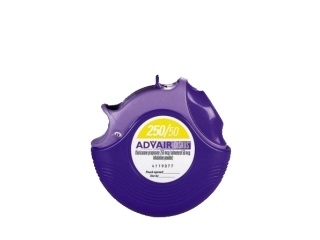
Advair Diskus is a dry powder inhaler (DPI). Instead of using a liquid spray or spacer, you inhale the medication as a fine dry powder from the device. The Diskus is designed to deliver a measured dose with each inhalation.
Advair Diskus is used as a controller medicine. It is intended for ongoing daily use to reduce the frequency and severity of symptoms, rather than for immediate relief of sudden breathlessness.
How it Works (Mechanism of Action)
Advair Diskus combines two complementary medicines:
1) Fluticasone (Inhaled Corticosteroid)
- Reduces airway inflammation
- Helps decrease swelling and mucus production
- Over time, improves asthma control and helps reduce exacerbations
2) Salmeterol (Long-Acting Beta2-Agonist)
- Relaxes the smooth muscle in the airways
- Helps keep airways open for a long period
- Improves airflow and reduces symptoms such as wheezing and shortness of breath
Together: the ICS component addresses inflammation, while the LABA component improves airway function. Using both helps provide steadier control than using either medicine alone.
Pharmacokinetics (What the Body Does)
Inhaled medicines work mainly in the lungs, but some drug may still be absorbed into the bloodstream. Exact values can vary by dose, inhalation technique, and patient factors.
Fluticasone (ICS)
- Absorption: Much of the delivered dose deposits in the lungs; some may be swallowed and absorbed through the gut in smaller amounts.
- Metabolism: Primarily broken down in the liver (notably by CYP3A4 pathways).
- System exposure: Low overall compared with oral steroids, but can increase if certain interacting medicines are used.
Salmeterol (LABA)
- Absorption: Absorbed through the lungs and, to a smaller extent, from swallowed material.
- Metabolism: Metabolised mainly by the liver.
- Duration: Designed for prolonged bronchodilation, helping maintain effect for about 12 hours per dose.
Important: Because both components are metabolised by liver pathways, interactions with certain drugs that affect those pathways can change exposure and safety.
What is Advair Diskus Used For? (Indications)
Advair Diskus is commonly used for:
- Asthma: for patients who require regular maintenance therapy with an inhaled corticosteroid plus a long-acting bronchodilator
- COPD: for patients with chronic obstructive pulmonary disease who need long-term symptom control
Whether Advair Diskus is suitable depends on individual assessment, disease severity, symptoms, and previous treatment response.
Typical Dosing and Timing
Dosing depends on the strength of the inhaler and the condition being treated. Common patterns include twice daily use with doses spaced evenly.
| Condition | Typical schedule | Timing tips |
|---|---|---|
| Asthma (maintenance) | Often twice daily | Use at regular times (e.g., morning and evening), about 12 hours apart |
| COPD (maintenance) | Often twice daily | Maintain a consistent routine to help prevent symptom build-up |
Key points:
- Do not stop suddenly without medical advice, especially if you rely on daily controller therapy.
- Do not use for sudden attacks (fast relief) unless specifically advised by your care plan.
- If you miss a dose, take your next dose at the scheduled time. Avoid doubling up.
When to Use It: Best Timing for Results
Advair Diskus is a controller medicine. Its benefits build with consistent use.
- Use daily: even when you feel well.
- Regular intervals: twice daily dosing helps maintain bronchodilation and anti-inflammatory effects.
- After waking and before bed: many people find this schedule easiest to remember.
Practical reminder: consider linking doses to routine activities (e.g., after brushing teeth in the morning and after dinner in the evening).
Food Interactions
Because Advair Diskus is inhaled, food interactions are generally minimal. However, to help reduce side effects from swallowed medicine (especially from the fluticasone component), consider:
- Rinse and spit after each use (see “Practical Use Tips” below).
- If your inhalation technique leads to more powder landing in the throat, rinsing becomes even more important.
Some people notice that taking inhaled doses at certain times relative to meals affects how comfortable they feel while breathing. If that happens for you, try a consistent routine that suits your lifestyle.
Alcohol Interactions
Alcohol is not typically a direct interaction with inhaled fluticasone and salmeterol. However, alcohol may worsen breathing symptoms in some individuals by affecting sleep, airway irritation, or reflux.
- Limit alcohol if you notice it triggers wheeze, cough, or breathlessness.
- If you drink alcohol, do so moderately and pay attention to how you feel the next day.
If you have COPD or frequent exacerbations, it’s especially important to avoid practices that destabilise your symptoms.
Medicine Interactions (Important)
Certain medicines can increase or decrease the effect of Advair Diskus components, or raise the risk of side effects.
Medicines that may increase fluticasone exposure
- CYP3A4 inhibitors (examples may include some antifungal medicines and certain HIV medicines) can increase fluticasone levels.
- This can raise the chance of systemic corticosteroid effects (e.g., bruising, mood changes, or effects related to adrenal suppression in rare cases).
Other respiratory medicines
- Using other LABAs or multiple bronchodilators may increase the risk of LABA-related side effects.
- Quick-relief inhalers (often short-acting beta2-agonists) are commonly used for sudden symptoms—follow your asthma/COPD action plan.
Cardiovascular and rhythm concerns
- Beta agonists (like salmeterol) may, in some people, cause tremor, palpitations, or changes in heart rate.
- Diuretics (water tablets) and some other medicines can affect potassium levels, which may influence risk of rhythm problems in susceptible individuals.
Always check your medication list
Before using Advair Diskus, review all current medicines with a pharmacist or clinician, including:
- Prescription medicines
- Over-the-counter medicines
- Herbal products
- Recent antibiotics or antifungals
Safety Profile and Common Side Effects
Like all medicines, Advair Diskus can cause side effects. Many are mild and improve as your body adjusts or with correct inhaler technique.
Common side effects
- Hoarseness or voice changes
- Sore throat
- Oral thrush (candidiasis) – more likely if you don’t rinse your mouth after use
- Headache
- Tremor or feeling slightly shaky (more related to salmeterol)
- Palpitations in some people
- Muscle cramps (rare; can be influenced by potassium balance)
Serious side effects – seek urgent help
Contact urgent care or seek immediate help if you experience:
- Severe allergic reaction (swelling of face/lips, rash, difficulty breathing)
- Sudden worsening of breathing or severe asthma/COPD symptoms despite using your relief inhaler as instructed
- Chest pain, fainting, or significant irregular heartbeat
- Signs of infection such as fever with significant worsening cough or sputum
- In asthma: symptoms that suggest a loss of control (increasing need for reliever, night-time symptoms, reduced response to reliever)
Long-term corticosteroid considerations
Inhaled corticosteroids are designed for local lung action with lower whole-body effects than tablets. Still, with high doses or prolonged use, discuss risks with your healthcare professional—especially if you have:
- History of frequent infections
- Ongoing eye problems (e.g., glaucoma or cataracts)
- Bone health concerns
Practical Use Tips (How to Get the Best Dose)
Correct inhaler technique helps you receive the intended dose and reduces side effects in the mouth/throat.
General technique guidance for Diskus DPIs
- Prepare: open the device by moving the lever until it clicks (if applicable for your device design).
- Breathe out fully: away from the mouthpiece—this helps the powder disperse.
- Seal lips: form a tight seal around the mouthpiece.
- Inhale firmly and deeply: the key step for dry powder inhalers.
- Hold your breath: for as long as comfortable (often around 10 seconds) to let powder settle in the lungs.
- Close the device: follow the Diskus design instructions.
Rinse and spit
- After use, rinse your mouth with water and spit it out.
- This reduces risk of thrush and voice irritation from fluticasone.
If you taste or feel powder
Some powder taste can occur. If symptoms persist or you suspect missed doses, check technique with a pharmacist. Do not change the dose without advice.
Track symptom control
- Note frequency of cough/wheeze
- Monitor night-time symptoms
- Keep track of reliever use (if you use a separate fast-relief inhaler)
What to Expect When Starting Advair Diskus
You may notice bronchodilation-related improvement in breathing in the first days. However, the full benefit of the anti-inflammatory component can take longer.
- Early days: some symptom relief may occur
- Ongoing weeks: better long-term control and fewer flare-ups
If your symptoms worsen soon after starting, or you need to rely on reliever inhalers more than usual, seek advice promptly.
Alternative Options
Depending on your condition, clinicians may consider other inhaled therapies. Alternatives can include:
- Other ICS/LABA combinations (similar approach with different devices or strengths)
- ICS alone for certain asthma patients
- LABA plus LAMA combinations for some COPD patients (where appropriate)
- Different delivery devices (e.g., pressurised metered-dose inhalers, nebulisers in some cases)
The best option depends on your symptoms, inhaler preference, ability to use a dry powder inhaler effectively, and your overall health.
Market and Legal/Regulatory Context (Australia)
In Australia, inhaled respiratory medicines are widely used and are supplied under established pharmaceutical and regulatory frameworks.
- Availability: Advair Diskus is marketed for asthma and COPD management in Australia.
- Quality and standards: Products must comply with Australian regulatory requirements for medicine quality, manufacturing standards, and labelling.
- Pharmacy supply: Inhaler medicines may be supplied under category-specific requirements and patient medicine information standards.
Regulatory and access arrangements can change over time. If you are unsure about eligibility, affordability, or supply status, a pharmacist can assist with guidance relevant to your location and circumstances.
Recent Guidance and Treatment Philosophy
Australian respiratory care typically emphasises:
- Regular controller therapy when indicated for asthma or COPD
- Use of a reliever for acute symptoms (according to an action plan)
- Inhaler technique checks at review appointments
- Stepping treatment up or down based on control, risk factors, and side effects
In asthma care in particular, guidance may vary across patients, and the ideal regimen depends on symptom frequency, past exacerbations, and the best strategy for both prevention and symptom relief. If your condition isn’t fully controlled, review your plan promptly rather than simply increasing doses yourself.
Delivery, Packaging, and Availability (Online Pharmacy)
Online pharmacies typically provide medication with secure packaging suitable for postal or courier delivery.
- Packaging: medicines are commonly supplied in original manufacturer packaging with printed labelling.
- Delivery timeframes: vary based on location, courier service, and dispensing/processing times.
- Availability: stock levels can fluctuate; in-demand strengths may sometimes require restocking.
- Temperature considerations: most inhalers are stable at normal room conditions; store as directed on the pack.
If you need the medicine urgently due to an upcoming travel date or planned change in routine, contact customer support to confirm dispatch timelines.
Storage Information
- Store at room temperature away from heat and direct sunlight.
- Keep the device in a dry place.
- Do not leave in a hot car or near appliances that generate heat.
- Follow the “use by” date printed on the pack.
Frequently Asked Questions (FAQ)
1) Is Advair Diskus a reliever or a controller?
Advair Diskus is a controller medicine used for long-term management. It is not intended to relieve sudden symptoms immediately. Your clinician may also provide a separate fast-relief inhaler for acute episodes.
2) How soon will I feel better?
Some people notice improved breathing early due to the LABA component. However, full anti-inflammatory benefits from fluticasone may take longer—often days to weeks—depending on the person and condition.
3) Do I need to rinse my mouth?
Yes. Rinse and spit after each dose to help reduce the risk of thrush and voice irritation.
4) What if I miss a dose?
If you forget a dose, take it when you remember unless it is close to your next scheduled dose. Do not double up. If unsure, ask a pharmacist for advice.
5) Can I use Advair Diskus with other inhalers?
Often, patients use multiple inhalers depending on their plan. It’s important to avoid duplicating LABA medicines and to ensure you have a suitable fast-relief option. Review your full inhaler list with a pharmacist.
6) What are the signs that my breathing control is worsening?
- Increasing wheeze, cough, or shortness of breath
- Needing reliever inhaler more often than usual
- Night-time symptoms waking you up
- Reduced response to your usual relief inhaler
If you notice these signs, seek advice promptly to prevent an exacerbation.
7) Can children or teenagers use Advair Diskus?
Some strengths and regimens may be appropriate for certain ages as determined by clinical assessment and local guidelines. Suitability depends on the specific product strength, condition, and inhalation technique.
8) Are there foods or drinks I should avoid?
There are no common direct food interactions with Advair Diskus. To reduce side effects, focus on rinsing and spitting after inhalation. If alcohol worsens symptoms for you, consider limiting intake.
9) What medicines commonly interact with Advair Diskus?
Medicines that affect liver enzymes (e.g., some antifungals and certain HIV medicines) can increase fluticasone exposure. Other respiratory medicines may also interact by increasing the overall effect on airways or heart rate. Always review your medication list with a pharmacist.
10) What should I do if I suspect a side effect like thrush?
Symptoms such as persistent sore throat, white patches in the mouth, or worsening hoarseness after starting inhaled steroid therapy should be assessed. Rinsing after use is important, but you may still need treatment for thrush.
Important Reminder
Respiratory conditions can change over time. If you are not getting the expected benefit, experiencing side effects, or noticing worsening symptoms, speak with a pharmacist or healthcare professional for review of your treatment and inhaler technique.
Always follow the directions on your medicine pack and any personalised action plan provided by your healthcare team.