
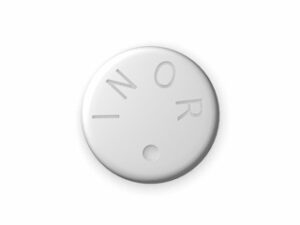
Duphaston (Dydrogesterone) — Patient Guide (Australia)
Duphaston is a brand of dydrogesterone, a man-made form of progesterone used to support hormone balance in women. It is commonly prescribed to help treat conditions related to low progesterone or progesterone imbalance, and to protect the lining of the uterus (endometrium) in certain hormone therapy situations.
1. Basic product information
| Feature | Details |
|---|---|
| Brand name | Duphaston |
| Generic name | Dydrogesterone |
| What it is | Progestogen (synthetic progesterone) |
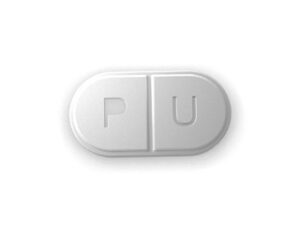
| Common strengths | Typically 10 mg tablets (available in various pack sizes) |
| Therapeutic role | Supports progesterone levels; protects the uterine lining in specific hormone therapy |
| How it’s taken | Usually oral tablets, with dosing schedules depending on the condition |
If you’re taking Duphaston, your treatment plan will be tailored to your diagnosis, your hormone history, and your personal risk factors. This guide explains general information about dydrogesterone so you know what to expect and how to use it safely.
2. How Duphaston works (mechanism of action)
Dydrogesterone is designed to act like progesterone in key tissues—especially the endometrium (the lining of the uterus). In the menstrual cycle, progesterone helps convert the uterine lining into a stable state and supports normal bleeding patterns.
Key actions
- Endometrial protection: When estrogen is used (for example, in menopausal hormone therapy), progesterone is needed to reduce the risk of overgrowth of the endometrium. Duphaston provides that progestogenic effect.
- Cycle regulation: Duphaston can help support more predictable bleeding patterns when progesterone is low or when there is an imbalance in the luteal phase (the time after ovulation).
- Support in hormone-dependent conditions: It may be used when clinicians aim to improve hormonal balance for certain reproductive or uterine conditions.
Importantly, dydrogesterone is a selective progestogen. It is not an estrogen and does not replace estrogen; it is used to complement estrogen therapy when required or to address progesterone-related needs.
3. Pharmacokinetics (how the body handles it)
Pharmacokinetics describes what happens to a medicine after you take it—how it is absorbed, metabolised, and eliminated. Dydrogesterone is taken by mouth and is processed by the body in a way that helps it act as a progestogen.
Absorption and metabolism
- Absorption: Dydrogesterone is absorbed after oral dosing.
- Metabolism: It is metabolised primarily in the liver. The body converts dydrogesterone into active metabolites, which contributes to its progesterone-like effects.
- Elimination: Metabolites are eliminated mainly via the kidneys and through urine.
Practical implications
- Because it is metabolised in the body, consistent dosing timing can help maintain steady hormone support.
- If you have significant liver disease or take medicines that affect liver enzymes, speak with a clinician or pharmacist for advice.
4. Typical use and when it’s taken
Duphaston dosing is condition-specific. Some regimens are taken for a set number of days each cycle; others may be used continuously. Many schedules depend on where you are in your menstrual cycle (for example, beginning on day 14) or on the clinical goal (such as uterine lining protection during estrogen therapy).
Examples of dosing schedules (general)
- Cyclic use: Taken during a portion of the cycle, often after ovulation.
- Continuous use: Taken every day for ongoing hormonal support.
- Add-on with estrogen: Used alongside estrogen therapy to protect the endometrium.
Your pharmacist or clinician can help confirm your exact timetable. Always follow your personalised schedule.
5. Indications (what Duphaston may be used for)
Duphaston is used in multiple progestogen-responsive conditions. Below are common indications where dydrogesterone may be considered. (Not all uses apply to every person; eligibility depends on your medical history and symptoms.)
Common clinical reasons
- Irregular or absent progesterone-related bleeding (such as abnormal uterine bleeding patterns related to progesterone deficiency).
- Luteal phase support where a progesterone imbalance is suspected.
- Endometrial protection when using estrogen therapy, especially in women with a uterus.
- Some forms of endometriosis to help manage hormone-dependent symptoms (as advised by your clinician).
- Prevention of recurrent miscarriage or support in early pregnancy where progesterone support is considered appropriate by your healthcare team.
- Other hormone-responsive gynaecological conditions where a progestogen is indicated.
If you are pregnant, trying to conceive, or planning hormone therapy, discuss your full history (including previous pregnancies, bleeding patterns, and any clotting risk factors) with your healthcare provider.
6. Dosing overview and timing
Duphaston comes in tablet form and is taken by mouth. The dose and duration depend on the condition being treated. Below is an educational overview of how dosing is typically structured—not a personal prescription.
How clinicians structure dosing
- Cyclic regimens: Often based on days of the menstrual cycle (e.g., day 14 through day 25).
- Continuous regimens: Daily dosing without cycle-day changes.
- With estrogen: Dydrogesterone is added for endometrial protection according to the estrogen schedule.
- Multiple daily dosing: Some regimens split the total daily amount into two doses to support consistent levels.
Typical dose ranges (general informational guide)
| Condition (examples) | Common regimen pattern | Notes |
|---|---|---|
| Progesterone support / cycle-related bleeding issues | Often taken for part of the cycle | Timing usually begins after ovulation (commonly around cycle day 14). |
| Endometrial protection with estrogen therapy | Cyclic or continuous depending on estrogen regimen | The progestogen is usually given to prevent endometrial overgrowth. |
| Endometriosis | May be cyclic or continuous | Duration depends on response and tolerability. |
| Early pregnancy support where progesterone is considered | Often scheduled dosing in early weeks | Follow specific guidance from your healthcare team. |
Timing tips
- Take doses at the same time each day if you are using a twice-daily schedule.
- If you forget a dose, take it as soon as you remember unless it’s close to the next dose. Avoid doubling up. For best advice, contact a pharmacist.
- If your regimen changes with your cycle, use a calendar or reminder to track the start and end dates.
Always use your clinician’s instructions regarding specific cycle days and duration. If you have any uncertainty about when to start, how long to take it, or how to stop, ask your pharmacist.
7. Food interactions (including taking with meals)
Dydrogesterone can generally be taken with or without food, which provides flexibility for day-to-day use. However, maintaining consistent habits may help with comfort and adherence.
Practical guidance
- If food helps reduce nausea or stomach upset, you may take it after a meal.
- If you feel no side effects, taking it at your routine time is usually sufficient.
- Avoid sudden changes to your routine that might cause you to miss doses.
8. Alcohol and medicine interactions
Many people wonder whether alcohol affects hormone medicines. While moderate alcohol may not directly “neutralise” dydrogesterone, alcohol can affect general wellbeing, sleep, and adherence—and may increase side effects for some people.
Alcohol
- If you choose to drink alcohol, do so in moderation and be mindful of side effects such as dizziness or headache.
- If you feel unwell or experience abnormal bleeding, consult your healthcare professional rather than waiting for the next dose.
- During pregnancy, trying to conceive, or if your clinician advised avoiding alcohol, follow that advice.
Other medicines that may interact
Drug interactions depend on your full medication list (including supplements and herbal products). Some medicines can influence liver enzymes and change how hormone medicines are metabolised.
- Enzyme-inducing medicines: Some treatments can reduce levels of hormones by increasing metabolism.
- Medicines that affect the liver: Significant liver impairment may change tolerability.
- Herbal products: Certain products may affect metabolism (discuss before use).
To reduce risk, keep a list of everything you take and share it with your pharmacist. This includes:
- Prescription medicines
- Over-the-counter medicines
- Vitamins and supplements
- Herbal remedies
- Any recent changes (new medicines or dose changes)
If you experience unexpected symptoms—such as severe headache, chest pain, shortness of breath, swelling in the leg, or vision changes— seek urgent medical advice immediately.
9. Safety profile, side effects, and when to seek help
Like all medicines, Duphaston can cause side effects. Many people experience none or only mild effects, but it’s important to know what to watch for.
Common side effects (may be mild)
- Headache
- Nausea or mild stomach discomfort
- Sore breasts
- Changes in bleeding pattern (e.g., spotting), particularly when starting
- Mood changes or fatigue
- Fluid retention or bloating (varies between individuals)
Less common but important risks
- Allergic reactions: such as rash, itching, swelling, or trouble breathing (seek urgent help).
- Signs of significant clotting events: severe leg pain/swelling, chest pain, sudden breathlessness, or severe sudden headaches (seek urgent help).
- Severe liver-related symptoms: yellowing of the skin/eyes, dark urine, or severe upper abdominal pain.
When to contact a healthcare professional promptly
- Persistent or heavy vaginal bleeding
- Severe or worsening headaches
- Visual disturbances
- New or worsening abdominal pain
- Any symptom that concerns you or feels unusual
Who should take extra care
Discuss your risk factors with a pharmacist or clinician if you have any of the following:
- History of blood clots or clotting disorders
- Unexplained vaginal bleeding
- Severe liver disease
- Known hypersensitivity to ingredients
- Strong family history of clotting problems (individual risk varies)
This information is general. Your clinician may adjust treatment based on your personal profile.
10. Practical use tips
Good medicine use helps you get the most benefit from treatment and reduces avoidable problems. The tips below are intended for everyday situations.
Make it easy to stick to your schedule
- Use phone reminders for the start date and daily dosing time.
- If your regimen is linked to cycle days, consider marking days on a calendar.
- Keep tablets in their original packaging to protect from moisture and to easily confirm the strength.
What to do if you miss a dose
- If you remember soon, take it when you recall.
- If it’s close to your next dose, skip the missed dose and continue as normal.
- Don’t take extra tablets to “catch up” unless a clinician instructs you.
- If you miss multiple doses or you’re unsure how to restart, contact a pharmacist.
Monitoring your symptoms
- Track bleeding changes (spotting, timing, flow) if that relates to your condition.
- Note any side effects that start after beginning Duphaston and whether they improve or persist.
- If you’re using it in early pregnancy support, monitor as advised and attend scheduled check-ups.
Storage and handling
- Store at room temperature unless the label states otherwise.
- Keep out of reach of children.
- Check the carton for expiry date and storage instructions.
If you have questions about taking Duphaston with other treatments (for example, estrogen therapy), ask a pharmacist to confirm the schedule.
11. Alternative options
Depending on the condition being treated, clinicians may consider different progestogens or delivery forms. Alternatives may differ in side effects, monitoring needs, and suitability for pregnancy or hormone therapy plans.
Examples of alternatives (general categories)
- Other progestogens used for endometrial protection or cycle support
- Natural progesterone formulations (some are oral or vaginal depending on indication)
- Levonorgestrel-releasing intrauterine systems for endometrial protection and some bleeding problems
- Different hormonal regimens when aiming to manage endometriosis or abnormal bleeding
Your best alternative depends on your diagnosis, your goals (e.g., symptom control, endometrial protection, cycle regulation), your tolerance, and your overall risk profile. A pharmacist or clinician can discuss what options are appropriate for you.
12. Market and legal context for Australia
In Australia, the availability of prescription and non-prescription medicines is governed by the Australian regulatory framework, including scheduling rules under the Therapeutic Goods Act and the determination by the TGA (Therapeutic Goods Administration). Medicine access may also involve supply arrangements through pharmacies.
Online pharmacy supply processes typically require:
- Verification of eligibility and appropriate medicine supply conditions.
- Provision of medication information to support safe use.
- Secure delivery to the customer address in line with local policies.
Because product availability and supply requirements can change, always confirm availability and delivery options on the pharmacy website.
13. Recent guidance and clinical considerations
Hormone medicines are prescribed with careful attention to risk-benefit assessment. Clinicians consider factors such as: timing in the menstrual cycle, endometrial protection needs, and individual risks (including thromboembolic risk and liver health).
Common clinical considerations
- Endometrial protection: when estrogen is used in a person with a uterus, a progestogen is generally used to reduce endometrial risk.
- Bleeding patterns: early in treatment, spotting can occur; persistent unexpected bleeding warrants review.
- Ongoing assessment: risk and benefit may be reassessed periodically, especially for long-term hormone therapy.
- Medication reviews: check for interactions with new medicines or supplements.
If you’re starting or changing doses, it’s helpful to discuss expectations for bleeding and side effects with your healthcare team.
14. Delivery and availability in Australia
Availability of Duphaston can vary by pack size and local pharmacy stock. Many online pharmacies display:
- Current stock status (in stock / low stock / backorder)
- Pack sizes and strengths
- Estimated delivery times
- Delivery fees and options
- How you’ll receive tracking information
What to check before ordering
- That the listed strength matches what you need.
- Expiry date and batch information (if provided).
- Delivery timeframe for your location in Australia.
- Any required documentation or eligibility steps (as per the online pharmacy process).
If you need help choosing the correct product or pack size, contact the pharmacy’s support team before placing an order.
15. FAQ
Is Duphaston the same as progesterone?
Duphaston contains dydrogesterone, a synthetic progestogen designed to act like progesterone in the body—particularly on the uterine lining. It is not identical to “natural progesterone,” and dosing regimens may differ.
When should I start taking Duphaston?
Starting day depends on the reason for use and your menstrual cycle (for cyclic regimens) or your hormone therapy plan. Use the schedule provided by your healthcare professional and ask a pharmacist if you’re unsure.
Can I take Duphaston with food?
Generally, yes. Many people take it with meals or after a meal if it helps them avoid stomach upset.
What should I do if I miss a dose?
If you remember soon, take it when you recall. If it’s nearly time for your next dose, skip the missed dose and continue. Avoid doubling. If you’ve missed multiple doses or aren’t sure how to restart, seek advice from a pharmacist.
Will Duphaston cause weight gain?
Weight change is not guaranteed. Some people experience bloating or fluid retention, which can affect how weight fluctuates temporarily. If you notice concerning or rapid changes, discuss them with a clinician.
Can I drink alcohol while taking Duphaston?
Moderate alcohol may not directly interact with dydrogesterone for everyone, but alcohol can worsen side effects and may affect overall wellbeing. If you’re pregnant, trying to conceive, or have been advised to avoid alcohol, follow that guidance.
Are there medicines I should avoid?
Interactions depend on your full medicine list. Tell your pharmacist about all prescription medicines, over-the-counter products, vitamins, and herbal remedies. This helps identify any potential effects on hormone metabolism or side effects.
What side effects are most common?
Common effects can include headache, nausea, breast tenderness, or changes in bleeding patterns (especially when starting). If side effects are severe or persistent, contact a healthcare professional.
When should I seek urgent help?
Seek urgent medical care if you develop signs of a serious allergic reaction (swelling, rash with breathing difficulty) or symptoms suggestive of a clot (chest pain, sudden breathlessness, severe leg swelling/pain), or severe sudden headaches with neurological symptoms.
What are typical storage instructions?
Store at room temperature unless the label indicates otherwise, keep out of reach of children, and check the expiry date on the pack.
Are there alternative treatments?
Yes. Depending on the condition, clinicians may recommend other progestogens or other hormonal strategies. Options may differ in form (oral vs vaginal) and suitability for your situation.