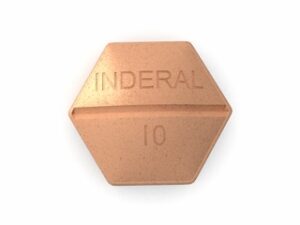


Propranolol (Propranolol hydrochloride) — Patient Guide (Australia)
Propranolol is a well-established medicine used for a range of heart-related and other conditions. It belongs to a group of medicines called beta-blockers. If you’re considering propranolol, it helps to understand what it does, when it works best, how to take it safely, and what interactions to watch for.
This guide is written for general information and does not replace advice from a healthcare professional. Your prescriber/pharmacist can help you choose the right dose and monitor your response.
Quick overview
- Medicine: Propranolol (often as propranolol hydrochloride)
- Class: Beta-blocker (non-selective)
- Main actions: Slows the heart rate, reduces the force of contraction, and lowers “fight-or-flight” effects
- Common forms: Tablets (immediate-release) and sometimes extended/controlled-release forms depending on brand
- Typical onset: Many effects begin within hours; full benefit may take days to weeks
Basic product information
| Category | Details |
|---|---|
| Active ingredient | Propranolol (propranolol hydrochloride) |
| Medicinal class | Non-selective beta-adrenergic blocker |
| Typical uses | Heart rhythm and rate control, angina, blood pressure support, migraine prevention, tremor/related conditions, anxiety symptoms in specific contexts |
| Common dosing schedules | Often 2–4 times daily for immediate-release; less frequent for extended-release formulations (varies by product) |
| Key considerations | May slow heart rate and lower blood pressure; can affect breathing in some people; interactions with other medicines are important |
How propranolol works (mechanism of action)
Propranolol works by blocking beta-adrenergic receptors (beta receptors) throughout the body. These receptors respond to adrenaline-like signals. By blocking them, propranolol can:
- Reduce heart rate (slower pulse)
- Decrease the strength of heart muscle contraction
- Reduce the speed of electrical conduction through parts of the heart
- Lower blood pressure by reducing cardiac output and affecting vascular tone
- Reduce physical symptoms of adrenaline (such as palpitations and tremor), which is why it is sometimes used when physical symptoms dominate
Importantly, because propranolol is non-selective (it blocks both beta-1 and beta-2 receptors), it may affect the airways and can be a concern for people with some types of lung disease.
Pharmacokinetics (how the body absorbs and processes it)
Pharmacokinetics describes what happens to a medicine in the body: absorption, distribution, metabolism, and elimination. While individual responses vary, propranolol has well-known characteristics.
- Absorption: Propranolol is absorbed from the gut. Peak blood levels may occur within a few hours for immediate-release products.
- Bioavailability: It has variable bioavailability, partly due to “first-pass” metabolism in the liver.
- Distribution: It distributes into body tissues and can cross into the brain, which helps explain why some people experience effects such as vivid dreams or fatigue.
- Metabolism: Mainly metabolised by the liver via CYP enzymes (commonly CYP1A2 and CYP2D6 are involved for propranolol pathways).
- Elimination: Metabolites are excreted mainly through the kidneys.
- Half-life: The duration of action depends on the formulation and metabolism; for immediate-release, it is often several hours, meaning multiple daily doses may be needed.
These features are why dose timing and form (immediate vs extended-release) matter, and why liver function and interacting medicines can change how propranolol behaves.
Typical use and common indications
In Australia, propranolol is used for a range of conditions where reducing beta-driven effects is beneficial. The exact indication and dosing depend on the person’s health status and medical history.
Cardiovascular uses
- High blood pressure (sometimes as part of broader management)
- Angina (to reduce heart workload and symptoms)
- Some heart rhythm conditions where slowing the heart rate and stabilising conduction is useful
Neurological and other uses
- Migraine prevention (reducing frequency/severity for many people)
- Essential tremor and certain tremor-related conditions
- Performance-related or physical symptoms of anxiety in selected cases (often used for controlling physical symptoms like tremor and palpitations)
Note: “Anxiety” and “social anxiety/performance anxiety” uses vary in clinical practice. Propranolol is generally used for its physical symptom effects rather than treating thoughts/feelings alone.
When to take propranolol (timing and routine)
Taking propranolol consistently is important to maintain stable blood levels and symptom control. Your dosing schedule depends on whether you use an immediate-release or extended-release product.
General timing tips
- Follow your prescribed schedule exactly for dose frequency and timing.
- Try to take doses at similar times each day.
- Do not skip doses without advice—sudden missed doses can lead to symptom return in some conditions.
- Do not stop suddenly (unless told to). Beta-blockers often require gradual reduction.
What to expect
- Physical effects (heart rate, tremor, palpitations): may improve within hours of the first doses.
- Conditions like migraine prevention: typically require regular use for days to weeks before benefit is assessed.
- Blood pressure and angina control: may improve within days, with full evaluation over follow-up visits.
Food interactions
Food can influence how quickly and how much propranolol is absorbed. In practice, many people can take propranolol with or without food, but the best approach is to use consistent timing relative to meals.
- Consistency is key: take it the same way each day (for example, always with meals or always on an empty stomach) unless your pharmacist advises otherwise.
- Large meals may slow absorption for some people, which can slightly affect onset.
- If you experience dizziness or stomach upset: taking doses with food may help.
If you are using an extended-release formulation, do not crush or alter it unless the specific product instructions allow it. Always use the product exactly as directed.
Alcohol and medicine interactions
Alcohol
Alcohol can intensify side effects such as dizziness, light-headedness, and lower blood pressure. If you drink alcohol, consider:
- Start with small amounts until you know how you respond.
- Avoid binge drinking.
- Be careful with driving or operating machinery if you feel unsteady.
Other medicines that may interact
Interactions can increase or decrease propranolol effects, or raise the risk of adverse events. Tell your pharmacist about all medicines you take, including over-the-counter products and supplements.
- Other heart medicines: combining beta-blockers with other drugs that slow heart rate (e.g., certain calcium channel blockers such as verapamil/diltiazem or other rate-controlling medicines) can increase risk of bradycardia (slow pulse) or low blood pressure.
- Antiarrhythmics: some medicines for rhythm problems may interact and affect heart conduction.
- Medicines that affect liver enzymes: drugs that inhibit or induce CYP enzymes can change propranolol levels.
- Diabetes medicines (including insulin): beta-blockers may mask some warning signs of low blood sugar, such as fast heartbeat. They can also affect glucose control in some people.
- Some antidepressants and antipsychotics: certain medicines can increase propranolol concentrations (for example via CYP2D6 effects), raising side effect risk.
- Asthma/COPD medicines: since propranolol blocks beta receptors, it can reduce the effectiveness of beta-agonist inhalers (like salbutamol) and may worsen breathing symptoms in susceptible individuals.
- Clonidine: if clonidine is stopped, beta-blockers need careful handling; do not make sudden changes without clinician guidance.
If you are unsure whether a medicine is likely to interact with propranolol, ask a pharmacist. They can check ingredient-by-ingredient.
Dosing: typical approaches and what to monitor
Dosing varies widely by condition (and by whether the product is immediate-release or extended/controlled-release). A clinician sets your dose based on: diagnosis, heart rate and blood pressure, age, other medicines, liver function, and how you respond.
General principles
- Start low and titrate: many people begin with a lower dose and increase gradually to reduce side effects like low heart rate.
- Adjust based on response: heart rate, symptoms (e.g., palpitations, tremor), and blood pressure guide adjustments.
- Do not “double up” missed doses unless instructed. Contact your pharmacist if you miss a dose.
- Gradual withdrawal: stopping abruptly can worsen angina or cause rebound symptoms. Dose reductions are usually gradual.
Examples of dosing patterns (illustrative only)
Because dosing schedules vary by condition and formulation, the following is a general illustration of how beta-blocker dosing commonly looks. Your specific prescription label directions take priority.
- Immediate-release: often taken 2–4 times daily depending on indication and tolerance.
- Extended/controlled-release: often once daily or less frequent, designed for steadier levels.
Your pharmacy label will show the exact dose, number of tablets/capsules, and timing. If you ever feel unsure, check with your pharmacist before taking.
What to monitor at home
- Heart rate: if your pulse becomes very slow or you feel faint, seek advice.
- Blood pressure: especially when starting or increasing dose.
- Symptoms: dizziness, fatigue, breathlessness, chest pain, or worsening tremor/angina.
If you have a home blood pressure monitor, keep a short log to discuss at follow-up visits.
Safety profile and side effects
Like all medicines, propranolol can cause side effects. Many are mild and improve as your body adjusts, but some can be serious. If you experience severe symptoms, seek urgent medical help.
Common side effects
- Fatigue or reduced exercise tolerance
- Dizziness or light-headedness (especially when standing)
- Cold hands or feet
- Sleep disturbance or vivid dreams
- Nausea or stomach discomfort
- Reduced libido or sexual side effects in some people
Less common but important effects
- Slow heart rate (bradycardia) or palpitations worsening due to rhythm changes
- Low blood pressure leading to fainting
- Breathing problems, wheeze, or shortness of breath (higher risk with asthma or certain COPD types)
- Mood changes in some individuals
- Worsening of peripheral circulation (e.g., Raynaud’s phenomenon)
Seek urgent help if you have
- Severe dizziness, fainting, or feeling you might pass out
- Severe shortness of breath, wheezing, or swelling of the face/lips
- Chest pain that is new or worsening
- Signs of very slow pulse (e.g., persistent extreme weakness)
Special caution groups
- Asthma/COPD: non-selective beta-blockers may trigger bronchospasm. Do not start propranolol without medical assessment.
- Diabetes: beta-blockers can mask some low-blood-sugar warning signs.
- Heart block or very low heart rate: propranolol may be unsuitable or require close monitoring.
- People with poor circulation: symptoms may worsen.
- Liver impairment: may affect metabolism and increase side effects.
Practical use tips (how to get the most benefit safely)
Starting and dose changes
- When you begin or increase the dose: be extra cautious about driving, stairs, and standing up quickly.
- Hydrate and rise slowly: dizziness can be reduced by standing up gradually.
- Keep regular follow-ups: monitoring heart rate and blood pressure helps ensure the dose is right for you.
Managing missed doses
- If you miss a dose, take it when you remember only if it’s close to the next dose time—otherwise skip and return to your schedule.
- Do not double unless your pharmacist advises it.
- If you miss multiple doses or feel unwell, contact a pharmacist or clinician for advice.
Do not stop suddenly
Stopping beta-blockers abruptly can cause rebound symptoms (for example, a flare in angina or a rapid rise in heart rate). If you need to stop, dose reduction is usually gradual under medical guidance.
Track your response
- Write down your symptoms (e.g., migraine days, tremor severity, palpitations frequency).
- Track your pulse and blood pressure at the times recommended by your healthcare professional.
- Report new or worsening symptoms promptly.
Alternative options
Depending on the condition being treated, there may be alternatives to propranolol. Options may include other beta-blockers (some more cardio-selective), non-beta-blocker medicines, or non-drug strategies.
Examples of alternatives (condition dependent)
- Blood pressure/angina: other antihypertensives (e.g., ACE inhibitors, ARBs, calcium channel blockers) may be used.
- Heart rate/rhythm: other rate-controlling strategies may be considered.
- Migraine prevention: other preventive medications or supplements may be options (clinician guided).
- Tremor: other tremor-focused treatments may be considered.
- Physical anxiety symptoms: non-drug approaches, therapy strategies, or alternative medicines may be discussed.
Your best alternative depends on your diagnosis, medical history, and interactions with other medicines. A pharmacist can help compare options based on ingredients and intended use.
Market and legal context for Australia
In Australia, medicines are regulated under the Australian regulatory framework run by the Therapeutic Goods Administration (TGA). The availability classification for propranolol can vary by product, formulation, and strength. Propranolol may be supplied through licensed pharmacies and may require an appropriate clinical review depending on the product and your circumstances.
For online pharmacy purchasing, reputable suppliers follow Australian requirements for lawful supply, including verifying patient details and ensuring the medicine is suitable for the customer. If a medicine is categorised for restricted supply, extra checks may be required.
Always ensure the product you buy matches the exact strength and form you need, and verify the label instructions.
Recent guidance and clinical updates (general overview)
Guidance for beta-blockers evolves with emerging evidence and safety updates. In recent years, clinicians have continued to emphasise:
- Appropriate patient selection: particularly for people with asthma, diabetes, or significant conduction problems.
- Careful monitoring: heart rate, blood pressure, and symptoms after starting or increasing dose.
- Avoiding abrupt cessation: gradual tapering is recommended to reduce rebound effects.
- Recognising interactions: especially with other cardiovascular drugs and medications affecting heart rate or blood pressure.
Your pharmacist can also check for any updates relevant to your product and advise on safe use with your existing medicines.
Delivery, availability, and how online ordering works
Propranolol is typically available through licensed pharmacies and may be stocked in various strengths and pack sizes. Availability can vary by brand, formulation (immediate vs extended-release), and local demand.
- Dispatch times: delivery speed depends on order verification processes and stock availability.
- Packaging: medicines are supplied in manufacturer packaging with dosing instructions on the label.
- Cold chain: propranolol tablets generally do not require cold storage.
- Keep out of reach of children: store tablets safely and follow the storage instructions on the label.
If your preferred strength/form is temporarily unavailable, the pharmacy may offer an alternative equivalent product where appropriate. Always confirm you have the correct formulation before taking.
FAQ — Propranolol
1) What is propranolol used for?
Propranolol is used for conditions such as high blood pressure (in selected cases), angina, some heart rhythm/rate conditions, migraine prevention, and tremor-related conditions. It may also be used to reduce physical symptoms that are influenced by adrenaline in selected situations.
2) How quickly does propranolol start working?
Many physical effects (like reduced palpitations or tremor) can begin within hours. For prevention conditions such as migraine, it may take days to weeks to judge benefit.
3) Should I take propranolol with food?
Food can affect absorption. Many people can take propranolol with or without meals, but it’s best to take it the same way each day unless your pharmacist advises otherwise. If you experience stomach upset, taking it with food may help.
4) Can I drink alcohol while taking propranolol?
Alcohol may increase dizziness and lower blood pressure. If you choose to drink, keep it moderate, avoid binge drinking, and be cautious with activities that require alertness. If you feel faint or unusually unwell, avoid alcohol and seek advice.
5) Does propranolol interact with asthma inhalers?
Because propranolol is non-selective, it may reduce the effect of some “reliever” inhalers (beta-agonists) and may worsen breathing in susceptible people. If you have asthma or COPD, discuss propranolol suitability with a clinician and ensure you have an action plan for symptoms.
6) Will propranolol mask symptoms of low blood sugar?
Yes. Beta-blockers can reduce warning signs like a fast heartbeat. People with diabetes should monitor glucose closely and be aware that low blood sugar symptoms may feel different. Always carry appropriate low-blood-sugar treatment as advised.
7) Can I stop propranolol suddenly?
Do not stop suddenly unless specifically instructed by a healthcare professional. Beta-blockers are often tapered to avoid rebound effects such as worsening chest pain or rapid heart rate.
8) What should I do if I miss a dose?
Take it when you remember only if it’s near the time of the next dose; otherwise skip it and resume your regular schedule. Do not double doses. If you miss several doses or feel unwell, contact a pharmacist for advice.
9) Are there any warning signs that mean I should seek urgent care?
Seek urgent medical help for severe dizziness/fainting, severe shortness of breath/wheezing, chest pain that is new or worsening, or symptoms that suggest an excessively slow pulse.
10) Are there alternatives to propranolol?
Yes. Depending on your condition, your clinician may consider other beta-blockers, other blood pressure or migraine medicines, or non-drug approaches. The right alternative depends on your health history and current medications.
Remember: If you have questions about propranolol—especially about interactions, dosing schedules, or whether it is suitable for you— talk to a pharmacist. They can review your current medicines and help you use propranolol safely and effectively.