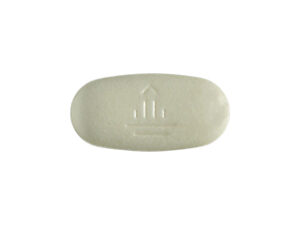
Spironolactone (Oral) — Patient-Friendly Guide (Australia)
Spironolactone is a prescription medicine widely used in Australia for conditions where excess fluid retention and/or hormone-related effects (especially those linked to aldosterone) are involved. It belongs to a group of medicines called potassium-sparing diuretics and also has anti-androgen activity, which is why it is commonly used for certain hormone-related skin conditions.
This page explains how spironolactone works, how it’s taken, what to watch for, interactions, and practical tips to help you use it safely. If you have kidney disease, take other medicines that affect potassium, or are pregnant/breastfeeding, it’s especially important to follow professional guidance closely.
Quick overview
- Common uses: fluid retention (e.g., heart failure, oedema), high aldosterone states, and selected hormone-related conditions such as acne and hirsutism.
- How it works: blocks aldosterone at the kidney and reduces androgen effects.
- Key safety issue: can raise potassium (hyperkalaemia), especially with kidney problems or interacting medicines.
- Typical dosing: varies by indication; taken by mouth once or twice daily.
- Monitoring: blood tests may be needed (potassium and kidney function).
Basic product information
| Product | Spironolactone |
|---|---|
| Medicine type | Potassium-sparing diuretic; aldosterone antagonist; anti-androgen |
| Available forms (general) | Oral tablets/capsules (strengths vary by brand) |
| Common dosing schedule | Once daily or divided doses (e.g., morning/evening) depending on your regimen |
| Typical monitoring | Potassium and kidney function (especially at start or after dose changes) |
| Important risks | Hyperkalaemia, dehydration/low blood pressure, kidney-related side effects, hormonal effects |
Brand names may differ, but the active ingredient is spironolactone. Your dose depends on why you’re taking it and your individual health profile.
How spironolactone works (mechanism of action)
Spironolactone works mainly in two ways:
-
Aldosterone blockade in the kidneys:
Aldosterone helps your kidneys retain sodium and water while increasing potassium loss.
Spironolactone blocks the effects of aldosterone, leading to:
- Less sodium and water retention (diuretic effect)
- Reduced potassium excretion (potassium-sparing effect)
-
Anti-androgen effects:
Spironolactone can reduce androgen-related activity, which may help with some hormone-driven conditions such as:
- Acne
- Excess facial/body hair (hirsutism)
Because it spares potassium, spironolactone differs from many other diuretics (like loop or thiazide diuretics), which often lower potassium.
Pharmacokinetics (what the body does to the medicine)
Understanding how the medicine behaves in the body can help you anticipate timing and side effects. While exact numbers may vary between individuals and formulations, the following patterns are typical:
- Absorption: Spironolactone is absorbed after oral dosing. Absorption may be affected by food (see “Food interactions” below).
- Metabolism: It is metabolised in the body (including formation of active metabolites), which contribute to its overall effect.
- Onset and duration: The diuretic effect may start within hours, but the full benefit—especially for fluid regulation or certain hormone-related effects—can take longer. Many people notice gradual improvement rather than an immediate “water pill” effect.
- Elimination: Metabolites are cleared mainly through the kidneys and/or via metabolism and subsequent excretion. This is why kidney function matters for safe use.
Typical uses (indications)
In Australia, spironolactone is used for several conditions. Your clinician may select it based on: why you need diuresis, whether aldosterone is involved, and whether you’re at risk of high potassium.
Common indications include:
- Heart failure with fluid retention (in appropriate patients), often alongside other heart failure medicines
- Oedema and fluid retention due to conditions where aldosterone plays a role
- Primary hyperaldosteronism or other aldosterone-related states (management may include further specialist assessment)
-
Hormone-related skin or hair conditions, such as:
- Acne in selected patients (commonly used when androgen influence is suspected or confirmed)
- Hirsutism (excess hair growth in androgen-dependent patterns)
If you’re taking it for acne or hirsutism, results typically evolve over weeks to months. Consistency and monitoring are key.
How to take spironolactone (timing and dosing)
Dosing varies by indication and your health status (including kidney function and potassium levels). Below are general patterns used in adult care; your exact regimen should follow your prescriber’s instructions.
General timing
- Once daily: many people take spironolactone in the morning.
- Divided dosing (twice daily): morning and evening can help maintain steadier drug levels.
- For fluid-related effects: take earlier in the day to reduce the chance of needing the toilet at night.
Typical adult dosing (general guidance)
The dose is tailored to the condition being treated and patient response. Common ranges used in practice may include:
- Fluid/heart-related conditions: often started at a lower dose and adjusted based on response and blood test results.
- Hormone-related skin conditions: doses may be chosen to balance effectiveness with tolerability.
Important: Do not change your dose without professional advice. Dose adjustments may require blood tests to ensure potassium remains in a safe range.
Practical dosing tips
- Take with water, swallow whole if tablets are not meant to be split.
- Try to take it at the same time each day to help you remember.
- If you miss a dose: Take it as soon as you remember on the same day. If it’s close to the next dose, skip the missed dose—do not double up.
Food interactions (and taking with meals)
Food can influence how quickly spironolactone is absorbed. In many people, taking spironolactone with or after food can improve tolerance (for example, reducing stomach upset).
General advice
- Take with food if it upsets your stomach.
- Be consistent: if you typically take it with breakfast, continue that habit.
There are no commonly cited dietary restrictions specifically for food; however, you should still be mindful of overall intake of potassium, especially if you’ve been told you have high potassium or kidney impairment (see “Potassium considerations” below).
Alcohol interactions
Alcohol does not have a single universal “prohibited” interaction with spironolactone, but it can still affect safety. Alcohol may:
- Lower blood pressure and increase dizziness or light-headedness, particularly when combined with diuretic effects.
- Increase dehydration risk in some people.
If you drink alcohol, use caution: start low, avoid binge drinking, and be alert for symptoms such as dizziness, faintness, or unusual weakness. Check with your pharmacist or clinician if you’re unsure.
Medicine interactions (important)
Spironolactone can interact with several medicine classes—especially those that increase potassium or affect kidney function. Always tell your healthcare professional about all medicines and supplements you use, including “natural” products.
Key interaction groups
- Other medicines that raise potassium: Examples include some ACE inhibitors, ARBs, direct renin inhibitors, and potassium supplements. The combination can increase the risk of hyperkalaemia.
- Potassium supplements and salt substitutes: Many “low-salt” products use potassium chloride and can substantially raise potassium intake.
- Non-steroidal anti-inflammatory drugs (NSAIDs): Examples include ibuprofen, naproxen, and diclofenac. NSAIDs can affect kidney function and may worsen potassium control in some patients. This is especially relevant if you’re older, dehydrated, or have kidney disease.
- Medicines affecting kidney blood flow: Certain combinations that reduce renal perfusion can increase risk.
- Other diuretics: Combination regimens may change fluid balance and electrolyte levels.
- Cholestyramine and similar agents (where relevant): They may influence drug absorption in some circumstances (rarely a major issue, but worth mentioning to your clinician).
Supplements and “natural” products
- Potassium-containing supplements should generally be avoided unless specifically recommended.
- Herbal or nutritional supplements can affect blood pressure, kidney function, or electrolyte balance. Ask a pharmacist before starting new supplements.
Safety profile and side effects
Like all medicines, spironolactone can cause side effects. Many people tolerate it well, particularly when dosing is appropriate and monitoring is performed when needed.
Common side effects
- Increased urination (often less than other diuretics, but may occur)
- Dizziness or light-headedness (especially when standing up quickly)
- Stomach discomfort, nausea, or mild GI upset
- Changes in blood tests, particularly potassium increase
-
Hormone-related effects (more likely at higher doses), which may include:
- breast tenderness or enlargement
- reduced libido
- sexual dysfunction in some patients
Serious side effects — seek urgent help
Call emergency services or seek urgent medical attention if you develop symptoms that may indicate dangerously high potassium, severe dehydration, or an allergic reaction.
- Signs of high potassium (hyperkalaemia): unusual muscle weakness, tingling, palpitations, or fainting
- Severe dizziness, confusion, or inability to stay hydrated
- Allergic reaction symptoms: swelling of the face/lips, difficulty breathing, or widespread rash
Who needs extra caution
- Kidney disease or reduced kidney function
- Diabetes (can increase risk of kidney/electrolyte issues)
- Older adults (higher chance of side effects and interactions)
- Low blood pressure or history of fainting
- Taking interacting medicines (ACE inhibitors/ARBs, potassium supplements, NSAIDs, etc.)
Potassium considerations (very important)
Because spironolactone spares potassium, high potassium is one of the most important safety concerns. This risk is higher if you:
- have kidney impairment
- use potassium supplements or potassium-based salt substitutes
- take other medicines that increase potassium
If you have been told you need blood tests, they help ensure your potassium stays within a safe range.
Practical use tips
- Monitor symptoms of low/high blood pressure: If you feel dizzy when standing, rise slowly and discuss dose timing or blood pressure readings with your clinician.
- Stay hydrated appropriately: During hot weather or illness (vomiting/diarrhoea), dehydration can worsen kidney stress. Seek advice early if you become unwell.
- Keep track of blood test results: If you have tests for potassium and kidney function, note dates and results to share at appointments.
- Avoid potassium-rich salt substitutes unless approved: “Low salt” products often contain potassium chloride.
- For acne/hirsutism: Give it time—skin changes often take weeks, not days. Use additional skin care and avoid irritants that can worsen acne.
- Report hormonal side effects: Breast tenderness or menstrual changes should be discussed; sometimes dose adjustment or an alternative may be considered.
Alternative options
The best alternative depends on why you’re taking spironolactone. Below are common categories your pharmacist or clinician may consider for each situation.
For fluid retention / aldosterone-related conditions
- Other diuretics (e.g., loop or thiazide-type diuretics) may be used depending on your electrolytes and kidney function.
- Aldosterone pathway alternatives may be considered in specialist care based on the underlying condition.
For acne or hirsutism
- Topical acne therapies (e.g., benzoyl peroxide, retinoids, topical antibiotics where appropriate)
- Oral antibiotics for limited courses in selected patients (when clinically indicated)
- Hormonal treatments (options vary by country and patient profile) for androgen-driven acne or hair growth
- Other anti-androgen approaches may be considered by clinicians depending on the individual’s medical history and tolerance.
Don’t switch or stop spironolactone abruptly without advice—especially if you’re taking it for fluid or heart-related reasons.
Market and legal context for Australia
In Australia, spironolactone is regulated under the national medicines framework. It is generally supplied as an oral prescription-only medicine through community pharmacies and licensed healthcare systems. Availability may vary by brand and strength, and pharmacists can help confirm whether the product is in stock and the most suitable option for you.
For safe use, pharmacies typically require relevant patient information such as current medicines, allergies, and key health factors (notably kidney function and potassium-related risks). Blood monitoring recommendations may apply depending on your indication.
Guidance and listings can change over time. If you need the most up-to-date supply information, your local pharmacy can advise what’s currently available and the expected timeframe for order/dispensing.
Recent guidance and monitoring approach (general)
Over recent years, clinical practice has increasingly emphasised:
- Electrolyte and kidney monitoring when using spironolactone, particularly in people with risk factors for hyperkalaemia (e.g., kidney disease, advanced age, combination therapy).
- Medication reconciliation (reviewing all medicines and supplements) to identify potassium-raising or kidney-affecting drugs such as NSAIDs, ACE inhibitors/ARBs, and potassium supplements.
- Patient education about recognising symptoms of high potassium and dehydration, and understanding when to seek medical advice (e.g., during illness).
Local prescribing guidance may differ slightly by indication and individual risk profile. Always follow the monitoring plan provided by your treating clinician.
Delivery and availability (Australia)
Online pharmacies in Australia commonly offer delivery to eligible metro and regional areas. Availability may depend on:
- brand and tablet strength
- current stock levels
- order timing and delivery schedules
- any supply constraints with specific manufacturers
When placing an order, you may be asked to confirm delivery details and ensure that the medicine is used according to your dosing schedule. Packaging typically helps protect tablets from moisture and contains information for safe storage.
If a product is temporarily unavailable, many pharmacies can:
- offer an alternative brand or strength (where appropriate)
- provide an estimated delivery timeframe
- arrange ordering for later dispatch
FAQ
1) How soon will spironolactone start working?
Some people notice changes within hours, especially for fluid-related effects. However, the full effect—particularly for hormone-related conditions like acne—often takes weeks. Consistent use is important.
2) What blood tests are usually needed?
Many regimens include monitoring of potassium and kidney function. The timing and frequency depend on your dose, health conditions, and any interacting medicines.
3) Can I use salt substitutes while taking spironolactone?
Many salt substitutes contain potassium chloride and can raise potassium levels. Unless your clinician has advised it is safe, it’s usually best to avoid salt substitutes containing potassium.
4) What should I do if I feel dizzy after taking it?
Dizziness may be related to blood pressure changes or dehydration. Sit or lie down if you feel faint, avoid sudden standing, and check if you’re drinking enough fluids. If dizziness is severe or persistent, contact a healthcare professional.
5) Is it safe to take with ibuprofen or other NSAIDs?
NSAIDs can affect kidney function and may increase the risk of potassium problems when combined with spironolactone. If you need pain relief, ask a pharmacist which options are safest for you based on your kidney function and other medicines.
6) Can I drink alcohol while using spironolactone?
Moderate alcohol may be tolerated by many people, but it can worsen dizziness or dehydration. Avoid heavy drinking and seek advice if you have low blood pressure, kidney issues, or frequent side effects.
7) Are there hormonal side effects?
Yes. Spironolactone’s anti-androgen activity can cause hormone-related effects such as breast tenderness, changes in libido, and sometimes menstrual changes. Report bothersome or persistent symptoms to your clinician.
8) How long should I take it for acne or hair growth?
Results typically require patience. Some improvement may be seen within a few weeks, but more meaningful changes often take several months. Your prescriber will review progress and tolerability.
9) What happens if I miss a dose?
Take it when you remember unless it is close to the next dose. If close, skip the missed dose—do not double. If you frequently miss doses, discuss practical strategies with your pharmacist.
10) When should I seek urgent medical help?
Seek urgent assistance if you experience symptoms that could indicate high potassium (significant muscle weakness, palpitations, fainting), severe dehydration, or an allergic reaction (swelling, breathing difficulty, widespread rash).
Summary
Spironolactone is a medication used in Australia for fluid retention and aldosterone-related conditions, and it can also help in selected hormone-driven skin and hair problems due to its anti-androgen effects. Because it can raise potassium, it requires careful dosing and, for many people, blood test monitoring—especially those with kidney impairment or those taking interacting medicines.
If you’d like help understanding how spironolactone may fit into your treatment plan, your pharmacist can answer questions about dosing timing, side effects, and potential interactions with your current medicines.