Amlodipine (Australia) — Patient Information
Amlodipine is a widely used medicine for treating high blood pressure and certain types of heart-related chest pain. It belongs to a group of medicines called calcium channel blockers. Many people use amlodipine safely and effectively for long-term control of cardiovascular conditions.
This page explains how amlodipine works, what it’s used for, how to take it, important safety information, and practical tips to help you get the best results.
Basic product information
| Item | Details |
|---|---|
| Generic name | Amlodipine |
| Medicine type | Calcium channel blocker (dihydropyridine) |
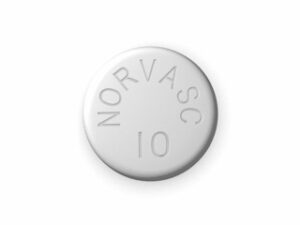
| Common strengths | Typically 2.5 mg, 5 mg, 10 mg tablets (may vary by brand) |
| Typical dosing frequency | Once daily |
| How it’s usually supplied | Oral tablets |
| Common brand examples | Varies by manufacturer (generic amlodipine is widely available) |
How amlodipine works (mechanism of action)
Amlodipine helps relax and widen blood vessels. It does this by blocking calcium channels in the smooth muscle of blood vessel walls. When these channels are blocked, less calcium enters the vessel muscle, leading to vessel relaxation (vasodilation).
- Lowers blood pressure by reducing resistance in the arteries.
- Improves blood flow to the heart, which can help prevent angina (chest pain) episodes.
- Long-acting effect enables once-daily dosing for many people.
Pharmacokinetics (how the body handles amlodipine)
Understanding how amlodipine behaves in the body can help explain why timing and adherence matter.
- Absorption: After oral dosing, amlodipine is absorbed gradually. Food generally does not significantly affect overall absorption.
- Peak levels (Tmax): Blood concentrations typically peak several hours after taking a dose.
- Distribution: It has a large distribution volume and is extensively distributed throughout the body.
- Protein binding: It is highly bound to plasma proteins.
- Metabolism: Amlodipine is metabolised primarily in the liver.
- Elimination: It is cleared slowly from the body, which contributes to its long duration of action.
- Half-life: The half-life is long enough to support once-daily dosing.
If you have liver impairment, your clinician may consider careful monitoring or dose adjustments.
Typical uses and indications
Amlodipine is used for cardiovascular conditions, most commonly:
- High blood pressure (hypertension): Helps reduce the risk of stroke, heart attack, and kidney complications.
- Chronic stable angina: Helps reduce the frequency and severity of chest pain with exertion.
- Vasospastic (Prinzmetal’s) angina: Helps prevent episodes caused by coronary artery spasm.
Your individual indication depends on your symptoms, medical history, and response to treatment. If you’re unsure why you were given amlodipine, speak with a healthcare professional.
When to take amlodipine (timing guidance)
Amlodipine is usually taken once daily at the same time each day. Because it works gradually and lasts a long time, timing is flexible for many people.
- Choose a routine: Morning or evening is often acceptable—pick the time that helps you remember.
- Consistency matters: Try not to skip doses. If you miss one, take it when you remember unless it’s close to the next dose.
- Allow time to work: Blood pressure and angina benefits may take days to weeks to reach full effect.
- Do not stop suddenly: Stopping or changing doses without advice may cause blood pressure or symptoms to worsen.
If your clinician has provided specific instructions, follow those rather than general guidance.
Food interactions
For most people, food does not significantly interfere with amlodipine. You can generally take it with or without meals.
- With food: Usually acceptable and can help if the tablet upsets your stomach.
- Without food: Also usually acceptable.
If you experience side effects (such as nausea or dizziness) after taking amlodipine, taking it with a meal may help.
Alcohol interactions and safety
Alcohol can affect blood pressure and may increase dizziness or light-headedness, especially when you first start amlodipine or when your dose is changed.
- Moderation is important: If you drink alcohol, keep to a moderate amount and avoid binge drinking.
- Watch for dizziness: Rise slowly from sitting or lying down.
- Be cautious with driving: If alcohol causes drowsiness or dizziness, do not drive or operate machinery.
There are no widely known direct pharmacological interactions between amlodipine and small/moderate alcohol amounts, but the combined effect on blood pressure and balance can still be significant for some people.
Medicine interactions (including common examples)
Several medicines may affect how amlodipine works or may be affected by it. Some combinations are safe with monitoring; others require dose changes or additional caution.
Always tell your healthcare professional and pharmacist about all medicines you take, including:
- Prescription medicines
- Over-the-counter medicines
- Herbal products and supplements
- Vitamins or mineral supplements
Medicines that may increase amlodipine levels or effects
- CYP3A4 inhibitors: Some medicines that block metabolic pathways may increase amlodipine blood levels, potentially raising side effects.
- Other blood-pressure medicines: Combined therapy is often used, but may lead to additional blood pressure lowering (dizziness, faintness).
Medicines that may change heart rate or blood pressure control
- Other antihypertensives (for example, ACE inhibitors, ARBs, thiazide diuretics): may be complementary.
- Beta blockers or other anti-anginal medicines: combinations can be effective, but symptoms should be monitored.
Grapefruit and similar products
Grapefruit can affect certain metabolic pathways in the body. While the effect is generally considered less dramatic for amlodipine than for some other calcium channel blockers, it’s still sensible to discuss regular grapefruit consumption with your pharmacist or clinician.
Key “watch-outs”
- Excessive dizziness, fainting, or unusually low blood pressure
- Worsening swelling in ankles/feet
- Rapid heartbeat or new chest pain patterns
Dosing information (general guidance)
Doses vary based on the condition being treated, your age, blood pressure, response to therapy, and other health factors (such as liver function).
- Common starting doses: Often begin with a lower dose and may be adjusted gradually.
- Typical maintenance doses: Many patients are maintained on a mid-range dose.
- Maximum dose: A maximum daily dose may apply depending on local prescribing practices and your clinical situation.
Important: Always follow the dose instructions provided with your specific product and your clinician’s plan. This information is general and cannot replace personalised medical advice.
How to take your tablet
- Take with water.
- Try to take it at the same time each day.
- If you have trouble swallowing tablets, ask your pharmacist about options (e.g., whether your specific formulation can be crushed—this depends on the brand/formulation and must be checked).
If you miss a dose
- Take it when you remember unless it’s almost time for your next dose.
- Do not double up to make up for a missed dose.
- If you frequently miss doses, talk to a healthcare professional for practical strategies.
Safety profile: what to expect and when to seek help
Like all medicines, amlodipine can cause side effects. Many are mild and improve after the body adjusts, but some require prompt medical attention.
Common side effects
- Swelling of ankles/feet (peripheral oedema): A well-known effect, related to vessel relaxation.
- Headache
- Flushing or warmth
- Dizziness or light-headedness
- Fatigue
- Palpitations (awareness of heartbeat)
Less common but important side effects
- Gum enlargement (gingival hyperplasia) — good oral hygiene may help reduce risk.
- Rash or skin reactions
- Increased frequency of chest pain or unusual changes in angina pattern
Seek urgent medical help if you have
- Signs of an allergic reaction: swelling of the face/lips, difficulty breathing, severe rash or hives
- Severe dizziness, fainting, or symptoms of very low blood pressure
- Chest pain that is severe, new, or worsening
Special populations
- Older adults: May be more sensitive to blood pressure lowering and dizziness; starting doses are often conservative.
- Liver impairment: The medicine is metabolised in the liver; monitoring may be needed.
- Heart conditions: Your clinician will consider the best combination and monitoring strategy if you have complex heart disease.
- Pregnancy and breastfeeding: Safety depends on individual circumstances; discuss with a healthcare professional.
Practical use tips (to get the best results)
- Track your blood pressure: Home readings can help you and your clinician assess response. Use a validated cuff and measure at consistent times.
- Be mindful when standing up: If you feel light-headed, stand up slowly.
- Manage swelling: If you develop ankle/foot swelling, tell your pharmacist or clinician. They may recommend:
- Adjusting the dose
- Reviewing other medicines
- Lifestyle measures such as leg elevation
- Maintain oral hygiene: Brush and floss regularly and have routine dental checks to reduce risk of gum changes.
- Do not miss doses: Consistent dosing helps maintain stable blood pressure control.
- Keep a medicine list: Update it with all your current medicines and supplements.
Alternative options (if amlodipine isn’t suitable)
Treatment for high blood pressure or angina often uses different medication classes, sometimes in combination. Alternatives may include:
For high blood pressure
- ACE inhibitors (e.g., perindopril, enalapril)
- Angiotensin II receptor blockers (ARBs) (e.g., losartan, valsartan)
- Thiazide-like diuretics (e.g., indapamide)
- Beta blockers (e.g., bisoprolol)
- Other calcium channel blockers (e.g., felodipine, nifedipine variants)
For angina
- Nitrates (for symptom relief and/or prevention, depending on regimen)
- Other anti-anginal medicines such as beta blockers or long-acting nitrates
- Alternative calcium channel blockers if tolerability differs
If you’re experiencing side effects (for example, troublesome ankle swelling), your clinician may suggest adjusting dose, changing brand, or using combination therapy.
Australia market and legal context (how amlodipine is positioned)
In Australia, medicines are regulated under the Therapeutic Goods Administration (TGA) framework. Amlodipine is an established medicine used for cardiovascular conditions and is widely available through Australian pharmacies. Availability may depend on stock and the specific brand/formulation.
Pharmacies in Australia follow required rules for dispensing and counselling. If you’re buying online, the pharmacy should provide clear information on the product, dosing instructions, and safety considerations.
Product quality and regulation: Amlodipine formulations sold in Australia must comply with Australian regulatory requirements for quality, safety, and therapeutic claims.
Recent guidance and monitoring (what to watch for)
Clinical practice for high blood pressure and angina is continually updated based on evidence, safety data, and guidelines. While individual advice varies by patient, common themes include:
- Regular blood pressure review: Monitoring response helps avoid under- or over-treatment.
- Side-effect screening: Peripheral oedema, dizziness, and gum changes are key tolerability issues to discuss.
- Medication review: Checking for interactions (including over-the-counter medicines and supplements) is recommended at routine visits or when new medicines are started.
- Lifestyle support: Smoking cessation, exercise, diet, weight management, and salt reduction remain essential alongside medication.
For the most up-to-date clinical recommendations, your clinician may refer to Australian guideline resources. Your pharmacy team can also help explain practical monitoring steps.
Delivery and availability (online pharmacy information for Australia)
Availability can vary by strength and brand. When ordering online, you’ll typically choose the required strength and quantity. Most reputable online pharmacies in Australia offer:
- Secure ordering and payment
- Packaging for safe transit
- Delivery tracking (where offered)
- Customer support for product and dosage questions
Delivery times can differ depending on your location (metro vs regional), stock levels, and courier schedules. After placing an order, you should receive confirmation details and an estimated delivery timeframe.
Storage: Store tablets at room temperature, away from moisture and direct sunlight, and keep them out of reach of children.
FAQ (Frequently asked questions)
1) What is amlodipine used for?
Amlodipine is used to treat high blood pressure and to help prevent angina (chest pain) in certain people.
2) How quickly will it work?
Some people notice effects on symptoms within days. For blood pressure, improvement may take days to weeks to fully stabilise. Continue taking it consistently as advised.
3) Can I take amlodipine with food?
Yes. Food usually does not significantly affect amlodipine. You can take it with or without meals.
4) Will alcohol affect my blood pressure?
Alcohol can lower blood pressure and may worsen dizziness, especially when you’re starting or adjusting your dose. If you drink, do so in moderation and avoid activities that require full alertness if you feel light-headed.
5) What side effects are most common?
Common side effects include ankle/foot swelling, headache, flushing, dizziness, and fatigue. If swelling or dizziness is troublesome, speak with your pharmacist or clinician.
6) Why do my ankles swell on amlodipine?
Peripheral oedema (swelling) is a known effect of amlodipine due to its action on blood vessels. It can vary by person and dose. Your healthcare professional can review options if it becomes uncomfortable.
7) Can I stop amlodipine if I feel better?
It’s generally not recommended to stop suddenly without medical advice. Blood pressure and angina control may worsen. If you want to stop, discuss a plan with your healthcare professional.
8) Is amlodipine safe with other medicines?
Many combinations are possible, but some medicines can interact or increase the risk of side effects. Always provide your full medication list to your pharmacist so they can screen for interactions.
9) What should I do if I miss a dose?
Take it when you remember unless it’s close to the next dose. Do not double the dose to make up for a missed tablet.
10) What should I do if I get severe dizziness or fainting?
Stop what you’re doing, sit or lie down safely, and seek urgent medical advice. Severe symptoms may indicate very low blood pressure or another issue that needs prompt assessment.
Summary
Amlodipine is a long-acting calcium channel blocker used in Australia to manage high blood pressure and angina. It works by relaxing blood vessels, lowering blood pressure, and improving blood flow. With correct daily use, it can provide steady symptom and risk control.
If you notice side effects such as ankle swelling, persistent dizziness, or any concerning symptoms, contact your pharmacist or clinician for advice. Regular monitoring and medication review help ensure the safest and most effective treatment for you.