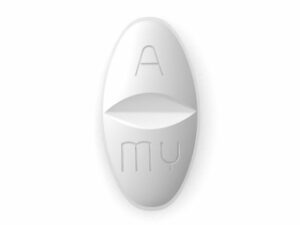
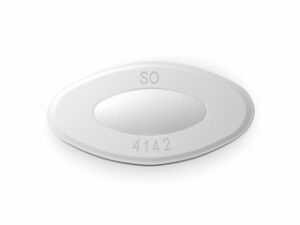
Carvedilol (Australia) — Patient-Friendly Medicine Information
Carvedilol is a medicine commonly used to treat certain heart and blood vessel conditions. It belongs to a group of medicines called beta-blockers, and it also has an additional effect on blood vessels. This helps lower the heart’s workload and reduces strain on the cardiovascular system.
This guide is designed to be clear and helpful for patients and carers. It outlines what carvedilol does, how it works in the body, how it’s typically taken, important safety information, and practical tips for daily use.
Quick Product Information
| Category | Details |
|---|---|
| Medicine name | Carvedilol |
| Medicinal class | Beta-blocker (non-selective) with alpha-1 blocking effects |
| Common uses | Heart failure, high blood pressure (hypertension), and related cardiovascular conditions |
| How it’s taken | Usually by mouth, often twice daily (some formulations may vary) |
| Typical start | Low dose initially, then increased gradually based on response and tolerability |
What Carvedilol Does (Mechanism of Action)
Carvedilol helps the heart and blood vessels by blocking certain signals:
- Beta-blocking effect (beta receptors): reduces the heart rate and the strength of the heart’s pumping (in a controlled way), lowering the workload on the heart.
- Alpha-1 blocking effect (blood vessel relaxation): causes blood vessels to relax, which helps lower blood pressure and improves blood flow.
Together, these actions can reduce symptoms and lower the risk of worsening in people with chronic heart conditions.
Pharmacokinetics (How the Body Handles Carvedilol)
“Pharmacokinetics” describes what the body does to the medicine—how it’s absorbed, distributed, metabolised, and eliminated. The details can vary between individuals.
- Absorption: Carvedilol is absorbed after oral dosing. Food can influence how the body absorbs it.
- Peak levels: The highest concentration in the blood is typically reached within a few hours after a dose (timing depends on formulation).
- Distribution: Carvedilol distributes throughout the body, including cardiovascular tissues.
- Metabolism: It is metabolised primarily by the liver (including enzyme pathways such as CYP2D6 and others).
- Elimination: Metabolites are cleared mainly through the bile and faeces (and to a lesser extent via the kidneys).
Because it is metabolised in the liver and can be affected by other medicines, it’s important to discuss your full medicine list with a pharmacist.
Typical Uses and Indications
Carvedilol is used for cardiovascular conditions where reducing the heart’s workload and managing blood pressure is beneficial. Common indications include:
- Chronic heart failure (in selected patients, often as part of a broader heart failure treatment plan)
- Hypertension (high blood pressure), to reduce blood pressure and cardiovascular risk
- Some cardiovascular conditions where a doctor may recommend a beta-blocker strategy based on individual factors (for example, after certain cardiac assessments)
If you’re unsure why you’ve been given carvedilol, ask your pharmacist or healthcare provider for a plain-language explanation tailored to you.
How and When to Take Carvedilol (Timing and Routine)
Common dosing schedule
Carvedilol is often taken twice daily (e.g., morning and evening). Some patients may have a different dosing schedule depending on the formulation and the treatment plan.
Starting and dose increases
Many patients start on a low dose. The dose may be increased gradually over time to reduce the chance of side effects such as dizziness or low blood pressure.
Consistency matters
- Try to take doses at similar times each day.
- If twice daily, aim for a roughly 12-hour gap (unless your specific schedule differs).
- Use a reminder tool (phone alarm, pill box) to improve adherence.
If you miss a dose
If you miss a dose, take it when you remember if it’s close to your next scheduled dose. If it’s near the time of the next dose, skip the missed dose.
Do not double up to make up for a missed dose unless your pharmacist or healthcare provider specifically instructs you to.
Food Interactions and Taking Carvedilol With Meals
Food can affect absorption for some people. In practice, carvedilol is often taken with food to improve tolerance and reduce the risk of early side effects.
- General advice: Take carvedilol with food or after food if this is how your regimen has been set up for you.
- Keep routine consistent: Try not to switch suddenly between taking with and without food unless advised.
- Grapefruit and similar products: While grapefruit interactions are more commonly discussed with other drug classes, always check with a pharmacist if you use grapefruit juice regularly or have liver metabolism concerns.
If you experience nausea, dizziness, or light-headedness, taking carvedilol with meals can sometimes help.
Alcohol and Medicine Interactions
Alcohol
Drinking alcohol may increase the risk of dizziness or light-headedness when taking carvedilol, because both can contribute to lowering blood pressure or affecting circulation.
- Consider limiting alcohol or avoiding it if you notice stronger dizziness after drinking.
- Be especially careful when standing up after alcohol consumption.
Other medicines that may interact
Carvedilol can interact with other medicines that affect heart rhythm, blood pressure, or metabolism in the liver. Tell your pharmacist about everything you take, including over-the-counter medicines and supplements.
Examples of interactions that may be relevant
- Other blood pressure or heart medicines (including other beta-blockers, some calcium-channel blockers): can increase risk of low blood pressure or slow heart rate.
- Antiarrhythmics (medicines for irregular heart rhythms): may add to effects on heart rate/conduction.
- Medicines that affect liver enzymes (some antibiotics, antidepressants, antifungals, and antivirals): can raise or lower carvedilol levels.
- Diabetes medicines: beta-blockers can sometimes mask signs of low blood sugar (such as fast heartbeat).
- Clonidine (in some regimens): stopping one abruptly can affect blood pressure control—only adjust under medical advice.
This is not an exhaustive list. A pharmacist can review your specific medicines and check for known interactions.
Safety Profile: What to Watch For
Common side effects
Side effects can vary depending on dose and individual health status. Commonly reported effects include:
- Dizziness or light-headedness, especially after starting or when the dose is increased
- Low blood pressure
- Slow heart rate (bradycardia)
- Fatigue or reduced exercise tolerance
- Nausea or stomach discomfort
Less common but important effects
- Worsening of breathing symptoms in people with certain lung conditions (particularly asthma or other obstructive airways disease)
- Changes in blood sugar awareness (for people with diabetes)
- Swelling in some cases (may relate to heart function and overall treatment changes)
- Sexual side effects (can occur with beta-blockers for some individuals)
Seek urgent help if
Contact emergency services or urgent medical care if you experience symptoms such as:
- Fainting or severe dizziness
- Severe shortness of breath
- Chest pain that is new or worsening
- Signs of an allergic reaction such as facial swelling, hives, or difficulty breathing
Special caution groups
Extra caution may be required if you have any of the following:
- Asthma or chronic obstructive pulmonary disease (COPD)
- Very slow heart rate or certain heart conduction problems
- Low blood pressure or frequent fainting
- Diabetes (especially if you use insulin or medicines that can lower blood sugar)
- Liver impairment (dose adjustments and monitoring may be needed)
- Peripheral circulation problems (beta-blockers can sometimes worsen symptoms)
Practical Use Tips for Everyday Success
- Stand up slowly: If you feel light-headed, get up gradually from sitting or lying positions.
- Monitor blood pressure and pulse: If you’ve been advised to, check readings at home and record them.
- Take note of timing around dose increases: Side effects are more likely when the dose changes.
- Keep an eye on breathing: If you have asthma/COPD, report any worsening cough, wheeze, or shortness of breath promptly.
- Diabetes awareness: If you monitor glucose, rely on blood sugar readings—not only symptoms—especially if you notice fewer warning signs of low sugar.
- Don’t stop suddenly: Stopping beta-blockers abruptly can worsen heart conditions. If you need to stop, it should be done with a clinician’s guidance.
Dosing Guidance (Typical Approach)
Dosing depends on the condition being treated, your age, blood pressure, heart rate, and other medicines. A common clinical approach is to start low and increase gradually.
General principles
- Start low, increase slowly: helps reduce dizziness and low blood pressure.
- Two daily doses: may be used for many regimens to maintain steady coverage.
- Monitoring: heart rate, blood pressure, symptoms, and for some patients, kidney/liver function, may be monitored.
Exact doses (mg strength and titration schedule) vary across patients and formulations. For the safest plan, follow the dosing instructions provided with your product and ask your pharmacist if anything is unclear.
What to Expect When Starting Carvedilol
In the first days to weeks, some people notice:
- mild dizziness or fatigue
- changes in exercise tolerance
- slower heart rate
These effects often improve as the body adapts, particularly with careful dose titration and taking the medicine with food.
If side effects are troublesome or worsening, contact your pharmacist promptly—adjustments may be possible.
Alternative Options (If Carvedilol Isn’t Suitable)
If carvedilol isn’t tolerated or isn’t suitable, doctors may consider other treatment options depending on the condition. Options may include other beta-blockers or different medicine classes.
Possible alternatives within similar goals
- Other beta-blockers (for example, metoprolol, bisoprolol, or nebivolol, depending on the situation)
- Medicines that lower blood pressure through different mechanisms (such as ACE inhibitors, ARBs, or calcium-channel blockers, depending on diagnosis)
- Heart failure-focused combinations that may include several medicine classes aimed at improving outcomes
Alternatives depend on your diagnosis (heart failure type, severity, rhythm status), lung health, blood pressure, kidney/liver function, and current medicines. Discuss options with your healthcare team rather than switching on your own.
Carvedilol in the Australian Market: Legal and Guidance Context
In Australia, carvedilol is regulated under the national medicines framework. Availability and supply arrangements can vary by product type, such as whether it is listed on formularies or supplied via community pharmacy channels.
Pharmaceutical guidance in Australia typically aligns with clinical practice guidelines for cardiovascular disease and may be updated over time. Your pharmacist can also provide information about current availability, product strengths, and directions specific to the formulation you receive.
Recent guidance (general themes)
Recent years’ guidance for heart failure and hypertension care has commonly emphasized:
- Individualised treatment plans based on patient stability and comorbidities
- Careful beta-blocker titration with monitoring of blood pressure and heart rate
- Medication reconciliation to reduce harmful interactions
- Ongoing review of adherence and side effects during dose changes
If you have heart failure, it may be especially important to ensure you’re receiving a guideline-consistent medication regimen alongside carvedilol.
Delivery and Availability (Online Pharmacy Information)
Carvedilol is typically available through Australian pharmacy supply chains. Delivery options depend on your location and the pharmacy’s distribution network.
How delivery is usually handled
- Packaging: Medicines are supplied in manufacturer packaging where possible, to help protect stability and ensure correct identification.
- Tracking: Many online orders provide dispatch notifications and tracking details.
- Availability: Stock may vary by strength or formulation. If a specific product is temporarily unavailable, the pharmacy may offer an alternative strength/formulation that matches the prescriber’s instructions.
For the most accurate delivery timeline, check the product page or contact customer service.
Practical Safety Checklist
- Confirm your dose and schedule with the label on your medicine pack.
- Take carvedilol with food if that’s how your regimen was set up for you.
- Avoid skipping doses; if you miss one, follow the “missed dose” guidance above.
- Limit alcohol if it makes you dizzy.
- Tell your pharmacist about all medicines (including inhalers, diabetes medicines, and sleep/anxiety medicines).
- Report new breathing problems, fainting, or severe symptoms promptly.
FAQ — Carvedilol
1) What is carvedilol used for?
Carvedilol is used to manage cardiovascular conditions such as chronic heart failure and high blood pressure. It helps lower the heart’s workload and improves blood pressure control.
2) How should I take carvedilol?
Most people take it by mouth with food, often twice daily. Follow the dosing instructions provided with your medicine and your pharmacist’s advice.
3) Why do I start on a low dose?
Starting low and increasing gradually helps reduce side effects such as dizziness, low blood pressure, and slow heart rate.
4) What should I do if I feel dizzy after taking it?
Dizziness is common early on or after dose changes. Sit or lie down if needed, stand up slowly, and contact your pharmacist if it’s persistent or severe. Taking carvedilol with food may improve tolerance.
5) Can I drink alcohol while taking carvedilol?
Alcohol may increase dizziness or blood pressure lowering. If you choose to drink, do so cautiously and monitor how you feel. Avoid heavy drinking if it worsens light-headedness.
6) Does carvedilol affect blood sugar symptoms?
It can. Beta-blockers may mask some warning signs of low blood sugar (like a fast heartbeat). If you have diabetes, rely on your blood glucose readings and discuss safety strategies with your pharmacist.
7) Are there interactions with other medicines?
Yes. Interactions can occur with medicines that affect heart rhythm, blood pressure, liver metabolism, or blood sugar. Always review your medication list with a pharmacist before starting new products.
8) Can I stop carvedilol suddenly?
Do not stop suddenly unless a healthcare professional advises it. Abrupt stopping of beta-blockers can lead to worsening heart symptoms.
9) Is carvedilol safe for people with asthma or COPD?
Caution is needed. Carvedilol may worsen breathing problems in some patients due to beta-blocking effects. If you have asthma or COPD, speak to your pharmacist or doctor for individual risk guidance.
10) What if I miss a dose?
If you remember soon after missing it, take it. If it’s close to your next dose, skip the missed dose. Do not double the dose unless instructed by your healthcare team.
11) How long does it take to work?
Blood pressure effects may be noticed relatively quickly, while benefits for heart failure may take longer and occur alongside other heart medicines. Your response depends on dose adjustments and individual health factors.
Need Assistance?
If you’re starting carvedilol for the first time, increasing your dose, or have questions about interactions with your current medicines, your local pharmacist can help. Keeping a simple record of your blood pressure, pulse, and any side effects can make it easier to adjust your routine safely.