
Lopressor (Metoprolol) — Patient Guide (Australia)
Lopressor is a medicine that contains metoprolol. It belongs to a group of medicines called beta-blockers. Lopressor is used to help lower the workload on the heart and to control heart rate and blood pressure in a range of cardiovascular conditions.
This guide is written to help you understand how Lopressor works, how it’s commonly used, and what to consider for safety. Always follow the instructions given by your healthcare professional and read the Consumer Medicine Information (CMI) that comes with your product.
Quick facts
- Active ingredient: Metoprolol
- Medicine type: Beta-blocker
- Common uses: High blood pressure, angina, certain heart rhythm conditions, and after some heart events (depending on the regimen)
- How it works: Slows the heart rate and reduces the heart’s oxygen demand
- How it may be taken: Typically once or more times daily depending on the formulation and your dosing plan
Basic product information
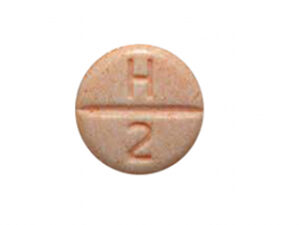
Lopressor is supplied in various tablet strengths depending on availability. In Australia, metoprolol-containing medicines may be listed under different product brands or generics. The exact dosing schedule depends on the formulation and the condition being treated.
Key points to check on your pack:
- The tablet strength (for example, 25 mg, 50 mg, 100 mg depending on product)
- The dose instructions on your label
- Whether your product is an immediate-release or extended-release form (this affects timing and frequency)
How Lopressor works (mechanism of action)
Metoprolol is a selective beta-1 blocker. Beta receptors are located in the body, including in the heart and blood vessels.
By blocking beta-1 receptors in the heart, Lopressor can:
- Reduce heart rate (slower pulse)
- Lower the force of contraction of the heart muscle
- Decrease conduction through the heart’s electrical system (helpful in certain rhythm disorders)
- Reduce the heart’s oxygen demand, which can help symptoms of angina
Over time, these effects also contribute to lower blood pressure and improved cardiovascular stability for suitable patients.
Pharmacokinetics (how the body handles metoprolol)
Understanding pharmacokinetics can help explain dosing and why consistency matters.
Absorption
- Metoprolol is generally absorbed after oral dosing.
- The extent and rate of absorption may vary between individuals.
Distribution
- Metoprolol distributes throughout the body and crosses into tissues where beta-1 receptors are present.
Metabolism
- Metoprolol is primarily metabolised in the liver.
- Because metabolism can be affected by other medicines, drug interactions are important.
Elimination
- Metoprolol and its metabolites are eliminated mainly via the kidneys.
- Your kidney function and liver function can influence how you respond.
Onset and duration
- Some effects on heart rate may be noticed within hours, but benefits for blood pressure and long-term heart protection may take time.
- The duration of action depends on whether your product is immediate-release or modified-release.
Typical uses in Australia
Lopressor may be used for a range of cardiovascular conditions. The most common indications include:
- High blood pressure (hypertension)
- Angina pectoris (chest pain due to reduced blood supply to the heart)
- Heart rhythm problems such as certain forms of tachycardia
- After myocardial infarction (heart attack) in selected treatment plans
Important: The exact indication, dose, and duration depend on your medical history and the formulation of metoprolol you are using.
Indications and when it may be recommended
Your healthcare professional may consider metoprolol when they aim to:
- Control heart rate and reduce symptoms such as palpitations
- Reduce the frequency and severity of angina
- Improve blood pressure control and reduce cardiovascular risk
- Support longer-term heart protection in selected patients
Lopressor may be used alone or alongside other cardiovascular medicines (such as ACE inhibitors, ARBs, diuretics, calcium channel blockers, or anti-platelet therapy) depending on your condition.
Dosing: general guidance
Dosage must be individualised. The information below is general and not a substitute for personalised instructions.
Typical dosing approach
- Many patients start on a lower dose to reduce side effects (such as dizziness or a low heart rate).
- Your dose may then be adjusted gradually based on:
- heart rate and blood pressure
- symptoms (e.g., dizziness, fatigue, chest pain)
- tolerability
- other medicines you take
How to take it
- Follow your label directions exactly.
- If your medicine is immediate-release, it may be taken more than once per day.
- If your medicine is extended-release, it is usually taken less frequently and should not be crushed or split (unless your product information states otherwise).
Missed dose
If you miss a dose:
- Take it when you remember if it is close to your next scheduled dose.
- If it’s almost time for the next dose, skip the missed dose.
- Do not double up to catch up.
Timing: consistency matters
For many patients, the most important factor is taking Lopressor at consistent times each day. This helps maintain steadier heart rate and blood pressure control.
- Try to take doses at the same times (e.g., morning and evening).
- If your dose is multiple times daily, keep a roughly even spacing between doses.
- When switching between brands or formulations, confirm dosing frequency with your healthcare professional or pharmacist.
Food interactions
Food can influence comfort and tolerability, but most beta-blockers—including metoprolol—are generally considered usable with or without food. That said, individual products differ.
Practical tips:
- If taking metoprolol with meals reduces nausea or dizziness for you, consider taking it with food.
- Stay consistent. If you usually take it with meals, continue that pattern.
Important note: Always check the CMI for your specific Lopressor product, as instructions may vary between formulations (immediate-release vs modified-release).
Alcohol and medicine interactions
Alcohol can increase the likelihood of side effects such as:
- Dizziness or light-headedness
- Fainting (particularly when standing)
- Low blood pressure
General guidance:
- Limit alcohol while starting or adjusting your dose.
- If you drink alcohol, do so cautiously and monitor how you feel.
- Avoid binge drinking, especially in the first weeks of treatment or after dose changes.
Do not combine without advice: Some conditions and medicines can make alcohol riskier. If you have concerns, speak with your pharmacist or doctor.
Medicine interactions (other medicines that may matter)
Metoprolol can interact with several medicines, mainly through effects on heart rate, blood pressure, and liver metabolism.
Common interaction categories include:
- Other medicines that slow the heart (e.g., some anti-arrhythmics, certain calcium channel blockers like verapamil/diltiazem, and some other rate-control drugs) — may increase risk of slow pulse or heart block.
- Medicines that affect liver enzymes — can alter metoprolol levels, potentially increasing side effects or reducing effectiveness.
- Non-steroidal anti-inflammatory drugs (NSAIDs) — may affect blood pressure control in some people.
- Diabetes medicines:
- beta-blockers can mask some warning signs of low blood sugar (such as fast heartbeat)
- they may also influence how you feel during hypoglycaemia
- Some antidepressants and antipsychotics — may influence heart rhythm or metoprolol metabolism (depending on the specific agent).
Always check: Tell your pharmacist about every medicine you use, including:
- prescription medicines
- over-the-counter products
- vitamins and herbal supplements (e.g., some can affect metabolism)
Safety profile and side effects
Most people tolerate Lopressor well, but all medicines can cause side effects. The likelihood and severity can be influenced by dose, other medicines, and your health conditions.
Common side effects
- Fatigue or tiredness
- Dizziness, especially when standing
- Headache
- Cold hands and feet
- Slow heart rate (bradycardia)
- Sleep disturbance or vivid dreams (in some people)
- Nausea or mild stomach upset
Less common but important effects
- Low blood pressure (hypotension)
- Worsening of certain heart conduction problems (e.g., heart block)
- Shortness of breath in susceptible individuals
- Mood changes in some patients
- Sexual function changes (reported by some people)
Seek urgent medical help if you experience
- fainting or severe dizziness
- chest pain that is new, worsening, or different from your usual angina
- severe shortness of breath, wheezing, or swelling of the face/lips
- symptoms of dangerously slow heart rate (e.g., extreme weakness, confusion)
Who needs extra caution
- Asthma or chronic lung disease: While metoprolol is beta-1 selective, it can still affect the lungs at higher doses in some people.
- Diabetes: beta-blockers may mask some signs of hypoglycaemia.
- People with slow pulse or heart conduction disorders (e.g., certain heart blocks).
- People with peripheral circulation problems: cold extremities may worsen.
- Those with liver impairment: metabolism may be altered.
Practical use tips (getting the best out of Lopressor)
- Measure and track: Consider keeping a log of blood pressure and pulse (heart rate), particularly during dose changes.
- Stand up slowly: Dizziness can occur when moving from sitting/lying to standing. Rise gradually.
- Don’t stop suddenly: Stopping beta-blockers abruptly can cause rebound effects such as increased heart rate or chest pain in some people. If you need to stop, your clinician will usually guide a gradual taper.
- Be mindful with exercise: If you notice unusual fatigue or light-headedness during activity, speak with your healthcare professional.
- Carry medication details: If you have a medic alert or keep a medication list, include Lopressor and your dose.
Recent guidance and clinical considerations
Clinical guidance for beta-blocker use can evolve as new evidence emerges. In recent years, healthcare systems and professional groups have continued to emphasise:
- Individualised therapy—selecting dose and regimen based on condition, pulse, blood pressure, and comorbidities.
- Monitoring—especially after initiation or dose changes (blood pressure, heart rate, symptoms).
- Awareness of interactions—many common medicines can affect heart rate or metoprolol levels.
- Avoiding abrupt discontinuation where possible.
Your pharmacist or doctor can help you understand the rationale for your specific regimen and any updates relevant to your situation.
Alternative options (other treatment approaches)
Whether an alternative is appropriate depends on your diagnosis, other health conditions, and your response to metoprolol. Options may include other beta-blockers or non-beta-blocker medicines.
Possible alternative beta-blockers
- Bisoprolol
- Atenolol
- Carvedilol
- Propranolol (may be used in specific scenarios)
Other blood pressure or angina options
- ACE inhibitors (e.g., perindopril, lisinopril)
- ARBs (e.g., losartan, valsartan)
- Calcium channel blockers (e.g., amlodipine)
- Diuretics (e.g., hydrochlorothiazide)
- Nitrates for angina symptom relief (depending on plan)
If you are considering switching medicines, discuss it with your healthcare professional. Different products vary in dosing frequency, formulation, and side-effect profile.
Delivery and availability in Australia
Availability may vary by pharmacy and supplier. In Australia, many metoprolol products are commonly stocked through pharmacies and may also be available through online pharmacy services.
When ordering online, you should:
- Confirm the strength and formulation (if applicable to the product listing).
- Check estimated delivery times displayed by the online pharmacy.
- Ensure the delivery address is suitable for receiving medicines safely.
- Keep your medication in line with the storage instructions on the pack.
If you have questions about stock or the correct product for your regimen, contact the online pharmacy’s support team or speak with a pharmacist.
Market and legal context in Australia
Medicines in Australia are regulated to ensure safe supply. Beta-blockers such as metoprolol are provided under pharmacy supply processes and may be subject to specific requirements depending on the product and strength.
General consumer expectations:
- Pharmacists can provide guidance on correct use, interactions, and side-effect monitoring.
- Online pharmacy services follow Australian regulations for pharmacy operations and medication supply.
- Counterfeit products are a concern worldwide—use reputable pharmacies and ensure the product packaging matches what is expected for your medicine.
FAQ about Lopressor (Metoprolol)
1) What is Lopressor used for?
Lopressor is used for conditions such as high blood pressure, angina, and certain heart rhythm or heart-related problems, depending on your treatment plan.
2) How long does it take to work?
Some effects on heart rate may begin within hours of a dose. For blood pressure and long-term symptom control, benefits may take days to weeks. Your clinician may adjust dosing based on your response.
3) What should my heart rate and blood pressure be?
There is no single ideal number for everyone. Targets depend on your diagnosis, age, symptoms, and other health conditions. Your doctor will advise what ranges are acceptable for you.
4) Can I drive while taking Lopressor?
If Lopressor makes you dizzy, unusually tired, or affects your alertness, avoid driving until you know how it affects you. If you experience persistent symptoms, speak with your healthcare professional.
5) Will Lopressor affect asthma?
Metoprolol is beta-1 selective, but at higher doses it can still affect the lungs in some people. If you have asthma or wheezing, discuss this with your doctor and keep your reliever medication accessible.
6) Can Lopressor be taken with food?
Many people can take metoprolol with or without food. If food reduces stomach upset, taking it with meals may be helpful. Always follow your CMI instructions for your specific product.
7) What happens if I miss a dose?
Take it when you remember unless it is close to your next scheduled dose. If it’s nearly time for the next dose, skip the missed one. Do not double doses.
8) Is it safe to stop Lopressor suddenly?
Stopping abruptly can be risky for some people, potentially leading to rebound increases in heart rate or chest pain. If you need to stop, your healthcare professional will generally advise a gradual reduction.
9) What interactions should I watch for?
Tell your pharmacist about all medicines and supplements you use. Particular attention is needed for medicines that slow the heart, affect blood pressure, or influence liver metabolism.
10) Can I drink alcohol?
Alcohol may increase dizziness and low blood pressure. Use caution, especially when starting or changing your dose, and avoid heavy drinking.
11) Are there alternatives if I can’t tolerate Lopressor?
Yes—there are other beta-blockers and other cardiovascular medicines. The best option depends on why you’re taking Lopressor and how you respond.
Summary
Lopressor (metoprolol) is a beta-blocker commonly used to treat cardiovascular conditions including high blood pressure, angina, and certain heart rhythm disorders. It works by blocking beta-1 receptors in the heart, helping to slow heart rate and reduce the heart’s workload. To use it safely and effectively, take it consistently as directed, monitor how you feel, be aware of potential drug and alcohol interactions, and do not stop suddenly without medical guidance.
If you have any concerns about side effects, interactions, or whether Lopressor is suitable for you, speak with a pharmacist or your healthcare professional.
| Category | Information |
|---|---|
| Brand | Lopressor |
| Active ingredient | Metoprolol |
| Medicine type | Beta-1 selective beta-blocker |
| Common uses | High blood pressure, angina, selected heart rhythm and heart-related conditions |
| Key effects | Slows heart rate, reduces oxygen demand, helps control blood pressure |
| Important safety note | Seek urgent help for severe dizziness, fainting, chest pain changes, or severe shortness of breath |