
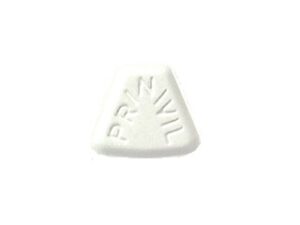

Cozaar (Losartan) – Patient-Friendly Guide (Australia)
Cozaar is a brand of the medicine losartan, which belongs to a group of medicines called angiotensin II receptor blockers (ARBs). It is widely used in Australia to help lower blood pressure and protect the heart and kidneys in certain conditions.
This guide explains how Cozaar works, when it’s used, how to take it, common side effects, and important safety information. It also covers interactions (including alcohol), practical tips, alternative options, and frequently asked questions.
Basic product information
| Feature | Information |
|---|---|
| Brand name | Cozaar |
| Generic name | Losartan |
| Medicine class | Angiotensin II receptor blocker (ARB) |
| Common strengths | Typically available in 25 mg, 50 mg, and 100 mg tablets (strength depends on product pack) |
| How it’s usually taken | Once daily (may be adjusted by your clinician) |
| Main uses | High blood pressure; kidney protection in selected patients with diabetes; heart failure (in selected cases) |
What Cozaar does (mechanism of action)
In the body, angiotensin II is a substance that helps narrow (constrict) blood vessels and can contribute to higher blood pressure. It can also encourage the body to retain salt and water.
Losartan blocks the action of angiotensin II at its receptors. This causes:
- Blood vessels to relax and widen (lowering blood pressure)
- Reduced strain on the heart
- Kidney protection by reducing harmful pressure inside kidney blood vessels in certain conditions
Because it blocks receptors rather than reducing hormone levels directly, it is effective for long-term blood pressure control and is often tolerated well.
Pharmacokinetics (how the body handles losartan)
Pharmacokinetics describes how a medicine is absorbed, distributed, broken down, and eliminated.
- Absorption: Losartan is absorbed after a tablet is taken by mouth. Absorption occurs regardless of meals.
- Metabolism: Losartan is metabolised in the liver. A key active metabolite is formed (often referenced as EXP-3174), which contributes to the overall effect.
- Peak effects: Blood levels generally rise after dosing; the active metabolite develops as the body metabolises losartan.
- Half-life: The medicine and its active metabolite have a duration long enough to support once-daily dosing for many people.
- Excretion: Metabolites are eliminated mainly through urine and bile.
Clinical note: Individual response can vary, especially in older adults or people with liver or kidney impairment. Your clinician may adjust dose and monitor blood tests.
Typical uses and indications
Cozaar may be used for several cardiovascular and kidney-related conditions. Indications can vary based on local clinical guidance and product details.
Commonly indicated uses
- Hypertension (high blood pressure): To lower blood pressure and reduce risk of cardiovascular events.
- Kidney protection in certain patients with diabetes: In selected patients with type 2 diabetes and proteinuria (protein in urine), to help slow kidney disease progression.
- Heart failure: In selected patients where an ARB is considered appropriate as part of heart failure management.
- ACE inhibitor intolerance: Some patients who cannot tolerate an ACE inhibitor (another blood pressure/heart medicine class) may be prescribed an ARB instead.
Important: Use depends on your diagnosis, risk profile, and test results (e.g., kidney function, potassium, urine protein levels).
How and when to take Cozaar (timing)
Cozaar is typically taken once daily. Many people choose a consistent time to improve routine and adherence.
Timing tips
- Choose a time you can stick to: Morning or evening is usually fine.
- Consistency matters: Try to take it at the same time each day.
- If you forget a dose: Take it when you remember if it’s close to the next dose. If it’s almost time for the next dose, skip the missed dose—don’t double up.
- Plan for monitoring: Blood pressure may be checked over days to weeks; kidney function and potassium may be checked after starting or adjusting dose.
How soon it works
- Blood pressure lowering: Some effect may be noticed within the first days.
- Full effect: Maximum benefit often develops over 2–6 weeks as the body adjusts.
Food interactions
Cozaar can generally be taken with or without food. Food does not usually significantly change how losartan is absorbed or how it works.
If you have a sensitive stomach or experience mild nausea, taking it with a light meal may help. However, the medicine is not typically affected by specific foods.
Alcohol and medicine interactions
Alcohol does not have a single, universal “forbidden” interaction with losartan, but it can affect blood pressure and increase dizziness in some people.
Alcohol—what to consider
- May increase dizziness or light-headedness, especially when starting treatment or if dose increases.
- Can worsen dehydration, which may stress kidneys—particularly important if you are taking other medicines that affect kidney function.
- If you feel faint or your blood pressure drops significantly, consider reducing alcohol and speak with your clinician.
Other important medicine interactions (commonly relevant)
Losartan can interact with other medicines that influence kidney function, potassium levels, or blood pressure.
- Potassium-raising medicines: Examples include potassium supplements and certain “salt substitutes” that contain potassium. Also some medicines like spironolactone or eplerenone may raise potassium. This can increase the risk of high potassium (hyperkalaemia).
- Diuretics (water tablets): Depending on the type, they may affect blood volume and kidney function. Monitoring may be needed.
- NSAIDs (pain relief like ibuprofen, naproxen, diclofenac): Frequent or high-dose NSAID use together with ARBs can affect kidney function and may reduce the blood-pressure-lowering effect in some people. Caution is especially important in older adults or those with existing kidney disease.
- Other blood pressure medicines: Taking multiple medicines that lower blood pressure may increase the risk of low blood pressure or dizziness.
- Lithium: Combining lithium with medicines that affect the renin-angiotensin system can increase lithium levels and toxicity risk. Close monitoring is essential if this combination is necessary.
- Renin-angiotensin system “double therapy”: Combining an ARB with an ACE inhibitor or with another ARB is generally not recommended for routine use due to higher risks to kidneys and potassium. Treatment plans vary and should follow current clinical guidance.
Always check: Tell your pharmacist or clinician about all medicines and supplements you take, including herbal products and over-the-counter pain medicines.
Dosing (typical adult dosing ranges)
Dosing varies depending on the condition being treated, kidney and liver function, and individual response.
General information only: Your exact dose should follow your clinician’s instructions and the product instructions supplied with your medicine.
Common dosing patterns
- Hypertension: Often started at a lower dose and adjusted based on blood pressure response. A typical range in adults may include 25 mg to 100 mg once daily.
- Diabetic kidney protection (type 2 diabetes with proteinuria): Often uses a once-daily dose that may be increased for better effect, typically within 50–100 mg daily depending on individual needs.
- Heart failure: Dosing may start low and be titrated upward cautiously, guided by tolerance and monitoring.
Monitoring that may accompany dosing
- Blood pressure: to ensure target is reached and avoid excessive low readings.
- Kidney function: creatinine or estimated glomerular filtration rate (eGFR).
- Potassium levels: to detect early risk of hyperkalaemia.
Missed dose reminder: If you miss a dose, take it when remembered unless it is near the time of the next dose. Do not double doses.
Safety profile and side effects
Many people take Cozaar without problems. However, like all medicines, it can cause side effects. Some effects require urgent attention.
Common side effects
- Dizziness or light-headedness (especially when standing up)
- Fatigue
- Low blood pressure symptoms (may be more likely at the start or after dose increases)
- Headache
Less common but important risks
- High potassium (hyperkalaemia): can cause muscle weakness, abnormal heart rhythms, or be detected on blood tests.
- Kidney function changes: especially if you are dehydrated, have renal artery stenosis, or are taking other medicines that affect the kidneys.
- Allergic reactions: swelling of face/lips, rash, or breathing difficulties require urgent medical help.
Rare but serious warning signs – seek urgent help
- Swelling of the face, lips, tongue, or throat; difficulty breathing (possible severe allergic reaction)
- Fainting, severe dizziness, or chest pain
- Symptoms of very high potassium (significant weakness or palpitations)
Pregnancy and breastfeeding (key advice)
Losartan is generally not recommended in pregnancy (especially after the first trimester) due to potential risk to the unborn baby. If pregnancy is planned or occurs, seek medical advice promptly to review the best alternative.
Breastfeeding: Discuss with your clinician whether losartan is appropriate during breastfeeding, as recommendations vary based on individual risk and available alternatives.
Practical use tips (getting the best results)
- Monitor your blood pressure: If advised, check at home and keep a short log to share with your clinician.
- Stay hydrated: Particularly during hot weather or illness (e.g., vomiting/diarrhoea). Dehydration can increase the risk of kidney problems.
- Be cautious with “double” kidney stress: NSAIDs, dehydration, and sudden changes in fluid intake can make kidney function more vulnerable.
- Know your lab schedule: Kidney function and potassium tests are commonly checked after starting, after dose changes, and periodically thereafter.
- Don’t stop suddenly without advice: Stopping blood pressure medicines can lead to rebound increases in blood pressure and strain on the heart.
- Medication list matters: Keep an up-to-date list (including supplements). This helps prevent harmful interactions.
Alternative options to consider
If Cozaar is not suitable due to side effects, interactions, or treatment targets, doctors may consider other options depending on the condition being treated.
Common alternatives
- ACE inhibitors: Examples include perindopril, enalapril, ramipril. (Often used when appropriate; if you’re intolerant of ACE inhibitors, an ARB like losartan may be preferred.)
- Other ARBs: Such as valsartan, irbesartan, candesartan—selection depends on response and tolerability.
- Calcium channel blockers: Such as amlodipine.
- Thiazide-type diuretics: Such as hydrochlorothiazide or indapamide.
- Beta blockers: For certain heart conditions.
Individual choice: The best alternative depends on your diagnosis, blood test results, other medicines, and how your body responds.
Australia market and legal context (high-level)
In Australia, prescription medicines are regulated through the Therapeutic Goods Administration (TGA) and generally dispensed under the relevant prescribing and supply arrangements. Cozaar (losartan) is available through pharmacies as part of standard medicine supply pathways.
Online pharmacies typically provide medicines that meet Australian regulatory requirements, including appropriate sourcing, packaging, and handling. Availability, pack sizes, and strengths may vary by supplier and region.
Product information: Always follow the instructions on the packaging and the advice provided by a qualified healthcare professional.
Recent guidance and clinical monitoring (what to know)
Clinical care for blood pressure and cardiovascular risk is guided by national and international evidence, with emphasis on:
- Regular monitoring of blood pressure and cardiovascular risk factors
- Kidney function and potassium checks after initiating or changing ARB therapy, particularly in people at higher risk (e.g., older age, chronic kidney disease, diabetes, dehydration, or concurrent interacting medicines)
- Avoiding unnecessary “double” therapy that blocks the renin-angiotensin system at more than one level, unless a specialist plan is in place
- Individualised target ranges based on age, comorbidities, and tolerance
Your clinician may also review lifestyle measures alongside medicine (e.g., salt reduction, physical activity, weight management, smoking cessation, and limiting alcohol).
Delivery, availability, and what to expect from online purchase
Cozaar (losartan) is commonly available in Australia through pharmacies and approved online services. Delivery time depends on the pharmacy’s processing schedule, courier service, and your location.
What you can typically expect
- Pack sizes and strengths: Availability may vary (e.g., 25 mg, 50 mg, 100 mg).
- Sealed packaging: Medicines are usually supplied in sealed blister packs or bottles.
- Cold chain: Losartan tablets do not typically require refrigeration, but follow storage instructions on the pack.
- Confidential handling: Pharmacies usually manage orders with privacy and safe packaging.
Storage: Store as directed on the packaging (commonly below 25°C and away from moisture and direct sunlight). Keep out of reach of children.
FAQ – Cozaar (Losartan)
1) Is Cozaar the same as losartan?
Yes. Cozaar is a brand name; losartan is the generic medicine. They contain the same active ingredient.
2) How long does it take for Cozaar to start working?
Blood pressure may start to improve within days, but the full effect often takes 2–6 weeks. Consistent daily use is important.
3) Can I take Cozaar with food?
Yes. Cozaar can generally be taken with or without food.
4) What if I miss a dose?
Take it when you remember if it’s not too close to the next dose. If it’s almost time for the next dose, skip the missed dose. Do not double to make up for it.
5) Will Cozaar cause a cough like some other blood pressure medicines?
ARBs like losartan typically cause less cough than ACE inhibitors. However, anyone can experience side effects, so consult your clinician if symptoms develop.
6) What blood tests are usually monitored?
Commonly, clinicians monitor kidney function (creatinine/eGFR) and potassium levels, especially after starting or adjusting the dose.
7) Can I drink alcohol while taking Cozaar?
Moderate alcohol may be acceptable for some people, but alcohol can increase dizziness and affect hydration. If you feel light-headed or your blood pressure drops, reduce or avoid alcohol and seek advice.
8) Are there foods I should avoid?
There are usually no specific food restrictions. However, be cautious with high potassium alternatives (such as potassium-based salt substitutes) unless your clinician has told you it’s safe.
9) Who should be extra careful when taking losartan?
People at higher risk include those with kidney disease, dehydration, diabetes, or those taking medicines that affect potassium (such as supplements or certain diuretics). Monitoring and dose adjustments may be needed.
10) What are the common side effects?
Common effects include dizziness, fatigue, headache, and sometimes low blood pressure symptoms (especially early on).
11) When should I seek urgent medical help?
Seek urgent care for signs of severe allergy (face/lip swelling, breathing difficulty), fainting, severe dizziness, chest pain, or symptoms suggesting dangerously high potassium.
Disclaimer: This information is designed to help you understand Cozaar (losartan) and how it’s commonly used in Australia. It does not replace advice from a qualified healthcare professional. If you have questions about your specific treatment, side effects, or interactions, contact your pharmacist or clinician.