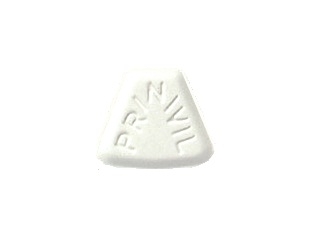


Prinivil (Lisinopril) – Patient-Friendly Medicine Information (Australia)
Prinivil contains lisinopril, an angiotensin-converting enzyme (ACE) inhibitor used to treat certain cardiovascular conditions. This guide explains how it works, how it’s taken, what to expect, and important safety information for people in Australia.
Note: Always follow the instructions provided with your medicine and any advice from your treating healthcare professional.
1) Basic product information
- Brand name: Prinivil
- Generic name: Lisinopril
- Medicine type: ACE inhibitor
- Common forms: Tablets (strengths may vary by product/pack)
- How it’s used: Long-term control of blood pressure and selected heart/kidney conditions
- Who it suits: Adults with specific medical indications such as hypertension and certain heart failure scenarios
2) How Prinivil works (mechanism of action)
Prinivil (lisinopril) lowers blood pressure and reduces strain on the heart by blocking the ACE enzyme. ACE normally helps produce angiotensin II, a substance that tightens blood vessels and increases blood pressure.
By inhibiting ACE:
- Blood vessels relax and widen, lowering systemic vascular resistance.
- Levels of angiotensin II decrease.
- Aldosterone secretion may decrease, which can reduce fluid and salt retention.
- As a result, the heart may work more efficiently, especially in conditions like heart failure.
Extra benefit in some kidney conditions: In certain people with diabetes and kidney involvement, lowering blood pressure and affecting kidney blood flow can help slow progression of damage.
3) Pharmacokinetics (how the body handles lisinopril)
Understanding timing and onset can help you manage expectations. While individual responses vary, lisinopril generally has these features:
| Pharmacokinetic aspect | Typical information (general guidance) |
|---|---|
| Absorption | Oral lisinopril is absorbed from the gastrointestinal tract. Absorption can vary between individuals. |
| Time to peak effect | Blood levels peak within several hours after a dose for many people (exact timing varies). |
| Onset of blood pressure effect | Blood pressure may start to fall within hours; full benefit may take days to weeks with consistent use. |
| Half-life | The drug has a relatively long terminal half-life compared with some other BP medicines, supporting once-daily dosing in many regimens. |
| Metabolism & elimination | Lisinopril is not extensively metabolised in the liver. It is largely eliminated by the kidneys. |
| Implications for kidneys | Dose adjustments may be needed if you have reduced kidney function. |
4) Typical uses and indications
Prinivil is commonly used for:
- Hypertension (high blood pressure) to reduce blood pressure and lower cardiovascular risk.
- Heart failure (often in combination with other heart failure medicines) to improve symptoms and reduce hospitalisations in selected patients.
- After myocardial infarction (heart attack) in certain people to support cardiovascular outcomes when appropriate.
- Diabetic kidney disease (in selected patients) to help slow kidney progression.
Important: Which indication applies to you depends on your diagnosis, medical history, and other medicines you may be taking.
5) When and how to take Prinivil (timing and practical routine)
Most people take lisinopril once daily. Your exact dose and schedule may differ.
General timing
- Try to take it at the same time each day to maintain steady effects.
- You can usually take it with or without food (see food interactions below for details).
- If you feel light-headed, some people prefer taking it in the evening—but discuss changes with a healthcare professional.
If you miss a dose
- Take the missed dose as soon as you remember on the same day.
- If it is close to the time for your next dose, skip the missed dose and continue with your usual schedule.
- Do not double up unless a clinician tells you to.
6) Food interactions
Food is generally not a major issue for lisinopril. It can usually be taken with or without meals.
However, a few practical considerations can still matter:
- Hydration: Dehydration (for example, from vomiting or diarrhoea) can increase the risk of kidney problems or low blood pressure when starting or increasing ACE inhibitors.
- High salt intake: A very salty diet may counteract blood pressure control for some people.
- Electrolytes: Be mindful if you also take supplements or salt substitutes that contain potassium (ACE inhibitors can increase potassium levels).
7) Alcohol interactions and precautions
Alcohol can increase the likelihood of low blood pressure, dizziness, and falls—especially when you first start Prinivil or after dose changes.
- Limit alcohol and rise slowly from sitting or lying positions.
- If you notice marked dizziness or fainting, avoid alcohol and seek medical advice.
8) Medicine interactions (common and important)
Several medicine groups can interact with lisinopril. These interactions may affect blood pressure, kidney function, potassium levels, or bleeding risk.
Always tell your healthcare provider about all medicines and supplements you use, including over-the-counter products.
Key interaction categories
- Potassium supplements and potassium-containing salt substitutes: ACE inhibitors can raise potassium. Combining may lead to hyperkalaemia.
- Diuretics (“water tablets”):
- When starting an ACE inhibitor, diuretics may increase the risk of low blood pressure.
- Your clinician may adjust dosing or monitor blood pressure and kidney function.
- Other blood pressure medicines (e.g., beta-blockers, calcium channel blockers):
- May enhance blood-pressure lowering effect. Usually safe under supervision.
- Non-steroidal anti-inflammatory drugs (NSAIDs) (e.g., ibuprofen, naproxen, diclofenac) including some prescription pain medicines:
- May reduce kidney function and increase potassium, particularly in older adults or those with kidney disease.
- Use NSAIDs cautiously and discuss duration and dosing.
- Immune-suppressing or bone-marrow-affecting medicines (less common, depending on your regimen):
- May increase risk of blood-related side effects in rare circumstances.
- Diabetes medicines (insulin or oral agents):
- A small risk of altered blood sugar readings may occur; monitor as advised.
- Lithium:
- ACE inhibitors can increase lithium levels. This combination typically requires careful monitoring and specialist guidance.
9) Dosing (how dosing is usually managed)
Dosing depends on your condition, response, blood pressure, and kidney function. A clinician may start at a lower dose and gradually increase it.
General dosing principles:
- Adults are commonly started at a low dose to reduce the risk of dizziness or kidney-related side effects.
- The dose may be increased at intervals based on blood pressure readings and lab tests.
- People with reduced kidney function may need dose adjustments.
Do not change your dose or stop the medicine without medical advice, as sudden changes can worsen blood pressure control or heart condition stability.
10) Safety profile and side effects
Most people tolerate lisinopril well, but like all medicines it can cause side effects. Many are mild and improve with time; others need urgent attention.
Common side effects
- Dry cough (a classic ACE-inhibitor side effect). Often persistent but usually not dangerous.
- Dizziness, especially when standing up (orthostatic hypotension).
- Headache and feeling tired.
- Nausea or mild gastrointestinal upset.
- Low blood pressure symptoms in some people, particularly after starting or increasing dose.
Less common but important side effects
- Raised potassium (hyperkalaemia) which may be detected on blood tests.
- Changes in kidney function (usually monitored via blood tests such as creatinine and eGFR).
- Rash or taste changes (reported by some patients).
Seek urgent medical help if you develop:
- Swelling of the face, lips, tongue, or throat, or difficulty breathing (possible angioedema).
- Fainting, severe dizziness, or signs of severe low blood pressure.
- Signs of allergic reaction such as widespread hives.
Who needs extra caution?
- People with kidney disease or dehydration risk.
- Older adults who are more prone to low blood pressure.
- Those taking medicines that raise potassium or affect kidney function (for example, certain diuretics and NSAIDs).
- People with history of ACE-inhibitor-related angioedema (avoid use unless specialist advises otherwise).
11) Practical use tips (to get the best results safely)
- Monitor blood pressure: If you have a home BP monitor, track readings and record them for your clinician.
- Follow lab monitoring schedules: Your healthcare provider may check kidney function and potassium shortly after starting and after dose changes.
- Stand up slowly: If you feel light-headed, move gradually from lying/sitting to standing.
- Stay hydrated: Especially during hot weather, illness, or reduced fluid intake.
- Avoid potassium “salt substitutes” unless your clinician approves.
- Be cautious with NSAIDs: If you need pain relief, ask what’s safest for you given your kidney function and other meds.
- Don’t stop abruptly: Continuous use is typically needed for long-term control and risk reduction.
12) Alternatives to Prinivil (lisinopril)
If lisinopril isn’t suitable due to side effects (e.g., persistent cough) or interactions, other options may be considered by your healthcare provider.
Common alternative classes
- ARBs (angiotensin receptor blockers) (e.g., losartan, valsartan, irbesartan): often used as an alternative to ACE inhibitors and may have a lower cough rate.
- Other blood pressure medicines depending on your condition, such as:
- Calcium channel blockers
- Thiazide-type diuretics
- Beta-blockers (particularly in heart disease)
Important: Alternatives should be chosen based on your diagnosis (hypertension vs heart failure vs kidney disease), kidney function, potassium levels, and overall risk profile.
13) Australia market & legal context (how Prinivil fits)
In Australia, lisinopril-containing medicines are regulated and supplied under the national medicines framework. Access can vary depending on the specific product, whether it’s listed on relevant schedules, and pharmacy supply processes.
- Regulatory framework: Medicines are regulated by the Therapeutic Goods Administration (TGA).
- Pharmacy supply: Availability is typically managed through licensed pharmacies following Australian prescribing and dispensing rules.
- Safety monitoring: Because ACE inhibitors can affect kidney function and potassium, routine blood tests are commonly part of care.
For the most current local information (including product-specific details and consumer medicines information), check reputable sources such as the TGA and Australian healthcare services.
14) Recent guidance and updates (what matters for patients)
In recent years, patient safety guidance for ACE inhibitors has consistently focused on:
- Monitoring kidney function and potassium, particularly after starting or dose changes.
- Recognising angioedema symptoms early and seeking urgent care.
- Medication review to reduce risky combinations (for example, avoiding unnecessary NSAID use or potassium supplements without guidance).
- Special caution in vulnerable groups such as older adults, those with chronic kidney disease, and those who are dehydrated.
Always check product documents and speak with your pharmacist or clinician if you are unsure whether any new medication is safe to combine with lisinopril.
15) Delivery, availability, and ordering (Australia)
Online pharmacies may offer delivery of Prinivil depending on stock availability, Australian regulatory requirements, and the medicine’s supply classification. Availability can vary by:
- Strength and pack size (tablets may be stocked in different strengths)
- Brand vs generic supply (some suppliers may offer the generic equivalent)
- Time needed for processing based on your verification and dispensing requirements
Delivery tips:
- Choose delivery timing that ensures you won’t run out of tablets.
- Store tablets as directed on the packaging (usually in a cool, dry place away from direct sunlight).
- Keep the original pack to refer to expiry dates and batch information.
If you need help confirming stock, strengths, or delivery times, contact the pharmacy before ordering.
16) FAQ – Prinivil (Lisinopril)
Is Prinivil the same as lisinopril?
Prinivil is a brand name of lisinopril. Lisinopril is the active ingredient. Other brands or generic versions may contain the same medicine.
How long does it take to work?
Blood pressure may start improving within hours to days. For some people, the full effect can take several weeks, especially after dose adjustments. Track your readings and follow monitoring plans.
Can I take Prinivil with food?
Yes. Lisinopril is generally taken with or without food. Take it consistently at the same time each day for best routine adherence.
Does Prinivil cause a cough?
Yes, a dry persistent cough can occur with ACE inhibitors like lisinopril. If the cough becomes troublesome, speak with your pharmacist or clinician—an alternative medicine class may be considered.
What should I do if I feel dizzy after starting?
Dizziness can occur, especially early on or after increasing dose. Stand up slowly and avoid sudden movements. If symptoms are severe, persistent, or you faint, seek medical advice promptly.
Do I need blood tests while taking Prinivil?
Often yes. Clinicians commonly monitor kidney function (creatinine/eGFR) and potassium, particularly after initiation and dose changes. Follow your healthcare provider’s schedule.
Can I take ibuprofen or other painkillers?
NSAIDs (including ibuprofen) may increase the risk of kidney issues or affect potassium when combined with ACE inhibitors. If you need pain relief, ask a pharmacist what’s safest for your situation and whether any short-term NSAID use is appropriate.
Can I drink alcohol?
Small amounts may be acceptable for some people, but alcohol can increase dizziness or low blood pressure risk. If you’re affected, reduce alcohol and speak to your clinician.
What if I miss a dose?
Take it when you remember unless it’s close to your next dose. Then skip the missed dose and continue your usual schedule. Don’t double up.
Are there any situations where Prinivil should not be used?
Do not use lisinopril if you’ve previously had angioedema related to an ACE inhibitor. Special caution is also needed in pregnancy and other high-risk situations—discuss your individual risk with your healthcare professional.
What if I’m planning surgery or dental procedures?
Tell your surgeon or dentist that you take Prinivil, as it may affect blood pressure during procedures and anaesthesia. Follow advice from your clinical team.
17) Summary
Prinivil (lisinopril) is an ACE inhibitor used for hypertension and certain heart and kidney conditions. It works by relaxing blood vessels and reducing hormonal signals that raise blood pressure. Many people take it once daily, with or without food, and benefit from careful monitoring of kidney function and potassium—especially after starting or adjusting the dose.
If you’re considering starting Prinivil, changing your dose, or you’re experiencing side effects such as a persistent cough, dizziness, or any signs of allergic swelling, speak with your healthcare professional promptly.