

Esidrix (Hydrochlorothiazide) – Patient Information (Australia)
Esidrix contains hydrochlorothiazide, a medicine used to treat conditions related to high fluid levels in the body and high blood pressure. This page explains how Esidrix works, how it’s typically used, what to expect, and important safety information for people in Australia.
At a glance
- Medicine: Esidrix (hydrochlorothiazide)
- Type: Thiazide diuretic (“water tablet”)
- Common uses: High blood pressure; swelling (oedema) in selected conditions
- Key effects: Helps the kidneys remove excess salt and water; lowers blood pressure
- Important risks: Low potassium/sodium, dehydration, dizziness, increased uric acid (gout risk), sun sensitivity
Basic product information
Esidrix is a brand of hydrochlorothiazide, which belongs to the thiazide class of diuretics. Diuretics increase urine production by helping your kidneys remove sodium (salt) and water. Over time, this can reduce the fluid load on the heart and blood vessels, helping control blood pressure and fluid retention.
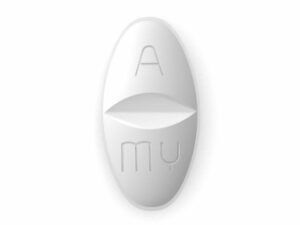
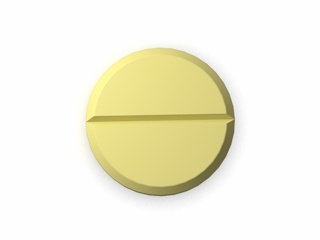
How it’s supplied: Available as oral tablets in various strengths depending on the product and supply. Always check the strength on your pack.
Who it’s for: Adults and, in some cases, children under medical supervision depending on the indication and local prescribing practices.
How Esidrix works (mechanism of action)
Hydrochlorothiazide works primarily in the kidneys, in a segment called the distal convoluted tubule. It reduces reabsorption of sodium and chloride, leading to increased excretion of salt and water in the urine.
This effect also contributes to lowering blood pressure. In addition, thiazides may cause long-term changes that reduce resistance in blood vessels.
Over time, the overall lowering of circulating volume and vascular resistance helps manage:
- High blood pressure (hypertension)
- Fluid retention (oedema) in conditions where diuresis is helpful
Pharmacokinetics (how your body handles it)
Understanding pharmacokinetics can help you anticipate when effects begin and why it’s usually taken at consistent times.
- Absorption: Hydrochlorothiazide is absorbed after oral dosing.
- Time to peak effect: Blood levels typically rise within a few hours after taking a dose.
- Onset of diuretic effect: Increased urination commonly begins within a short time after dosing.
- Duration: Effects generally last for several hours, but blood pressure benefit continues beyond the immediate diuretic period.
- Distribution & metabolism: Hydrochlorothiazide distributes into body tissues and is not extensively metabolised.
- Elimination: The medicine is mostly excreted unchanged by the kidneys.
Because hydrochlorothiazide is cleared by the kidneys, people with impaired kidney function may require closer monitoring and dose adjustments.
Typical uses and indications
Esidrix is used for a range of conditions where diuresis and/or blood pressure lowering is beneficial. Indications may vary depending on clinical assessment and local practice.
Common indications include:
- Hypertension (high blood pressure) – often as part of a treatment plan that may include other antihypertensive medicines
- Oedema (swelling) due to fluid retention associated with selected medical conditions
- Sometimes used in combination therapy with other medicines to improve blood pressure control
Your doctor/pharmacist will select the most appropriate dosing plan based on your condition, other medicines you take, and your blood test results.
How and when to take Esidrix
Correct timing can reduce unwanted effects like waking at night to urinate. Follow your prescribed directions on the pack or provided by your healthcare professional.
General timing guidance
- Often taken in the morning to minimise nighttime urination.
- Take at the same time each day to keep blood pressure control stable.
- If advised twice daily, doses are commonly spaced (for example, morning and early afternoon) to reduce nocturia.
With or without food
Hydrochlorothiazide can usually be taken with or without food. Consistency is helpful—take it the same way each day.
Missed dose
- If you miss a dose, take it when you remember unless it is near the time of the next dose.
- Do not take a double dose to make up for the missed one.
- If you are unsure, ask a pharmacist for advice.
Dosing (what is typical)
The exact dose varies depending on the indication, response, and blood test results (especially potassium and sodium). Below are general dosing ranges used in clinical practice; always follow the directions on your medication supply.
| Indication | Typical dosing approach (general) | Monitoring |
|---|---|---|
| High blood pressure | Often started at a lower dose and adjusted based on response. Many people take once daily, sometimes in combination with other antihypertensives. | Blood pressure readings; electrolytes (sodium, potassium), kidney function. |
| Oedema (fluid retention) | Dose may be tailored to the fluid response, sometimes requiring adjustments. Timing is important to avoid night-time urination. | Weight, swelling symptoms, electrolytes, kidney function; sometimes more frequent review. |
| Combination therapy | May be used with other blood pressure medicines for improved control, often allowing lower doses of each. | Electrolytes and kidney function depending on the regimen. |
Important: Do not change your dose or stop taking Esidrix without medical advice. Blood pressure and fluid balance can worsen when a diuretic is stopped suddenly.
Food interactions and dietary considerations
Food doesn’t usually “cancel” hydrochlorothiazide, but certain dietary factors can affect how your body balances electrolytes.
Salt (sodium) intake
- Because hydrochlorothiazide helps remove salt, very high salt intake can make blood pressure harder to control.
- Many people are advised to follow a heart-healthy, moderate-salt diet.
Potassium and electrolyte balance
Hydrochlorothiazide may lower potassium levels in some people. Your clinician may advise dietary potassium sources or supplements depending on your blood tests.
Examples of potassium-containing foods (depending on your overall health and kidney function):
- Bananas, oranges, and dried fruits
- Tomatoes and potatoes
- Beans and lentils
- Leafy greens
Note: If you have kidney disease or take medicines that raise potassium, you should not increase potassium intake without professional guidance.
Alcohol and dehydration risk with meals
Heavy drinking can increase dehydration and dizziness, especially if combined with a diuretic. See the alcohol section below for more detail.
Alcohol interactions
Alcohol can increase the risk of dizziness and lower blood pressure further. With diuretics, alcohol may also contribute to dehydration, which can worsen side effects like weakness or light-headedness.
- Limit alcohol where possible.
- Stand up slowly if you feel unsteady.
- If you experience faintness, discuss safer alcohol limits with your pharmacist or doctor.
Medicine interactions (important)
Esidrix can interact with other medicines by affecting electrolytes, kidney function, or blood pressure. Tell your pharmacist about all medicines you use—including over-the-counter products and supplements.
Common interaction themes
- Electrolyte changes: risk of low potassium or sodium depending on what else you take.
- Kidney effects: certain combinations can affect kidney function.
- Blood pressure effects: additive lowering may occur.
Examples of medicines that may interact
- Lithium: diuretics can increase lithium levels and toxicity risk.
- NSAIDs (e.g., ibuprofen, naproxen): may reduce diuretic/blood pressure effects and can stress kidneys in some people.
- Digoxin: low potassium can increase risk of digoxin-related rhythm problems.
- Corticosteroids (e.g., prednisone): can increase potassium loss.
- Other diuretics or blood pressure medicines: can enhance diuretic/low blood pressure effects.
- Diabetes medicines: may require monitoring; blood sugar control can change in some individuals.
- Medicines affecting potassium (including some supplements): electrolyte balance must be monitored.
- Antiarrhythmics: electrolyte disturbances can increase risk of abnormal heart rhythms.
This list isn’t exhaustive. Your pharmacist can help check interactions based on your medication list.
Safety profile and side effects
Most people tolerate hydrochlorothiazide well, but it’s important to be aware of potential side effects—especially those related to electrolytes and dehydration.
Common side effects
- Increased urination shortly after starting or after dose changes
- Thirst and mild dehydration
- Dizziness or light-headedness, particularly when standing up
- Headache
- Muscle cramps (may relate to potassium changes)
- Fatigue
Less common but important risks
- Low potassium (hypokalaemia): may cause weakness, cramps, or rhythm problems
- Low sodium (hyponatraemia): may cause confusion, severe headache, or unusual drowsiness
- High uric acid: can trigger or worsen gout
- Increased blood sugar: may affect people with diabetes
- Increased sensitivity to sunlight: sunburn risk
- Changes in kidney function: especially if dehydrated or during illness
Seek urgent medical help if you experience
- Fainting, severe dizziness, or inability to stand
- Severe weakness, palpitations, or chest discomfort
- Signs of dehydration (very dry mouth, minimal urination, confusion)
- Allergic symptoms (swelling of face/lips, rash, breathing difficulty)
- Severe muscle cramps with abnormal sensations
Practical use tips (daily living guidance)
- Take it in the morning unless advised otherwise, to reduce nighttime trips to the toilet.
- Stay hydrated—but do not overdrink excessively. Aim for fluids appropriate to your health and activity level.
- Monitor for dizziness, especially after the first dose or dose increases.
- Consider regular blood tests if you’re on long-term therapy or taking other interacting medicines.
- Be careful during heat or exercise: increased sweating plus diuresis can raise dehydration risk.
- Use sun protection (hat, sunscreen, protective clothing) if you notice higher sun sensitivity.
- Track swelling and weight if you’re using it for fluid retention—sudden changes should be discussed with your clinician.
Alcohol, dehydration, and “sick day” guidance
When you’re unwell—especially with vomiting or diarrhoea—your body may be more prone to dehydration and electrolyte imbalance. Diuretics can make this worse in some situations.
- If you are vomiting or unable to maintain fluid intake, contact your pharmacist or doctor for advice.
- A “sick day plan” can help decide whether to continue or temporarily hold certain medicines.
- Do not stop Esidrix on your own unless advised.
Recent guidance and monitoring considerations (Australia)
In Australia, diuretics like hydrochlorothiazide are commonly used for hypertension and selected causes of oedema. Ongoing care typically includes:
- Regular blood pressure checks to confirm benefit
- Electrolyte monitoring (sodium and potassium) and kidney function tests, particularly after dose changes or in people at higher risk (older age, kidney issues, multiple medications)
- Review of medicines for interactions, including NSAIDs and lithium
- Assessment for gout history and diabetes status if relevant
Guidance may vary by individual health status and local clinical practice. Your healthcare team can provide personalised advice.
Alternative options to consider
There are several alternatives to Esidrix (hydrochlorothiazide) depending on why you’re taking it and your medical history. Options may include other thiazide-type diuretics, loop diuretics, or different classes of blood pressure medicines.
Possible alternatives (examples)
- Other thiazide diuretics (thiazide-like medicines) used for hypertension
- Loop diuretics (for more significant fluid overload in some conditions)
- ACE inhibitors, ARBs, and calcium-channel blockers for hypertension (often used alone or in combination)
- Potassium-sparing diuretics in selected cases to reduce potassium loss (depending on risk and kidney function)
The best alternative depends on your target blood pressure, kidney function, electrolyte levels, and other medicines. A pharmacist can help discuss typical options and what to ask your clinician about.
Market and legal context for Australia (what to know)
In Australia, medicines are regulated under the Therapeutic Goods framework. Availability, brand names, and classification (including whether a medicine is prescription-only in some cases) are determined by the regulator and changes over time.
If you are purchasing Esidrix through an online pharmacy, you should ensure:
- Your order matches the strength and form you need.
- You provide any required details during checkout (for example, medication history or healthcare screening where applicable).
- You understand the dosing instructions you received from your healthcare professional or as indicated on your product information.
Always read the leaflet included with your medicine supply and follow local advice from healthcare professionals.
Delivery and availability
Availability may vary by strength and manufacturer supply at the time of ordering. Many online pharmacies in Australia offer delivery to residential addresses and some regional areas, subject to local service coverage and courier schedules.
- Dispatch times: depend on stock and ordering day/cut-off times.
- Packaging: medicines are typically shipped in secure pharmaceutical packaging.
- Tracking: many orders include tracking or delivery confirmation.
- Cold chain: hydrochlorothiazide tablets usually do not require refrigeration, but follow pack instructions.
If you need urgent supply or have accessibility concerns, contact the pharmacy’s support team before placing an order.
How to store Esidrix
- Store tablets according to the instructions on the pack.
- Keep out of sight and reach of children.
- Protect from moisture and avoid excessive heat.
- Do not use after the expiry date printed on the pack.
FAQ about Esidrix (Hydrochlorothiazide)
1) What does Esidrix do?
Esidrix (hydrochlorothiazide) is a thiazide diuretic. It helps your kidneys remove excess salt and water, which can lower blood pressure and reduce fluid retention in certain conditions.
2) When will I notice it working?
You may notice increased urination within hours of taking it. Blood pressure improvements develop over time. If you don’t feel any immediate change, that doesn’t mean it isn’t working—many people experience gradual benefits.
3) Should I take it with food?
Usually, hydrochlorothiazide can be taken with or without food. Taking it at a consistent time each day is often more important than whether you take it with meals.
4) Can Esidrix cause low potassium?
Yes. Hydrochlorothiazide can lower potassium in some people. Your healthcare team may monitor electrolytes and may recommend dietary adjustments or supplements if appropriate.
5) What are warning signs that I may be getting too dehydrated?
Signs can include significant dizziness, fainting, very dry mouth, severe weakness, confusion, or noticeably reduced urination—especially during hot weather or illness. Seek urgent help if symptoms are severe.
6) Can I drink alcohol while taking Esidrix?
Alcohol may increase dizziness and dehydration risk. If you choose to drink, do so in moderation and be cautious about standing up quickly or feeling light-headed.
7) Are there medicines I should avoid?
Some medicines can interact with hydrochlorothiazide—particularly lithium, certain pain medicines (NSAIDs), and medicines that affect potassium. Always check with your pharmacist and provide your full medication list.
8) Does Esidrix affect sun sensitivity?
It can. Some people become more sensitive to sunlight while on thiazide diuretics. Use sunscreen and protective clothing when outdoors.
9) Can it worsen gout?
It can. By increasing uric acid levels, hydrochlorothiazide may trigger gout in people susceptible to it. If you have gout, discuss prevention strategies with your clinician.
10) What should I do if I miss a dose?
Take it when you remember unless it’s close to the next dose. Don’t take a double dose. If unsure, ask a pharmacist.
Summary
Esidrix (hydrochlorothiazide) is a thiazide diuretic used in Australia to help control high blood pressure and, in selected cases, fluid retention. It works by increasing the kidney’s excretion of salt and water. Many people can take it safely when they follow dosing instructions and attend regular monitoring as advised.
If you have concerns about side effects, interactions, or whether it’s suitable for your situation—especially if you have kidney problems, diabetes, gout, or take multiple medicines—speak with a pharmacist for tailored guidance.