Altace (Ramipril) — Patient Guide (Australia)
Altace is a brand of ramipril, a medicine used to treat certain cardiovascular conditions and help protect the heart and kidneys. This guide explains how Altace works, when it’s typically taken, interactions to watch for, and practical tips for safe use.
Always follow your doctor’s directions and read the consumer medicine information (CMI) provided with your medicine. If you have questions about your condition or medicines, talk to a pharmacist or healthcare professional.
Key Product Information
- Brand: Altace
- Generic name: Ramipril
- Medicine type: ACE inhibitor (Angiotensin-Converting Enzyme inhibitor)
- Uses: Heart and blood vessel protection, blood pressure control, and kidney protection in selected patients
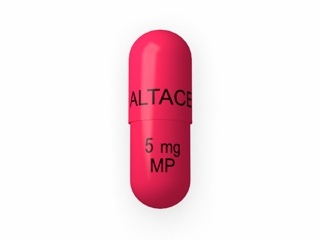
- Available strengths (commonly marketed): Tablets in multiple strengths (e.g., 1.25 mg, 2.5 mg, 5 mg, 10 mg)
- How it works: Lowers blood pressure and reduces harmful strain on the heart and blood vessels
What Is Altace Used For? (Indications)
Altace is used in adults for cardiovascular and related kidney benefits. Common approved/typical indications include:
- High blood pressure (hypertension): To lower blood pressure and reduce risk of cardiovascular complications.
- Heart failure: Especially in patients with reduced heart function, to improve outcomes and reduce symptoms.
- After a heart attack (myocardial infarction) in selected patients: To improve long-term cardiovascular outcomes.
- High cardiovascular risk: For patients with established cardiovascular disease or diabetes with additional risk factors, to reduce the risk of major cardiovascular events.
- Kidney protection: In selected people with certain kidney disease patterns, particularly where renin-angiotensin-aldosterone system (RAAS) involvement is relevant.
Exact eligibility depends on your medical history, test results (e.g., kidney function and potassium levels), and clinician assessment.
How Altace Works (Mechanism of Action)
Ramipril belongs to a class of medicines called ACE inhibitors. The RAAS (renin–angiotensin–aldosterone system) is involved in regulating blood pressure, fluid balance, and blood vessel tone.
ACE inhibitors reduce the formation and/or effects of angiotensin II, a hormone that normally:
- Constricts blood vessels
- Increases blood pressure
- Promotes fluid retention through aldosterone
- Can contribute to harmful remodelling in the heart and kidneys over time
By blocking ACE, Altace helps relax blood vessels, lower blood pressure, reduce cardiac workload, and can provide protective effects in certain heart and kidney conditions.
Pharmacokinetics (How the Body Processes Ramipril)
“Pharmacokinetics” describes how a medicine is absorbed, distributed, metabolised, and eliminated. While individual responses vary, the following is a helpful general overview.
| Stage | What typically happens with ramipril |
|---|---|
| Absorption | Ramipril is absorbed from the gastrointestinal tract after taking a tablet. Peak effects occur over time after dosing. |
| Activation (metabolism) | Ramipril is converted in the body to an active metabolite (commonly referred to as ramiprilat), which provides much of the ACE inhibition. |
| Distribution | The active metabolite distributes into tissues where ACE activity contributes to blood pressure and organ stress. |
| Elimination | Active components are eliminated primarily via the kidneys. Dose may need adjustment in reduced kidney function. |
| Onset and duration | Blood pressure reduction is often noticeable within days, with full benefit developing over weeks. Duration supports once-daily use in many patients. |
Your clinician may monitor blood pressure, kidney function (e.g., serum creatinine/eGFR), and potassium levels—especially during the early stages of therapy or dose changes.
Typical Use and Timing
When to take Altace
Altace is commonly taken . Many patients are advised to take it at the same time each day for consistent effect. Some people are prescribed morning dosing or evening dosing depending on blood pressure patterns and tolerability (e.g., dizziness).
With or without food
Altace can generally be taken with or without food. However, individual instructions should be followed. If food affects your comfort or side effects, choose a routine that you can maintain consistently.
If you miss a dose
If you miss a dose, take it when you remember on the same day. If it is close to your next scheduled dose, skip the missed dose and resume your normal schedule. Do not double up unless your pharmacist or doctor tells you to.
Food Interactions and Practical Eating Tips
Food interactions with ramipril are usually less pronounced than with some other medicines. In general:
- Most people can take Altace with or without food.
- Consistency matters: taking it the same way each day can help minimise variability in how you feel.
- Hydration: dehydration (for example due to vomiting, diarrhoea, or very low fluid intake) can increase the risk of kidney-related side effects and low blood pressure with ACE inhibitors.
If you have special dietary instructions (e.g., for kidney disease), follow those in addition to your medicine plan.
Alcohol Interactions
Alcohol may increase blood pressure-lowering effects and can worsen dizziness or light-headedness, especially when starting Altace or after a dose increase. It may also increase dehydration risk.
- Use caution: consider limiting alcohol, particularly during the first weeks of therapy.
- Watch for symptoms: faintness, dizziness when standing, or unusual fatigue.
- Do not change abruptly: maintain a steady approach if you already drink alcohol regularly; abrupt changes can affect blood pressure.
If you’re unsure about safe alcohol amounts for your specific condition, ask your pharmacist or doctor.
Medicine Interactions (Important)
Altace can interact with other medicines, supplements, and certain treatments. Some interactions may be serious, so it’s important to provide your pharmacist with a full list of everything you take.
Common interaction categories
- Potassium supplements and potassium-containing salt substitutes: ACE inhibitors can raise potassium levels. Combining with potassium supplements can increase the risk of hyperkalaemia.
- Diuretics (especially “potassium-sparing” types): Can affect kidney function and potassium. Some combinations require closer monitoring.
- Other blood pressure medicines: May increase the chance of low blood pressure, particularly during dose changes.
- NSAIDs (e.g., ibuprofen, naproxen, diclofenac): Regular or high-dose NSAID use can reduce kidney protection and increase risk of kidney injury when combined with ACE inhibitors, particularly in people who are dehydrated or have pre-existing kidney disease.
- Other RAAS medicines: Combining ACE inhibitors with certain other RAAS agents (e.g., some ARBs or direct renin inhibitors) may increase adverse effects. Clinicians generally avoid or limit certain combinations.
- Medicines affecting blood glucose: ACE inhibitors may influence insulin sensitivity and blood sugar levels in some people. If you have diabetes and take glucose-lowering medicines, monitor for changes as advised.
- Lithium: ACE inhibitors can increase lithium levels and toxicity risk. Monitoring may be required.
Herbal and over-the-counter considerations
- Herbal products: Some may affect blood pressure, kidney function, or fluid balance. Bring a list of supplements to your pharmacist.
- Decongestants and “cold and flu” products: Some contain ingredients that can raise blood pressure. Check labels and ask your pharmacist.
Dosing Information (General Guidance)
Dosing is individualised based on your diagnosis, blood pressure, kidney function, and potassium levels. The information below is general and does not replace clinician instructions.
Starting and adjusting dose
Altace is often started at a low dose, then gradually increased if tolerated. This “start low, go slow” approach helps reduce the risk of early side effects such as low blood pressure or kidney-related changes.
Typical dosing pattern (once daily)
In many treatment plans, ramipril is taken once daily. Your doctor determines the strength and schedule. Dose adjustments may occur at intervals (often every 1–2 weeks) depending on response and blood test results.
| Condition (examples) | Typical approach (general) |
|---|---|
| High blood pressure | Start at a low dose; reassess blood pressure and tolerability; adjust gradually toward a target. |
| Heart failure | Start low and monitor closely due to risk of low blood pressure and kidney changes; titrate gradually. |
| Post-heart attack / high risk | Used to reduce cardiovascular risk; dose is titrated based on tolerance and clinical monitoring. |
| Kidney protection (selected patients) | Requires careful kidney and potassium monitoring; titration may be adjusted to your results. |
Do not change your dose or stop Altace suddenly without professional advice, even if you feel well. If you have adverse effects, seek advice—dose adjustments may solve the problem safely.
Safety Profile: What to Expect and When to Get Help
Common side effects
- Dry cough (a classic ACE inhibitor effect). It may take weeks to appear and usually persists while on therapy.
- Dizziness or light-headedness, especially when standing up quickly (may be more likely at the start or after dose increases).
- Headache or feeling tired.
- Nausea or mild stomach discomfort.
Less common but important risks
- High potassium (hyperkalaemia): may not cause symptoms at first. Monitoring blood tests helps detect it early.
- Kidney function changes: kidney tests (e.g., creatinine/eGFR) are typically checked after starting and after dose changes.
- Low blood pressure (hypotension): can cause fainting or worsening dizziness. Risk is higher with dehydration, diuretics, or high starting doses.
- Angioedema (swelling): a rare but serious reaction involving swelling of the face, lips, tongue, throat, or difficulty breathing. This requires urgent emergency care.
- Allergic reactions: rash, itching, or other hypersensitivity symptoms.
Seek urgent help if you have
- Swelling of face, lips, tongue, or throat
- Difficulty breathing or swallowing
- Severe dizziness, fainting
- Signs of a serious allergic reaction (e.g., widespread hives)
Practical Use Tips (How to Take Altace Safely)
- Monitor blood pressure: especially if you’re adjusting dose or if you feel dizzy.
- Follow blood test schedules: your clinician may check kidney function and potassium shortly after starting and after dose changes.
- Stand up slowly: reduce dizziness risk. Move gradually from lying/sitting to standing.
- Stay hydrated (unless you’re on fluid restriction): dehydration can increase risk of kidney injury and low blood pressure.
- Tell healthcare providers: ensure dentists, surgeons, and other clinicians know you take Altace, especially before anaesthesia or procedures.
- Be cautious with “sick day” situations: if you’re vomiting or have severe diarrhoea, consult your clinician for advice on whether you should temporarily pause certain medicines to reduce kidney strain. (Do not stop on your own without guidance.)
- Don’t use salt substitutes blindly: many contain potassium. Ask first.
Alternatives to Altace (Other Options)
If Altace isn’t suitable (e.g., due to side effects like persistent cough or specific lab abnormalities), your clinician may consider alternatives.
Possible medication alternatives
- Other ACE inhibitors: different drugs in the same class may be considered, depending on your tolerance.
- ARBs (Angiotensin II Receptor Blockers): Often used when ACE inhibitors cause troublesome cough or when ACE inhibitors are not appropriate. Examples include medications in the ARB class (your pharmacist can discuss options).
- Other blood pressure or heart failure medicines: depending on your condition, clinicians may use beta-blockers, diuretics, calcium channel blockers, or other targeted therapies.
The “best” alternative depends on why you’re taking ramipril, your kidney function, potassium level, and your overall health profile.
Market and Legal Context in Australia
In Australia, medicines like Altace (ramipril) are regulated under the national medicines framework and are dispensed via appropriate channels. Availability can vary by supply arrangements, strength, and brand listing.
Patients are encouraged to purchase from reputable sources and ensure the product matches the registered strength and presentation. If you have any doubt about the authenticity or packaging of a medicine, do not use it—seek advice from a pharmacist.
Clinicians commonly rely on locally issued product information and guidance, including updates to recommended monitoring and safety communications.
Recent Guidance and Safety Monitoring (What to Watch For)
While individual recommendations can change, the general clinical approach for ACE inhibitors remains focused on:
- Renal function monitoring: checking kidney function (creatinine/eGFR) after starting and during titration.
- Potassium monitoring: watching for hyperkalaemia.
- Blood pressure monitoring: reducing risk of hypotension and dizziness.
- Managing ACE inhibitor cough: assessing whether cough is ACE-related and considering switching if persistent and burdensome.
- Recognising angioedema: educating patients to seek immediate emergency care if facial/throat swelling occurs.
For the most up-to-date safety advice, refer to official Australian medicines information resources or ask your pharmacist.
Delivery and Availability (Online Pharmacy Considerations in Australia)
Availability of Altace may vary by tablet strength and current market supply. When ordering online, it’s typically recommended to:
- Confirm the strength (mg) and tablet count match your treatment plan.
- Check expiry dates and packaging details when the parcel arrives.
- Use secure delivery options if available (to reduce missed deliveries).
- Plan ahead to avoid running out, especially if you take a daily medicine.
Delivery times depend on the pharmacy, location, and courier networks. If you need the medicine urgently, contact customer support to confirm dispatch and delivery estimates.
How to Store Altace
- Keep tablets in the original packaging to protect from moisture and maintain identification.
- Store below 25°C unless the label/CMI states otherwise.
- Keep out of reach of children.
- Check expiry date before use; do not use expired medicines.
FAQ — Frequently Asked Questions
1) How soon will Altace start working?
Many people notice blood pressure improvement within days, but full long-term benefits (especially for heart and kidney protection) usually develop over weeks. Your clinician will guide follow-up monitoring and dose adjustments.
2) Why do I need blood tests after starting Altace?
ACE inhibitors can affect kidney function and potassium levels. Early blood tests help ensure the medicine remains safe for you, especially during dose increases.
3) Is Altace safe for everyone?
Not necessarily. People with certain medical conditions (e.g., history of ACE inhibitor angioedema, significant kidney impairment, abnormal potassium levels, or particular other medication combinations) may require extra caution or alternative treatment. A clinician should assess suitability.
4) What if I develop a dry cough?
A dry, persistent cough is a known ACE inhibitor side effect. If it becomes bothersome, contact a pharmacist or doctor. In many cases, switching to an ARB may be considered.
5) Can I take pain relief like ibuprofen with Altace?
Occasional NSAID use may be tolerated by some people, but regular or high-dose NSAIDs can increase kidney risk and may affect blood pressure control. Ask your pharmacist for guidance based on your kidney function and other medicines.
6) Can I use salt substitutes?
Many salt substitutes contain potassium. Because Altace can raise potassium levels, it’s best to avoid potassium-containing substitutes unless your pharmacist confirms it’s appropriate.
7) What should I do if I feel dizzy after taking Altace?
If you feel dizzy, sit or lie down and rise slowly. Dizziness can be more likely after the first dose or following dose increases. Contact your healthcare provider—dose adjustment or timing changes may be possible.
8) Are there any dietary restrictions?
There are no universal dietary restrictions for ramipril, but if you have kidney disease or high potassium, your clinician may recommend limitations on potassium-containing foods or supplements.
9) Can I take Altace with other blood pressure medicines?
Sometimes, yes—especially if blood pressure is not controlled on one medicine. However, combining therapies increases the need for careful monitoring to avoid low blood pressure and kidney-related side effects.
10) What should I do in “sick day” situations?
If you have severe vomiting, diarrhoea, fever with dehydration, or are unable to drink normally, ACE inhibitors can sometimes increase kidney strain. Seek prompt advice from a clinician or pharmacist for “sick day” guidance relevant to your medicines.
Summary
Altace (ramipril) is an ACE inhibitor used to manage high blood pressure and provide important protective benefits for the heart and kidneys in selected patients. It works by reducing the RAAS effects that constrict blood vessels and can strain organs. The medicine is typically taken once daily, with dosing individualised and adjusted through monitoring of blood pressure, kidney function, and potassium levels.
If you experience severe dizziness, swelling of the face/throat, breathing difficulties, or persistent troublesome cough, seek medical advice promptly.