Atacand (Candesartan) – Patient Information (Australia)
Atacand is a brand of candesartan, a medicine used to treat certain heart and blood pressure conditions. This guide explains how Atacand works, how it’s taken, and what to expect—written in clear, patient-friendly language for people in Australia.
Note: Always follow the advice provided by your healthcare professional and the instructions on your medicine label. If anything is unclear, ask your pharmacist.
Quick Overview
- Active ingredient: Candesartan
- Medicine type: Angiotensin II receptor blocker (ARB)
- Common uses: High blood pressure and certain heart conditions
- Typical dosing frequency: Once daily (many people)
- Common side effects: Dizziness, headache, tiredness, high potassium, changes in kidney function
- Key safety notes: Blood pressure monitoring, kidney function and potassium checks, caution in pregnancy
Basic Product Information
Atacand contains the active ingredient candesartan, which belongs to a group called angiotensin II receptor blockers (ARBs). ARBs help relax blood vessels and reduce strain on the heart.
Atacand products are available in multiple strengths depending on the formulation (commonly tablets). Your pharmacist can confirm the exact strength you have.
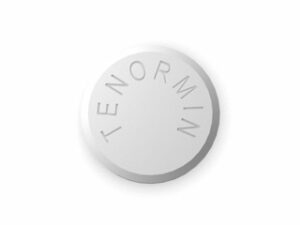
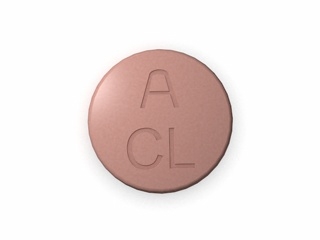
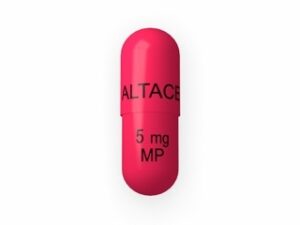
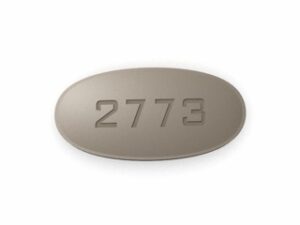
What it looks like
Tablet appearance (colour/shape) depends on the strength. Check the pack you receive or speak with your pharmacist for identification guidance.
How Atacand Works (Mechanism of Action)
Atacand blocks the action of a hormone called angiotensin II at specific receptor sites (AT1 receptors). This leads to:
- Blood vessel relaxation: Less resistance in the arteries lowers blood pressure.
- Reduced workload on the heart: Helps the heart pump more efficiently, especially in certain heart failure situations.
- Lower stress signals: Angiotensin II contributes to tightening of vessels and hormonal changes that can worsen heart strain.
Because Atacand is an ARB, it does not typically cause the “cough” associated with another class (ACE inhibitors). However, side effects can still occur.
Pharmacokinetics (How the Body Handles the Medicine)
Pharmacokinetics describes how the medicine is absorbed, distributed, metabolised, and eliminated.
Absorption and peak effect
- After oral dosing, candesartan is absorbed through the digestive tract.
- Peak blood levels typically occur within a few hours after taking a dose.
Distribution
- Candesartan distributes through body tissues; it is partly bound to plasma proteins.
Metabolism
- Candesartan undergoes limited metabolism compared with some medicines.
Elimination
- It is removed from the body via kidneys and through bile/feces pathways.
- Its elimination half-life supports once-daily dosing for many patients.
Special populations
- Kidney impairment: Kidney function may influence overall exposure; regular blood tests are important.
- Liver impairment: Candesartan may be handled differently; clinicians may adjust dose in some situations.
Typical Use in Australia
In Australia, Atacand is commonly used for:
- Hypertension (high blood pressure): To lower blood pressure and reduce cardiovascular risk.
- Heart failure: To help improve outcomes in specific types of heart failure (as recommended by clinical guidelines).
- Other cardiology indications: Depending on individual circumstances and local guideline recommendations.
Your clinician may choose Atacand as a first-line or alternative therapy depending on your medical history, blood test results, and tolerance of other medicines.
Indications (What It’s Used For)
Atacand is indicated for conditions where blocking angiotensin II receptors provides benefit. Common indications include:
- Essential hypertension: Lowering high blood pressure in adults.
- Heart failure: In selected adults who have symptoms of heart failure, typically when an ARB is considered appropriate.
Important: Indications and eligibility can vary by product registration status and clinical guidance. Your healthcare professional will confirm the right use for your case.
Dosing: How Much and How Often
Because doses depend on your condition, kidney function, and other medicines, always use the dose prescribed for you and do not adjust it without medical advice.
General dosing principles
- Once daily: Many people take candesartan once per day.
- Start low, adjust gradually: Dose may be increased over time to reach target blood pressure or symptom control.
- Consistency matters: Taking it at the same time each day can support adherence.
Typical dose ranges (for guidance)
Actual doses vary by product strength and your clinical plan. Common adult dosing ranges for candesartan in practice may include:
- Starting doses may be lower in people with kidney impairment or risk factors for low blood pressure.
- Some patients require dose adjustments based on blood pressure response and blood tests.
Table below is for educational orientation only and does not replace individual prescribing instructions.
| Condition (general) | Typical dosing approach | How clinicians monitor |
|---|---|---|
| Hypertension | Often once daily; dose adjusted based on blood pressure targets | Blood pressure checks; kidney function and potassium tests |
| Heart failure | Once daily; titrated based on tolerance, blood pressure, and symptoms | Blood pressure, symptoms, kidney function, potassium |
Missed dose
- If you miss a dose, take it as soon as you remember on the same day.
- If it’s close to your next dose, skip the missed dose and continue with the regular schedule.
- Do not take two doses at once to make up for a missed dose.
Stopping Atacand
Do not stop Atacand suddenly without medical advice. Stopping may worsen blood pressure or heart-related symptoms in some people.
Timing: When to Take It
- Any time of day: Atacand can generally be taken at the same time each day to help you remember.
- Morning or evening: Choose a time that fits your routine. Some people prefer morning; others prefer evening depending on side effects (such as dizziness).
- With or without food: Food does not usually prevent Atacand from working, but see the “Food interactions” section for details.
If you’re new to Atacand and feel light-headed, rising slowly from sitting/lying can help, and you may consider discussing the timing with your pharmacist or doctor.
Food Interactions
In general, Atacand can be taken with or without food. Food is unlikely to significantly alter the medicine’s effectiveness for most people.
However, for best consistency:
- Try to take it the same way each day (with or without food).
- Maintain steady intake of fluids and follow your healthcare team’s advice, especially if you have kidney-related concerns or fluid restrictions.
Alcohol Interactions
Drinking alcohol can increase the chance of dizziness or a drop in blood pressure, especially when starting Atacand or after dose increases.
- Moderation is important.
- Avoid alcohol if you notice you feel faint or unusually unsteady.
- If you have heart failure or are prone to low blood pressure, discuss safe alcohol limits with your healthcare professional.
Medicine Interactions (Important Safety Considerations)
Atacand can interact with other medicines and supplements. Some combinations may increase the risk of kidney issues or high potassium. Tell your pharmacist about:
- All medicines you take (including non-prescription products)
- Herbal supplements (e.g., licorice root)
- Salt substitutes or potassium-containing products
Common interaction categories
- Other medicines affecting the renin–angiotensin system: Combining ARBs with ACE inhibitors or direct renin inhibitors can increase risk of kidney problems and high potassium. Use only when specifically recommended.
- Potassium supplements and salt substitutes: Can raise potassium levels, potentially causing dangerous heart rhythm effects.
- Diuretics (“water tablets”): Some diuretics can alter kidney function and potassium levels. Your clinician may monitor closely.
- Non-steroidal anti-inflammatory drugs (NSAIDs): Examples include ibuprofen and naproxen. NSAIDs can reduce blood flow to the kidneys and may increase kidney risk—especially with dehydration, older age, or existing kidney disease.
- Lithium: Atacand may affect lithium levels; this combination requires close monitoring if used.
- Other blood pressure-lowering medicines: May add to the blood pressure-lowering effect and increase dizziness or low blood pressure.
When to seek urgent help
Contact emergency services or seek urgent medical care if you experience symptoms such as:
- Fainting, severe dizziness, or inability to stand safely
- Swelling of face/lips, trouble breathing (possible allergic reaction)
- Severe weakness, slow/irregular heartbeat (possible potassium-related issue)
Safety Profile: What to Watch For
Like all medicines, Atacand can cause side effects. Many people tolerate candesartan well, but it’s important to be aware of potential risks.
Common side effects
- Dizziness or light-headedness
- Headache
- Tiredness
- Low blood pressure symptoms (especially after starting or dose changes)
Less common but important effects
- High potassium (hyperkalaemia): May not cause symptoms immediately, but can be detected on blood tests.
- Changes in kidney function: Especially in people with pre-existing kidney disease, dehydration, or those taking certain medicines (e.g., NSAIDs).
- Elevated creatinine: A lab marker related to kidney function that may change after starting an ARB.
Serious warnings
- Pregnancy: ARBs are generally not recommended in pregnancy due to risks to the developing baby. If you become pregnant or plan pregnancy, seek medical advice promptly.
- Kidney artery issues or severe kidney impairment: Close monitoring may be needed.
- Dehydration: Vomiting/diarrhoea or poor fluid intake can increase kidney risk; contact your healthcare professional if you become unwell.
Who needs extra monitoring?
- People with known kidney disease
- People taking diuretics or potassium supplements
- Older adults, and those prone to low blood pressure
- People taking NSAIDs frequently
Practical Use Tips (Getting the Best Results)
- Check your blood pressure: If your clinician recommends home monitoring, measure at consistent times and record results.
- Attend blood tests: Kidney function and potassium levels may need periodic monitoring, especially after starting or changing dose.
- Stay hydrated: Unless you’ve been advised to restrict fluids due to heart failure. Dehydration increases the risk of dizziness and kidney strain.
- Stand up slowly: If you feel light-headed, rise slowly from sitting or lying down.
- Keep a medication list: Include all prescriptions, OTC products, and supplements for safe interaction checks.
- Use a reminder: A daily alarm or medication organiser can improve adherence.
- Don’t double up: If you miss a dose, follow the missed-dose guidance rather than taking extra.
When Will You Feel the Effect?
Blood pressure medicines may take time to show their full effect.
- Early changes: Some blood pressure lowering can occur within hours of a dose.
- Full effect: The optimal response may take days to a few weeks as your body adjusts and the dose is fine-tuned.
Even if you feel well, continue taking Atacand as directed. Hypertension often has no symptoms.
Alternative Options
If Atacand isn’t suitable (e.g., side effects, interactions, or inadequate response), clinicians may consider other options depending on your condition. Alternatives may include:
- Other ARBs: Similar medicines in the same class
- ACE inhibitors: Another class for blood pressure and heart conditions (may cause cough in some people)
- Calcium channel blockers (e.g., amlodipine)
- Thiazide-like diuretics (e.g., indapamide)
- Beta blockers (in selected heart conditions)
Your healthcare professional can recommend the best alternative based on your blood pressure, kidney function, potassium levels, and other medical conditions.
Market and Legal Context for Australia
In Australia, medicines are regulated through the Therapeutic Goods Administration (TGA) and are distributed in line with applicable state and national requirements. Availability and prescribing requirements depend on the specific product and regulatory classification.
For online pharmacy services, legitimate supply should follow Australian laws regarding:
- Customer identity and eligibility checks
- Appropriate medication counselling
- Storage and transport standards
- Safety screening for interactions and risk factors
Always use approved sources for Australian supply to reduce the risk of counterfeit or incorrectly stored medicines.
Recent Guidance and Updates (What to Consider)
Clinical practice and safety guidance for blood pressure and heart medicines evolves over time. When using Atacand, it’s especially important to stay up to date with:
- Monitoring recommendations for kidney function and potassium, particularly after initiation or dose changes.
- “Sick day” management advice for people at risk of kidney complications (for example, advice on what to do if you have vomiting or diarrhoea).
- Pregnancy precautions for ARBs.
Your pharmacist can also share general safety guidance commonly used in Australia, including how to respond to illness and which symptoms should prompt immediate medical review.
Delivery and Availability
Atacand may be supplied through Australian pharmacies, including online services that deliver to eligible metro, regional, and remote areas (delivery availability can vary).
Availability
- Stock can vary by strength and tablet count.
- Some pharmacy services may offer alternative strengths or equivalent products depending on supply.
Delivery considerations
- Medicines are typically dispatched with temperature and packaging protections as required.
- Delivery times vary based on location and courier service.
- Allow extra time during public holidays and peak demand periods.
When ordering online, ensure your delivery address is correct and that someone can receive the parcel if required.
FAQ
1. Is Atacand the same as candesartan?
Atacand is a brand name that contains candesartan, the active medicine. Different brands may contain the same active ingredient, but the brand name and tablet appearance may differ.
2. Can I take Atacand with food?
Yes. Atacand can generally be taken with or without food. For best consistency, take it the same way each day.
3. What should I do if I feel dizzy after starting Atacand?
Dizziness can happen, particularly at the beginning of treatment or after increasing the dose. Rise slowly from sitting or lying positions, avoid alcohol, and contact your healthcare professional if dizziness is severe, persistent, or affects your ability to function. You may need monitoring of blood pressure and blood tests.
4. Will Atacand raise my potassium?
It can. ARBs like candesartan may increase potassium levels in some people. Blood tests are often used to monitor potassium and kidney function, especially after dose changes or in people with higher risk.
5. Can I take ibuprofen or other pain relief while on Atacand?
Occasional NSAID use may be possible, but regular or high-dose NSAID use can increase kidney risk when combined with ARBs—especially if you are dehydrated or have existing kidney disease. Discuss your specific situation with your pharmacist or doctor, and use NSAIDs only as advised.
6. Are there diet restrictions?
There’s usually no strict diet requirement, but be cautious with potassium-containing salt substitutes unless your clinician has approved them. If you have kidney disease or high potassium previously, follow the diet advice provided by your healthcare team.
7. How quickly does Atacand start working?
Some effect on blood pressure can begin within hours, but full benefit may take days to weeks. Continue taking it consistently and attend monitoring appointments.
8. Can I drink alcohol?
Alcohol may increase dizziness or contribute to a blood pressure drop. If you choose to drink, keep it moderate and avoid alcohol if you feel faint or unsteady.
9. Is Atacand safe in pregnancy?
ARBs are generally not recommended during pregnancy due to potential risks to the unborn baby. If you become pregnant, or plan pregnancy, seek medical advice urgently to review safe options.
10. What lab tests are commonly monitored?
Clinicians commonly monitor kidney function (e.g., creatinine) and potassium levels after starting treatment and after dose adjustments, especially in higher-risk groups.
11. What if I miss a dose?
Take it when you remember if it’s the same day. If it’s nearly time for your next dose, skip the missed dose and continue as normal. Don’t take a double dose.
Summary
Atacand (candesartan) is an ARB medicine used in Australia to treat high blood pressure and certain heart conditions. By blocking angiotensin II, it helps relax blood vessels and reduce the workload on the heart. Many people take it once daily, and it can be taken with or without food.
Key safety points include monitoring blood pressure, kidney function, and potassium levels, and avoiding use during pregnancy. If you have questions about interactions or side effects—especially if you’re taking diuretics, NSAIDs, potassium supplements, or other blood pressure medicines—speak with your pharmacist for tailored advice.