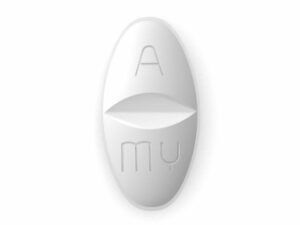
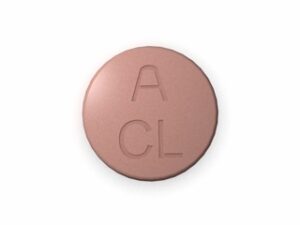

Avapro (Irbesartan) – Patient Information (Australia)
Avapro is a brand of irbesartan, a medicine used to help manage certain conditions related to blood pressure and kidney protection. This page is written to help you understand how Avapro works, how it is commonly used, and what to consider for safe day-to-day use in Australia.
Always follow the advice of your healthcare professional and the instructions on the medicine label.
Quick facts
- Active ingredient: Irbesartan
- Medicine type: Angiotensin II receptor blocker (ARB)
- Common uses: High blood pressure; kidney protection in certain people with diabetes
- How it’s taken: Usually once daily
- Typical onset: Blood pressure may start improving within days; full effect can take several weeks
Basic product information
| Feature | Details |
|---|---|
| Brand name | Avapro |
| Generic name | Irbesartan |
| Drug class | ARB (angiotensin receptor blocker) |
| Common strengths | Typically available in tablet strengths such as 75 mg, 150 mg, and 300 mg (varies by product range) |
| Route | Oral (by mouth) |
| Dosing frequency | Usually once daily |
What is Avapro and what is it used for?
Avapro (irbesartan) helps control blood pressure and reduces strain on the heart and blood vessels. It is also used in selected patients to help protect the kidneys, particularly in people with diabetes.
Indications (typical clinical uses)
In Australia, irbesartan products may be used for:
- Hypertension (high blood pressure): to lower blood pressure and reduce the risk of cardiovascular events.
- Diabetic kidney disease: to slow progression of kidney damage in people with diabetes who have evidence of kidney involvement (e.g., albumin in the urine) as part of an overall treatment plan.
Important: The exact suitability of Avapro depends on your medical history, current test results, and other medicines you take.
How Avapro works (mechanism of action)
Irbesartan belongs to the ARB class. It works by blocking the action of angiotensin II at the angiotensin II type 1 (AT1) receptors.
- Blood vessel relaxation: Angiotensin II normally causes blood vessels to tighten. Blocking its action helps blood vessels relax, lowering blood pressure.
- Reduced workload on the heart: Lower blood pressure reduces strain on the heart and circulation.
- Kidney protection (in appropriate patients): Angiotensin II contributes to kidney damage in some people. ARBs can help reduce harmful pressures and stress within the kidney’s filtering system.
Pharmacokinetics (how the body handles the medicine)
Understanding pharmacokinetics can help explain dosing consistency and why many people take Avapro once daily.
Absorption
- Irbesartan is absorbed after oral administration.
- Food can slightly affect absorption, but this generally does not prevent effective use.
Distribution
- It binds to blood components and distributes through the body; it is designed for sustained blood pressure effects.
Metabolism
- Irbesartan is primarily metabolised in the liver.
- It is cleared via metabolic pathways and the bile.
Elimination (clearance) and half-life
- Irbesartan has a relatively long duration of action, supporting once-daily dosing.
- Its elimination helps maintain effectiveness across the day.
Kidney and liver considerations: Your clinician may adjust care or monitor blood tests depending on your kidney function and overall health.
Typical use and timing
When to take Avapro
- Once daily is common for irbesartan.
- Take it at the same time each day to help build a routine.
- You may choose the time of day that fits your schedule—morning or evening—unless your healthcare professional has recommended otherwise.
What to expect
- Blood pressure changes: may begin within days.
- Full effect: often takes several weeks to fully develop.
- Some people notice reduced symptoms only indirectly (e.g., fewer headache episodes, improved wellbeing), while others feel no obvious change despite improved blood pressure.
Do not stop: Even if you feel well, continue as advised—blood pressure control is an ongoing benefit.
Food interactions
For most people, Avapro can be taken with or without food.
- Absorption may vary slightly with meals, but the overall clinical effect is generally maintained.
- If you find one timing works better for you (e.g., fewer stomach upset concerns), you can keep that routine.
Alcohol and medicine interactions
Alcohol
Alcohol can lower blood pressure and may increase light-headedness, especially when starting or increasing the dose. Drinking alcohol may also affect dehydration risk.
- Use moderation and avoid binge drinking.
- If you feel dizzy or faint after alcohol, discuss this with your healthcare professional.
General interaction considerations
Irbesartan is not usually “dangerous” with alcohol in the way some medications are, but combined effects on blood pressure and hydration can increase side effects like dizziness or falls.
Medicine interactions (important)
Tell your healthcare professional about all medicines you use, including over-the-counter drugs, supplements, and herbal products. Some medicines can affect kidney function, potassium levels, or blood pressure control.
Common interaction themes
- Potassium level changes: ARBs can increase potassium. This can be more likely if combined with other medicines that also raise potassium.
- Kidney function changes: Some combinations can reduce kidney performance, especially when dehydrated.
- Blood pressure effects: Combining with other blood pressure-lowering medicines may increase dizziness or low blood pressure.
Examples of medicine classes that may interact
- Potassium supplements or potassium salt substitutes
- Diuretics (especially potassium-sparing types, e.g., spironolactone or eplerenone)
- NSAIDs (anti-inflammatory pain medicines), such as ibuprofen, naproxen, and diclofenac—particularly with frequent or high dosing
- Other RAAS medicines (e.g., ACE inhibitors or other ARBs): in general, combining may increase risk of side effects; your clinician will decide if it is appropriate
- Lithium: may have increased lithium levels when combined with RAAS medicines
Monitoring: Depending on your risk factors, blood tests may be performed to check kidney function and potassium.
Dosing guidance (typical dosing approach)
Dosing varies based on the indication, blood pressure response, kidney status, and other medications. Use your prescription label directions or clinician instructions as the “right dose for you.”
Common dosing pattern
- Adults: typically started at a lower dose and adjusted based on response.
- Once daily dosing is typical.
How dose adjustments usually happen
- If blood pressure is not at target, the dose may be increased gradually.
- Adjustments often occur after giving time for the medicine to reach full effect (often a few weeks).
Missed dose
- If you miss a dose, take it when you remember on the same day if it is close to your normal time.
- If it is nearly time for the next dose, skip
Overdose
If you suspect an overdose, seek urgent medical advice. Australia: contact Poison Information Centres or emergency services as appropriate.
Safety profile
Like all medicines, Avapro can cause side effects. Many people tolerate irbesartan well, but it is important to know what to watch for and when to seek help.
Common side effects
- Dizziness or light-headedness
- Fatigue
- Headache
- Nausea (less commonly)
Important and less common risks
- Low blood pressure (hypotension): more likely at treatment start or after dose increase, especially if dehydrated or on diuretics.
- Changes in kidney function: particularly in people with existing kidney disease, dehydration, or certain drug combinations.
- High potassium (hyperkalaemia): may occur; symptoms can be subtle, so blood tests are important.
Seek urgent advice if
- You faint or have severe dizziness
- You have swelling of the face, lips, tongue, or throat, or trouble breathing
- You experience weakness, irregular heartbeat, or muscle paralysis (possible severe potassium changes—this needs urgent assessment)
- You develop signs of severe dehydration (e.g., persistent vomiting/diarrhoea) or feel significantly unwell
Special populations
- Pregnancy: RAAS medicines such as ARBs are generally not used during pregnancy. If pregnancy occurs or is possible, discuss immediately with your healthcare professional.
- Breastfeeding: discuss suitability and alternatives with your clinician.
- Kidney impairment and dehydration: may increase the chance of kidney function changes and low blood pressure. Monitoring is important.
- People with renovascular disease (narrowing of kidney arteries): require careful supervision.
Practical use tips (getting the best results)
- Monitor your blood pressure if advised. Home readings help guide dose adjustments.
- Be consistent: take your tablet at the same time each day.
- Hydration matters: especially during hot weather or illness. Dehydration can increase dizziness and kidney-related side effects.
- Keep track of side effects: if you feel light-headed, note when it happens (e.g., after dose, after standing, after exercise).
- Get recommended blood tests: kidney function and potassium levels may be checked after starting or changing dose.
- Use caution with “natural” products: some supplements may affect blood pressure, kidney function, or potassium.
- Avoid abrupt changes: if you stop other blood pressure medicines or start new ones, talk to your clinician first.
Alternative options
If Avapro (irbesartan) is not suitable due to side effects, response, or other factors, your healthcare professional may consider other treatment options. Alternatives depend on why you’re taking the medicine.
Other blood pressure medicines (examples)
- Other ARBs: e.g., losartan, valsartan, telmisartan, candesartan
- ACE inhibitors: e.g., perindopril, enalapril (different drug class; suitability varies)
- Calcium channel blockers: e.g., amlodipine
- Thiazide-type diuretics: e.g., hydrochlorothiazide or indapamide
Choosing an alternative
Your clinician typically considers:
- Blood pressure target and current readings
- Kidney function and potassium levels
- Other conditions (e.g., heart disease, diabetes)
- Past side effects and medication history
Market & legal context for Australia (overview)
In Australia, prescription medicines are regulated under national medicines legislation and pharmacy practice standards. Medicines like Avapro are typically supplied through pharmacies in accordance with Australian requirements and patient safety processes.
Availability: Brand names may vary by supply and prescribing practice, while generic irbesartan may also be available. Availability can be influenced by manufacturing schedules and wholesaler stock.
Quality and safety: Products sold in Australia are expected to meet regulatory quality standards. If purchasing online, ensure you choose a reputable service that complies with Australian requirements and provides clear product details.
Current guidance: Treatment for high blood pressure and diabetic kidney disease in Australia is based on clinical guidelines and individual patient risk. Your clinician may adjust ARB therapy based on blood pressure response and lab monitoring.
Recent guidance (general updates to expect)
Clinical guidance around hypertension and kidney protection commonly includes:
- Regular monitoring of blood pressure, kidney function, and potassium for RAAS medicines.
- Careful risk assessment for people at higher risk of kidney impairment or elevated potassium.
- Evidence-based combination strategies where necessary, avoiding combinations that raise risk without clear benefit.
- Individualised treatment targets depending on age, comorbidities, and cardiovascular risk.
Note: Guidance can evolve. For the most current recommendations, your healthcare professional and Australian clinical guideline sources are the best references.
Delivery and availability (online pharmacy considerations)
When buying Avapro through an online pharmacy in Australia, consider the following to help ensure you receive the right product smoothly:
- Check product details: tablet strength, pack size, and whether it is the brand or generic irbesartan.
- Confirm stock status: items may vary in availability, especially for specific strengths.
- Delivery timeframes: shipping can vary by location (metro vs regional areas). Allow extra time if you need it urgently.
- Packaging: medicines should arrive in suitable pharmacy packaging with clear labeling.
- Tracking: reputable pharmacies often provide tracking or delivery updates.
If you have a history of kidney problems or need regular blood monitoring, plan ahead so you don’t run out between orders.
FAQ – Avapro (Irbesartan)
1. Is Avapro the same as irbesartan?
Yes. Avapro is a brand name that contains irbesartan. There may also be generic irbesartan products with the same active ingredient.
2. How long does it take to work?
Some blood pressure improvement may be noticed within days. The full benefit often takes several weeks, depending on the dose and your individual response.
3. Can I take Avapro with food?
Generally, you can take irbesartan with or without food. Choose a time you can stick to daily.
4. What should I do if I feel dizzy after starting Avapro?
Dizziness can occur, especially soon after starting or when increasing the dose. Try changing position slowly (sit before standing). If dizziness is severe, persists, or you faint, seek medical advice promptly.
5. Will Avapro affect my potassium or kidney function?
It can. ARBs may raise potassium and affect kidney function in some people. Blood tests are commonly used to monitor these parameters, especially after starting or adjusting dose.
6. Are there foods I must avoid?
There are no specific “forbidden” foods for Avapro in most cases. However, avoid excessive potassium intake unless advised by your healthcare professional (e.g., potassium-rich supplements should not be used without guidance).
7. Can I drink alcohol while taking Avapro?
Moderate alcohol is usually not prohibited, but alcohol can increase dizziness and lower blood pressure. Avoid heavy drinking, and be cautious if you’re prone to light-headedness.
8. What medicines should I be careful with?
Be extra cautious with:
- Potassium supplements or potassium salt substitutes
- NSAIDs such as ibuprofen, naproxen, or diclofenac (especially regularly)
- Lithium
- Other medicines that affect blood pressure or kidney function
Tell your clinician/pharmacist about your full medication list.
9. Can I stop Avapro suddenly?
Do not stop without medical advice. Stopping can lead to loss of blood pressure control and may reduce kidney protection benefits.
10. What if I miss a dose?
Take it when you remember if it is close to your usual time. Otherwise, skip it and take your next dose at the usual time. Do not double up.
Summary
Avapro (irbesartan) is an ARB medicine commonly used to treat high blood pressure and, for selected patients, help protect the kidneys in the context of diabetes. It works by blocking the effects of angiotensin II, helping relax blood vessels and reduce strain on the heart and kidneys.
For best results, take it consistently once daily, consider food as usual (with or without meals), and keep up with recommended blood tests—particularly monitoring kidney function and potassium. If you experience dizziness, swelling, or other concerning symptoms, seek medical advice promptly.