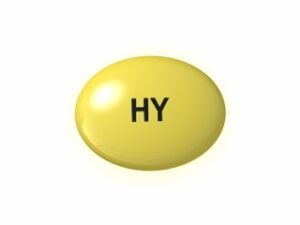

Hyzaar (Losartan / Hydrochlorothiazide) — Patient Information (Australia)
Hyzaar is a combination medicine used to treat certain cardiovascular conditions. It contains: losartan (an angiotensin II receptor blocker) and hydrochlorothiazide (a thiazide diuretic, also known as a “water tablet”). Together, they help lower blood pressure and reduce strain on the heart.
This guide explains how Hyzaar works, how it is typically taken, what to watch for, and where to go for further advice. It is written for patient-friendly understanding in the context of the Australian medicines market.
Basic product information
- Brand name: Hyzaar
- Active ingredients: Losartan + Hydrochlorothiazide
- Medicine type: Combination of an ARB and a thiazide diuretic
- Common form: Oral tablets (strengths vary; your local product pack will list the exact dose)
In Australia, medicines are regulated by the TGA (Therapeutic Goods Administration). Availability and packaging vary depending on the specific strength and supply arrangements.
What Hyzaar is used for (indications)
Hyzaar is used for:
- Treatment of high blood pressure (hypertension): particularly when one medicine alone is not sufficient.
- Reducing risk of cardiovascular events in certain people with high blood pressure and evidence of heart enlargement (this is a specific clinical situation; your healthcare professional will confirm whether it applies to you).
Your specific indication and target blood pressure should be discussed with a healthcare professional. Do not change your treatment plan without medical advice.
How Hyzaar works (mechanism of action)
Losartan (ARB component)
Losartan blocks the angiotensin II type 1 (AT1) receptor. Angiotensin II is a hormone that narrows blood vessels and increases blood pressure. By blocking its action, losartan helps:
- Relax blood vessels
- Lower blood pressure
- Reduce workload on the heart
Hydrochlorothiazide (diuretic component)
Hydrochlorothiazide works in the kidneys to increase the loss of sodium and water, which reduces fluid volume and helps lower blood pressure. Over time, it can also improve blood vessel tone.
Combination benefit: Losartan and hydrochlorothiazide work through complementary pathways, often improving blood pressure control compared with either medicine alone.
Pharmacokinetics (how your body handles it)
Pharmacokinetics describes what happens to the medicine after you swallow it—how it is absorbed, processed by the body, and eliminated. Individual responses vary.
Absorption and onset
- Losartan: Absorbed after oral dosing; it is converted in the body to an active metabolite.
- Hydrochlorothiazide: Also absorbed orally and produces a diuretic effect that typically begins within hours.
Distribution and metabolism
- Losartan: Metabolised primarily in the liver to an active metabolite that contributes to overall effect.
- Hydrochlorothiazide: Not extensively metabolised; it acts largely via kidney excretion.
Elimination
- Losartan and metabolite: Eliminated via both biliary and urinary pathways.
- Hydrochlorothiazide: Excreted primarily through the kidneys.
Practical timing of effects
- Blood pressure reductions usually become noticeable within days.
- Full effect may take several weeks as dosing stabilises.
Typical dosing and timing
Dosing depends on your health status, kidney function, other medicines, and how well your blood pressure responds. Your prescribed strength and schedule will be based on your clinician’s assessment.
General dosing principles
- Usually once daily: Hyzaar is commonly taken as a single daily dose.
- May be taken with or without food: food does not typically require dose adjustment.
- Consistent daily timing: helps maintain stable medicine levels.
If you miss a dose
If you miss a dose, take it when you remember on the same day. If it is close to the next dose, skip the missed dose. Do not take a double dose to make up for the missed one.
Starting and monitoring
When beginning or adjusting treatment, clinicians often monitor:
- Blood pressure (home and/or clinic readings)
- Kidney function (creatinine/eGFR)
- Electrolytes (especially potassium and sodium)
Food interactions
Hyzaar can generally be taken with or without food. However, there are a few practical nutrition considerations:
- Salt (sodium) intake: High salt intake can counteract blood pressure lowering. Many people are advised to limit added salt and follow a heart-healthy diet.
- Potassium intake: Losartan may raise potassium in some people, while hydrochlorothiazide can lower it. The net effect varies person to person. Avoid salt substitutes containing potassium unless advised.
- Grapefruit: Unlike some other cardiovascular medicines, grapefruit is not a major issue with losartan/hydrochlorothiazide. If you are unsure about specific foods or supplements, check with a clinician or pharmacist.
Alcohol and medicine interactions
Alcohol can increase the risk of dizziness or light-headedness, particularly when you first start treatment, when doses are changed, or when blood pressure is lower than usual.
- General guidance: limit alcohol and rise slowly from sitting or lying positions.
- Hydration matters: hydrochlorothiazide is a diuretic. Heavy alcohol intake can contribute to dehydration and may worsen side effects.
If you use alcohol regularly, discuss a safe amount with a healthcare professional—especially if you have kidney problems, are older, or take other blood pressure medications.
Medicine interactions (important)
Hyzaar can interact with other medicines due to effects on kidney function, electrolytes, blood pressure, or the way medicines are processed. Always provide your medication list to a pharmacist or clinician before starting new treatments, including over-the-counter products.
Common interaction categories
- Other blood pressure medicines: may increase the risk of low blood pressure (dizziness, fainting).
- Diuretics or dehydration risk medicines: can increase electrolyte imbalance and kidney stress.
- NSAIDs (pain and inflammation medicines): including ibuprofen or naproxen may reduce kidney protection and affect kidney function, particularly in people who are dehydrated or have kidney disease.
- Lithium: levels may rise and toxicity can occur. This combination typically requires close monitoring or avoidance.
- Potassium supplements or potassium-containing salt substitutes: may increase potassium levels when combined with losartan.
- Diabetes medicines (insulin or tablets): hydrochlorothiazide can affect blood sugar control in some people.
- Gout medicines: hydrochlorothiazide can increase uric acid; gout may flare in susceptible individuals.
- Digitalis (digoxin): low potassium from thiazides can increase risk of side effects.
- Other electrolyte-affecting drugs: steroids or laxatives can contribute to low potassium levels.
Tip: keep a current list of all medicines, vitamins, and supplements (including “natural” products) and bring it to your pharmacy.
Safety profile and side effects
Common side effects
- Dizziness or light-headedness (especially when standing up)
- Headache
- Increased urination (more noticeable after the diuretic component begins working)
- Fatigue
- Muscle cramps (can relate to electrolyte changes)
- Changes in blood tests (electrolytes such as potassium and sodium, kidney function markers)
Less common but important side effects
- Low blood pressure symptoms: fainting, unusual weakness, severe dizziness
- Allergic reactions (rare): swelling of face/lips/tongue, rash, breathing difficulty
- Electrolyte imbalance: abnormal potassium or sodium levels; symptoms may include irregular heartbeat, severe cramps, confusion
- Kidney function changes: decreased urine output or rising creatinine may occur in susceptible patients
Seek urgent medical help if
- You have trouble breathing, swelling of the face, lips, tongue, or throat
- You faint or have severe dizziness
- You develop severe weakness, confusion, or an unusual heartbeat
Special safety considerations
- Kidney and kidney artery narrowing (renal artery stenosis): blood pressure and kidney function may need closer monitoring.
- Dehydration: vomiting, diarrhoea, or poor fluid intake can increase risk of kidney problems and low blood pressure.
- Electrolyte disorders: monitoring is important, especially if you are older or on multiple medications.
- Sun sensitivity: thiazide diuretics can rarely increase sensitivity to sunlight. Use sun protection.
- Gout: hydrochlorothiazide may trigger gout flares in some individuals.
Practical use tips (to get the best outcomes)
- Take it at a convenient time: many people prefer taking it in the morning to reduce nighttime urination. Follow your clinician/pharmacist’s instructions.
- Stand up slowly: especially after first starting or when changing dose.
- Hydrate appropriately: drink adequate water unless you’ve been told to restrict fluids. Diuretic effects can increase fluid loss.
- Track your blood pressure: home readings can help you and your clinician adjust treatment. Record readings and bring them to appointments.
- Attend lab tests: electrolyte and kidney monitoring are a key safety step.
- Watch your diet: moderate salt, avoid potassium salt substitutes unless advised, and maintain a balanced intake of nutrients.
- Be cautious with “cold and flu” products: some contain decongestants that can raise blood pressure. Ask your pharmacist what is suitable for you.
Alternatives to Hyzaar
Treatment for hypertension depends on your blood pressure, overall health, kidney function, and other medicines. Alternatives may include:
Other combination options
- ARB + another diuretic or different diuretic (varies by country and formulary)
- ACE inhibitor + diuretic
- Calcium channel blocker + diuretic
Single-agent options
- ACE inhibitors
- ARBs (losartan alone or other ARBs)
- Calcium channel blockers
- Diuretics alone (e.g., hydrochlorothiazide or alternatives)
Your healthcare professional can help decide whether a different active ingredient, a different strength, or a different schedule may be appropriate—especially if you experience side effects or achieve insufficient blood pressure control.
Timing, missed doses, and day-to-day routine
| Situation | Patient-friendly guidance |
|---|---|
| Usual dosing time | Often once daily. Many people choose morning dosing to reduce nighttime urination—follow your clinician’s instructions. |
| With food? | Generally can be taken with or without food. |
| Blood pressure checks | Check at consistent times if doing home monitoring. Record readings for your next review. |
| Missed dose | Take when remembered on the same day. If close to the next dose, skip the missed dose. Do not double up. |
| Vomiting/diarrhoea or dehydration | If you’re unable to keep fluids down, seek medical advice promptly. Dehydration can increase risk of side effects and kidney strain. |
Market and legal context for Australia
In Australia, medicines are supplied in accordance with federal and state regulations. Hyzaar is an established cardiovascular medicine. Access depends on the specific product and strength, and supply may be influenced by pharmacy stock levels and distribution.
Health information and safe use expectations in Australia include:
- TGA oversight: products must meet quality, safety, and efficacy standards.
- Pharmacy counselling: pharmacists can advise on interactions, monitoring, and practical dosing.
- Medication safety: clear labelling, expiry checking, and correct strength identification.
If you have questions about whether Hyzaar is suitable for you, speak with a pharmacist or clinician. For emergencies, call 000 in Australia or seek emergency care.
Recent guidance and monitoring (general)
Clinical guidance for hypertension commonly emphasises:
- Regular monitoring of blood pressure and overall cardiovascular risk.
- Laboratory checks after starting or changing doses, particularly for kidney function and electrolytes.
- Managing risk factors alongside medication, such as reducing salt, maintaining healthy weight, regular activity, and stopping smoking.
Because Hyzaar includes a diuretic and an ARB, monitoring is particularly relevant for people who are older, have kidney issues, diabetes, or take multiple medicines.
Delivery and availability (online pharmacy)
Hyzaar availability can vary by strength and manufacturer. When ordering online, you may see:
- In-stock delivery options based on your location
- Estimated delivery times at checkout
- Substitution policies if a specific brand/strength is temporarily unavailable (subject to local rules and pharmacy procedures)
To help ensure smooth supply:
- Double-check the strength listed on the product page.
- Keep your prescription label information handy for correct ordering.
- Contact customer support if you need urgent continuity of supply.
Storage and handling
- Store tablets according to the pack directions.
- Keep out of reach of children.
- Do not use after the expiry date on the pack.
- Keep in the original packaging to protect from moisture and light where required.
FAQ — Hyzaar (Losartan / Hydrochlorothiazide)
1) How quickly will Hyzaar lower my blood pressure?
Many people notice changes within the first few days, but the full effect can take several weeks. Consistent daily use and follow-up monitoring help confirm that treatment is working.
2) When should I take it—morning or night?
Many people take Hyzaar in the morning to reduce the chance of nighttime urination from the diuretic component. Your clinician may advise a different time based on your schedule and response.
3) Can I drink alcohol while taking Hyzaar?
You can, but alcohol may increase dizziness and low blood pressure risk. Keep to a sensible amount and ensure you’re well hydrated. If you’re unsure, discuss your alcohol intake with a pharmacist or clinician.
4) What side effects should I watch for first?
Common early effects include light-headedness, headache, and increased urination. If you experience severe dizziness, fainting, swelling, or symptoms suggesting abnormal heart rhythm, seek urgent medical help.
5) Will Hyzaar affect my electrolytes or kidney function?
It can. Losartan and hydrochlorothiazide may influence potassium, sodium, and kidney-related lab values. This is why follow-up blood tests are commonly recommended after starting or changing dose.
6) Is it safe to use ibuprofen or other NSAIDs with Hyzaar?
NSAIDs can affect kidney function and may interfere with blood pressure control, especially if you’re dehydrated or have kidney issues. Occasional use may be possible, but it should be discussed with a pharmacist or clinician who knows your medical history.
7) Can Hyzaar be taken with food?
Yes. Hyzaar is generally taken with or without food.
8) What should I do if I miss a dose?
Take it when you remember on the same day. If it’s close to the next scheduled dose, skip the missed dose. Do not double up.
9) Are there any foods or supplements I should avoid?
Avoid or be cautious with potassium-containing salt substitutes unless advised. Also be mindful of high-salt diets, and check supplements for ingredients that may affect blood pressure or electrolytes.
10) What if I feel dizzy when standing up?
Sit or lie down until you feel better. Rise slowly and consider whether you’re dehydrated. If dizziness is persistent or severe, contact a healthcare professional promptly, as your dose or monitoring may need adjustment.
11) Can Hyzaar cause gout to flare?
It can. Hydrochlorothiazide may increase uric acid levels in some people. If you have a history of gout, discuss prevention strategies with your pharmacist or clinician.
12) Are there alternatives if Hyzaar doesn’t suit me?
Yes. There are multiple hypertension treatments, including other combinations and single-ingredient options. Your healthcare professional can guide the best choice based on your blood pressure goals and your medical history.
Key takeaways
- Hyzaar combines losartan and hydrochlorothiazide to lower blood pressure through complementary mechanisms.
- It’s commonly taken once daily and can be taken with or without food.
- Monitoring of kidney function and electrolytes is often important.
- Be cautious with alcohol and medications that can affect kidneys or electrolytes (especially NSAIDs).
- If you experience severe dizziness, swelling, fainting, or breathing difficulties, seek urgent medical help.