Microzide (Hydrochlorothiazide) — Patient Information
Microzide contains hydrochlorothiazide, a medicine from the thiazide diuretic (water tablet) family. It helps your kidneys remove extra salt (sodium) and water from the body, which can lower blood pressure and reduce fluid build-up.
This page provides general, patient-friendly information about how Microzide works, how it’s usually taken, and what to watch for. If you have questions about your personal treatment plan, ask your doctor or pharmacist.
Quick Facts
- Active ingredient: Hydrochlorothiazide
- Medicinal type: Thiazide diuretic (“water tablet”)
- Common uses: High blood pressure (hypertension), swelling/fluid retention (oedema) in selected conditions
- How it’s taken: Usually once daily in the morning; sometimes in divided doses depending on your regimen
- Key effects to monitor: Blood pressure, electrolytes (potassium, sodium), kidney function, and symptoms of dehydration
Basic Product Information
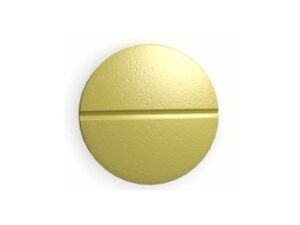
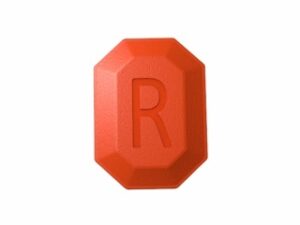
Microzide is available as tablets containing hydrochlorothiazide. Strengths may vary by product presentation. Your pharmacist can confirm the exact strength on your pack.
- Drug class: Thiazide diuretic
- Related effects: Lowers blood pressure and reduces fluid retention
- Typical dosing frequency: Often once daily
What is a diuretic? Diuretics increase urine production. This helps lower blood pressure and can reduce swelling by reducing excess fluid.
How Microzide Works (Mechanism of Action)
Hydrochlorothiazide acts mainly in the kidneys. It reduces sodium reabsorption in a specific part of the kidney called the distal convoluted tubule. Because sodium reabsorption decreases, the body also excretes more water.
Over time, the blood vessels may become more relaxed, contributing further to blood pressure reduction. The net effect is:
- Increased salt and water excretion → less circulating fluid
- Lower blood pressure (especially with continued use)
- Reduced oedema in fluid retention states
Pharmacokinetics (How the Body Processes the Medicine)
Pharmacokinetics describes absorption, distribution, metabolism, and excretion. For hydrochlorothiazide, the key practical points are:
- Absorption: Taken by mouth; absorption occurs after swallowing and can vary between individuals.
- Onset of diuretic effect: Usually begins within a few hours after a dose.
- Peak effect: Tends to occur a few hours after dosing (timing can differ by person).
- Duration: The effect typically lasts long enough for once-daily dosing in many regimens.
- Elimination: Hydrochlorothiazide is primarily cleared by the kidneys. Kidney function influences how long it stays in the body.
Practical takeaway: Because it increases urination, timing matters to reduce disruption from night-time trips to the toilet.
Typical Use in Australia
Microzide is commonly used for:
- Hypertension (high blood pressure): Often as part of a broader blood pressure plan.
- Oedema (fluid retention): For selected conditions where a doctor determines a diuretic is appropriate.
Hydrochlorothiazide may also be used alongside other blood pressure medicines to improve overall control.
Indications (When Microzide May Be Used)
In general terms, thiazide diuretics like hydrochlorothiazide are used when:
- Blood pressure requires medication to reduce long-term cardiovascular risk
- There is a need to reduce excess fluid due to specific medical conditions
- Doctors aim to achieve an electrolyte and fluid balance suitable for your condition
Note: Your exact indication and dose should be based on your medical history, current medicines, and lab results.
How to Take Microzide (Dosing and Timing)
Dose instructions should follow what is written on your medicine label and confirmed by your healthcare professional. The information below is general and may not match your personal dose.
Typical dosing approach
- Most people: Microzide is often taken once daily.
- Morning timing: Many regimens are taken in the morning to reduce the chance of needing the toilet at night.
- Adjustments: Dose may be adjusted based on response (blood pressure and swelling) and lab tests (electrolytes and kidney function).
What to do if you miss a dose
- If you forget a dose, take it when you remember, unless it is near the time for your next dose.
- Do not double up to make up for a missed dose.
- If you’re unsure, ask your pharmacist for advice.
With or without food?
- Hydrochlorothiazide can usually be taken with or without food.
- Choose a routine that helps you remember, such as with breakfast.
Timing Tips for Best Practical Use
- Take it early in the day: This reduces nighttime urination.
- Stay hydrated: Drink water as advised by your doctor—especially in hot weather or during exercise.
- Monitor symptoms: If you feel dizzy or unusually tired after starting or changing the dose, contact your healthcare provider.
- Check blood pressure regularly: Home monitoring can help you and your healthcare team understand how well the medicine is working.
Food Interactions and Eating Considerations
There are no universal dietary restrictions that apply to everyone on Microzide, but certain foods and supplements can affect electrolyte balance and blood pressure:
- Salt (sodium) intake: A diet high in salt may make blood pressure easier to control with medicines more difficult. A reduced-salt approach may be recommended by your clinician.
- Potassium: Microzide can lower potassium in some people. Your clinician may advise potassium-rich foods, but supplements should be used only if recommended.
- Licorice (including herbal products): Licorice can affect potassium levels and blood pressure regulation. Discuss use with your pharmacist.
Important: Don’t take potassium supplements unless your healthcare provider recommends them, because some conditions and other medicines increase the risk of high potassium.
Alcohol and Medicine Interactions
Alcohol can increase the risk of:
- Dizziness or light-headedness due to blood pressure effects
- Dehydration (especially if alcohol replaces fluids)
- Electrolyte imbalance in heavy or frequent alcohol use
Practical advice: If you drink alcohol, consider limiting intake and ensure you remain well hydrated. Avoid sudden standing after drinking, and seek medical advice if you experience fainting, severe dizziness, or palpitations.
Interactions With Other Medicines
Hydrochlorothiazide can interact with other medicines through effects on electrolytes, kidney function, and blood pressure. Always tell your pharmacist about all medicines and supplements you use, including over-the-counter products.
Medicines that may be affected
- Other blood pressure medicines: May increase the risk of low blood pressure, especially at the start or with dose changes.
- NSAIDs (e.g., ibuprofen, naproxen): Can reduce diuretic effectiveness and may affect kidney function, particularly in vulnerable patients (e.g., older adults or those with dehydration).
- Digoxin: Low potassium can increase sensitivity and risk of digoxin-related side effects.
- Lithium: Diuretics can alter lithium levels, increasing toxicity risk.
- Corticosteroids (e.g., prednisone): May increase potassium loss.
- Non-steroidal anti-inflammatory drugs and some antibiotics: Certain combinations can influence electrolytes or kidney function—ask your pharmacist if you’re taking these.
- Diabetes medicines: Thiazides can affect blood sugar in some people; monitoring may be needed.
- Drugs that affect potassium: Some medicines can lower potassium further, while others may raise it (depends on drug class).
What to do
- Before starting a new medicine (including herbal products), ask a pharmacist or check the interaction information provided on the product packaging or consumer medicine information.
- If you start a course of an NSAID frequently, ask whether you need closer monitoring (blood pressure, electrolytes, kidney function).
Safety Profile: Common and Serious Side Effects
Most people tolerate Microzide well, but side effects are possible. Some are dose-related or related to electrolyte changes.
Common side effects
- Increased urination (especially after the first doses)
- Dry mouth or mild thirst
- Dizziness or light-headedness (often due to blood pressure changes)
- Headache
- Muscle cramps or weakness (may be linked to electrolyte changes)
Electrolyte-related risks
Hydrochlorothiazide may alter the levels of salts in the body. Your clinician may schedule blood tests to monitor:
- Potassium: Low potassium (hypokalaemia) can cause weakness, cramps, or palpitations.
- Sodium: Low sodium (hyponatraemia) may cause confusion, headache, or severe fatigue.
- Magnesium: Low magnesium can also contribute to cramps or rhythm problems.
- Uric acid: May increase gout risk in some people.
Serious side effects—seek urgent medical help
Get urgent medical assistance if you experience:
- Severe dizziness, fainting, or signs of dehydration
- Irregular heartbeat or severe palpitations
- Severe weakness, muscle paralysis, or confusion
- Allergic reactions such as swelling of the face/lips, rash, or breathing difficulty
- Reduced urination or worsening kidney symptoms
- Signs of very high fluid loss (e.g., severe thirst, very dark urine, inability to keep fluids down)
Who should use extra caution?
- People with kidney problems
- People at risk for electrolyte imbalance
- People with a history of gout or high uric acid
- Older adults, due to increased susceptibility to dehydration or electrolyte disturbances
- People with diabetes or metabolic conditions (monitoring may be needed)
Practical Use Tips (How to Make Treatment Easier)
- Use a consistent routine: Taking it at the same time each morning can improve adherence.
- Keep track of symptoms: Record dizziness, cramps, or changes in urination frequency—especially during the first weeks.
- Attend blood tests: Electrolyte and kidney function monitoring helps catch problems early.
- Be mindful during illness: If you have vomiting, diarrhoea, or poor oral intake, your doctor may advise temporary changes (do not stop without advice).
- Sun protection: Some diuretics may increase sensitivity to sunlight in susceptible individuals—use sunscreen and protective clothing if advised.
Hydration balance: While you may urinate more, don’t over-correct by drinking excessively without guidance—follow your clinician’s advice, especially if you have heart failure or fluid restrictions.
Monitoring and Follow-Up
Monitoring plans vary, but generally may include:
- Blood pressure checks
- Blood tests: sodium, potassium, kidney function, and possibly glucose or uric acid depending on your risk factors
- Symptom checks: dizziness, weakness, muscle cramps, and signs of dehydration
If you are taking other medicines that affect kidney function or electrolytes, more frequent monitoring may be needed after starting or adjusting doses.
Alternative Options to Microzide
There are several alternatives for hypertension or oedema, depending on your health profile and lab results:
- Other diuretics: Such as loop diuretics or other thiazide-like diuretics (your clinician selects based on the condition and kidney function).
- ACE inhibitors (angiotensin-converting enzyme inhibitors) and ARBs (angiotensin receptor blockers): common options for blood pressure, often with different electrolyte effects.
- Calcium channel blockers: Useful in many hypertension regimens.
- Beta-blockers or other classes: considered for specific patients or comorbidities.
Choosing the right option depends on your diagnosis, age, kidney function, electrolyte status, and other medicines. Ask your pharmacist or doctor if you’re considering a switch.
Australia: Market and Legal/Regulatory Context
Microzide (hydrochlorothiazide) is part of Australia’s regulated medicines market and is supplied under the country’s medicines framework. In Australia, prescription medicines are supplied through legally permitted channels and must be used according to prescribing and dispensing requirements.
Consumer guidance in Australia typically emphasises:
- Using medicines exactly as directed on your label
- Regular monitoring for blood pressure and electrolyte levels when recommended
- Discussing any new symptoms or changes in other medicines with a pharmacist
Consumer Medicine Information (CMI): Always read the CMI that comes with your medicine packaging. It contains key details tailored to the product.
Recent Guidance and Ongoing Clinical Considerations
While specific recommendations can vary by individual health conditions, ongoing clinical emphasis for thiazide diuretics generally includes:
- Electrolyte monitoring (especially sodium and potassium), particularly after dose changes or in higher-risk patients.
- Kidney function awareness, especially in older adults and those with existing kidney impairment.
- Assessing fall and dehydration risk when dizziness occurs.
- Reviewing drug combinations that increase kidney strain or electrolyte disturbances.
Your clinician may also consider modern hypertension strategies, which often involve tailored combinations and cardiovascular risk assessment.
Delivery and Availability (Australia)
Online pharmacies may offer delivery across Australia where permitted and appropriate. Availability can depend on stock levels, packaging sizes, and the strength of hydrochlorothiazide.
- Dispensing timeframe: Delivery times vary by provider and location.
- Cold/temperature requirements: Most tablets do not require refrigeration; store at room temperature unless the label states otherwise.
- Packaging: Medicines should be supplied in sealed packaging with clear labelling.
Tip: If you need urgent supply (e.g., you’re running low), contact the pharmacy to confirm dispatch times and stock.
FAQ: Microzide (Hydrochlorothiazide)
1) What is Microzide used for?
Microzide is used to help treat high blood pressure and, in some situations, fluid retention (oedema). Your doctor determines the indication based on your medical condition.
2) When should I take Microzide?
It is commonly taken in the morning to reduce night-time urination. Follow the dosing instructions on your label.
3) How long does it take to work?
Diuretic effects (increased urination) can begin within a few hours. Blood pressure improvement often becomes clearer over days to weeks with continued use.
4) Will Microzide make me pee a lot?
Initially, you may notice more frequent urination. This usually settles after your body adjusts, but it can vary by dose and individual response.
5) Can I take Microzide with food?
Usually yes. Taking it with breakfast may help you remember and may be more comfortable if it upsets your stomach.
6) Does Microzide affect potassium?
Yes, it can lower potassium in some people. This is why blood tests may be recommended and why you should not start potassium supplements unless advised.
7) What should I avoid while taking Microzide?
Be cautious with frequent use of NSAIDs (such as ibuprofen) unless your pharmacist confirms it’s suitable. Also consider limiting alcohol if it worsens dizziness or dehydration.
8) Can I drive or operate machinery?
If Microzide causes dizziness or light-headedness for you, avoid driving or risky activities until you know how you respond.
9) What if I feel dizzy after taking it?
Dizziness can be due to lowered blood pressure or dehydration. Sit or lie down, hydrate if appropriate, and contact your healthcare provider for advice—especially if symptoms are severe or persistent.
10) Are there any lifestyle tips that help?
Yes. Consider a heart-healthy diet, salt reduction if advised, consistent medication timing, and regular blood pressure checks. Attend scheduled blood tests and follow “sick day” advice from your clinician if you become unwell.
Summary
Microzide (hydrochlorothiazide) is a thiazide diuretic used primarily for high blood pressure and selected cases of fluid retention. It works by helping the kidneys remove excess salt and water, which lowers blood pressure and can reduce swelling.
Because it can affect electrolytes (such as potassium and sodium) and kidney function, it’s important to take Microzide as directed and follow monitoring recommendations. If you experience concerning symptoms such as severe dizziness, irregular heartbeat, or signs of dehydration, seek medical advice promptly.