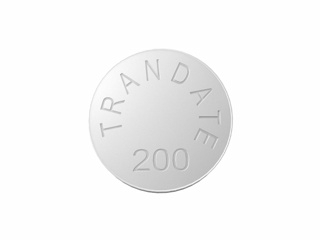
Trandate (Labetalol) – Patient Information (Australia)
Trandate is a brand of labetalol, a medicine used to treat certain types of high blood pressure and, in some situations, to help lower blood pressure in hospital settings. This page provides clear, patient-friendly information about how Trandate works, how it’s used, what to expect, and important safety considerations.
Note: Information on this page is general and may not cover every personal medical situation. Always follow your doctor’s instructions and the directions on your medicine label.
Quick Overview
- Active ingredient: Labetalol
- Common uses: Hypertension (high blood pressure); sometimes used for short-term blood pressure control in specific circumstances
- How it works: Reduces heart rate and relaxes blood vessels
- Typical forms: Tablets (brand names may vary by product strength)
- Common side effects: Tiredness, dizziness, headache, nausea
Basic Product Information
Trandate contains the medicine labetalol. Labetalol belongs to a group of medicines called beta-blockers and alpha-1 blockers. The combination helps lower blood pressure by affecting both the heart and blood vessels.
Trandate is used in adults and, in some circumstances, may be used in children under specialist guidance. Your age, kidney and liver function, other medicines, and the reason you’re taking it will influence the most appropriate dose and monitoring.
How Trandate Works (Mechanism of Action)
Labetalol works through two main actions:
- Beta (β) blockade: Labetalol blocks beta receptors, which can slow the heart rate and reduce how forcefully the heart pumps.
- Alpha-1 blockade: Labetalol also blocks alpha-1 receptors on blood vessel walls, helping blood vessels relax and widen.
The combined effect generally leads to lower blood pressure with less reflex increase in heart rate compared with some older blood pressure medicines.
Pharmacokinetics (How the Body Handles Labetalol)
Pharmacokinetics describe what the body does to a medicine—how it is absorbed, distributed, metabolised, and eliminated.
- Absorption: Labetalol is absorbed after oral dosing, but blood levels may vary between individuals.
- Onset of action: Blood pressure lowering typically begins within hours, with effects becoming clearer over the dosing interval.
- Distribution: It spreads through the body and reaches sites involved in heart and blood vessel control.
- Metabolism: Labetalol is metabolised mainly in the liver.
- Elimination: Metabolites are excreted largely through the kidneys and/or via bile.
Why this matters for you: If you have liver or kidney impairment, you may need additional monitoring and dose adjustments to reduce the risk of side effects.
Typical Use and Indications
Trandate (labetalol) is used to treat high blood pressure (hypertension). It may be selected when both heart rate and blood vessel tone need to be addressed.
Depending on your clinical situation, doctors may also use labetalol in hospital or specialist settings for more urgent blood pressure control. The choice of treatment will depend on the underlying cause of the blood pressure problem and your overall health.
Common Indications
- Hypertension (long-term blood pressure control)
- Specific short-term blood pressure management in selected clinical contexts (usually under close monitoring)
Dosing: How Much and How Often
Dosing must be individualised. The right dose depends on your blood pressure readings, heart rate, age, other medical conditions, and how you respond to treatment.
Important: Do not adjust your dose without medical advice. If you miss a dose, follow the instructions on your medicine label or ask your pharmacist for guidance.
General Dosing Principles (Patient-friendly)
- Start low, adjust gradually: Clinicians typically begin with a dose that helps avoid symptoms such as dizziness or fainting.
- Regular blood pressure monitoring: Home blood pressure checks can help track effectiveness.
- Heart rate matters: Labetalol can slow the pulse; your clinician may check for bradycardia (slow heart rate).
- Liver function can influence dosing: Because labetalol is metabolised by the liver, your doctor may monitor liver function and adjust if needed.
Timing Within the Day
Trandate is commonly taken twice daily (or sometimes in other schedules depending on the product and patient needs). Your label should specify the correct dosing frequency.
- Try to take it at consistent times each day.
- If you take it twice daily, a practical approach is morning and evening (for example, around breakfast and dinner) unless your pharmacist or doctor advises otherwise.
When to Take Trandate and What to Expect
At the beginning of treatment, some people notice:
- Mild dizziness or light-headedness
- Tiredness
- Headache
These effects often improve as your body adjusts, but they may also suggest that the dose is too high or that your blood pressure is dropping more than intended.
Practical Tips for Starting
- Stand up slowly when getting out of bed or a chair.
- Avoid driving or operating machinery if you feel dizzy.
- Have a plan to monitor blood pressure, especially during dose changes.
Food Interactions and Dietary Considerations
Food effects: For many oral beta-blockers, food can influence absorption. With labetalol, absorption is generally adequate with or without food, but individual products may differ.
Patient tip:
- Take Trandate as directed on your label.
- If your doctor/pharmacist advised taking it with food, try to keep this consistent daily.
If you experience stomach upset, taking the medicine with a light meal may help. However, always follow product-specific instructions.
Alcohol Interactions
Alcohol can affect blood pressure and may increase dizziness or cause fainting in some people when combined with blood pressure-lowering medicines.
- Limit or avoid alcohol until you know how Trandate affects you.
- If you choose to drink, do so cautiously and monitor symptoms.
Seek urgent help if you faint, feel severely unwell, or have symptoms of very low blood pressure such as confusion, chest pain, or shortness of breath.
Medicine Interactions (Important)
Trandate can interact with other medicines, potentially changing effects or increasing side effect risk. Always inform your healthcare professional about all medicines you take, including:
- Prescription medicines
- Over-the-counter medicines
- Herbal supplements
- Stimulants or weight-loss products
Common Interaction Categories
| Medicine or Category | Possible Interaction | What to Do |
|---|---|---|
| Other blood pressure medicines (e.g., diuretics, ACE inhibitors, ARBs, calcium channel blockers) | May increase blood pressure lowering → dizziness or low BP | Monitor blood pressure; dose adjustment may be needed |
| Medicines that slow the heart rate (e.g., certain calcium channel blockers like verapamil/diltiazem) | May increase risk of bradycardia or heart block | Regular pulse/ECG monitoring may be required |
| Diabetes medicines (insulin or tablets) | Beta-blockers can mask warning signs of low blood sugar (like fast heartbeat) | Monitor glucose closely; discuss hypo-awareness with your clinician |
| Antiarrhythmics or other cardiac medicines | Can affect heart rhythm and conduction | Ensure prescribers know all cardiac medicines |
| Non-steroidal anti-inflammatory drugs (NSAIDs) (e.g., ibuprofen, naproxen) | May reduce blood pressure-lowering effect in some people and affect kidney function | Use NSAIDs cautiously; ask your pharmacist for safer options |
| Clonidine | Stopping one medicine suddenly can cause rebound effects | Do not stop without medical advice |
| Some antidepressants and antipsychotics | Can influence blood pressure and heart rate indirectly | Discuss risks if these apply to you |
Always check: If you start a new medicine, including supplements, ask whether it’s compatible with labetalol.
Safety Profile: Side Effects and What to Watch For
Like all medicines, Trandate can cause side effects. Many people experience mild effects that settle with time. Others may need dose adjustment or an alternative treatment.
Common Side Effects
- Dizziness or light-headedness (especially when starting or increasing dose)
- Fatigue or tiredness
- Headache
- Nausea or stomach discomfort
- Cold hands and feet (due to reduced peripheral circulation)
Less Common but Important Side Effects
- Slow heart rate (bradycardia)
- Low blood pressure (symptoms may include fainting or blurred vision)
- Breathing difficulties (especially in people with asthma or chronic lung disease)
- Worsening of heart failure symptoms in susceptible individuals
- Liver-related side effects (rare; may present with unusual fatigue, dark urine, or yellowing of eyes/skin)
Seek Urgent Medical Help If You Have
- Fainting, severe dizziness, or collapse
- Chest pain, severe shortness of breath, or signs of an allergic reaction (swelling of face/lips, rash, wheezing)
- Symptoms of very slow heartbeat (persistent weakness, near-fainting)
- Signs of liver problems (yellow skin/eyes, severe persistent nausea, right upper abdominal pain)
Practical Use Tips
These tips can help you get the best benefit from Trandate and stay safe.
- Measure blood pressure regularly: Home readings can guide whether the medicine is working.
- Monitor pulse if advised: Many people are asked to check heart rate, especially at the beginning.
- Don’t stop suddenly: Beta-blockers should generally be withdrawn gradually unless your clinician advises otherwise.
- Be careful with standing and hot showers: If you get dizzy, rise slowly and avoid overheating.
- Keep follow-up appointments: Dose changes may require re-checking blood pressure, heart rate, and sometimes liver function.
Driving and Operating Machinery
If you feel dizzy, tired, or light-headed—particularly after taking a dose—avoid driving and risky activities until you know how Trandate affects you.
Alternative Options for High Blood Pressure
There are many medication options for hypertension. The best choice depends on your health history, age, risk factors, and blood test results.
Common Alternatives (Discuss with your clinician)
- Other beta-blockers (different dosing and side effect profile)
- ACE inhibitors (e.g., perindopril, enalapril)
- Angiotensin receptor blockers (ARBs) (e.g., losartan, valsartan)
- Calcium channel blockers (e.g., amlodipine)
- Diuretics (e.g., hydrochlorothiazide, indapamide)
Non-medicine strategies also matter: reducing salt intake, maintaining a healthy weight, regular physical activity, limiting alcohol, and not smoking. Your healthcare professional can help tailor a plan.
Market and Legal Context in Australia
In Australia, medicines are regulated and monitored to support safety and quality. High blood pressure medicines such as labetalol are supplied through regulated channels and must meet Australian standards for manufacture and distribution.
Availability: Trandate may be available through Australian pharmacies and distributors, subject to supply. Availability can vary due to manufacturing or logistical factors.
Brand and strength differences: Different brands or generic forms may exist. Always confirm you have the correct active ingredient and strength before starting.
Recent Guidance and Monitoring (What’s Commonly Recommended)
While specific updates can change over time, current clinical practice for hypertension commonly includes:
- Regular blood pressure review after starting or changing dose
- Monitoring heart rate for patients on beta-blockers
- Checking relevant blood tests when indicated (for example, kidney function and, when appropriate, liver function)
- Reviewing side effects and adjusting treatment to improve tolerability
Follow the advice provided by your treating team and the instructions on the medication pack.
Delivery and Availability (Online Pharmacy Information)
Online pharmacy suppliers in Australia typically provide:
- Secure packaging to protect tablets during transit
- Tracking information where available
- Delivery time estimates that vary based on location and courier services
Supply notes: Because medication supply can change, if a product is temporarily unavailable, reputable suppliers may contact you with alternatives or delivery updates. Always confirm the exact product strength and active ingredient when substitution is considered.
Frequently Asked Questions (FAQ)
1) What is Trandate used for?
Trandate (labetalol) is used to treat high blood pressure. In some specific clinical situations, doctors may use it for short-term blood pressure control under close supervision.
2) How quickly will it start working?
Blood pressure can begin to lower within hours after taking labetalol. The full effect may become clearer over days as your dosing stabilises and your clinician adjusts based on readings.
3) Can I take Trandate with food?
Many people can take labetalol with or without food, but the best approach is to follow the instructions on your label or the advice from your pharmacist. If food reduces stomach discomfort for you, take it consistently the same way each day.
4) Will Trandate affect my heart rate?
Yes. Because labetalol is a beta-blocker, it can slow the pulse. If your pulse becomes very slow or you feel faint, contact a healthcare professional promptly.
5) Can I drink alcohol while taking Trandate?
Alcohol may increase dizziness or low blood pressure symptoms. It’s best to limit or avoid alcohol until you understand how the medicine affects you.
6) What should I do if I miss a dose?
Check your medicine label for instructions. In general, if it’s close to the time for the next dose, you may be advised to skip the missed dose rather than double up. If unsure, ask your pharmacist for personalised guidance.
7) What side effects are most common?
Common side effects include tiredness, dizziness (especially when standing), headache, and nausea. These often improve as your body adjusts.
8) When should I seek urgent help?
Seek urgent medical help for fainting, severe dizziness, trouble breathing, chest pain, signs of severe allergic reaction, or symptoms suggestive of liver problems (e.g., yellowing of the skin/eyes).
9) Are there alternatives if Trandate doesn’t suit me?
Yes. There are multiple medication classes for hypertension (such as ACE inhibitors, ARBs, calcium channel blockers, and diuretics). Your clinician can help choose an option based on your medical profile and treatment goals.
10) Is it safe to stop Trandate suddenly?
Stopping beta-blockers suddenly can be harmful for some people. Do not stop suddenly unless a clinician tells you to. Dose reductions are usually gradual.
Summary
Trandate (labetalol) is a medicine used to lower high blood pressure by reducing the heart’s workload and relaxing blood vessels. It can be effective, but like all medicines, it requires correct dosing, monitoring of blood pressure and pulse, and attention to interactions—especially with other heart-related medicines and alcohol.
If you have concerns about side effects, blood pressure readings, or medicine interactions, speak with a pharmacist or your healthcare professional for tailored advice.