
Tritace (Ramipril) — Patient-Friendly Medicine Information (Australia)
Tritace is a brand of ramipril, a medicine from the ACE-inhibitor (angiotensin-converting enzyme inhibitor) group. It is used to treat and help protect the heart and kidneys in certain conditions. This guide explains how Tritace works, how it’s taken, what to watch for, and important interactions and safety information for people in Australia.
Key facts at a glance
- Active ingredient: Ramipril
- Medicine type: ACE inhibitor
- Common uses: High blood pressure, heart failure, and to reduce risk of cardiovascular events in some people
- How it’s taken: Usually once daily (sometimes divided dosing depending on clinician instructions)
- Important cautions: Pregnancy prevention is essential; careful monitoring with kidney function and potassium
- Typical side effects: Dry cough, dizziness, headache; rarely, serious allergic reactions or high potassium
Basic product information
| Category | Information |
|---|---|
| Brand | Tritace |
| Generic name | Ramipril |
| Drug class | ACE inhibitor |
| Common strengths | Available in multiple strengths (for example 1.25 mg, 2.5 mg, 5 mg, 10 mg tablets, depending on supply) |
| How it may be taken | Often once daily; follow the directions provided with your medicine |
| Typical onset | Blood pressure effects may start within hours; full benefit may take weeks |
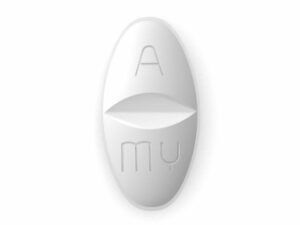
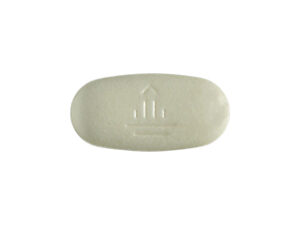
Availability, brand appearance, and tablet strengths can change over time. Your pharmacist can help confirm the exact product and strength you have.
How Tritace works (mechanism of action)
Tritace (ramipril) helps control the harmful effects of a hormone system called the renin–angiotensin–aldosterone system (RAAS). In simple terms, this system can raise blood pressure and strain the heart and kidneys.
Ramipril is an ACE inhibitor. It reduces the activity of the enzyme ACE (angiotensin-converting enzyme), which normally helps form angiotensin II—a substance that narrows blood vessels and signals the body to hold onto salt and water.
- Blood vessels relax: Lower resistance helps reduce blood pressure.
- Less aldosterone: The body retains less salt and water, which can ease fluid load.
- Kidney and heart protection: By improving blood flow and reducing harmful stress responses, it can help reduce future cardiovascular risk in appropriate patients.
Pharmacokinetics (how the body handles ramipril)
Pharmacokinetics describes what the body does with a medicine—absorption, conversion, distribution, metabolism, and elimination.
- Absorption: Ramipril is absorbed after oral dosing. Food generally does not significantly alter overall effect for most people.
- Activation (pro-drug): Ramipril is converted in the body to its active form (ramiprilat), which produces the main ACE-inhibiting effect.
- Peak activity: The active metabolite reaches peak levels after dosing (timing varies between individuals).
- Duration: The medicine’s effects generally last long enough for once-daily dosing for many indications.
- Elimination: Metabolites are cleared primarily through the kidneys; dose adjustment may be needed with reduced kidney function.
Because kidney function and hydration status affect drug handling, clinicians may monitor creatinine/eGFR and potassium when starting or changing the dose.
Typical uses and indications (what it’s used for)
Tritace may be used to treat several cardiovascular conditions. The exact indication depends on your diagnosis and overall health. In general, ramipril is used for:
- Hypertension (high blood pressure): Helps reduce blood pressure and lower cardiovascular risk.
- Heart failure: Helps manage symptoms in certain types of heart failure and reduce strain on the heart.
- Post–heart attack / high cardiovascular risk: May be used in people at increased risk of cardiovascular events (for example, after certain cardiovascular events or in people with established vascular disease).
- Chronic kidney disease: In selected patients—particularly those with protein in the urine—ramipril may help slow progression and reduce risk.
Your healthcare provider determines whether Tritace is appropriate based on your history, blood pressure, kidney function, and blood potassium levels.
When to take Tritace (timing and routines)
For many people, Tritace is taken once daily at the same time each day. Some regimens may require different timing; always follow the directions supplied with your medicine or by your healthcare professional.
- Consistency helps: Taking it at the same time each day supports steadier blood levels.
- Starting doses are often lower: Many people start with a small dose and increase gradually to improve tolerability.
- Best time if you feel dizzy: If you experience dizziness when you stand up, taking the dose at night may help some people. Ask a pharmacist or clinician before changing timing.
Missed dose: If you miss a dose, take it when you remember unless it is close to the next dose. Do not take a double dose to make up for a missed tablet.
Food interactions and dietary considerations
Ramipril can generally be taken with or without food. Food is not typically a major driver of effectiveness for most ACE inhibitors.
- Hydration matters: Dehydration (for example, vomiting/diarrhoea, heavy sweating, or not drinking) can increase the risk of kidney-related side effects.
- Salt (sodium): A diet high in salt can make blood pressure harder to control.
- Potassium intake: ACE inhibitors can raise potassium. Avoid using potassium supplements unless specifically advised.
Alcohol interactions
Alcohol may increase the chance of dizziness or light-headedness, especially when starting Tritace or if doses are recently changed. It may also worsen low blood pressure symptoms.
- Tip: If you drink alcohol, do so cautiously and avoid binge drinking.
- Get advice: If you notice fainting, marked dizziness, or unusual weakness after alcohol, speak to a healthcare professional.
Medicine interactions (important)
Several medicines and supplements can interact with ramipril. Always tell your pharmacist about all medicines you take, including over-the-counter products and herbal supplements. Below are commonly relevant interactions.
1) Medicines that affect potassium
- Potassium supplements
- Potassium-sparing diuretics (such as spironolactone, eplerenone, amiloride, triamterene)
- Some salt substitutes (often contain potassium)
These may increase the risk of high potassium (hyperkalaemia), which can be dangerous for heart rhythm.
2) Diuretics (water tablets)
- Diuretics (especially “loop” diuretics and thiazides) can contribute to low blood pressure or kidney changes when starting an ACE inhibitor.
Your clinician may adjust diuretic dose or ensure hydration when beginning Tritace.
3) Non-steroidal anti-inflammatory drugs (NSAIDs)
- Examples include ibuprofen, naproxen, and other NSAIDs.
NSAIDs can sometimes reduce the blood pressure and kidney-protective effects of ACE inhibitors. Regular or high-dose NSAID use can increase the risk of kidney impairment, particularly in older adults or those who are dehydrated.
4) Other blood pressure medicines
- Beta-blockers, calcium channel blockers, and other antihypertensives may be used together in some patients.
- Combined effects may increase dizziness or low blood pressure.
5) Medicines that may affect RAAS (avoid combining ACE inhibitors with ARBs in most cases)
- ARBs (angiotensin receptor blockers) such as losartan, valsartan, telmisartan
ACE inhibitors and ARBs are generally not used together routinely due to higher risks (including kidney effects and high potassium) unless a specialist has advised a particular regimen.
6) Lithium
- Lithium levels can rise when taken with ACE inhibitors, increasing toxicity risk.
7) Medicines for diabetes
- ACE inhibitors can enhance the blood sugar-lowering effect in some people. Monitor for low blood sugar symptoms if you use insulin or tablets for diabetes.
8) Certain allergy or immune medicines
- Medications that affect the immune system can change the risk profile; ask your pharmacist if you are on immunosuppressive therapy.
Dosing: typical approach and practical guidance
The dose of Tritace is tailored to the reason it’s being used, your blood pressure, and your kidney function and potassium level. Common practice involves starting low and increasing gradually.
Important: The exact dose schedule should always follow the directions provided with your medicine and your clinician’s plan. The information below describes typical patterns rather than a personalised prescription.
- Hypertension: Often begins at a low dose, with gradual increases until blood pressure is controlled.
- Heart failure: Often starts low to reduce the risk of dizziness or kidney-related effects.
- After cardiovascular events/high risk: Dose may be titrated based on tolerability.
- Chronic kidney disease: Dose may be adjusted according to kidney function and potassium levels.
Monitoring: Your healthcare provider may check:
- Blood pressure (including standing measurements in some cases)
- Kidney function (creatinine/eGFR)
- Potassium
If results are not within target ranges, the dose may be reduced, adjusted, or stopped.
Safety profile: who should be cautious and what to watch for
Common side effects
- Dry, persistent cough (a hallmark ACE-inhibitor side effect)
- Dizziness, especially when standing up
- Headache
- Fatigue
- Low blood pressure symptoms (light-headedness, blurred vision)
If cough is troublesome, speak to a healthcare professional—sometimes an alternative class is considered.
Serious but less common risks
- Angioedema (swelling of face/lips/tongue or breathing difficulty): Seek urgent medical care if you develop swelling, hives, or trouble breathing.
- Kidney function changes: Monitor especially after starting, increasing the dose, or during dehydration/illness.
- High potassium: May cause weakness, slow heart rate, or abnormal heart rhythm (often detected through blood tests).
- Fainting (syncope): Can occur if blood pressure drops too far, particularly in the early period or with dehydration.
- Unusual rash or severe skin reactions: Contact a clinician urgently if you develop blistering, widespread rash, or peeling skin.
When to get urgent help
Contact emergency services or seek urgent care if you experience:
- Swelling of the face, lips, tongue, or throat
- Trouble breathing or swallowing
- Severe dizziness, fainting, or chest pain
- Signs of severe allergic reaction
Practical use tips (how to get the most benefit)
- Take it regularly: ACE inhibitors work best when taken consistently, not only when symptoms are felt.
- Stay hydrated (unless restricted): Dehydration increases the risk of kidney problems and low blood pressure.
- Stand up slowly: If you feel light-headed, rise slowly from sitting or lying positions.
- Keep blood tests organised: If monitoring is requested, attend appointments for kidney function and potassium checks.
- Don’t use potassium salt substitutes: These can increase potassium.
- Be cautious with “cold and flu” products: Some contain NSAIDs or decongestants that can affect blood pressure. Ask a pharmacist.
- Report persistent cough: A dry cough can happen; do not ignore it if it becomes distressing.
Alternative options to consider
Depending on the condition being treated and your tolerance, a clinician may recommend other medications. Alternatives often include:
- ARBs (angiotensin receptor blockers) (e.g., losartan, valsartan, telmisartan): often used if ACE-inhibitor cough occurs.
- Calcium channel blockers (for hypertension): such as amlodipine.
- Beta-blockers (for selected heart conditions).
- Diuretics (“water tablets”) to control fluid retention or assist blood pressure control.
- Other guideline-based therapies for heart failure or cardiovascular risk (tailored to diagnosis).
Which option is best depends on your diagnosis, blood pressure, kidney function, potassium levels, and other medicines. If you are experiencing side effects, discuss options rather than stopping the medicine suddenly.
Pregnancy and breastfeeding considerations (important)
ACE inhibitors like ramipril are generally not suitable during pregnancy. If pregnancy is possible, it is important to use reliable contraception and discuss pregnancy plans with your healthcare provider.
- Pregnancy: Avoid unless advised otherwise by a specialist.
- Breastfeeding: Guidance may vary depending on the infant’s health and the specific medicine; discuss with a clinician for personalised advice.
Market and legal context for Australia (overview)
In Australia, medicines are regulated by the Australian Government and the Therapeutic Goods Administration (TGA). Prescription medicines are supplied in accordance with Australian requirements, and pharmacies must comply with state/territory rules regarding dispensing and supply.
Access can differ depending on whether a medicine is considered general or requires a clinician’s direction. For the most accurate guidance about Tritace in your situation, consult your pharmacist or refer to information provided with your medicine.
Recent guidance and monitoring practices (general)
Healthcare practice for ACE inhibitors commonly includes:
- Baseline blood tests (kidney function and potassium) before or soon after starting
- Repeat blood tests after dose changes or if unwell
- Ongoing blood pressure monitoring
- Review of interacting medicines (NSAIDs, diuretics, potassium supplements, and others)
Clinical guidelines continue to emphasise individualised dosing, monitoring, and patient education to reduce risks. Always follow local advice from your healthcare team.
Delivery, availability, and ordering online (Australia)
Availability of Tritace tablets may depend on supplier stock and strength. Most online pharmacies will:
- Confirm the exact product strength before dispatch
- Pack securely and label in accordance with Australian pharmacy practices
- Offer standard or express delivery options within Australia (delivery times vary by location)
If you need a specific strength or a non-standard dosing schedule, contact customer support or your pharmacist to confirm supply. For continuity of therapy, it’s helpful to order ahead to avoid running out.
FAQ: Tritace (ramipril)
1) How long does Tritace take to work?
Blood pressure may begin to improve within hours to days, but the full effect can take several weeks. If you’re taking it for heart protection or heart failure, benefits build over time.
2) Is it safe to take Tritace with food?
In most cases, yes. Tritace can usually be taken with or without food. If you notice stomach upset, taking it with food may help.
3) Why do I get a dry cough?
A dry, persistent cough can occur with ACE inhibitors due to increased bradykinin activity. If your cough is bothersome, speak with a pharmacist or clinician—an alternative medicine may be considered.
4) Can I drink alcohol while taking Tritace?
You can usually drink alcohol in moderation, but it may increase dizziness or low blood pressure. Start cautiously and avoid heavy drinking—especially after dose changes.
5) What should I do if I miss a dose?
Take it when you remember unless it’s close to the next dose. Do not take a double dose. If you’re unsure, ask your pharmacist.
6) Will Tritace affect my kidney function?
ACE inhibitors can change kidney blood flow, so early monitoring is important. Many people tolerate ramipril well, but blood tests (creatinine/eGFR and potassium) are used to ensure safety.
7) Can I take ibuprofen or other pain relief medicines?
Occasional use may be okay for some people, but regular NSAID use can increase kidney risk and reduce the effect of ACE inhibitors. For frequent pain relief, ask a pharmacist for safer options.
8) What about potassium supplements or “salt substitutes”?
Avoid potassium supplements and potassium salt substitutes unless specifically advised. ACE inhibitors can raise potassium, and extra potassium can be harmful.
9) What are the warning signs of a serious allergic reaction?
Watch for swelling of the face, lips, tongue, or throat, hives, or breathing difficulty. Seek urgent medical help if these occur.
10) Can I stop Tritace suddenly?
Do not stop abruptly unless a clinician advises you to. Stopping ACE inhibitors can lead to loss of blood pressure control or worsening heart-related conditions. If side effects occur, seek advice about switching or adjusting instead.
Summary
Tritace (ramipril) is an ACE inhibitor widely used in Australia to treat hypertension and support people with heart failure or increased cardiovascular risk. It relaxes blood vessels and helps reduce strain on the heart and kidneys by acting on the RAAS hormone system. Like all medicines, it requires appropriate monitoring—especially for kidney function and potassium—particularly at the start or after dose changes.
If you have questions about dosing timing, interactions (including NSAIDs, potassium supplements, and alcohol), or managing side effects such as cough, speak with your pharmacist or healthcare provider for tailored guidance.