Bempedoic Acid (Australia) — Patient-Friendly Guide
Bempedoic acid is a prescription medicine used to help lower low-density lipoprotein cholesterol (LDL-C), often in people who need additional cholesterol-lowering despite other treatments. It works differently from many common lipid medicines, and can be a useful option in selected patients—particularly when the goal is to reduce cardiovascular risk.
This page explains how bempedoic acid works, how it’s taken, important safety information, food and alcohol considerations, and what you can expect in everyday use in Australia.
Basic product information
| Category | Details |
|---|---|
| Generic name | Bempedoic acid |
| Medicine type | Oral cholesterol-lowering medicine (lipid-lowering; ATP-citrate lyase inhibitor) |
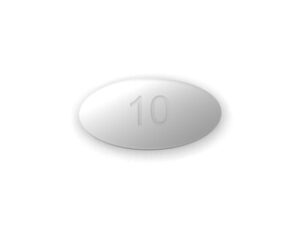
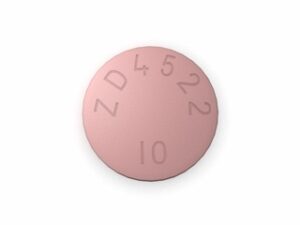
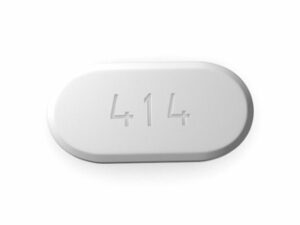
| Common dosage form | Tablet (strength varies by brand/product) |
| Typical dosing schedule | Once daily |
| Primary target | LDL-C (and, in many patients, additional lipid improvements) |
| Availability | Supplied by Australian pharmacies where available through standard channels |
How bempedoic acid works (mechanism of action)
Bempedoic acid belongs to a class of drugs that inhibit a key step in cholesterol production in the liver. Specifically, it reduces cholesterol synthesis by blocking ATP-citrate lyase (an enzyme involved early in the cholesterol creation pathway).
When the liver makes less cholesterol, it compensates by increasing the number of LDL receptors on liver cells. This helps pull more LDL-C out of the bloodstream, lowering cholesterol levels.
- Primary effect: lowers LDL-C.
- Indirect benefit: may help improve other lipid parameters, depending on the person and background therapy.
- Why it can be different: it is not the same mechanism as statins (though it may be used alongside them in suitable patients).
Pharmacokinetics (how the body handles it)
“Pharmacokinetics” describes what happens to a medicine after you take it—absorption, conversion to active forms, distribution, metabolism, and elimination.
Absorption and activation
- Bempedoic acid is administered by mouth and is converted in the body to its active form.
- Peak levels generally occur after a delay, reflecting absorption and conversion processes.
Protein binding and distribution
The active components have moderate to high protein binding, meaning they circulate partly attached to blood proteins. This can affect how the body clears the medicine and how it interacts with other drugs in some cases.
Metabolism and elimination
- The active form and related metabolites are processed primarily through the liver and subsequent elimination pathways.
- Clearance may be influenced by liver function; kidney function may also matter, depending on the individual.
Your pharmacist or clinician may advise monitoring if you have liver or kidney conditions or if you take medicines that could interact.
Typical use in Australia: who it’s for and what it helps with
Bempedoic acid is used to lower LDL cholesterol to help reduce the risk of cardiovascular events in people at higher risk. In Australia, lipid management is guided by clinical pathways that consider overall risk, previous cardiovascular disease, cholesterol levels, and tolerance to other therapies.
Common clinical scenarios
- People with established cardiovascular disease who require further LDL lowering beyond current therapy.
- People who need additional LDL reduction when statin therapy alone is insufficient.
- People who may benefit from an alternative add-on option in cases where tolerability is a concern (as advised by a clinician).
It’s important to understand that bempedoic acid is part of a broader cardiovascular risk plan that often includes:
- Healthy eating patterns
- Regular physical activity
- Stopping smoking (if applicable)
- Managing blood pressure and diabetes
- Taking lipid medicines as directed
Indications (what the medicine is used for)
In general terms, bempedoic acid is indicated for LDL cholesterol lowering in appropriate patients to reduce cardiovascular risk, usually as part of a lipid-lowering regimen.
Indications can vary slightly by product and jurisdictional updates. In Australia, the exact use should follow the approved label and current Australian guidance.
Dosing and timing: how to take bempedoic acid
A common regimen is once daily. Take the tablet at the same time each day to help you remember. Follow the specific instructions on your product label and the advice given by your healthcare professional.
General timing guidance
- Once daily dosing is typical.
- Choose a time that fits your routine (morning or evening is usually fine).
- If you miss a dose, take it when you remember on the same day unless it’s close to the next scheduled dose.
- Do not take a double dose to make up for a missed tablet.
Can you take it with other lipid medicines?
Bempedoic acid is commonly used alongside other cholesterol-lowering strategies. Your healthcare team will determine whether it fits with your current plan (for example, with statins or other lipid therapies).
If you are starting or changing medicines, blood tests are often used to monitor your cholesterol response and safety markers.
Food interactions: can you take it with meals?
Bempedoic acid can generally be taken with or without food. Food does not typically eliminate the effect, though absorption may vary slightly. For simplicity and consistency:
- Take it at the same time each day.
- If you experience stomach upset, consider taking it with food (unless your clinician advises otherwise).
If you take other medicines that require timing (for example, certain binders), ask your pharmacist about spacing.
Alcohol interactions
Moderate alcohol intake is not usually listed as a direct interaction with bempedoic acid. However, alcohol can affect liver function, raise triglycerides in some people, and influence how safe and comfortable your overall regimen feels—especially if you have:
- Existing liver disease
- High triglycerides
- Frequent heavy alcohol intake
As a practical approach: if you drink alcohol, keep to national low-risk drinking guidelines and discuss your situation if you have liver-related concerns.
Medicine interactions: important considerations
Interactions depend on your personal medication list. Below are common categories to think about with bempedoic acid. Always check with your pharmacist if you start a new medicine (including herbal products).
Potential interaction themes
- Medicines affecting transporters or liver metabolism may change bempedoic acid levels.
- Other lipid medicines can be used together in many cases, but safety monitoring may be adjusted.
- Gout risk medicines: bempedoic acid can raise uric acid, so interactions relevant to gout management may matter.
What to report to your clinician/pharmacist
- All current prescription medicines
- Over-the-counter medicines (pain relief, cold/flu products)
- Herbal supplements (especially those with liver effects)
- History of gout or high uric acid
- History of tendon problems
Safety profile: what to watch for
Like all medicines, bempedoic acid can cause side effects. Many people tolerate it well, but it’s important to know what to watch for and when to seek medical advice.
Common side effects
- Muscle-related symptoms (though the overall pattern may be different from statin-associated muscle symptoms)
- Changes in blood test values (your clinician may monitor liver enzymes or uric acid)
- Back or joint discomfort in some patients
Less common but important risks
- Elevated uric acid (may trigger or worsen gout in susceptible people)
- Tendon problems including tendon rupture (rare). Seek urgent medical review if you experience: sudden pain, swelling, or difficulty using a joint (especially if you recently started treatment or increased exercise).
- Liver enzyme elevations: monitoring may be recommended, particularly if you have risk factors for liver disease.
When to seek medical help promptly
- Severe muscle pain or weakness that doesn’t improve
- Signs of gout flare (sudden, painful, swollen joint—often the big toe)
- Tendon pain after activity or while resting, especially if accompanied by swelling
- Symptoms of liver issues (unusual fatigue, dark urine, yellowing of skin/eyes)
Practical use tips for everyday life
- Make it routine: set a daily alarm and keep the tablet somewhere visible (but safe from children).
- Track your labs: if you’re due for cholesterol or safety blood tests, plan ahead for fasting (if requested) and appointments.
- Know your triggers: if you’ve had gout before, be alert for early symptoms and discuss preventive strategies.
- Exercise gently at first: if you increase activity, do so gradually. Report tendon pain early.
- Keep medication information: save your current medicine list and any recent lab results for faster consultations.
Alternative options (if bempedoic acid isn’t suitable)
Cholesterol management is individual. If bempedoic acid is not appropriate, alternatives may include other lipid-lowering strategies. Your clinician will consider your cardiovascular risk, cholesterol targets, and tolerance.
Common alternatives
- Statins (first-line for many patients)
- Ezetimibe (often used as add-on therapy)
- PCSK9 inhibitors (injectable options for certain high-risk patients)
- Inclisiran or other emerging therapies (depending on availability and criteria)
- Other approaches such as bile acid sequestrants or triglyceride-focused therapies (if relevant to your lipid pattern)
In practice, many people benefit from a combination approach and lifestyle measures, with medicine choices tailored to risk and tolerability.
Pharmacovigilance and market/legal context in Australia
In Australia, medicines must be evaluated and approved by the Therapeutic Goods Administration (TGA) before being marketed. Prescribers and pharmacists follow approved product information, including indications, dosing recommendations, and safety warnings.
Ongoing monitoring of medicine safety and effectiveness occurs through routine pharmacovigilance systems. If you experience side effects, report them to your pharmacist or healthcare provider so that safety signals can be tracked.
For the most accurate and up-to-date product information (including exact indications and full side effect listings), refer to the official Australian product information for your specific brand and strength.
Recent guidance (how clinicians think about treatment now)
Lipid management in Australia is guided by evidence-based recommendations that focus on reducing cardiovascular risk. Treatment decisions consider:
- Baseline LDL-C and non-HDL cholesterol levels
- Whether you have established cardiovascular disease or are at high risk
- Response to current medicines
- Safety and tolerability (including muscle symptoms, liver concerns, and gout history)
- Overall risk factors (smoking, diabetes, hypertension, kidney disease, family history)
Recent clinical practice continues to support “stepwise” intensification of LDL-lowering therapy when goals aren’t met with first-line options, using add-on therapies where appropriate. Your clinician may also adjust the plan based on how your cholesterol responds over time.
Delivery and availability in Australia (online pharmacy)
Availability can vary by supplier and stock level. At an online pharmacy, products are typically supplied through authorised distribution channels. Delivery time depends on your location and the courier service available in your area.
What you can expect
- Stock checks: many pharmacies check availability before confirming dispatch.
- Packaging: medicines are supplied in secure packaging suitable for dispensing and storage.
- Cold chain: bempedoic acid tablets do not generally require cold storage, but always follow the storage instructions on the pack.
To ensure you receive your medicine promptly, confirm your address details and delivery preferences during checkout.
FAQ
1) What is bempedoic acid used for?
Bempedoic acid is used to help lower LDL cholesterol in appropriate patients as part of cardiovascular risk reduction. It’s usually considered when LDL goals are not achieved with other therapies or when additional options are needed.
2) How quickly will my cholesterol improve?
Cholesterol-lowering medicines often show measurable changes within a few weeks. Your clinician will usually schedule follow-up blood tests after starting or changing therapy to assess your response.
3) Do I need to take bempedoic acid with food?
It can generally be taken with or without food. Taking it consistently at the same time each day may help adherence. If you find it upsets your stomach, consider taking it with food (unless your clinician advises otherwise).
4) Can I drink alcohol while taking bempedoic acid?
Moderate alcohol intake is usually not a direct interaction concern. However, alcohol may affect liver health and triglycerides. If you drink regularly or have liver disease, discuss this with your pharmacist or clinician.
5) What side effects should I watch for?
Possible side effects include muscle-related symptoms, changes in lab values (such as uric acid or liver enzymes), and occasionally tendon-related problems or gout flares. Seek urgent help for severe symptoms like sudden tendon pain/swelling or signs of liver problems.
6) Is bempedoic acid the same as statins?
No. Bempedoic acid works by inhibiting ATP-citrate lyase, while statins inhibit a different step in cholesterol synthesis. They may be used in different combinations depending on your situation.
7) What should I do if I miss a dose?
Take it when you remember on the same day unless it’s close to your next dose. Do not take a double dose to make up for a missed tablet.
8) Can bempedoic acid affect gout?
It can raise uric acid levels in some people, which may trigger gout flares in those predisposed to gout. If you have a history of gout, discuss preventive strategies with your healthcare team.
9) Does exercise matter while on bempedoic acid?
Exercise is beneficial for cardiovascular health, but if you increase intensity, do it gradually. If you develop tendon pain or swelling, stop the aggravating activity and seek medical advice promptly.
10) Where can I find the most accurate information about my specific brand?
Check the Australian product information on the pack for your exact bempedoic acid brand and strength, and speak with your pharmacist for guidance tailored to your medicines and medical history.
Important: This guide is general information and does not replace advice from your healthcare professional. If you have questions about whether bempedoic acid is right for you, or if you experience side effects, contact a pharmacist or clinician.