
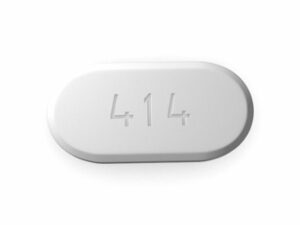

Fenofibrate (Australia) – Patient Information
Fenofibrate is a medicine used to improve blood lipid levels, particularly when triglycerides are high and/or when cholesterol patterns suggest increased cardiovascular risk. This guide explains how fenofibrate works, how it’s typically taken, key safety considerations, and practical tips for everyday use in Australia.
Note: Always follow the advice of your healthcare professional and read the product label. Medicines can affect people differently.
Basic product information
| Category | Details |
|---|---|
| Generic name | Fenofibrate |
| Medicinal class | Fibrate (lipid-modifying agent) |
| Common forms | Capsules or tablets in various strengths (formulation varies) |
| Typical role | Lowers triglycerides and improves certain cholesterol fractions |
| Where used | In adults (and some specific circumstances under clinician guidance) |
| How it’s supplied | Available via pharmacies; requirements depend on local regulations and product brand |
What fenofibrate is used for (indications)
Fenofibrate is prescribed to help manage abnormal blood fats. It may be used when:
- High triglycerides (hypertriglyceridaemia): especially when levels are persistently elevated despite lifestyle measures.
- Mixed dyslipidaemia: where triglycerides are high and cholesterol profile is also abnormal.
- Reduced risk of complications: in selected people with cardiovascular risk factors and dyslipidaemia, as part of a broader risk-management plan.
It is important to note that fenofibrate’s benefits depend on the overall lipid pattern and your individual risk profile, and it should be used alongside lifestyle changes such as diet, exercise, and weight management.
How fenofibrate works (mechanism of action)
Fenofibrate belongs to the fibrate group of lipid-lowering medicines. It primarily works by:
- Activating PPAR-α (peroxisome proliferator-activated receptor alpha): This nuclear receptor influences genes involved in lipid metabolism.
- Increasing breakdown of triglycerides: Fenofibrate promotes the activity of enzymes that help clear triglyceride-rich lipoproteins from the bloodstream.
- Reducing triglyceride levels: This is often the most noticeable effect.
- Improving cholesterol fractions: It may increase HDL (“good” cholesterol) and sometimes reduce LDL (“bad” cholesterol), depending on baseline levels.
Expected outcome: Many people see significant triglyceride reduction, with additional improvements in certain cholesterol measures.
Pharmacokinetics (how the body handles fenofibrate)
Pharmacokinetics describes how a medicine is absorbed, processed, and eliminated.
- Absorption: Fenofibrate is absorbed after oral administration. Absorption can vary depending on formulation and whether it is taken with food.
- Conversion/metabolism: Fenofibrate is metabolised (primarily in the liver) to its active form(s), which then exert lipid-modifying effects.
- Distribution: The active metabolite distributes through body tissues and binds to plasma proteins.
- Elimination: Excretion occurs mainly via the kidneys. Because kidney function influences clearance, dose adjustments or careful monitoring may be needed in people with renal impairment.
- Half-life: The active metabolite has a clinically relevant duration of action, enabling once-daily dosing for many formulations.
If you have kidney disease or reduced kidney function, it’s particularly important to discuss appropriate dosing and monitoring with your clinician.
Timing and how to take fenofibrate
Most fenofibrate products are taken once daily, typically with food to improve absorption and reduce gastrointestinal discomfort.
- Best timing: Take at the same time each day.
- With or without food: Many formulations are recommended to be taken with meals or with food for better absorption.
- If you miss a dose: Take it as soon as you remember on the same day. If it is close to the time of your next dose, skip the missed dose—do not double up.
- Consistency matters: Try to maintain a consistent routine to support stable blood lipid control.
Food interactions (diet and taking with meals)
Food can affect how much fenofibrate is absorbed.
- Take with food (often recommended): Many fenofibrate products are absorbed better when taken with a meal.
- Avoid sudden major dietary changes: Large changes in diet (especially in fat intake) may alter lipid measurements and make it harder to judge treatment response.
Dietary focus: Fenofibrate works best alongside a lipid-lowering lifestyle plan. A clinician or dietitian may recommend:
- Reducing refined carbohydrates and excess alcohol intake (important for triglycerides)
- Choosing healthier fats (e.g., unsaturated fats)
- Increasing fibre and overall dietary balance
- Maintaining a healthy weight and regular physical activity
Alcohol and medicine interactions
Alcohol can influence triglyceride levels and may increase the risk of liver irritation or other adverse effects.
- Alcohol and triglycerides: Frequent or heavy alcohol intake can worsen triglycerides.
- Safety with liver stress: If you have liver disease or elevated liver enzymes, it’s especially important to limit alcohol and monitor blood tests as advised.
- Hypersensitivity: As with many medicines, avoid excessive alcohol because it can amplify side effects such as dizziness or stomach upset in some people.
Practical advice: Discuss your usual alcohol intake with your clinician. If your triglycerides are high, reducing alcohol is often a key part of improving them.
Medicine interactions (key combinations to discuss)
Fenofibrate can interact with other medicines. Some combinations may increase the risk of side effects—particularly affecting the liver, kidneys, or muscle tissue.
Tell your healthcare professional about all medicines you use, including non-prescription products and supplements.
- Statins (e.g., atorvastatin, simvastatin): Combination therapy may be used for selected patients, but it can increase the risk of muscle-related side effects. Careful monitoring and appropriate dosing are essential.
- Anticoagulants (e.g., warfarin): Fenofibrate may enhance the effect of blood-thinning medicines, requiring closer INR monitoring.
- Other lipid medicines (e.g., bile acid sequestrants): Spacing doses may be required with some lipid therapies.
- Immunosuppressants or certain anti-infectives: Interactions may increase risk of adverse effects. Your clinician may monitor closely or adjust therapy.
- Kidney-affecting medicines: Because fenofibrate is cleared by the kidneys, medicines that affect renal function may require monitoring.
Important: Do not start, stop, or change doses of other medicines without medical advice.
Dosage (typical dosing information)
Dosing varies by product strength and your health status, especially kidney function. Your clinician will decide the correct dose.
General approach:
- Adults: Often taken once daily, with dose depending on formulation (e.g., standard vs micronised forms) and response.
- Kidney impairment: Dose adjustment and monitoring may be required. Reduced renal function can lead to higher medicine levels in the body.
- Liver impairment: Fenofibrate may not be suitable for some people with significant liver disease. Liver blood tests are commonly monitored.
- Reassessment: Lipid levels are usually rechecked after starting therapy to confirm response and guide continuation.
Always follow the labelled strength: Different fenofibrate formulations are not always interchangeable on a milligram-for-milligram basis. Use the product you were prescribed.
What to expect when starting fenofibrate (effect and monitoring)
Fenofibrate does not work instantly. Blood lipid changes develop over time.
- Initial response: Some improvements may be seen within a few weeks.
- Steady effect: Ongoing changes in triglycerides and cholesterol fractions typically stabilise with continued daily use.
- Follow-up tests: Your healthcare professional may order blood tests (lipid profile, kidney function, and liver function) to ensure safety and effectiveness.
Safety profile and side effects
Like all medicines, fenofibrate can cause side effects. Many are mild, but some require urgent medical attention.
Common or less serious side effects
- Stomach upset or indigestion
- Nausea or diarrhoea
- Mild headache
- Abdominal discomfort
Tip: Taking fenofibrate with food may reduce some gastrointestinal effects (depending on the product instructions).
Less common but important risks
- Muscle injury (myopathy/rhabdomyolysis): Risk may be increased with certain drug combinations (notably with some statins) or in people with kidney impairment.
- Elevated liver enzymes: Blood tests may show liver function changes.
- Gallbladder issues: Fibrate medicines may be associated with gallstones or related gallbladder problems in some individuals.
- Kidney-related changes: Kidney function should be monitored, especially in those with existing renal impairment.
Seek urgent medical help if you notice
- Severe muscle pain, tenderness, weakness especially if accompanied by fever or dark urine
- Signs of liver problems: yellowing of skin/eyes (jaundice), dark urine, persistent upper right abdominal pain
- Severe abdominal pain (particularly with fever or vomiting), which could indicate gallbladder issues
- Allergic reactions: swelling of face/lips, difficulty breathing, widespread rash
Practical use tips (getting the best results safely)
- Take it consistently: Set a daily reminder and take at the same time.
- Pair with lifestyle changes: For triglycerides, reducing refined carbs and alcohol often makes a substantial difference.
- Attend follow-up blood tests: Lipid levels plus kidney and liver tests help confirm both effectiveness and safety.
- Review medication list regularly: Interactions can occur when new medicines are started.
- Know warning symptoms: If you develop muscle symptoms or signs of liver problems, contact your healthcare professional promptly.
- Stay hydrated: For people who are prone to kidney issues, maintaining hydration can be helpful (follow clinical guidance).
Special populations and precautions
Fenofibrate may require extra caution in certain groups.
- People with kidney impairment: Higher drug levels may accumulate; dose adjustments and monitoring are often required.
- People with liver disease or abnormal liver tests: Liver monitoring may be required; fenofibrate may not be suitable in some cases.
- Those at higher muscle-risk: People receiving combination lipid therapy, older adults, or those with certain medical conditions may need closer monitoring.
- Pregnancy and breastfeeding: Lipid treatment during pregnancy and breastfeeding requires careful clinician assessment of benefits versus risks.
If any of these apply to you, discuss the risk-benefit balance with your healthcare professional.
Alternative options
Several other approaches may help manage high triglycerides and dyslipidaemia. Alternatives may include:
- Lifestyle measures: diet modification, weight reduction, physical activity, smoking cessation, and reduced alcohol (often crucial for triglycerides).
- Other lipid medicines:
- Statins for lowering LDL cholesterol and reducing cardiovascular risk
- Omega-3 fatty acid formulations (used for triglyceride lowering in selected patients)
- Niacin in some settings (less commonly used depending on guidelines and tolerability)
- Combination therapy: In select patients, clinicians may combine medicines to target different lipid fractions.
The “best” alternative depends on why your triglycerides or cholesterol are high, your overall cardiovascular risk, and any co-existing conditions.
Fenofibrate in the Australian market: legal and practical context
In Australia, medicines are regulated through the Australian regulatory framework. Availability and prescribing/dispensing requirements depend on the product brand and how it is classified.
- Regulatory oversight: Medicines in Australia are monitored for quality, safety, and effectiveness.
- Dispensing arrangements: Online pharmacies typically follow Australian rules for dispensing, identity checks, and medication supply.
- Ongoing clinical review: Lipid management is typically reviewed periodically, including repeat blood tests and risk reassessment.
Recent guidance and clinical practice: Lipid management guidelines in Australia often emphasise a “whole risk” approach: lifestyle first, then tailored medicines depending on lipid profile and cardiovascular risk. Fenofibrate is generally considered when triglycerides are substantially elevated or when specific lipid patterns warrant a fibrate strategy—frequently alongside cardiovascular risk reduction measures such as statin therapy where appropriate.
Delivery and availability (online pharmacy)
Availability varies by supplier and stock levels. In general, online pharmacies in Australia offer:
- Product selection: different strengths or formulations may be offered.
- Order processing: stock availability and verification steps are completed before dispatch.
- Delivery times: depend on your location and courier service.
To help ensure you receive the right product: double-check the strength and formulation on your order and compare it with your previous supply (especially if you’ve used fenofibrate in the past).
Storage: Keep fenofibrate in a cool, dry place, protected from moisture, and store according to the label instructions. Keep out of reach of children.
FAQ – Fenofibrate
1) When should I take fenofibrate each day?
Most people take fenofibrate once daily at a consistent time. Many formulations are recommended to be taken with food—follow the directions provided for your specific product.
2) Will fenofibrate replace diet and exercise?
No. Fenofibrate helps manage abnormal blood fats, but lifestyle measures remain essential for long-term cardiovascular risk reduction, especially for high triglycerides.
3) How long does it take to lower triglycerides?
Changes may be noticed within a few weeks. Your clinician will typically check blood tests to assess response and ensure safety over time.
4) What blood tests are usually monitored?
Common monitoring includes a lipid profile (cholesterol and triglycerides), kidney function (e.g., serum creatinine/eGFR), and liver function tests (liver enzymes). Monitoring frequency varies based on your risk factors.
5) Can I drink alcohol while taking fenofibrate?
Alcohol can worsen triglycerides and may increase strain on the liver in some people. It’s best to discuss your intake with your healthcare professional, particularly if your triglycerides are high.
6) Is fenofibrate safe with statins?
Some people may be prescribed fenofibrate with a statin if benefits outweigh risks. However, the combination can increase the risk of muscle-related side effects, so monitoring and appropriate dosing are important.
7) What should I do if I miss a dose?
Take it when you remember on the same day. If it is near your next scheduled dose, skip the missed dose. Do not double dose.
8) Are there foods I should avoid?
There are no universal food bans, but maintaining a lipid-lowering diet helps the medication work better. For triglycerides, limiting refined carbohydrates and alcohol is often beneficial.
9) Who should take extra care with fenofibrate?
Extra caution is often needed for people with kidney impairment, liver disease, a history of gallstones, or those at higher risk of muscle complications—especially when using interacting medicines.
10) What side effects require urgent attention?
Seek urgent medical attention for severe muscle pain/weakness (especially with fever or dark urine), signs of liver problems (e.g., jaundice), severe abdominal pain that could suggest gallbladder trouble, or signs of an allergic reaction.
Summary
Fenofibrate is a fibrate medicine used to improve abnormal lipid levels, with a strong focus on lowering triglycerides and improving cholesterol patterns. When taken consistently (often with food), combined with lifestyle changes, it can help improve lipid measures and support cardiovascular risk management. Safe use depends on appropriate dosing, monitoring of kidney and liver function, and careful attention to interactions—especially with other lipid medicines and blood thinners.
If you’d like, share your age range, the lipid results you were told about (e.g., triglycerides and LDL/HDL), and whether you have kidney or liver issues—then we can help you understand what monitoring and lifestyle steps commonly matter most.