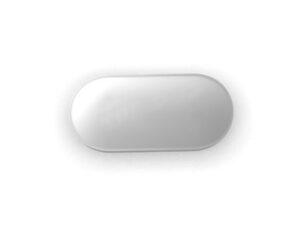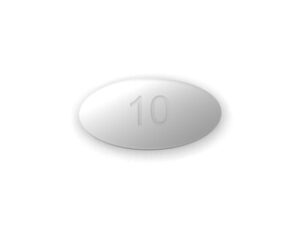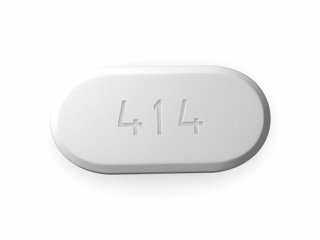
Zetia (Ezetimibe) — Patient-Friendly Guide (Australia)
Zetia contains ezetimibe, a cholesterol-lowering medicine used to help improve blood lipid levels. It is often prescribed as part of a broader plan that may also include dietary changes, exercise and (in many cases) other cholesterol medicines. This guide explains how Zetia works, how it is used, what to expect, and important safety information for people in Australia.
1) Basic product information
Active ingredient: Ezetimibe
Brand name: Zetia
Medicine type: Cholesterol absorption inhibitor
Where it fits: Commonly used with lifestyle changes and, when appropriate, alongside other lipid-lowering therapy
such as statins.
Important note: Lipid targets and treatment choices differ from person to person depending on your medical history, risk factors, and blood test results. Always follow the advice provided by your healthcare professional.
2) How Zetia works (mechanism of action)
Zetia works by reducing the amount of cholesterol absorbed in your small intestine. Specifically, ezetimibe inhibits the NPC1L1 (Niemann–Pick C1-Like 1) transporter, which plays a key role in transporting cholesterol (and related plant sterols) into the bloodstream.
- Less intestinal cholesterol absorption → the liver takes up more cholesterol from the blood.
- Improved lipid profile → typically reductions in LDL cholesterol (“bad” cholesterol), with smaller effects on other fats.
- Complementary to statins: Statins mainly reduce cholesterol production in the liver, while ezetimibe reduces absorption.
3) Pharmacokinetics (how the body handles ezetimibe)
Pharmacokinetics describe how the medicine is absorbed, distributed, metabolised and eliminated. With ezetimibe:
- Absorption: Ezetimibe is absorbed from the gastrointestinal tract.
- Active form: Ezetimibe undergoes metabolism in the liver and intestines, producing an active metabolite called ezetimibe-glucuronide.
- Protein binding: The drug and its metabolite are highly bound to plasma proteins.
- Elimination: Excretion occurs mainly via the bile and faeces.
- Half-life (practical takeaway): The effect of dosing is sustained over the day, which is why once-daily dosing is common.
People with liver problems may require additional caution. If you have any history of liver disease, discuss this with your healthcare professional.
4) Typical uses in Australia
Zetia is used to treat cholesterol disorders. It may be used:
- As monotherapy (alone) for people who cannot tolerate a statin or for whom a statin is not appropriate.
- In combination with a statin to further lower LDL cholesterol when statin therapy alone is insufficient.
- With other lipid-lowering treatments when recommended by your specialist.
Your doctor may select Zetia based on your LDL cholesterol level, cardiovascular risk, genetic lipid disorders, and how you responded to previous therapy.
5) Indications (what conditions it can help treat)
In general terms, Zetia is indicated to help:
- Lower elevated LDL cholesterol in adults and certain adolescents with primary (non-genetic) hypercholesterolaemia.
- Manage homozygous familial hypercholesterolaemia (often alongside other treatments), depending on clinical situation.
- Lower sitosterol and related plant sterols in people with homozygous familial sitosterolaemia, where ezetimibe can reduce absorption of plant sterols.
Eligibility and age criteria can vary, so confirm the indication that applies to you.
6) Dosing and timing
For most people, Zetia is taken by mouth once daily. Many patients take it at the same time each day to help build a routine.
Common adult dosing
| Use | Typical dose | How to take | Practical timing |
|---|---|---|---|
| Most cholesterol-lowering regimens | 10 mg once daily | Swallow whole with water | Any time of day; choose a consistent time |
| Combination therapy | 10 mg once daily (ezetimibe) + other lipid medicine as directed | Follow the schedule for each medicine | Often taken together with the daily statin dose if advised |
Missed dose: If you miss a dose, take it when you remember on the same day. If it is nearly time for your next dose, skip the missed dose and resume your usual schedule. Do not take a double dose to make up for a missed tablet.
Consistency matters: Lipid-lowering medicines work best when taken regularly. Even if you feel well, continue taking Zetia as directed and attend follow-up blood tests.
7) Food interactions and what to know about meals
Zetia can generally be taken with or without food. This flexibility can help people who have trouble taking medicines on an empty stomach.
That said, to support overall cholesterol management:
- Maintain the diet plan recommended for you (for example, reducing saturated fats and increasing fibre).
- Try to take Zetia around the same time each day to simplify your routine.
If you are taking other cholesterol medicines (especially bile acid sequestrants), your healthcare professional may advise spacing doses. Bile acid sequestrants can bind substances in the gut, potentially reducing absorption of some medicines.
8) Alcohol and medicine interactions
Alcohol use: Moderate alcohol consumption may not directly interact with ezetimibe in the way some other drug classes do. However, alcohol can affect liver health and can worsen triglycerides in some people. If you drink alcohol regularly, it is worth discussing the safest amount for you—particularly if you have liver concerns or elevated liver enzymes.
Medicine interactions: Zetia has fewer food-based interactions than some other lipid medicines, but medication interactions can still occur. Tell your healthcare professional and pharmacist about all medicines and supplements you take, including:
- Cholesterol medicines (e.g., statins, bile acid sequestrants, and other lipid-lowering therapies).
- Anticoagulants/“blood thinners” such as warfarin: monitoring may be required when starting or changing therapy.
- Medicines that affect bile and digestion: timing adjustments may be recommended for certain agents.
- Herbal products and supplements: always disclose them for interaction assessment.
If you start a new medicine while taking Zetia, ask whether spacing or additional monitoring is needed.
9) Safety profile and possible side effects
Like all medicines, Zetia can cause side effects. Most people experience mild or manageable effects, and many tolerate ezetimibe well. Some side effects may require medical attention.
Common side effects
- Headache
- Abdominal pain or stomach discomfort
- Diarrhoea or digestive upset
- Fatigue
- Inflammation/infections (less commonly reported)
Serious side effects — get medical help urgently if
- Signs of an allergic reaction: swelling of face/lips, rash, itching, trouble breathing.
- Severe or persistent abdominal pain with feeling unwell.
- Muscle pain or weakness (especially if also taking a statin), or dark urine.
- Liver-related symptoms: yellowing of the skin/eyes, severe nausea, unusual tiredness, or dark urine.
Liver enzyme monitoring
If Zetia is used with a statin, clinicians may monitor liver enzymes and discuss symptoms that could suggest liver issues. This is mainly a precautionary approach. Follow your healthcare professional’s monitoring plan.
Who should be extra cautious?
- People with a history of liver disease
- People taking multiple lipid-lowering medicines
- People who have previously had adverse reactions to cholesterol medicines
- People who are pregnant, breastfeeding, or planning pregnancy (discuss risk/benefit with a clinician)
10) Practical use tips (making Zetia part of your routine)
- Choose a consistent time: taking your tablet at the same time each day improves adherence.
- Keep it visible: a pillbox or phone reminder can help.
- Don’t stop suddenly: cholesterol medicines help reduce long-term risk, even when you feel well.
- Follow your lipid test schedule: improvement is typically assessed with repeat blood tests arranged by your doctor.
- Maintain lifestyle changes: diet, physical activity, weight management and smoking cessation (if applicable) remain essential alongside medicine.
- Report symptoms early: new muscle pain, allergy symptoms, or signs of liver issues should be discussed promptly.
11) When you might expect results
Lipid levels may improve within weeks of starting therapy, but the exact timeline varies by person and the combination used. Your healthcare professional will determine when to recheck your cholesterol. Typically, repeat testing is arranged after a period sufficient to observe a stable change.
12) Alternative options (other medicines and approaches)
Depending on your needs, there may be alternatives or add-ons to Zetia. Your clinician can recommend the most appropriate option based on your lipid results and risk profile.
Medication alternatives (examples)
- Statins (e.g., atorvastatin, rosuvastatin): reduce cholesterol production in the liver.
- PCSK9 inhibitors (for certain high-risk patients): significantly lower LDL via increased LDL clearance.
- Bile acid sequestrants: bind bile acids in the gut (timing considerations may apply).
- Fibrates (mainly for triglycerides): used when triglycerides are a concern.
- Omega-3 fatty acids (in selected cases): may support triglyceride management.
Lifestyle alternatives and supports
- Heart-healthy eating patterns (e.g., reducing saturated fat; increasing fibre)
- Regular physical activity (as advised)
- Weight management if relevant
- Managing diabetes and blood pressure
- Stopping smoking and limiting alcohol where appropriate
The “best” alternative depends on why you are taking Zetia (LDL lowering, sitosterol reduction, or combination therapy). Don’t switch therapies without clinician guidance.
13) Australia: market and legal context
Zetia (ezetimibe) is a prescription medicine in Australia. In online pharmacy settings, dispensing and supply typically require compliance with Australian health and regulatory requirements, including appropriate identification, medicine eligibility, and patient safety checks.
In practice, pharmacies may request details such as:
- your intended medicine and dose
- current medicines you take
- relevant medical history (e.g., liver disease)
- guidance on safe use, expected outcomes, and monitoring
Supply availability can vary between brands, pack sizes and wholesalers. A reputable Australian pharmacy will help ensure you receive the right product and appropriate information for safe use.
14) Recent guidance and clinical considerations
Australian cardiovascular risk management commonly follows evidence-based cholesterol-lowering strategies. Treatment choices often depend on:
- baseline LDL cholesterol level
- presence of established cardiovascular disease or high-risk features
- ability to tolerate medicines (e.g., statins)
- overall risk reduction plan
- monitoring needs such as liver enzymes and potential muscle-related effects when combined with statins
In many patients who require additional LDL reduction beyond a statin, ezetimibe is frequently used as a well-tolerated add-on. Ongoing updates to clinical practice may refine targets, selection of combinations, and monitoring—so it’s important to follow current advice from your healthcare professional.
15) Delivery and availability (online pharmacy)
Availability can vary depending on stock levels and the specific pack size. When ordering online through an Australian pharmacy, delivery times depend on location, order processing cut-off times, and courier service.
- Pack sizes: commonly available in standard tablet strengths (e.g., 10 mg) depending on supply.
- Dispatch timing: may differ on weekends and public holidays.
- Storage: store the tablets according to the label instructions (typically at room temperature, away from moisture and heat).
If you have urgent needs or travel dates, check the pharmacy’s estimated delivery timeframe before placing an order.
16) Frequently Asked Questions (FAQ)
Is Zetia the same as ezetimibe?
Yes. Zetia is a brand name that contains the active ingredient ezetimibe.
How quickly does Zetia lower cholesterol?
Many people see improvements in cholesterol levels within a few weeks, but the exact timing varies. Your doctor will arrange follow-up blood tests to check your response and guide any adjustments.
Can I take Zetia with food?
Generally, yes. Zetia can usually be taken with or without food. Taking it at a consistent time each day may improve adherence.
What if I miss a dose?
Take it when you remember on the same day. If it is nearly time for the next dose, skip the missed dose and return to your usual schedule. Do not take a double dose.
Does Zetia interact with alcohol?
There is no common direct “interaction” in the same sense as some drug pairs, but alcohol can affect the liver and triglycerides in some people. If you drink alcohol regularly or have liver issues, ask your healthcare professional what amount is safest for you.
Can Zetia be taken with a statin?
Yes. Zetia is commonly used alongside statins to achieve additional LDL cholesterol reduction. Combination therapy may require monitoring—particularly for liver enzymes—and you should report muscle pain or weakness promptly.
Are there foods I should avoid?
There are no specific foods that must be completely avoided purely due to Zetia. However, the overall dietary pattern matters: focusing on heart-healthy choices supports the medication’s effect.
Who should not use Zetia?
Suitability depends on your medical history and other medicines. People with certain liver conditions or previous intolerance may need extra caution. Discuss your individual situation with a clinician or pharmacist.
What should I do if I experience side effects?
Mild stomach discomfort or headache may settle. If side effects are persistent, worsening, or severe (for example, signs of allergy, yellowing of the skin/eyes, or significant muscle symptoms), seek medical advice promptly.
What can I do to improve cholesterol alongside Zetia?
Consider:
- heart-healthy eating (lower saturated fat; higher fibre)
- regular physical activity
- maintaining a healthy weight
- stopping smoking
- managing blood pressure and diabetes if relevant
Are there alternatives to Zetia?
Yes. Depending on your condition and risk level, options may include statins, PCSK9 inhibitors, bile acid sequestrants, fibrates, and other therapies. Your healthcare professional can recommend the most appropriate alternative or combination.
17) Important reminder
Zetia (ezetimibe) is an effective option for lowering cholesterol by reducing absorption from the gut. Safe and effective use depends on taking the medicine as directed, attending follow-up blood tests, and communicating side effects or concerns early. This page is for information and does not replace medical advice tailored to your individual needs.