Ezetimibe (Australia): Patient-Friendly Guide
Ezetimibe is a cholesterol-lowering medicine used to help reduce levels of LDL (“bad cholesterol”) and other blood lipids. It is often prescribed as part of a broader plan that includes healthy eating, physical activity, and managing other risk factors for heart disease.
This guide explains how ezetimibe works, how it is taken, key safety information, and practical tips for getting the best results.
Basic product information
- Generic name: Ezetimibe
- What it’s used for: Lowering LDL cholesterol and related lipid abnormalities
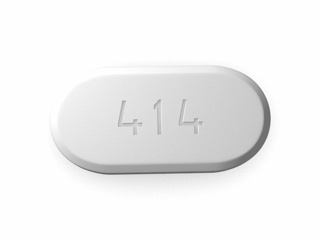
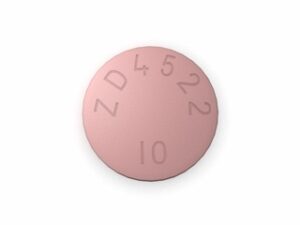
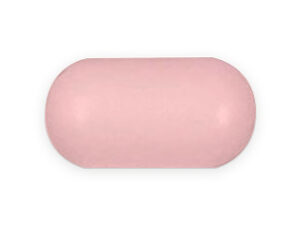
- Common form: Tablets (strength may vary by brand)
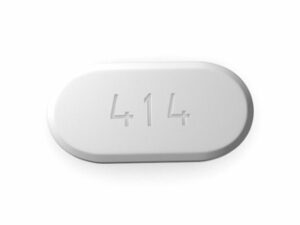
- Brand examples: Brand names vary in Australia; your pharmacist can confirm the specific product you’re using
- Where it fits: Often used with diet alone, or in combination with a statin or other lipid medicines
In Australia, ezetimibe is available through pharmacy supply chains under medicines regulatory frameworks. Availability and product brand/strength may vary by supplier and stock levels.
How ezetimibe works (mechanism of action)
Ezetimibe belongs to a group of medicines called cholesterol absorption inhibitors. Instead of blocking cholesterol production in the liver (as statins do), ezetimibe reduces the amount of dietary and bile-derived cholesterol absorbed in the intestine.
It works by targeting a specific transporter in the intestinal wall known as NPC1L1. When this transporter is inhibited, less cholesterol is taken up from the gut, leading to:
- Lower delivery of cholesterol to the liver
- Increased removal of LDL cholesterol from the blood
- Lower overall LDL cholesterol levels
When combined with a statin, ezetimibe may provide additional LDL-lowering benefit because the medicines act via complementary pathways.
Pharmacokinetics (how the body handles ezetimibe)
Understanding pharmacokinetics can help explain timing and expected effects. Ezetimibe is absorbed from the gastrointestinal tract and is extensively converted to its active metabolite, ezetimibe-glucuronide. The active metabolite contributes to the medicine’s lipid-lowering effect.
- Absorption: Ezetimibe is absorbed after oral dosing.
- Metabolism: Primarily via glucuronidation (conversion to ezetimibe-glucuronide).
- Elimination: Excreted mainly via bile into the gastrointestinal tract and then eliminated from the body.
- Half-life: The elimination half-life supports once-daily dosing in typical regimens.
Individual responses can vary based on age, liver function, and other medicines. Your pharmacist can guide you on what to expect for your specific product and plan.
Typical use
Ezetimibe is used to lower blood cholesterol, especially LDL cholesterol. It may be used:
- As monotherapy in people who cannot tolerate statins or need additional lipid lowering
- In combination with a statin for greater LDL reduction
- With other lipid therapies depending on the person’s risk factors and lipid profile
Beyond LDL, ezetimibe can also lower non-HDL cholesterol and triglycerides to a smaller extent, though the exact degree of change varies between individuals.
Indications (when it is used)
In clinical practice, ezetimibe is indicated for:
- Primary hypercholesterolaemia (elevated LDL cholesterol)
- Mixed hyperlipidaemia (elevated LDL and other lipid abnormalities)
- Homozygous familial hypercholesterolaemia as part of lipid-lowering therapy
- Heterozygous familial hypercholesterolaemia in appropriate circumstances, often alongside other therapies
- People who require additional LDL lowering to meet agreed cholesterol targets based on cardiovascular risk
The exact choice of therapy is guided by clinical assessment, baseline lipid levels, and risk of cardiovascular disease.
How to take ezetimibe: dosing and timing
Many ezetimibe regimens involve once-daily oral dosing. Your doctor or pharmacist will confirm the dose that applies to you.
Typical dosing (general guidance)
- Adults: Commonly 10 mg once daily.
- Children: Use in paediatric patients depends on the indication and age; dosing is based on clinician instructions and approved product information.
Timing: Take ezetimibe at the same time each day to support consistent use. If you forget a dose, take it when you remember unless it is close to the next scheduled dose. Do not take a double dose to make up for a missed tablet.
Can you take it with food?
Ezetimibe can generally be taken with or without food. Consistent daily intake is often more important than the timing of meals.
Food interactions
Ezetimibe does not usually require strict timing with meals. However, if you are taking other lipid-lowering medicines—especially bile acid sequestrants—the timing can matter.
Bile acid sequestrants (if applicable)
Some medicines that bind bile acids can reduce the absorption of other drugs. If you use a bile acid sequestrant, your pharmacist may recommend spacing it away from ezetimibe. Follow the dosing schedule provided with your medicines.
As a general principle:
- Take ezetimibe as directed.
- If you also take a bile acid–binding medicine, ask your pharmacist whether you need a time gap between doses.
Alcohol and medicine interactions
Ezetimibe itself is not primarily known for a direct alcohol-specific interaction. That said, alcohol can affect overall cardiovascular risk, liver health, and adherence to dietary recommendations.
Practical considerations
- Moderation: If you drink alcohol, use moderation and follow Australian dietary guidelines.
- Liver health: If you have liver disease or elevated liver enzymes, discuss alcohol intake with a clinician and pharmacist.
- Combination therapy: If ezetimibe is taken with a statin, statin-related liver monitoring considerations may apply. Follow your doctor’s monitoring plan.
If you notice unusual symptoms (such as unexplained fatigue, dark urine, or yellowing of the eyes/skin), seek medical advice promptly.
Interactions with other medicines
Many people take multiple medicines for cardiovascular risk factors, diabetes, blood pressure, or other conditions. While ezetimibe generally has a low interaction burden, it can interact with certain drugs—particularly those affecting bile metabolism or drug transport.
Important categories to discuss with your pharmacist
- Statins: Commonly co-prescribed; combination therapy is well established but liver-related monitoring may occur as part of overall care.
- Bile acid sequestrants: May require dose spacing (see food interactions section).
- Some lipid-lowering therapies: Your pharmacist can check for compatibility and dosing schedules.
- Other medicines metabolised via relevant transport pathways: Less common, but always confirm with your pharmacist if you take complex regimens.
Always share a full list of your medicines and supplements (including herbal products and vitamins) when starting ezetimibe or if your prescription changes.
Safety profile: what to know
Like all medicines, ezetimibe can cause side effects in some people. Many individuals tolerate ezetimibe well, but it’s important to know what’s normal and what requires prompt medical attention.
Common side effects
- Headache
- Diarrhoea or loose stools
- Abdominal discomfort
- Nausea
Less common but important side effects
- Muscle symptoms such as pain or weakness (especially if combined with statins)
- Changes in liver blood tests, particularly when used with a statin
- Allergic reactions (rare): swelling of the face/lips, rash, itching, or difficulty breathing
When to seek urgent medical advice
Contact medical help immediately if you experience signs of a serious allergic reaction, severe muscle pain with weakness, or symptoms suggesting significant liver injury (e.g., yellowing of the skin/eyes, dark urine, severe persistent nausea/vomiting, or intense abdominal pain).
Practical use tips for best results
Cholesterol lowering is most effective when medicine use is combined with lifestyle steps and consistent follow-up. Ezetimibe helps, but it works best as part of an overall plan.
Tips to support adherence
- Choose a daily routine: Taking ezetimibe at the same time each day makes it easier to remember.
- Use reminders: Phone alarms or medication organisers can help.
- Track your progress: Lipid panels are typically repeated after a period of treatment; keep appointments for blood tests if your clinician orders them.
- Don’t stop suddenly: Stopping ezetimibe may lead to cholesterol levels rising again.
Lifestyle that complements ezetimibe
- Healthy diet: Focus on fibre-rich foods, reduce saturated fats, and choose healthier fat sources.
- Weight management: If relevant, even modest weight loss can improve lipid profiles.
- Physical activity: Regular exercise supports cardiovascular health.
- Smoking cessation: If you smoke, stopping is one of the most impactful risk-reduction steps.
If you have questions about diet or exercise tailored to your health conditions, ask your pharmacist or clinician.
Monitoring and follow-up
Monitoring varies depending on your risk factors and whether ezetimibe is used alone or with a statin. Your healthcare provider may check:
- Lipid levels: To confirm response and guide ongoing treatment
- Liver blood tests: Particularly when ezetimibe is combined with statins or if you have known liver conditions
- General tolerability: Review of side effects and adherence
Keep a record of any new symptoms after starting therapy and discuss them with your healthcare team.
Alternative options
Depending on your cholesterol level, medical history, and tolerance of medicines, there are alternatives to ezetimibe. Your clinician will select the most suitable option for your needs.
Common alternatives and related treatments
- Statins (e.g., atorvastatin, rosuvastatin): Reduce cholesterol production in the liver
- Bile acid sequestrants: Bind bile acids in the gut
- PCSK9 inhibitors (specialist medicines): Used for higher-risk patients, often if LDL targets are not met with other therapy
- Fibrates: More focused on triglycerides (not primarily LDL)
- Omega-3 fatty acids (where appropriate): Often used for elevated triglycerides
- Dietary and lifestyle strategies: The foundation for cholesterol management
If you are considering switching or stopping ezetimibe, do not make changes on your own—ask your pharmacist or clinician for a step-by-step plan.
Australia market and legal context (patient information)
In Australia, cholesterol-lowering medicines are supplied under the Therapeutic Goods Administration (TGA) regulatory framework. Availability depends on:
- Product registration status
- Brand and strength supply
- Pharmacy stock and dispensing arrangements
- Eligibility for any subsidy arrangements (where relevant)
The exact prescription and dispensing requirements can differ based on product status, patient criteria, and pharmacy policies. If you have questions about access, your local Australian pharmacy can explain the available options for your situation.
Recent guidance (high-level)
Cholesterol management guidance in Australia commonly emphasises:
- Using risk-based targets to guide therapy decisions
- Prioritising statin-based approaches for many patients at elevated cardiovascular risk
- Adding non-statin therapy (such as ezetimibe) when additional LDL lowering is needed or when statins are not tolerated
- Monitoring lipid levels and overall tolerability over time
Because clinical recommendations can be updated, it’s a good idea to check with your healthcare professional for the most current plan that applies to you.
Delivery and availability (online pharmacy experience)
Online pharmacies in Australia typically offer a convenient way to order medicines and receive them at a delivery address. Availability and dispatch time may vary depending on:
- Stock levels and supplier lead times
- Strength and brand availability
- Delivery location and shipping cutoff times
- Any special packaging or cold-chain requirements (usually not applicable for ezetimibe tablets)
When ordering, ensure the product details match what your pharmacist has recommended for you—especially the strength and tablet form. If you’re unsure, you can ask the pharmacy to confirm before dispatch.
FAQ: Ezetimibe in Australia
1) What is ezetimibe used for?
Ezetimibe is used to lower cholesterol levels, particularly LDL (“bad cholesterol”), and help reduce cardiovascular risk when combined with appropriate lifestyle measures and, when needed, other lipid-lowering medicines.
2) How quickly will ezetimibe lower cholesterol?
Cholesterol levels can start to improve after starting treatment, but the amount and timing of change can vary. Clinicians typically check a lipid panel after a set period to assess response and adjust the overall plan if needed.
3) Should I take ezetimibe in the morning or at night?
You can usually take ezetimibe once daily at any time. Choose the time that best fits your daily routine and remains consistent.
4) Can I take ezetimibe with food?
Yes. Ezetimibe is generally taken with or without food. If you take other cholesterol medicines, ask your pharmacist if any spacing is needed.
5) What happens if I miss a dose?
Take it when you remember unless it is close to the next dose. Do not take a double dose to catch up. If you frequently miss doses, discuss solutions with your pharmacist.
6) Are there any alcohol restrictions?
There are no universal alcohol restrictions specifically for ezetimibe, but moderation is recommended for overall health. If ezetimibe is used with a statin or you have liver issues, discuss alcohol intake with your clinician.
7) Does ezetimibe cause muscle pain?
Muscle pain is uncommon with ezetimibe alone, but muscle symptoms may occur more often when ezetimibe is used in combination with statins. If you experience unexplained muscle pain, weakness, or dark urine, contact medical advice promptly.
8) Can ezetimibe be taken with statins?
Yes. Ezetimibe is commonly used with statins to achieve greater LDL cholesterol reduction. Your clinician may monitor liver tests and watch for side effects as part of your overall treatment plan.
9) Is ezetimibe safe for long-term use?
For many patients, ezetimibe is used long-term as part of cholesterol management. Safety is assessed by ongoing monitoring, follow-up lipid tests, and reviewing any side effects.
10) What are my alternatives if ezetimibe doesn’t work well enough?
Options can include adjusting diet and lifestyle, increasing or changing other lipid-lowering medicines (as clinically appropriate), or using additional therapies such as other non-statin agents. Your clinician will base choices on your lipid levels, risk profile, and tolerability.
Summary
Ezetimibe helps lower LDL cholesterol by reducing cholesterol absorption in the intestine. It is typically taken once daily and can be used alone or—very commonly—in combination with a statin to improve cholesterol control.
For best outcomes, take ezetimibe consistently, keep lipid monitoring appointments, and maintain healthy lifestyle habits. If you have any concerns about side effects or drug interactions, speak with your pharmacist or clinician.
At-a-glance table
| Topic | Key points (patient-friendly) |
|---|---|
| What it does | Lowers LDL (“bad”) cholesterol by reducing intestinal cholesterol absorption |
| Typical dose | Often 10 mg once daily (follow your clinician’s instructions) |
| Timing | Once daily; with or without food; be consistent |
| Food interactions | Usually no special food timing; may need spacing from bile acid sequestrants |
| Alcohol | No specific restriction for ezetimibe alone; moderation and liver considerations apply, especially with statins |
| Common side effects | Headache, diarrhoea, abdominal discomfort, nausea (varies by person) |
| Serious concerns | Severe muscle symptoms, signs of liver injury, or allergic reactions (seek urgent advice) |
| Follow-up | Lipid checks and, if appropriate, blood tests (especially if combined with statins) |
| Alternatives | Statins, bile acid sequestrants, PCSK9 inhibitors (specialist), and other lipid-focused therapies |