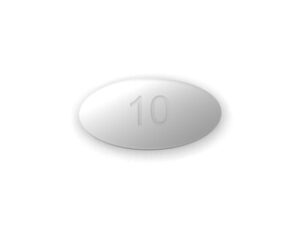

Atorvastatin — Patient-Friendly Guide (Australia)
Atorvastatin is a medicine in the statin group used to lower cholesterol and reduce the risk of heart and blood vessel problems. It works by reducing cholesterol production in the liver and by improving how cholesterol is cleared from the blood.
This information is designed to help you understand how atorvastatin works, how it’s typically used, and what to consider regarding safety, other medicines, alcohol, and lifestyle.
1) Basic product information
Generic name: Atorvastatin
Medicine type: Statin (lipid-lowering medicine)
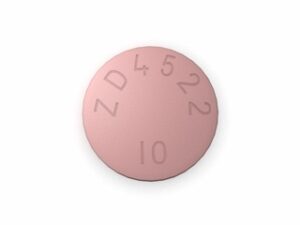
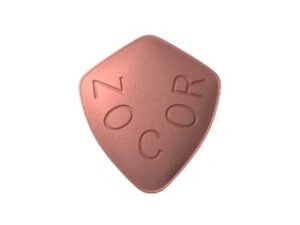
Common forms: Oral tablets (strengths vary, e.g., 10 mg, 20 mg, 40 mg, 80 mg)
Therapeutic use: Lowering LDL (“bad”) cholesterol and triglycerides; helping to raise HDL (“good”)
cholesterol modestly
Who it’s for: People at risk of, or living with, cardiovascular disease as determined by a clinician
based on individual risk factors.
In Australia, brand names and pack formats may vary. Your pharmacist can help confirm the correct product and strength.
2) How atorvastatin works (mechanism of action)
Atorvastatin blocks an enzyme in the liver called HMG-CoA reductase. This enzyme is essential for cholesterol production. By reducing cholesterol synthesis, the liver increases the number of LDL receptors on liver cells. More LDL cholesterol is then removed from the bloodstream, which lowers:
- LDL cholesterol (main effect)
- Total cholesterol
- Triglycerides (moderate effect)
- HDL cholesterol (small increase)
Over time, lowering LDL can slow plaque buildup in arteries and reduce the risk of events such as heart attack and stroke in appropriate people.
3) Pharmacokinetics (how the body handles atorvastatin)
“Pharmacokinetics” describes absorption, distribution, metabolism, and elimination. Key points for atorvastatin include:
- Absorption: Absorbed after oral dosing; food may slightly affect absorption.
- Peak levels: Blood concentrations typically peak within a few hours after a tablet dose.
- Metabolism: Primarily metabolised in the liver by enzymes, especially CYP3A4.
- Active effects: The cholesterol-lowering effect persists longer than the presence of the drug alone, due to active metabolites.
- Elimination: Mostly excreted via bile into the gut; a smaller portion is eliminated in urine.
These properties are one reason certain medicines that affect liver enzymes (for example, CYP3A4 inhibitors) can increase atorvastatin levels—raising the risk of side effects.
4) Typical use and when it’s taken (timing)
Atorvastatin is used to manage blood fats and lower cardiovascular risk. The exact timing and dose depend on your individual risk profile, cholesterol levels, and treatment goals.
Typical scheduling
- Once daily dosing: Most people take atorvastatin once per day.
- Time of day: Many people can take it at any time of day. Some clinicians prefer consistent timing to support adherence.
- Consistency matters: Try to take your tablet around the same time each day.
Starting and monitoring
Treatment often begins with a chosen dose and may be adjusted after blood tests. Monitoring typically includes:
- Liver enzymes as clinically indicated
- Lipid profile (cholesterol/triglycerides) to assess response
- Assessment of side effects (especially muscle symptoms)
If you miss a dose, follow your medicine label instructions or pharmacist advice—commonly, you should take it when you remember unless it’s nearly time for the next dose. Avoid doubling up.
5) Indications (what atorvastatin is used for)
Atorvastatin may be recommended for several indications, depending on your medical history and risk factors, including:
- Primary prevention of cardiovascular disease in people at elevated risk
- Secondary prevention in people with established cardiovascular disease (for example, previous heart attack, angina, stroke, or peripheral arterial disease)
- Management of dyslipidaemia (high cholesterol and/or high triglycerides)
- Reducing LDL cholesterol in specific hereditary lipid disorders when appropriate
Your clinician will determine whether atorvastatin is suitable for you based on cholesterol levels, age, blood pressure, smoking status, diabetes, family history, and other cardiovascular risk factors.
6) Dosing: what to expect
Dosing varies widely between individuals. Common general patterns include:
| Typical dosing pattern (general) | What it may be used for | Notes |
|---|---|---|
| Low to moderate dose once daily | Starting therapy or moderate LDL reduction goals | Dose adjustments can occur after follow-up blood tests. |
| Higher dose once daily | More intensive LDL lowering or secondary prevention | Higher doses may increase the likelihood of side effects in some people. |
| Special situations: kidney disease or drug interactions | Adjusted choice of starting dose or closer monitoring | Some medicines require dose adjustment or avoidance due to interaction risk. |
Important: Use the exact strength and dose provided by your pharmacist and follow your health professional’s instructions. Do not change the dose without advice.
7) Food interactions (what to know about meals)
Atorvastatin can generally be taken with or without food. Food is not usually a major issue, but there are practical tips:
- Consistency: Take it in a consistent way relative to meals (for example, with breakfast or at bedtime).
- Grapefruit: Avoid grapefruit and grapefruit juice unless your clinician has advised it is safe. Grapefruit can increase atorvastatin levels, which may raise the risk of muscle-related side effects.
- High-alcohol binge intake: While not a direct “food” interaction, heavy alcohol intake combined with statins can increase the risk of liver issues.
If you have dietary questions—especially about citrus products—ask your pharmacist.
8) Alcohol and medicine interactions
Alcohol
Alcohol can affect the liver. While a small amount is often tolerated, heavy or frequent alcohol use may increase the risk of liver-related side effects. Consider the following:
- Limit alcohol: Avoid binge drinking.
- Tell your clinician: If you drink regularly or heavily, or if you have liver disease.
- Stop and seek advice if severe symptoms occur: If you develop marked fatigue, abdominal pain, vomiting, yellowing of eyes/skin (jaundice), or dark urine, seek medical advice promptly.
Important medicine interactions
Atorvastatin is metabolised by liver enzymes (notably CYP3A4). Medicines that inhibit these pathways may increase atorvastatin exposure. Some interactions can be serious.
Common categories to discuss with your pharmacist/clinician include:
- Macrolide antibiotics (e.g., clarithromycin, erythromycin)
- Antifungal medicines (e.g., ketoconazole, itraconazole)
- HIV/HCV antivirals (some regimens can significantly affect statin levels)
- Calcium channel blockers (some types can increase statin levels)
- Cyclosporin
- Other lipid-lowering agents (for example, some combinations can increase muscle risk)
- Fibrates (especially gemfibrozil) — combination can increase muscle-related side effects
Other medicines may affect risk indirectly by increasing bleeding risk (for example, some anticoagulants) or by altering kidney function. Always provide your pharmacist with a complete list of medicines, including:
- over-the-counter products
- herbal supplements (for example, St John’s wort)
- vitamins and naturopathic remedies
- topical or inhaled medicines (they can still matter in some cases)
If you start any new medicine while taking atorvastatin, check for interaction risk. When feasible, avoid starting medicines that strongly inhibit CYP3A4 without professional guidance.
9) Safety profile: common and serious side effects
Most people tolerate atorvastatin well. However, as with all medicines, it can cause side effects in some individuals.
Common side effects
- Headache
- Stomach symptoms such as nausea, constipation, or diarrhoea
- Mild muscle aches or discomfort in some people
- Elevated liver enzymes on blood tests (often without symptoms)
Muscle-related symptoms (important)
Statins can rarely cause muscle problems ranging from mild aches to more serious conditions. Seek medical advice urgently if you experience:
- Severe or persistent muscle pain
- Muscle weakness
- Dark or cola-coloured urine
- Fever or feeling very unwell with muscle symptoms
If these occur, stop and seek medical attention promptly. Clinicians may need to check blood tests such as CK (creatine kinase).
Serious allergy or liver problems (rare)
- Signs of allergic reaction: swelling of face/lips, rash, breathing difficulty
- Signs of liver problems: yellowing of skin/eyes, severe abdominal pain, persistent vomiting, dark urine
Who may need extra caution
Risk of side effects may be higher in certain situations, such as:
- older age
- significant liver disease
- kidney impairment
- previous statin intolerance
- concurrent medicines that interact with atorvastatin
If you’ve previously had muscle symptoms with a statin, discuss this with your clinician before continuing.
10) Practical use tips
Make it easier to take every day
- Choose a routine: link the tablet to a daily habit (breakfast or evening).
- Use reminders: phone alarms or blister-pack calendars can help.
- Keep the same brand/strength: unless your pharmacist advises otherwise.
Track any side effects
- Note timing of symptoms (if muscle aches start after dose changes, mention it).
- If you experience mild stomach upset, tell your clinician rather than stopping immediately—many symptoms settle.
Lifestyle still matters
Atorvastatin is most effective when combined with heart-healthy lifestyle changes. Consider:
- Eating patterns that reduce saturated fats and refined sugars
- Regular physical activity
- Maintaining a healthy weight
- Not smoking
- Managing diabetes and blood pressure
When to contact a clinician urgently
Seek urgent medical advice if you develop severe muscle pain/weakness, symptoms of an allergic reaction, or signs of liver problems (yellow skin/eyes, severe persistent abdominal pain, dark urine).
11) Alternative options to discuss
If atorvastatin is not suitable due to side effects, inadequate response, or interaction concerns, there are alternatives. Your clinician may consider:
- Other statins (e.g., rosuvastatin, simvastatin, pravastatin) — sometimes a different statin or dose works better
- Ezetimibe — reduces intestinal cholesterol absorption
- PCSK9 inhibitors — injectable therapies for selected high-risk patients
- Bempedoic acid (where appropriate) and other lipid-lowering options
- Fibrates or omega-3 approaches for certain triglyceride-dominant cases
The best alternative depends on your cholesterol pattern, cardiovascular risk, other conditions, and tolerability history.
12) Australia: market and legal context
In Australia, atorvastatin is widely used for cholesterol management and cardiovascular risk reduction. Medicines are regulated by the TGA (Therapeutic Goods Administration). Availability and supply may vary by pharmacy and stock levels.
Your local pharmacy can provide guidance on the correct product presentation, expiry checks, and safe storage.
13) Recent guidance and care considerations
Clinical recommendations for cholesterol management and cardiovascular prevention are updated over time. In general, modern guidance emphasises:
- Assessing cardiovascular risk and using LDL lowering to reduce that risk
- Using statins as first-line therapy in appropriate patients, aiming for meaningful LDL reduction
- Monitoring response with periodic blood tests
- Managing side effects promptly, including evaluating muscle symptoms and checking relevant labs
- Considering additional therapies if targets are not met or if statins are not tolerated
If you want the most up-to-date guidance relevant to your situation, ask your clinician or pharmacist. They can tailor advice to your health status and risk level.
14) Delivery and availability (online pharmacy)
Atorvastatin is commonly stocked in Australia because it is a long-established, frequently prescribed medication. Delivery options vary by supplier. When ordering online, you can typically expect:
- Availability checks: some strengths may be temporarily out of stock
- Packaging and storage: tablets should be kept in a cool, dry place; keep in original packaging
- Product expiry: reputable online pharmacies supply products with adequate remaining shelf life
To ensure you receive the correct strength and form, always confirm the label details before delivery and check your blister/box.
15) FAQ
How long does it take to work?
Cholesterol lowering can begin within days, but the full effect is usually assessed with follow-up lipid blood tests after a few weeks. Your clinician will advise on when to recheck.
Can I take atorvastatin at night or in the morning?
Many people can take atorvastatin any time of day. Choose a time that you can sustain consistently and discuss any preferred timing with your pharmacist or clinician.
What should I do if I miss a dose?
Take it when you remember unless it’s nearly time for the next dose. Do not double up. If you’re unsure, ask your pharmacist for advice based on your dosing schedule.
Do I need blood tests while taking atorvastatin?
Many people have lipid profile monitoring to check response. Liver tests may be done if clinically indicated or if you develop symptoms suggestive of liver issues. Your clinician will determine the appropriate schedule.
Will atorvastatin cause weight gain?
Weight gain is not a typical direct effect of atorvastatin. If weight changes occur, discuss them with your clinician, especially if they coincide with changes in diet, activity, or other medicines.
Is it safe to drink alcohol while on atorvastatin?
Moderate intake may be tolerated by many people, but heavy or frequent alcohol use can increase liver risk. If you have liver disease or drink regularly, ask your clinician for personalised guidance.
Can I take it with other cholesterol medicines?
Sometimes combination therapy is used, but it requires careful selection and monitoring due to increased side effect risks in certain combinations. Always check with a pharmacist before combining lipid-lowering products.
What if I feel muscle aches?
Mild aches can occur. If symptoms are severe, persistent, or associated with weakness or dark urine, seek urgent medical advice. Do not ignore these signs.
Does grapefruit interact with atorvastatin?
Yes. Grapefruit and grapefruit juice can increase atorvastatin levels. It’s generally recommended to avoid grapefruit unless your clinician advises otherwise.
What are the signs of an allergic reaction?
Seek urgent care if you develop swelling of the face/lips/tongue, widespread rash, or trouble breathing.
What should I tell my healthcare provider?
Tell them about:
- all medicines you take (including over-the-counter and herbal products)
- any past statin side effects or muscle problems
- liver disease or heavy alcohol intake
- kidney problems
- pregnancy or planning pregnancy (for people who can become pregnant)
Key takeaways
- Atorvastatin lowers LDL (“bad”) cholesterol by reducing cholesterol production and increasing LDL clearance.
- It’s commonly taken once daily and can be taken with or without food.
- Avoid grapefruit and be careful with medicines that interact (especially CYP3A4 inhibitors).
- Report severe muscle pain/weakness or signs of liver problems promptly.
- Combine the medicine with heart-healthy lifestyle changes for best results.