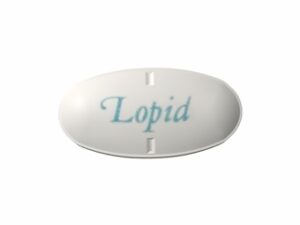
Gemfibrozil (Australia) – Patient Information Guide
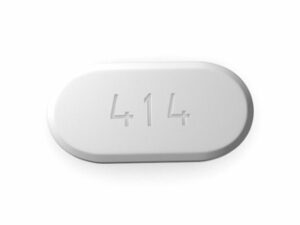
Gemfibrozil is a medicine used to help manage certain types of abnormal cholesterol and triglyceride levels. In Australia, it is available in different strengths depending on the product brand and local supply. This guide explains how gemfibrozil works, when it is typically used, how to take it safely, and what to discuss with your healthcare professional.
Important: This information is for general education and may not cover your personal situation. Always follow the dosing instructions provided for your specific medicine and the advice of a qualified healthcare professional.
Quick Facts
- Active ingredient: Gemfibrozil
- Common role: Helps lower elevated triglycerides and can improve certain cholesterol parameters
- How it’s taken: Usually by mouth, typically twice daily
- Key safety notes: Interactions are possible with other cholesterol-lowering drugs and some medicines metabolised in the liver
- Common monitoring: Lipid levels, liver function, and symptoms of muscle problems when relevant
Basic Product Information
What is gemfibrozil?
Gemfibrozil belongs to a group of medicines called fibrates. Fibrates primarily target high triglycerides and may modestly affect cholesterol fractions.
How available is it in Australia?
Gemfibrozil products may be supplied through community pharmacies depending on availability and supplier listings. Availability can vary by strength, brand, and current manufacturing supply.
Who should use it?
It is generally considered for people with high triglycerides, particularly when lifestyle changes (diet, exercise, weight management, limiting alcohol, and controlling diabetes if present) are not sufficient, or where a clinician determines it is appropriate based on overall cardiovascular risk and triglyceride levels.
How Gemfibrozil Works (Mechanism of Action)
Gemfibrozil helps improve lipid metabolism mainly by influencing how the body handles fats in the bloodstream. It primarily:
- Reduces triglycerides by decreasing the liver’s production of triglyceride-rich particles and increasing clearance of triglycerides from blood.
- Increases HDL (“good” cholesterol) in many patients.
- May lower VLDL (very-low-density lipoprotein), which is closely linked with triglycerides.
- Has variable effects on LDL (“bad” cholesterol), sometimes producing a modest reduction.
Clinical goal: Lowering triglycerides and improving lipid balance to reduce the risk of complications associated with dyslipidaemia, particularly when triglycerides are significantly elevated.
Pharmacokinetics (How the Body Processes It)
Absorption: Gemfibrozil is absorbed after oral administration, with peak levels typically occurring a few hours after a dose.
Distribution: It distributes throughout body tissues and binds to plasma proteins.
Metabolism: Gemfibrozil is metabolised primarily in the liver. It may also inhibit certain enzymes involved in drug metabolism, contributing to drug–drug interactions.
Elimination: The medicine and its metabolites are eliminated mainly via the kidneys and through other metabolic pathways.
Half-life: Gemfibrozil has a sufficiently long duration of action that supports twice-daily dosing in typical regimens, depending on the formulation and individual factors.
Practical implication: Because gemfibrozil can affect how other medicines are processed, it’s important to review all your current medicines (including “natural” or over-the-counter products).
Typical Use in Australia
Gemfibrozil is used as part of a broader approach to managing blood fats. It does not replace lifestyle measures. In many cases, clinicians recommend:
- A heart-healthy eating plan (often with reduced saturated fat and refined carbohydrates)
- Regular physical activity
- Weight management if appropriate
- Stopping smoking and reducing cardiovascular risk factors
- Limiting or avoiding alcohol if triglycerides are high
When is it most helpful?
Gemfibrozil is most commonly used for significantly elevated triglycerides and situations where lowering triglycerides is a priority to reduce risk of complications.
Indications (What It’s Used For)
Indications can vary depending on the product label and clinical guidance. Common clinical reasons gemfibrozil may be used include:
- High triglyceride levels (hypertriglyceridaemia), particularly when triglycerides are markedly elevated
- Mixed dyslipidaemia in selected patients where triglyceride control is a key treatment target
Note: Gemfibrozil is not the only option for lipid management, and suitability depends on your overall cardiovascular risk profile, kidney and liver function, diabetes status, and potential interactions with other medicines.
Dosing and Timing (What to Expect)
Typical adult regimen: Many gemfibrozil products are taken twice daily, generally 30 minutes before meals. Your exact schedule may differ based on the tablet strength and your prescribed instructions.
Why before meals? Taking gemfibrozil before food can support more consistent absorption and effect. Many medicines targeting fats work best when taken at consistent times.
How to take it:
- Take the dose before breakfast and before dinner (or as directed).
- Swallow tablets whole with water.
- Try to take doses at the same times each day.
If you miss a dose:
Take it when you remember if it is not close to the next dose. If you are near the next scheduled dose, skip the missed dose and continue with your regular routine. Do not take double doses unless instructed by your healthcare professional.
Duration of therapy:
Treatment may be long-term, depending on how your triglyceride levels respond and on your cardiovascular risk factors.
Food Interactions and What You Should Know
General guidance: Gemfibrozil is usually recommended to be taken before meals. Consistency matters—taking it at different times each day may affect how reliably it works.
High-fat meals: A diet high in fats may worsen triglyceride levels, even if medication is working. Follow the diet plan recommended by your healthcare professional.
Carbohydrates and sugars: Refined carbohydrates and excessive sugar can increase triglycerides, particularly in people with insulin resistance or diabetes.
Fibre and whole foods: Diet changes that reduce triglyceride-driving foods can improve outcomes alongside medication.
Special consideration: If you have severe gastrointestinal problems (vomiting/diarrhoea) or poor appetite, talk to your clinician as this may affect adherence and overall lipid control.
Alcohol and Medicine Interactions
Alcohol: Alcohol can significantly increase triglycerides in some people. If your triglycerides are high, reducing or avoiding alcohol is often advised. Your clinician may recommend a complete reduction depending on your baseline levels and response to treatment.
Alcohol with gemfibrozil: While there isn’t a simple universal rule, regular or heavy alcohol use can:
- Worsen triglyceride levels
- Increase risk of liver-related side effects
- Complicate management if you have pancreatitis risk from very high triglycerides
Medication interactions (high priority): Gemfibrozil can interact with several medicines. It can increase blood levels or effects of certain drugs. Particularly important interactions include:
- Statins (e.g., atorvastatin, simvastatin, rosuvastatin, etc.): This combination is often avoided or used with extra caution due to increased risk of muscle injury (myopathy/rhabdomyolysis).
- Blood thinners (anticoagulants), such as warfarin: Gemfibrozil may increase bleeding risk by affecting how clotting medicines work. Monitoring is often needed.
- Some diabetes medicines: Interactions may change glucose control or increase hypoglycaemia risk depending on the specific medicine.
- Other lipid-lowering medicines: Combination therapy should only be considered under careful supervision.
What you should do:
- Provide your healthcare professional with a complete list of all medicines and supplements you take.
- Ask specifically about interactions with statins, anticoagulants, diabetes medicines, and any “cholesterol supplements”.
- Do not start or stop medicines without checking first.
Safety Profile (Common Side Effects and Serious Risks)
Like all medicines, gemfibrozil can cause side effects. Many people tolerate it well, but some require dose adjustment or discontinuation.
Common side effects
- Stomach discomfort or indigestion
- Nausea
- Changes in appetite
- Headache
- Diarrhoea
Less common but important risks
- Gallbladder problems: Fibrates may increase the risk of gallstones or gallbladder inflammation.
- Muscle injury: Risk can be higher with certain interacting medicines (notably some statins). Seek urgent medical advice if you develop muscle pain, tenderness, weakness, or dark urine.
- Liver effects: Monitor liver function as advised by your clinician, especially if you have pre-existing liver disease.
- Blood count or kidney-related changes: These are monitored as clinically appropriate.
Seek urgent help if you experience
- Severe or persistent abdominal pain (especially right upper abdomen), fever, or jaundice
- Unexplained muscle pain or weakness, particularly with fatigue and fever
- Dark urine or marked reduction in urine output
- Signs of allergy (swelling of face/lips, difficulty breathing, rash)
Practical Use Tips (How to Get the Best Result Safely)
- Take it at the right time: Usually 30 minutes before meals, twice daily, unless your clinician advises otherwise.
- Keep up with lifestyle measures: Diet and alcohol reduction can dramatically influence triglycerides.
- Do not combine with interacting medicines on your own: Ask about statins, anticoagulants, and diabetes medicines before adding anything.
- Know your monitoring plan: Ask when you’ll have blood tests for lipids and liver function.
- Track symptoms: Note any muscle pain, unusual fatigue, abdominal pain, or yellowing of skin/eyes.
- Stay hydrated: This supports general kidney health, especially if you experience vomiting/diarrhoea.
Alternative Options for High Triglycerides and Dyslipidaemia
Depending on your lipid profile and health background, clinicians may consider alternatives to gemfibrozil. Options may include:
- Other fibrates (e.g., fenofibrate): Sometimes chosen based on interaction profiles and individual risk factors.
- Omega-3 fatty acids (prescription-strength formulations in some cases): May help lower triglycerides.
- Statins: Often first-line for LDL-related cardiovascular risk and may be considered depending on your cholesterol pattern and overall risk (choice and safety depend on interactions).
- Diabetes optimisation and lifestyle changes: For many patients, improving blood sugar control and reducing refined carbohydrates can lower triglycerides.
Choosing an alternative:
The best choice depends on whether your main problem is triglycerides, LDL cholesterol, or mixed changes, and on your other medical conditions and medicines.
Market and Legal Context for Australia
In Australia, the availability and prescribing status of medicines can be complex and may change over time. Medicine classifications are regulated under Australian healthcare and medicines frameworks, which determine how medicines are supplied and whether a healthcare professional is required.
Online pharmacy considerations:
When ordering medicines online in Australia, reputable providers follow requirements for identification, product verification, and appropriate supply based on medicine classification.
Safety compliance:
A proper supply process typically includes:
- Patient details and medication history checks
- Adherence counselling and information about interactions and monitoring
- Guidance on how the medicine should be used and when to seek help
Recent Guidance and Ongoing Clinical Considerations
Clinical practice regarding triglyceride management continues to evolve, with growing emphasis on:
- Risk-based treatment: decisions guided by cardiovascular risk and the likelihood of benefit
- Triglyceride-focused strategies: addressing diet, alcohol, weight, diabetes control, and secondary causes
- Safer combination approaches: cautious selection when combining lipid-lowering medicines due to interaction risks
What this means for patients:
If you are taking gemfibrozil, you should regularly review your lipid results and overall risk profile with your clinician. Your treatment may be adjusted if your triglyceride levels improve, if side effects occur, or if safer alternatives become more appropriate.
Delivery and Availability (Online Pharmacy)
Availability of gemfibrozil can vary between pharmacies and suppliers. When purchasing online:
- Check the strength and pack size: Ensure the product matches your expected dosage schedule.
- Confirm stock status: Some items may be temporarily unavailable; reputable pharmacies may provide estimated restock times.
- Delivery timelines: Dispatch and transit times depend on your location and courier network. Many pharmacies provide estimated delivery ranges at checkout.
- Packaging: Medicines are typically supplied in manufacturer packaging with expiry details visible.
Storage after delivery: Store tablets as directed on the label (commonly in a cool, dry place and away from direct sunlight). Keep out of reach of children.
FAQ About Gemfibrozil
1) What is gemfibrozil used for?
Gemfibrozil is used to help lower elevated triglycerides and improve some aspects of cholesterol levels. It is often considered when triglycerides are significantly high and lifestyle changes alone are not enough.
2) When should I take gemfibrozil?
It is commonly taken 30 minutes before meals, typically twice daily. Follow the specific instructions provided for your product and your healthcare professional’s advice.
3) Can I take gemfibrozil with food?
For best results, take gemfibrozil before meals as directed. If you have difficulty taking it before eating, discuss options with your clinician—timing can affect how consistently it works.
4) Does gemfibrozil replace diet and exercise?
No. Gemfibrozil works alongside lifestyle measures. Diet changes, weight management, regular physical activity, and limiting alcohol often have a major impact on triglyceride levels.
5) Is alcohol safe while taking gemfibrozil?
Alcohol can raise triglycerides and may increase liver-related risks. If your triglycerides are high, reducing or avoiding alcohol is often advised. Ask your clinician what level is appropriate for you.
6) What interactions should I be particularly careful about?
Gemfibrozil can interact with several medicines, especially statins and some medicines for blood thinning (e.g., warfarin) or diabetes. Always provide your full medicine list to your healthcare professional or pharmacist.
7) What side effects are most common?
Some people experience indigestion, nausea, diarrhoea, headache, or stomach discomfort. Contact a healthcare professional if side effects are persistent or troublesome.
8) When should I seek urgent medical help?
Seek urgent help for signs such as severe abdominal pain, yellowing of skin/eyes, dark urine, unexplained muscle weakness or pain, or symptoms of an allergic reaction.
9) How will I know if it’s working?
Your clinician will typically monitor lipid levels with blood tests and assess whether triglycerides and other targets improve. You may also be monitored for liver function and relevant safety parameters.
10) Are there alternatives if I can’t take gemfibrozil?
Yes. Options may include other fibrates, certain omega-3 formulations, and/or statins depending on your lipid profile and risk factors. Your clinician can help choose the safest option for you.
Summary
Gemfibrozil is a fibrate medicine used to manage high triglycerides and improve lipid balance in selected patients in Australia. It works by influencing liver lipid handling and triglyceride clearance. Most people take it twice daily before meals, and they benefit most when the medicine is combined with lifestyle measures such as healthy diet, regular exercise, weight management, and limiting alcohol.
Because gemfibrozil can interact with other medicines—particularly some cholesterol-lowering drugs—safe use requires a clear understanding of your medication list and a monitoring plan. If you have any concerns about side effects, interactions, or symptoms, contact your healthcare professional promptly.
Disclaimer: Product availability, exact dosing regimens, and medicine classification requirements may vary. Always refer to your medicine label and local healthcare guidance.